used before a singular noun to mean one of a group, when it is not a particular one
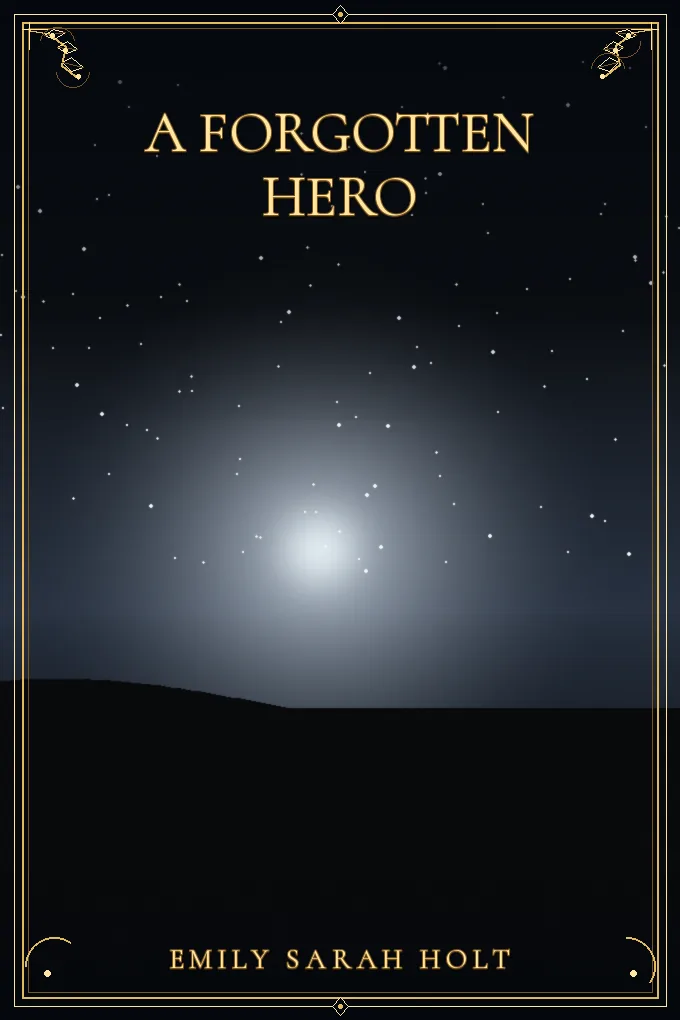
From this reading A Forgotten Hero, or, Not for Him, by Emily Sarah Holt.
in spite of the fact that
From this reading This shortish book takes us to the end of the thirteenth century, and, although the people in the book are mostly high-born, the scene is a very domestic one.
used to join words or parts of a sentence that go together
From this reading This shortish book takes us to the end of the thirteenth century, and, although the people in the book are mostly high-born, the scene is a very domestic one.
areauxiliary verbUS /ɑːr/
the form of “be” used with you, we, they, or a plural noun
From this reading This shortish book takes us to the end of the thirteenth century, and, although the people in the book are mostly high-born, the scene is a very domestic one.
a written work or composition that has been published (printed on pages bound together)
From this reading This shortish book takes us to the end of the thirteenth century, and, although the people in the book are mostly high-born, the scene is a very domestic one.
showing who or what does the action
From this reading A Forgotten Hero, or, Not for Him, by Emily Sarah Holt.
a period of 100 years
From this reading This shortish book takes us to the end of the thirteenth century, and, although the people in the book are mostly high-born, the scene is a very domestic one.
the time during which someone's life continues
From this reading It gives us a good understanding of the way life was lived in those days.
of concern to or concerning the internal affairs of a nation
From this reading This shortish book takes us to the end of the thirteenth century, and, although the people in the book are mostly high-born, the scene is a very domestic one.
Emily
Dictionary entry pending editorial verification. Tap Listen to hear the word.
From this reading A Forgotten Hero, or, Not for Him, by Emily Sarah Holt.
either extremity of something that has length
From this reading This shortish book takes us to the end of the thirteenth century, and, although the people in the book are mostly high-born, the scene is a very domestic one.
intended to be given to, or used by, somebody
From this reading A Forgotten Hero, or, Not for Him, by Emily Sarah Holt.
Not remembered; lapsed from memory.
From this reading A Forgotten Hero, or, Not for Him, by Emily Sarah Holt.
plural of “give” — the elasticity of something that can be stretched and returns to its original length
From this reading It gives us a good understanding of the way life was lived in those days.
having desirable or positive qualities especially those suitable for a thing specified
From this reading It gives us a good understanding of the way life was lived in those days.
a man distinguished by exceptional courage and nobility and strength
From this reading A Forgotten Hero, or, Not for Him, by Emily Sarah Holt.
high-born
Dictionary entry pending editorial verification. Tap Listen to hear the word.
From this reading This shortish book takes us to the end of the thirteenth century, and, although the people in the book are mostly high-born, the scene is a very domestic one.
the male already mentioned, as the object of a verb or preposition
From this reading A Forgotten Hero, or, Not for Him, by Emily Sarah Holt.
Holt
Dictionary entry pending editorial verification. Tap Listen to hear the word.
From this reading A Forgotten Hero, or, Not for Him, by Emily Sarah Holt.
inside something, or within a place, period, or state
From this reading This shortish book takes us to the end of the thirteenth century, and, although the people in the book are mostly high-born, the scene is a very domestic one.
a sense of concern with and curiosity about someone or something
From this reading Recommended for its social interest.
the form of “be” used with he, she, it, or a singular noun
From this reading This shortish book takes us to the end of the thirteenth century, and, although the people in the book are mostly high-born, the scene is a very domestic one.
a thing, animal, or idea already mentioned
From this reading It gives us a good understanding of the way life was lived in those days.
belonging to the thing or animal already mentioned
From this reading Recommended for its social interest.
a characteristic state or mode of living
From this reading It gives us a good understanding of the way life was lived in those days.
past form of “live” — be an inhabitant of or reside in
From this reading It gives us a good understanding of the way life was lived in those days.
mostlyadverbUS /ˈmoʊstli/
in large part; mainly or chiefly
From this reading This shortish book takes us to the end of the thirteenth century, and, although the people in the book are mostly high-born, the scene is a very domestic one.
used to make a word, phrase, or sentence negative
From this reading A Forgotten Hero, or, Not for Him, by Emily Sarah Holt.
belonging to, or connected with, somebody or something
From this reading This shortish book takes us to the end of the thirteenth century, and, although the people in the book are mostly high-born, the scene is a very domestic one.
used to mean any person in general, including the speaker
From this reading This shortish book takes us to the end of the thirteenth century, and, although the people in the book are mostly high-born, the scene is a very domestic one.
used to join alternatives or possibilities
From this reading A Forgotten Hero, or, Not for Him, by Emily Sarah Holt.
(plural) any group of human beings (men or women or children) collectively
From this reading This shortish book takes us to the end of the thirteenth century, and, although the people in the book are mostly high-born, the scene is a very domestic one.
RecommendedverbUS /ˌrekəˈmendɪd/
past form of “recommend” — push for something
From this reading Recommended for its social interest.
SarahnounUS /ˈserə/
(Old Testament) the wife of Abraham and mother of Isaac
From this reading A Forgotten Hero, or, Not for Him, by Emily Sarah Holt.
the place where some action occurs
From this reading This shortish book takes us to the end of the thirteenth century, and, although the people in the book are mostly high-born, the scene is a very domestic one.
shortishadjective
somewhat short
From this reading This shortish book takes us to the end of the thirteenth century, and, although the people in the book are mostly high-born, the scene is a very domestic one.
relating to human society and its members
From this reading Recommended for its social interest.
plural of “take” — the income or profit arising from such transactions as the sale of land or other property
From this reading This shortish book takes us to the end of the thirteenth century, and, although the people in the book are mostly high-born, the scene is a very domestic one.
used before a noun that is already known, already mentioned, or the only one of its kind
From this reading This shortish book takes us to the end of the thirteenth century, and, although the people in the book are mostly high-born, the scene is a very domestic one.
thirteenthadjectiveUS /ˈθɜːr.tiːnθ/
Constituting number thirteen in a sequence.
From this reading This shortish book takes us to the end of the thirteenth century, and, although the people in the book are mostly high-born, the scene is a very domestic one.
used for a person or thing that is near, or that has just been mentioned
From this reading This shortish book takes us to the end of the thirteenth century, and, although the people in the book are mostly high-born, the scene is a very domestic one.
the plural of “that”: the people or things further away, or already known
From this reading It gives us a good understanding of the way life was lived in those days.
used before the base form of a verb to make the infinitive
From this reading This shortish book takes us to the end of the thirteenth century, and, although the people in the book are mostly high-born, the scene is a very domestic one.
the cognitive condition of someone who understands
From this reading It gives us a good understanding of the way life was lived in those days.
the speaker and others, as the object of a verb or preposition
From this reading This shortish book takes us to the end of the thirteenth century, and, although the people in the book are mostly high-born, the scene is a very domestic one.
precisely as stated
From this reading This shortish book takes us to the end of the thirteenth century, and, although the people in the book are mostly high-born, the scene is a very domestic one.
wasauxiliary verbUS /wɑːz/
the past form of “be” used with I, he, she, it, or a singular noun
From this reading It gives us a good understanding of the way life was lived in those days.
how something is done or how it happens
From this reading It gives us a good understanding of the way life was lived in those days.