23
Dictionary entry pending editorial verification. Tap Listen to hear the word.
From this reading _Author of "The Luck of the House," "A Life Sentence," etc., etc._ MONTREAL: JOHN LOVELL & SON, 23 ST.
used before a singular noun to mean one of a group, when it is not a particular one
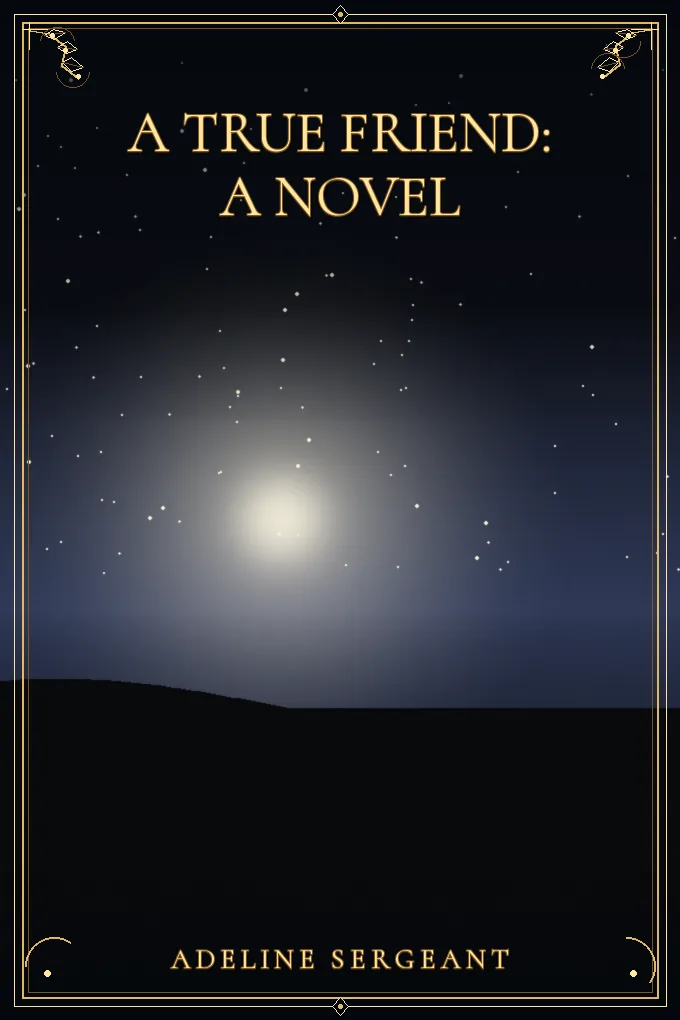
From this reading A TRUE FRIEND.
Adair
Dictionary entry pending editorial verification. Tap Listen to hear the word.
From this reading Janetta was the music governess--a brown little thing of no particular importance, and Margaret Adair was a beauty and an heiress, and the only daughter of people who thought themselves very distinguished indeed; so that the two had not, you might think, very much in common, and were not likely to be attracted one to the other.
the form of “a” used before a word that begins with a vowel sound
From this reading Janetta was the music governess--a brown little thing of no particular importance, and Margaret Adair was a beauty and an heiress, and the only daughter of people who thought themselves very distinguished indeed; so that the two had not, you might think, very much in common, and were not likely to be attracted one to the other.
used to join words or parts of a sentence that go together
From this reading Janetta was the music governess--a brown little thing of no particular importance, and Margaret Adair was a beauty and an heiress, and the only daughter of people who thought themselves very distinguished indeed; so that the two had not, you might think, very much in common, and were not likely to be attracted one to the other.
past form of “attract” — direct toward itself or oneself by means of some psychological power or physical attributes
From this reading Janetta was the music governess--a brown little thing of no particular importance, and Margaret Adair was a beauty and an heiress, and the only daughter of people who thought themselves very distinguished indeed; so that the two had not, you might think, very much in common, and were not likely to be attracted one to the other.
writes (books or stories or articles or the like) professionally (for pay)
From this reading _Author of "The Luck of the House," "A Life Sentence," etc., etc._ MONTREAL: JOHN LOVELL & SON, 23 ST.
used with a past participle to form the passive, or with -ing for continuous tenses
From this reading Janetta was the music governess--a brown little thing of no particular importance, and Margaret Adair was a beauty and an heiress, and the only daughter of people who thought themselves very distinguished indeed; so that the two had not, you might think, very much in common, and were not likely to be attracted one to the other.
the qualities that give pleasure to the senses
From this reading Janetta was the music governess--a brown little thing of no particular importance, and Margaret Adair was a beauty and an heiress, and the only daughter of people who thought themselves very distinguished indeed; so that the two had not, you might think, very much in common, and were not likely to be attracted one to the other.
an orange of low brightness and saturation
From this reading Janetta was the music governess--a brown little thing of no particular importance, and Margaret Adair was a beauty and an heiress, and the only daughter of people who thought themselves very distinguished indeed; so that the two had not, you might think, very much in common, and were not likely to be attracted one to the other.
belonging to or participated in by a community as a whole; public
From this reading Janetta was the music governess--a brown little thing of no particular importance, and Margaret Adair was a beauty and an heiress, and the only daughter of people who thought themselves very distinguished indeed; so that the two had not, you might think, very much in common, and were not likely to be attracted one to the other.
a female human offspring
From this reading Janetta was the music governess--a brown little thing of no particular importance, and Margaret Adair was a beauty and an heiress, and the only daughter of people who thought themselves very distinguished indeed; so that the two had not, you might think, very much in common, and were not likely to be attracted one to the other.
(used of persons) standing above others in character or attainment or reputation
From this reading Janetta was the music governess--a brown little thing of no particular importance, and Margaret Adair was a beauty and an heiress, and the only daughter of people who thought themselves very distinguished indeed; so that the two had not, you might think, very much in common, and were not likely to be attracted one to the other.
etc
Dictionary entry pending editorial verification. Tap Listen to hear the word.
From this reading _Author of "The Luck of the House," "A Life Sentence," etc., etc._ MONTREAL: JOHN LOVELL & SON, 23 ST.
a person you know well and regard with affection and trust
From this reading A TRUE FRIEND.
governessnounUS /ˈɡʌvərnəs/
a woman entrusted with the care and supervision of a child (especially in a private home)
From this reading Janetta was the music governess--a brown little thing of no particular importance, and Margaret Adair was a beauty and an heiress, and the only daughter of people who thought themselves very distinguished indeed; so that the two had not, you might think, very much in common, and were not likely to be attracted one to the other.
hadauxiliary verbUS /hæd/
the past form of “have”, used to form the past perfect
From this reading Janetta was the music governess--a brown little thing of no particular importance, and Margaret Adair was a beauty and an heiress, and the only daughter of people who thought themselves very distinguished indeed; so that the two had not, you might think, very much in common, and were not likely to be attracted one to the other.
heiressnounUS /ˈerəs/
a female heir
From this reading Janetta was the music governess--a brown little thing of no particular importance, and Margaret Adair was a beauty and an heiress, and the only daughter of people who thought themselves very distinguished indeed; so that the two had not, you might think, very much in common, and were not likely to be attracted one to the other.
a dwelling that serves as living quarters for one or more families
From this reading _Author of "The Luck of the House," "A Life Sentence," etc., etc._ MONTREAL: JOHN LOVELL & SON, 23 ST.
the quality of being important and worthy of note
From this reading Janetta was the music governess--a brown little thing of no particular importance, and Margaret Adair was a beauty and an heiress, and the only daughter of people who thought themselves very distinguished indeed; so that the two had not, you might think, very much in common, and were not likely to be attracted one to the other.
inside something, or within a place, period, or state
From this reading Janetta was the music governess--a brown little thing of no particular importance, and Margaret Adair was a beauty and an heiress, and the only daughter of people who thought themselves very distinguished indeed; so that the two had not, you might think, very much in common, and were not likely to be attracted one to the other.
in truth (often tends to intensify)
From this reading Janetta was the music governess--a brown little thing of no particular importance, and Margaret Adair was a beauty and an heiress, and the only daughter of people who thought themselves very distinguished indeed; so that the two had not, you might think, very much in common, and were not likely to be attracted one to the other.
Janetta
Dictionary entry pending editorial verification. Tap Listen to hear the word.
From this reading Janetta was the music governess--a brown little thing of no particular importance, and Margaret Adair was a beauty and an heiress, and the only daughter of people who thought themselves very distinguished indeed; so that the two had not, you might think, very much in common, and were not likely to be attracted one to the other.
a room or building equipped with one or more toilets
From this reading _Author of "The Luck of the House," "A Life Sentence," etc., etc._ MONTREAL: JOHN LOVELL & SON, 23 ST.
a characteristic state or mode of living
From this reading _Author of "The Luck of the House," "A Life Sentence," etc., etc._ MONTREAL: JOHN LOVELL & SON, 23 ST.
has a good chance of being the case or of coming about
From this reading Janetta was the music governess--a brown little thing of no particular importance, and Margaret Adair was a beauty and an heiress, and the only daughter of people who thought themselves very distinguished indeed; so that the two had not, you might think, very much in common, and were not likely to be attracted one to the other.
limited or below average in number or quantity or magnitude or extent
From this reading Janetta was the music governess--a brown little thing of no particular importance, and Margaret Adair was a beauty and an heiress, and the only daughter of people who thought themselves very distinguished indeed; so that the two had not, you might think, very much in common, and were not likely to be attracted one to the other.
LOVELLnounUS /ˈlʌvəl/
English astronomer who pioneered radio astronomy (born in 1913)
From this reading _Author of "The Luck of the House," "A Life Sentence," etc., etc._ MONTREAL: JOHN LOVELL & SON, 23 ST.
your overall circumstances or condition in life (including everything that happens to you)
From this reading _Author of "The Luck of the House," "A Life Sentence," etc., etc._ MONTREAL: JOHN LOVELL & SON, 23 ST.
Margaret
Dictionary entry pending editorial verification. Tap Listen to hear the word.
From this reading Janetta was the music governess--a brown little thing of no particular importance, and Margaret Adair was a beauty and an heiress, and the only daughter of people who thought themselves very distinguished indeed; so that the two had not, you might think, very much in common, and were not likely to be attracted one to the other.
used to say something is possible but not certain
From this reading Janetta was the music governess--a brown little thing of no particular importance, and Margaret Adair was a beauty and an heiress, and the only daughter of people who thought themselves very distinguished indeed; so that the two had not, you might think, very much in common, and were not likely to be attracted one to the other.
MONTREALnounUS /ˌmʌntriˈɔːl/
a city in southern Quebec province on the Saint Lawrence River; the largest city in Quebec and 2nd largest in Canada; the 2nd largest French-speaking city in the world
From this reading _Author of "The Luck of the House," "A Life Sentence," etc., etc._ MONTREAL: JOHN LOVELL & SON, 23 ST.
to a great degree or extent
From this reading Janetta was the music governess--a brown little thing of no particular importance, and Margaret Adair was a beauty and an heiress, and the only daughter of people who thought themselves very distinguished indeed; so that the two had not, you might think, very much in common, and were not likely to be attracted one to the other.
an artistic form of auditory communication incorporating instrumental or vocal tones in a structured and continuous manner
From this reading Janetta was the music governess--a brown little thing of no particular importance, and Margaret Adair was a beauty and an heiress, and the only daughter of people who thought themselves very distinguished indeed; so that the two had not, you might think, very much in common, and were not likely to be attracted one to the other.
NICHOLASnounUS /ˈnɪkələs/
a bishop in Asia Minor who is associated with Santa Claus (4th century)
From this reading NICHOLAS STREET.
not any; not one
From this reading Janetta was the music governess--a brown little thing of no particular importance, and Margaret Adair was a beauty and an heiress, and the only daughter of people who thought themselves very distinguished indeed; so that the two had not, you might think, very much in common, and were not likely to be attracted one to the other.
used to make a word, phrase, or sentence negative
From this reading Janetta was the music governess--a brown little thing of no particular importance, and Margaret Adair was a beauty and an heiress, and the only daughter of people who thought themselves very distinguished indeed; so that the two had not, you might think, very much in common, and were not likely to be attracted one to the other.
NOVELnounUS /ˈnɑːvəl/
an extended fictional work in prose; usually in the form of a story
From this reading A NOVEL.
belonging to, or connected with, somebody or something
From this reading _Author of "The Luck of the House," "A Life Sentence," etc., etc._ MONTREAL: JOHN LOVELL & SON, 23 ST.
used to mean any person in general, including the speaker
From this reading Janetta was the music governess--a brown little thing of no particular importance, and Margaret Adair was a beauty and an heiress, and the only daughter of people who thought themselves very distinguished indeed; so that the two had not, you might think, very much in common, and were not likely to be attracted one to the other.
and nothing more
From this reading Janetta was the music governess--a brown little thing of no particular importance, and Margaret Adair was a beauty and an heiress, and the only daughter of people who thought themselves very distinguished indeed; so that the two had not, you might think, very much in common, and were not likely to be attracted one to the other.
not the same one or ones already mentioned or implied
From this reading Janetta was the music governess--a brown little thing of no particular importance, and Margaret Adair was a beauty and an heiress, and the only daughter of people who thought themselves very distinguished indeed; so that the two had not, you might think, very much in common, and were not likely to be attracted one to the other.
unique or specific to a person or thing or category
From this reading Janetta was the music governess--a brown little thing of no particular importance, and Margaret Adair was a beauty and an heiress, and the only daughter of people who thought themselves very distinguished indeed; so that the two had not, you might think, very much in common, and were not likely to be attracted one to the other.
(plural) any group of human beings (men or women or children) collectively
From this reading Janetta was the music governess--a brown little thing of no particular importance, and Margaret Adair was a beauty and an heiress, and the only daughter of people who thought themselves very distinguished indeed; so that the two had not, you might think, very much in common, and were not likely to be attracted one to the other.
a string of words satisfying the grammatical rules of a language
From this reading _Author of "The Luck of the House," "A Life Sentence," etc., etc._ MONTREAL: JOHN LOVELL & SON, 23 ST.
for that reason; with the result that
From this reading Janetta was the music governess--a brown little thing of no particular importance, and Margaret Adair was a beauty and an heiress, and the only daughter of people who thought themselves very distinguished indeed; so that the two had not, you might think, very much in common, and were not likely to be attracted one to the other.
a male human offspring
From this reading _Author of "The Luck of the House," "A Life Sentence," etc., etc._ MONTREAL: JOHN LOVELL & SON, 23 ST.
ST
Dictionary entry pending editorial verification. Tap Listen to hear the word.
From this reading _Author of "The Luck of the House," "A Life Sentence," etc., etc._ MONTREAL: JOHN LOVELL & SON, 23 ST.
a thoroughfare (usually including sidewalks) that is lined with buildings
From this reading NICHOLAS STREET.
used to introduce what somebody said, thought, or felt
From this reading Janetta was the music governess--a brown little thing of no particular importance, and Margaret Adair was a beauty and an heiress, and the only daughter of people who thought themselves very distinguished indeed; so that the two had not, you might think, very much in common, and were not likely to be attracted one to the other.
used before a noun that is already known, already mentioned, or the only one of its kind
From this reading _Author of "The Luck of the House," "A Life Sentence," etc., etc._ MONTREAL: JOHN LOVELL & SON, 23 ST.
used when the people doing the action are also its object
From this reading Janetta was the music governess--a brown little thing of no particular importance, and Margaret Adair was a beauty and an heiress, and the only daughter of people who thought themselves very distinguished indeed; so that the two had not, you might think, very much in common, and were not likely to be attracted one to the other.
a special situation
From this reading Janetta was the music governess--a brown little thing of no particular importance, and Margaret Adair was a beauty and an heiress, and the only daughter of people who thought themselves very distinguished indeed; so that the two had not, you might think, very much in common, and were not likely to be attracted one to the other.
judge or regard; look upon; judge
From this reading Janetta was the music governess--a brown little thing of no particular importance, and Margaret Adair was a beauty and an heiress, and the only daughter of people who thought themselves very distinguished indeed; so that the two had not, you might think, very much in common, and were not likely to be attracted one to the other.
the content of cognition; the main thing you are thinking about
From this reading Janetta was the music governess--a brown little thing of no particular importance, and Margaret Adair was a beauty and an heiress, and the only daughter of people who thought themselves very distinguished indeed; so that the two had not, you might think, very much in common, and were not likely to be attracted one to the other.
used before the base form of a verb to make the infinitive
From this reading Janetta was the music governess--a brown little thing of no particular importance, and Margaret Adair was a beauty and an heiress, and the only daughter of people who thought themselves very distinguished indeed; so that the two had not, you might think, very much in common, and were not likely to be attracted one to the other.
consistent with fact or reality; not false
From this reading A TRUE FRIEND.
the cardinal number that is the sum of one and one or a numeral representing this number
From this reading Janetta was the music governess--a brown little thing of no particular importance, and Margaret Adair was a beauty and an heiress, and the only daughter of people who thought themselves very distinguished indeed; so that the two had not, you might think, very much in common, and were not likely to be attracted one to the other.
precisely as stated
From this reading Janetta was the music governess--a brown little thing of no particular importance, and Margaret Adair was a beauty and an heiress, and the only daughter of people who thought themselves very distinguished indeed; so that the two had not, you might think, very much in common, and were not likely to be attracted one to the other.
wasauxiliary verbUS /wɑːz/
the past form of “be” used with I, he, she, it, or a singular noun
From this reading Janetta was the music governess--a brown little thing of no particular importance, and Margaret Adair was a beauty and an heiress, and the only daughter of people who thought themselves very distinguished indeed; so that the two had not, you might think, very much in common, and were not likely to be attracted one to the other.
wereauxiliary verbUS /wɜːr/
the past form of “be” used with you, we, they, or a plural noun
From this reading Janetta was the music governess--a brown little thing of no particular importance, and Margaret Adair was a beauty and an heiress, and the only daughter of people who thought themselves very distinguished indeed; so that the two had not, you might think, very much in common, and were not likely to be attracted one to the other.
which person or people
From this reading Janetta was the music governess--a brown little thing of no particular importance, and Margaret Adair was a beauty and an heiress, and the only daughter of people who thought themselves very distinguished indeed; so that the two had not, you might think, very much in common, and were not likely to be attracted one to the other.
the person or people being spoken to
From this reading Janetta was the music governess--a brown little thing of no particular importance, and Margaret Adair was a beauty and an heiress, and the only daughter of people who thought themselves very distinguished indeed; so that the two had not, you might think, very much in common, and were not likely to be attracted one to the other.