used before a singular noun to mean one of a group, when it is not a particular one
From this reading A possibility which Sammy Merwin here considers in highly intriguing and human terms.
how long something has existed
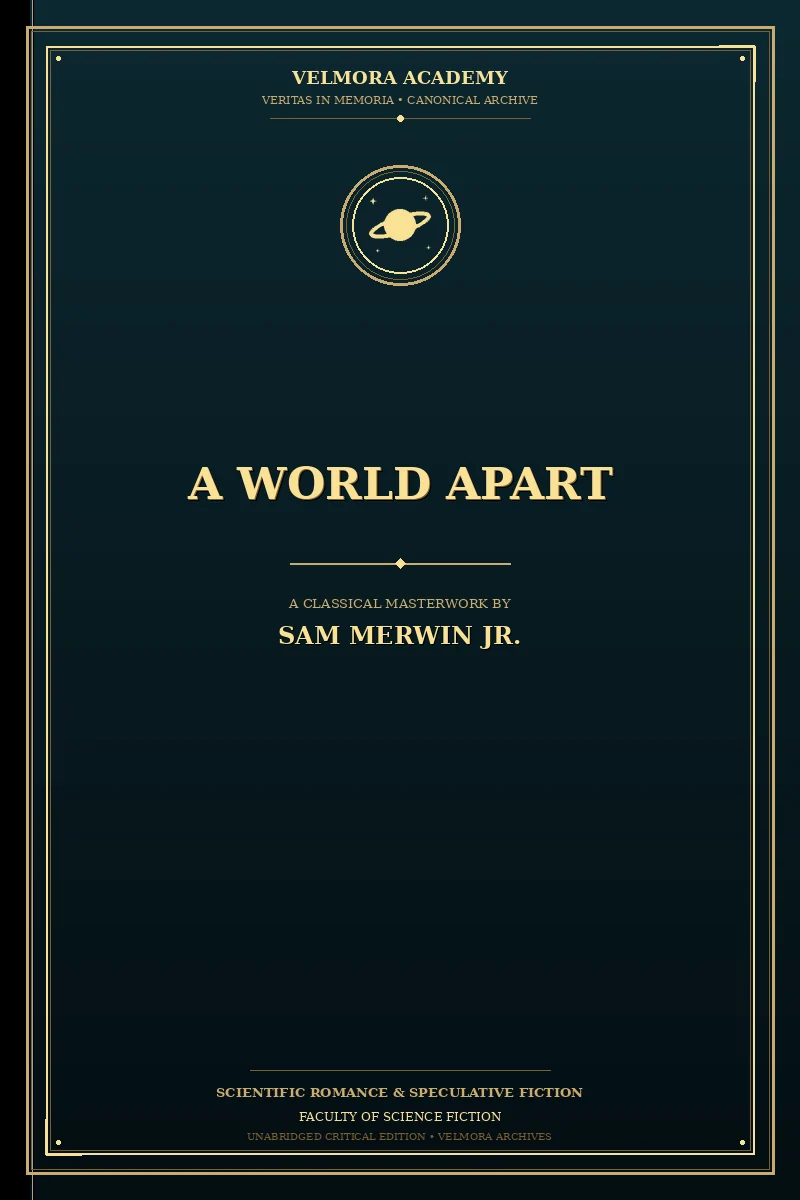
From this reading Sam Merwin, Jr._ Most men of middle age would welcome a chance to live their lives a second time.
prior to a specified or implied time
From this reading Yet there is always the possibility that somewhere, somehow, somewhen, it has already been put to use.
at all times; all the time and on every occasion
From this reading Yet there is always the possibility that somewhere, somehow, somewhen, it has already been put to use.
used to join words or parts of a sentence that go together
From this reading A possibility which Sammy Merwin here considers in highly intriguing and human terms.
at the same time that; because; in the way that
From this reading _For obvious reasons, since time-travel has yet to be invented as far as we know, science fiction authors usually attribute it to the future.
attributenounUS /ˈætrəbjuːt/
a construct whereby objects or individuals can be distinguished
From this reading _For obvious reasons, since time-travel has yet to be invented as far as we know, science fiction authors usually attribute it to the future.
authorsnounUS /ˈɔːθərz/
plural of “author” — writes (books or stories or articles or the like) professionally (for pay)
From this reading _For obvious reasons, since time-travel has yet to be invented as far as we know, science fiction authors usually attribute it to the future.
in or to or toward a former location
From this reading Let's go back with Coulter...._ _by ...
used with a past participle to form the passive, or with -ing for continuous tenses
From this reading _For obvious reasons, since time-travel has yet to be invented as far as we know, science fiction authors usually attribute it to the future.
beenauxiliary verbUS /bɪn/
the past participle of “be”
From this reading Yet there is always the possibility that somewhere, somehow, somewhen, it has already been put to use.
showing who or what does the action
From this reading Let's go back with Coulter...._ _by ...
a possibility due to a favorable combination of circumstances
From this reading Sam Merwin, Jr._ Most men of middle age would welcome a chance to live their lives a second time.
considersverbUS /kənˈsɪdərz/
third-person singular of “consider” — deem to be
From this reading A possibility which Sammy Merwin here considers in highly intriguing and human terms.
CoulternounUS /ˈkoʊltər/
a sharp steel wedge that precedes the plow and cuts vertically through the soil
From this reading Let's go back with Coulter...._ _by ...
to a considerable degree; very much
From this reading _For obvious reasons, since time-travel has yet to be invented as far as we know, science fiction authors usually attribute it to the future.
fictionnounUS /ˈfɪkʃən/
a literary work based on the imagination and not necessarily on fact
From this reading _For obvious reasons, since time-travel has yet to be invented as far as we know, science fiction authors usually attribute it to the future.
intended to be given to, or used by, somebody
From this reading _For obvious reasons, since time-travel has yet to be invented as far as we know, science fiction authors usually attribute it to the future.
yet to be or coming
From this reading _For obvious reasons, since time-travel has yet to be invented as far as we know, science fiction authors usually attribute it to the future.
change location; move, travel, or proceed, also metaphorically
From this reading Let's go back with Coulter...._ _by ...
hasauxiliary verbUS /hæz/
the form of “have” used with he, she, it, or a singular noun
From this reading _For obvious reasons, since time-travel has yet to be invented as far as we know, science fiction authors usually attribute it to the future.
in or at this place; where the speaker or writer is
From this reading A possibility which Sammy Merwin here considers in highly intriguing and human terms.
to a high degree or extent; favorably or with much respect
From this reading A possibility which Sammy Merwin here considers in highly intriguing and human terms.
humanadjectiveUS /ˈhjuːmən/
characteristic of humanity
From this reading A possibility which Sammy Merwin here considers in highly intriguing and human terms.
inside something, or within a place, period, or state
From this reading A possibility which Sammy Merwin here considers in highly intriguing and human terms.
intriguingadjectiveUS /ˌɪnˈtriːɡɪŋ/
disturbingly provocative
From this reading A possibility which Sammy Merwin here considers in highly intriguing and human terms.
inventedverbUS /ˌɪnˈventəd/
past form of “invent” — come up with (an idea, plan, explanation, theory, or principle) after a mental effort
From this reading _For obvious reasons, since time-travel has yet to be invented as far as we know, science fiction authors usually attribute it to the future.
the form of “be” used with he, she, it, or a singular noun
From this reading Yet there is always the possibility that somewhere, somehow, somewhen, it has already been put to use.
a thing, animal, or idea already mentioned
From this reading _For obvious reasons, since time-travel has yet to be invented as far as we know, science fiction authors usually attribute it to the future.
JrnounUS /ˈdʒuːnjər/
a son who has the same first name as his father
From this reading Sam Merwin, Jr._ Most men of middle age would welcome a chance to live their lives a second time.
be cognizant or aware of a fact or a specific piece of information; possess knowledge or information about
From this reading _For obvious reasons, since time-travel has yet to be invented as far as we know, science fiction authors usually attribute it to the future.
Let's
Dictionary entry pending editorial verification. Tap Listen to hear the word.
From this reading Let's go back with Coulter...._ _by ...
be an inhabitant of or reside in
From this reading Sam Merwin, Jr._ Most men of middle age would welcome a chance to live their lives a second time.
plural of “life” — a characteristic state or mode of living
From this reading Sam Merwin, Jr._ Most men of middle age would welcome a chance to live their lives a second time.
the force of workers available
From this reading Sam Merwin, Jr._ Most men of middle age would welcome a chance to live their lives a second time.
Merwin
Dictionary entry pending editorial verification. Tap Listen to hear the word.
From this reading A possibility which Sammy Merwin here considers in highly intriguing and human terms.
an area that is approximately central within some larger region
From this reading Sam Merwin, Jr._ Most men of middle age would welcome a chance to live their lives a second time.
used to form the superlative
From this reading Sam Merwin, Jr._ Most men of middle age would welcome a chance to live their lives a second time.
obviousadjectiveUS /ˈɑːbviəs/
easily perceived by the senses or grasped by the mind
From this reading _For obvious reasons, since time-travel has yet to be invented as far as we know, science fiction authors usually attribute it to the future.
belonging to, or connected with, somebody or something
From this reading Sam Merwin, Jr._ Most men of middle age would welcome a chance to live their lives a second time.
a future prospect or potential
From this reading Yet there is always the possibility that somewhere, somehow, somewhen, it has already been put to use.
put into a certain place or abstract location
From this reading Yet there is always the possibility that somewhere, somehow, somewhen, it has already been put to use.
plural of “reason” — a rational motive for a belief or action
From this reading _For obvious reasons, since time-travel has yet to be invented as far as we know, science fiction authors usually attribute it to the future.
a guided missile fired from land or shipboard against an airborne target
From this reading Sam Merwin, Jr._ Most men of middle age would welcome a chance to live their lives a second time.
Sammy
Dictionary entry pending editorial verification. Tap Listen to hear the word.
From this reading A possibility which Sammy Merwin here considers in highly intriguing and human terms.
a particular branch of scientific knowledge
From this reading _For obvious reasons, since time-travel has yet to be invented as far as we know, science fiction authors usually attribute it to the future.
1/60 of a minute; the basic unit of time adopted under the Systeme International d'Unites
From this reading Sam Merwin, Jr._ Most men of middle age would welcome a chance to live their lives a second time.
sinceprepositionUS /sɪns/
from a time in the past until now
From this reading _For obvious reasons, since time-travel has yet to be invented as far as we know, science fiction authors usually attribute it to the future.
in some unspecified way or manner; or by some unspecified means
From this reading Yet there is always the possibility that somewhere, somehow, somewhen, it has already been put to use.
somewhen
Dictionary entry pending editorial verification. Tap Listen to hear the word.
From this reading Yet there is always the possibility that somewhere, somehow, somewhen, it has already been put to use.
in or at or to some place
From this reading Yet there is always the possibility that somewhere, somehow, somewhen, it has already been put to use.
status with respect to the relations between people or groups
From this reading A possibility which Sammy Merwin here considers in highly intriguing and human terms.
used to introduce what somebody said, thought, or felt
From this reading Yet there is always the possibility that somewhere, somehow, somewhen, it has already been put to use.
used before a noun that is already known, already mentioned, or the only one of its kind
From this reading _For obvious reasons, since time-travel has yet to be invented as far as we know, science fiction authors usually attribute it to the future.
belonging to the people or things already mentioned
From this reading Sam Merwin, Jr._ Most men of middle age would welcome a chance to live their lives a second time.
in or at that place or location
From this reading Yet there is always the possibility that somewhere, somehow, somewhen, it has already been put to use.
an instance or single occasion for some event
From this reading Sam Merwin, Jr._ Most men of middle age would welcome a chance to live their lives a second time.
time-travel
Dictionary entry pending editorial verification. Tap Listen to hear the word.
From this reading _For obvious reasons, since time-travel has yet to be invented as far as we know, science fiction authors usually attribute it to the future.
used before the base form of a verb to make the infinitive
From this reading _For obvious reasons, since time-travel has yet to be invented as far as we know, science fiction authors usually attribute it to the future.
the act of using
From this reading Yet there is always the possibility that somewhere, somehow, somewhen, it has already been put to use.
under normal conditions
From this reading _For obvious reasons, since time-travel has yet to be invented as far as we know, science fiction authors usually attribute it to the future.
the speaker together with one or more other people
From this reading _For obvious reasons, since time-travel has yet to be invented as far as we know, science fiction authors usually attribute it to the future.
accept gladly
From this reading Sam Merwin, Jr._ Most men of middle age would welcome a chance to live their lives a second time.
used to introduce a clause giving more about a thing just mentioned
From this reading A possibility which Sammy Merwin here considers in highly intriguing and human terms.
in the company of; together with
From this reading Let's go back with Coulter...._ _by ...
used for something imagined, polite, or habitual in the past
From this reading Sam Merwin, Jr._ Most men of middle age would welcome a chance to live their lives a second time.
but in spite of that
From this reading _For obvious reasons, since time-travel has yet to be invented as far as we know, science fiction authors usually attribute it to the future.