Every word is available to listen to. Dictionary details are shown only when verified; these are not licensed Oxford entries.
AdeterminerUS /ə/
used before a singular noun to mean one of a group, when it is not a particular one
From this reading A heavy drowsiness presently fell upon the two comrades.
aboutprepositionUS /əˈbaʊt/
on the subject of; concerning
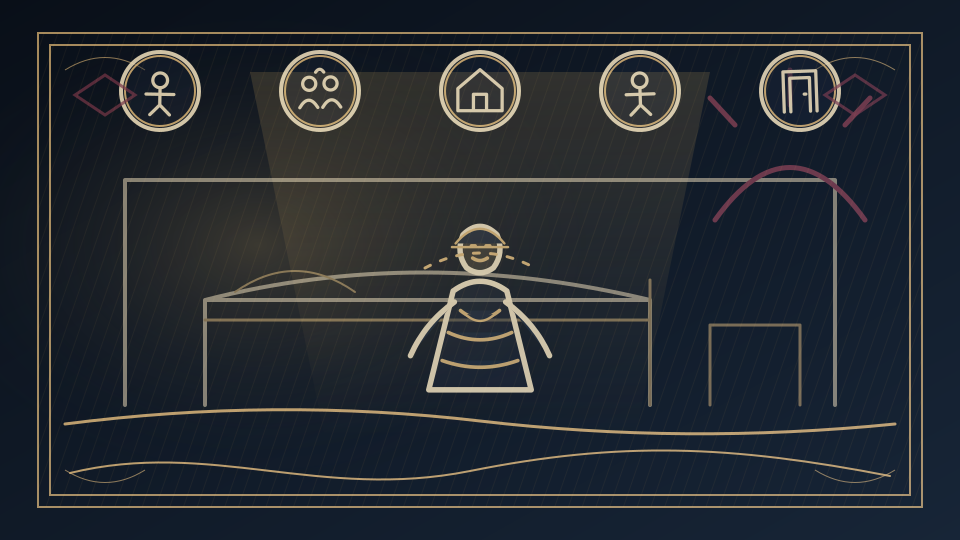
From this reading Hendon disapparelled the boy without dissent or remark, tucked him up in bed, then glanced about the room, saying to himself, ruefully, “He hath taken my bed again, as before--marry, what shall _I_ do?”
againnounUS /again/
an important story-specific word used in this passage
From this reading Hendon disapparelled the boy without dissent or remark, tucked him up in bed, then glanced about the room, saying to himself, ruefully, “He hath taken my bed again, as before--marry, what shall _I_ do?”
andconjunctionUS /ənd/
used to join words or parts of a sentence that go together
From this reading The little King observed his perplexity, and dissipated it with a word.
asconjunctionUS /æz/
at the same time that; because; in the way that
From this reading Hendon disapparelled the boy without dissent or remark, tucked him up in bed, then glanced about the room, saying to himself, ruefully, “He hath taken my bed again, as before--marry, what shall _I_ do?”
athwartnounUS /ˈathwart/
a story-specific word describing an important person, object, action, or idea in this passage
From this reading He said, sleepily-- “Thou wilt sleep athwart the door, and guard it.”
bed
Dictionary entry pending editorial verification. Tap Listen to hear the word.
From this reading Hendon disapparelled the boy without dissent or remark, tucked him up in bed, then glanced about the room, saying to himself, ruefully, “He hath taken my bed again, as before--marry, what shall _I_ do?”
beforeprepositionUS /bɪˈfɔːr/
earlier than; in front of
From this reading Hendon disapparelled the boy without dissent or remark, tucked him up in bed, then glanced about the room, saying to himself, ruefully, “He hath taken my bed again, as before--marry, what shall _I_ do?”
boy
Dictionary entry pending editorial verification. Tap Listen to hear the word.
From this reading Hendon disapparelled the boy without dissent or remark, tucked him up in bed, then glanced about the room, saying to himself, ruefully, “He hath taken my bed again, as before--marry, what shall _I_ do?”
clothing
Dictionary entry pending editorial verification. Tap Listen to hear the word.
From this reading The King said-- “Remove these rags.”--meaning his clothing.
comradesnounUS /ˈkɑːmrædz/
people who share difficult work or danger, especially soldiers
From this reading A heavy drowsiness presently fell upon the two comrades.
disapparelled
Dictionary entry pending editorial verification. Tap Listen to hear the word.
From this reading Hendon disapparelled the boy without dissent or remark, tucked him up in bed, then glanced about the room, saying to himself, ruefully, “He hath taken my bed again, as before--marry, what shall _I_ do?”
dissent
Dictionary entry pending editorial verification. Tap Listen to hear the word.
From this reading Hendon disapparelled the boy without dissent or remark, tucked him up in bed, then glanced about the room, saying to himself, ruefully, “He hath taken my bed again, as before--marry, what shall _I_ do?”
dissipated
Dictionary entry pending editorial verification. Tap Listen to hear the word.
From this reading The little King observed his perplexity, and dissipated it with a word.
doauxiliary verbUS /duː/
used to form questions and negatives, and to give emphasis
From this reading Hendon disapparelled the boy without dissent or remark, tucked him up in bed, then glanced about the room, saying to himself, ruefully, “He hath taken my bed again, as before--marry, what shall _I_ do?”
door
Dictionary entry pending editorial verification. Tap Listen to hear the word.
From this reading He said, sleepily-- “Thou wilt sleep athwart the door, and guard it.”
drowsiness
Dictionary entry pending editorial verification. Tap Listen to hear the word.
From this reading A heavy drowsiness presently fell upon the two comrades.
fell
Dictionary entry pending editorial verification. Tap Listen to hear the word.
From this reading A heavy drowsiness presently fell upon the two comrades.
glanced
Dictionary entry pending editorial verification. Tap Listen to hear the word.
From this reading Hendon disapparelled the boy without dissent or remark, tucked him up in bed, then glanced about the room, saying to himself, ruefully, “He hath taken my bed again, as before--marry, what shall _I_ do?”
guard
Dictionary entry pending editorial verification. Tap Listen to hear the word.
From this reading He said, sleepily-- “Thou wilt sleep athwart the door, and guard it.”
hathauxiliary verbUS /hæθ/
an old form of “has”
From this reading Hendon disapparelled the boy without dissent or remark, tucked him up in bed, then glanced about the room, saying to himself, ruefully, “He hath taken my bed again, as before--marry, what shall _I_ do?”
HepronounUS /hiː/
a man, boy, or male animal already mentioned, as the subject
From this reading Hendon disapparelled the boy without dissent or remark, tucked him up in bed, then glanced about the room, saying to himself, ruefully, “He hath taken my bed again, as before--marry, what shall _I_ do?”
heavyadjectiveUS /ˈhevi/
of comparatively great physical weight or density
From this reading A heavy drowsiness presently fell upon the two comrades.
Hendon
Dictionary entry pending editorial verification. Tap Listen to hear the word.
From this reading Hendon disapparelled the boy without dissent or remark, tucked him up in bed, then glanced about the room, saying to himself, ruefully, “He hath taken my bed again, as before--marry, what shall _I_ do?”
himpronounUS /hɪm/
the male already mentioned, as the object of a verb or preposition
From this reading Hendon disapparelled the boy without dissent or remark, tucked him up in bed, then glanced about the room, saying to himself, ruefully, “He hath taken my bed again, as before--marry, what shall _I_ do?”
himselfpronounUS /hɪmˈself/
used when the man or boy doing the action is also its object
From this reading Hendon disapparelled the boy without dissent or remark, tucked him up in bed, then glanced about the room, saying to himself, ruefully, “He hath taken my bed again, as before--marry, what shall _I_ do?”
hisdeterminerUS /hɪz/
belonging to a man, boy, or male animal already mentioned
From this reading The King said-- “Remove these rags.”--meaning his clothing.
IpronounUS /aɪ/
the person speaking or writing, as the subject of the verb
From this reading Hendon disapparelled the boy without dissent or remark, tucked him up in bed, then glanced about the room, saying to himself, ruefully, “He hath taken my bed again, as before--marry, what shall _I_ do?”
inprepositionUS /ɪn/
inside something, or within a place, period, or state
From this reading Hendon disapparelled the boy without dissent or remark, tucked him up in bed, then glanced about the room, saying to himself, ruefully, “He hath taken my bed again, as before--marry, what shall _I_ do?”
itpronounUS /ɪt/
a thing, animal, or idea already mentioned
From this reading The little King observed his perplexity, and dissipated it with a word.
King
Dictionary entry pending editorial verification. Tap Listen to hear the word.
From this reading The King said-- “Remove these rags.”--meaning his clothing.
littlenounUS /little/
an important story-specific word used in this passage
From this reading The little King observed his perplexity, and dissipated it with a word.
marry
Dictionary entry pending editorial verification. Tap Listen to hear the word.
From this reading Hendon disapparelled the boy without dissent or remark, tucked him up in bed, then glanced about the room, saying to himself, ruefully, “He hath taken my bed again, as before--marry, what shall _I_ do?”
meaning
Dictionary entry pending editorial verification. Tap Listen to hear the word.
From this reading The King said-- “Remove these rags.”--meaning his clothing.
mydeterminerUS /maɪ/
belonging to the person speaking
From this reading Hendon disapparelled the boy without dissent or remark, tucked him up in bed, then glanced about the room, saying to himself, ruefully, “He hath taken my bed again, as before--marry, what shall _I_ do?”
observed
Dictionary entry pending editorial verification. Tap Listen to hear the word.
From this reading The little King observed his perplexity, and dissipated it with a word.
orconjunctionUS /ɔːr/
used to join alternatives or possibilities
From this reading Hendon disapparelled the boy without dissent or remark, tucked him up in bed, then glanced about the room, saying to himself, ruefully, “He hath taken my bed again, as before--marry, what shall _I_ do?”
perplexity
Dictionary entry pending editorial verification. Tap Listen to hear the word.
From this reading The little King observed his perplexity, and dissipated it with a word.
presently
Dictionary entry pending editorial verification. Tap Listen to hear the word.
From this reading A heavy drowsiness presently fell upon the two comrades.
rags
Dictionary entry pending editorial verification. Tap Listen to hear the word.
From this reading The King said-- “Remove these rags.”--meaning his clothing.
remark
Dictionary entry pending editorial verification. Tap Listen to hear the word.
From this reading Hendon disapparelled the boy without dissent or remark, tucked him up in bed, then glanced about the room, saying to himself, ruefully, “He hath taken my bed again, as before--marry, what shall _I_ do?”
Remove
Dictionary entry pending editorial verification. Tap Listen to hear the word.
From this reading The King said-- “Remove these rags.”--meaning his clothing.
room
Dictionary entry pending editorial verification. Tap Listen to hear the word.
From this reading Hendon disapparelled the boy without dissent or remark, tucked him up in bed, then glanced about the room, saying to himself, ruefully, “He hath taken my bed again, as before--marry, what shall _I_ do?”
ruefully
Dictionary entry pending editorial verification. Tap Listen to hear the word.
From this reading Hendon disapparelled the boy without dissent or remark, tucked him up in bed, then glanced about the room, saying to himself, ruefully, “He hath taken my bed again, as before--marry, what shall _I_ do?”
said
Dictionary entry pending editorial verification. Tap Listen to hear the word.
From this reading The King said-- “Remove these rags.”--meaning his clothing.
saying
Dictionary entry pending editorial verification. Tap Listen to hear the word.
From this reading Hendon disapparelled the boy without dissent or remark, tucked him up in bed, then glanced about the room, saying to himself, ruefully, “He hath taken my bed again, as before--marry, what shall _I_ do?”
shallmodal verbUS /ʃæl/
used with I and we for the future, or to offer and suggest
From this reading Hendon disapparelled the boy without dissent or remark, tucked him up in bed, then glanced about the room, saying to himself, ruefully, “He hath taken my bed again, as before--marry, what shall _I_ do?”
sleep
Dictionary entry pending editorial verification. Tap Listen to hear the word.
From this reading He said, sleepily-- “Thou wilt sleep athwart the door, and guard it.”
sleepily
Dictionary entry pending editorial verification. Tap Listen to hear the word.
From this reading He said, sleepily-- “Thou wilt sleep athwart the door, and guard it.”
taken
Dictionary entry pending editorial verification. Tap Listen to hear the word.
From this reading Hendon disapparelled the boy without dissent or remark, tucked him up in bed, then glanced about the room, saying to himself, ruefully, “He hath taken my bed again, as before--marry, what shall _I_ do?”
thedeterminerUS /ðə/
used before a noun that is already known, already mentioned, or the only one of its kind
From this reading A heavy drowsiness presently fell upon the two comrades.
then
Dictionary entry pending editorial verification. Tap Listen to hear the word.
From this reading Hendon disapparelled the boy without dissent or remark, tucked him up in bed, then glanced about the room, saying to himself, ruefully, “He hath taken my bed again, as before--marry, what shall _I_ do?”
thesedeterminerUS /ðiːz/
the plural of “this”: the people or things near, or just mentioned
From this reading The King said-- “Remove these rags.”--meaning his clothing.
ThoupronounUS /ðaʊ/
an old word for “you”, as the subject, speaking to one person
From this reading He said, sleepily-- “Thou wilt sleep athwart the door, and guard it.”
toparticleUS /tuː/
used before the base form of a verb to make the infinitive
From this reading Hendon disapparelled the boy without dissent or remark, tucked him up in bed, then glanced about the room, saying to himself, ruefully, “He hath taken my bed again, as before--marry, what shall _I_ do?”
tucked
Dictionary entry pending editorial verification. Tap Listen to hear the word.
From this reading Hendon disapparelled the boy without dissent or remark, tucked him up in bed, then glanced about the room, saying to himself, ruefully, “He hath taken my bed again, as before--marry, what shall _I_ do?”
two
Dictionary entry pending editorial verification. Tap Listen to hear the word.
From this reading A heavy drowsiness presently fell upon the two comrades.
up
Dictionary entry pending editorial verification. Tap Listen to hear the word.
From this reading Hendon disapparelled the boy without dissent or remark, tucked him up in bed, then glanced about the room, saying to himself, ruefully, “He hath taken my bed again, as before--marry, what shall _I_ do?”
uponprepositionUS /əˈpɑːn/
a formal word for “on”
From this reading A heavy drowsiness presently fell upon the two comrades.
whatpronounUS /wʌt/
used to ask for information about something
From this reading Hendon disapparelled the boy without dissent or remark, tucked him up in bed, then glanced about the room, saying to himself, ruefully, “He hath taken my bed again, as before--marry, what shall _I_ do?”
wiltmodal verbUS /wɪlt/
an old form of “will”, used with “thou”
From this reading He said, sleepily-- “Thou wilt sleep athwart the door, and guard it.”
withprepositionUS /wɪð/
in the company of; together with
From this reading The little King observed his perplexity, and dissipated it with a word.
withoutprepositionUS /wɪˈθaʊt/
not having, not using, or not accompanied by
From this reading Hendon disapparelled the boy without dissent or remark, tucked him up in bed, then glanced about the room, saying to himself, ruefully, “He hath taken my bed again, as before--marry, what shall _I_ do?”
word
Dictionary entry pending editorial verification. Tap Listen to hear the word.
From this reading The little King observed his perplexity, and dissipated it with a word.