Complete classic literature • Five-line readings • Clear US narration
VELMORA ACADEMY
Academy of Archival Languages & Memory Studies
Menu Close
Badge of Infamy
Badge of Infamy

Chapter VII · Chapter 7

Chapter 7 of Badge of Infamy is here in full — 219 sentences across 44 reading sections, with audio for every sentence and word.

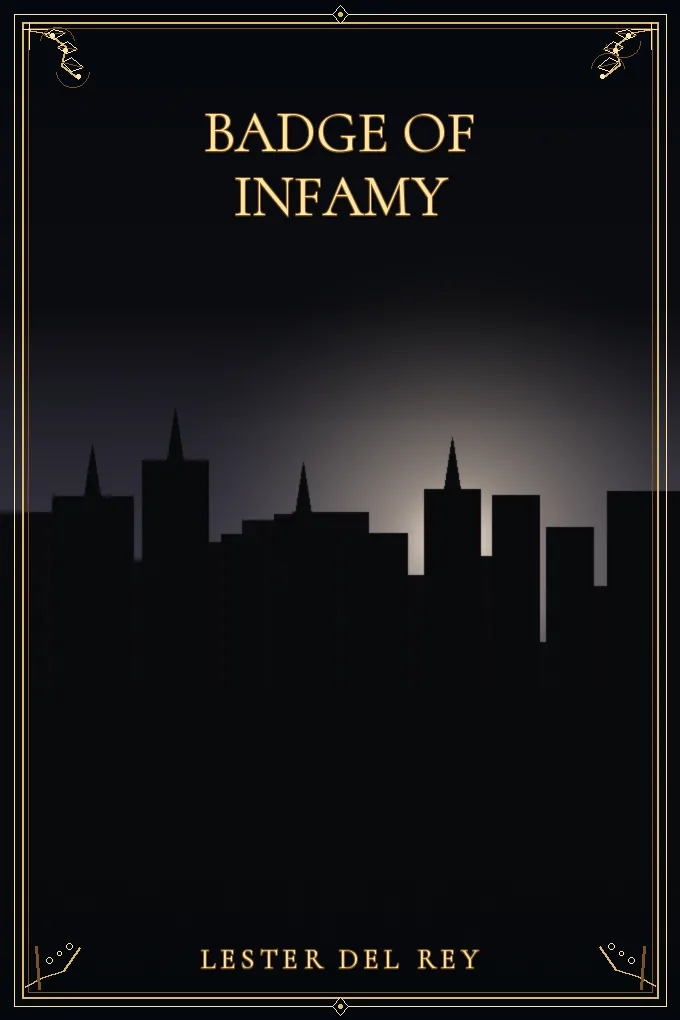
Cover illustration for Badge of Infamy
Context Illustration Reading 1/43 · 5 lines
English subtitles · tap any word to listen 1 / 5
"Why not?
It depends on whether they pick up the habit before or after the disease gets started.
Tom must have got his while he was in Northport.
They wouldn't let him smoke there--if he had the habit before, for that matter."
She found no fault with that.
0:00 / 0:00
Speed 0.75x
AI-generated narration by OpenAI · Slow US English
LEARNER DICTIONARY
Archivist
/ˈɑːrkɪvɪst/
Editorial verification pending

A keeper or guardian of historical records and memories.

Badge of Infamy

Chapter VII · Chapter 7

Chapter 7 of Badge of Infamy is here in full — 219 sentences across 44 reading sections, with audio for every sentence and word.

Reading 1/43 · 5 reading units · Lines 1–5

Line 1
"Why not?
/waɪ nɑːt/
Line 2
It depends on whether they pick up the habit before or after the disease gets started.
/ɪt dɪˈpendz ɑːn ˈweðər ðeɪ pɪk ʌp ðə ˈhæbət bɪˈfɔːr ɔːr ˈæftər ðə dɪˈziːz ɡets ˈstɑːrtɪd/
Line 3
Tom must have got his while he was in Northport.
Line 4
They wouldn't let him smoke there--if he had the habit before, for that matter."
Line 5
She found no fault with that.
/ʃiː faʊnd noʊ fɔːlt wɪð ðæt/

Learner Dictionary

These definitions explain words found in the current reading and keep every example grounded in its original sentence.

Oxford-style entry order: headword, part of speech, US IPA, concise definition, contextual example, and audio.

depends verb US /dɪˈpendz/

third-person singular of “depend” — be contingent upon (something that is elided)

From this reading “It depends on whether they pick up the habit before or after the disease gets started.”

disease noun US /dɪˈziːz/

an impairment of health or a condition of abnormal functioning

From this reading “It depends on whether they pick up the habit before or after the disease gets started.”

fault noun US /fɔːlt/

a wrong action attributable to bad judgment or ignorance or inattention

From this reading “She found no fault with that.”

gets noun US /ɡets/

plural of “get” — a return on a shot that seemed impossible to reach and would normally have resulted in a point for the opponent

From this reading “It depends on whether they pick up the habit before or after the disease gets started.”

habit noun US /ˈhæbət/

an established custom

From this reading “It depends on whether they pick up the habit before or after the disease gets started.”

pick verb US /pɪk/

select carefully from a group

From this reading “It depends on whether they pick up the habit before or after the disease gets started.”

smoke noun US /smoʊk/

a cloud of fine particles suspended in a gas

From this reading “They wouldn't let him smoke there--if he had the habit before, for that matter."”

started verb US /ˈstɑːrtɪd/

past form of “start” — take the first step or steps in carrying out an action

From this reading “It depends on whether they pick up the habit before or after the disease gets started.”

All words in this reading · 42

Every word in these five lines is listed here, and every one of them can be played on its own.

Dictionary details are shown only when verified; these are not licensed Oxford entries.

afterprepositionUS /ˈæftər/

later than; following

From this reading It depends on whether they pick up the habit before or after the disease gets started.

beforeprepositionUS /bɪˈfɔːr/

earlier than; in front of

From this reading It depends on whether they pick up the habit before or after the disease gets started.

dependsverbUS /dɪˈpendz/

third-person singular of “depend” — be contingent upon (something that is elided)

From this reading It depends on whether they pick up the habit before or after the disease gets started.

diseasenounUS /dɪˈziːz/

an impairment of health or a condition of abnormal functioning

From this reading It depends on whether they pick up the habit before or after the disease gets started.

faultnounUS /fɔːlt/

a wrong action attributable to bad judgment or ignorance or inattention

From this reading She found no fault with that.

forprepositionUS /fɔːr/

intended to be given to, or used by, somebody

From this reading They wouldn't let him smoke there--if he had the habit before, for that matter."

foundverbUS /faʊnd/

set up or found

From this reading She found no fault with that.

getsnounUS /ɡets/

plural of “get” — a return on a shot that seemed impossible to reach and would normally have resulted in a point for the opponent

From this reading It depends on whether they pick up the habit before or after the disease gets started.

gotverbUS /ɡɑːt/

inflected form of “get” — come into the possession of something concrete or abstract

From this reading Tom must have got his while he was in Northport.

habitnounUS /ˈhæbət/

an established custom

From this reading It depends on whether they pick up the habit before or after the disease gets started.

hadauxiliary verbUS /hæd/

the past form of “have”, used to form the past perfect

From this reading They wouldn't let him smoke there--if he had the habit before, for that matter."

haveauxiliary verbUS /hæv/

used with a past participle to form the perfect tenses

From this reading Tom must have got his while he was in Northport.

hepronounUS /hiː/

a man, boy, or male animal already mentioned, as the subject

From this reading Tom must have got his while he was in Northport.

himpronounUS /hɪm/

the male already mentioned, as the object of a verb or preposition

From this reading They wouldn't let him smoke there--if he had the habit before, for that matter."

hisdeterminerUS /hɪz/

belonging to a man, boy, or male animal already mentioned

From this reading Tom must have got his while he was in Northport.

ifconjunctionUS /ɪf/

on condition that; in the event that

From this reading They wouldn't let him smoke there--if he had the habit before, for that matter."

inprepositionUS /ɪn/

inside something, or within a place, period, or state

From this reading Tom must have got his while he was in Northport.

ItpronounUS /ɪt/

a thing, animal, or idea already mentioned

From this reading It depends on whether they pick up the habit before or after the disease gets started.

letauxiliary verbUS /let/

used to make a suggestion or a command including the speaker

From this reading They wouldn't let him smoke there--if he had the habit before, for that matter."

matternounUS /ˈmætər/

a vaguely specified concern

From this reading They wouldn't let him smoke there--if he had the habit before, for that matter."

mustmodal verbUS /mʌst/

used to say something is necessary, or almost certainly true

From this reading Tom must have got his while he was in Northport.

nodeterminerUS /noʊ/

not any; not one

From this reading She found no fault with that.

Northport

Dictionary entry pending editorial verification. Tap Listen to hear the word.

From this reading Tom must have got his while he was in Northport.

notadverbUS /nɑːt/

used to make a word, phrase, or sentence negative

From this reading "Why not?

onprepositionUS /ɑːn/

touching and supported by a surface

From this reading It depends on whether they pick up the habit before or after the disease gets started.

orconjunctionUS /ɔːr/

used to join alternatives or possibilities

From this reading It depends on whether they pick up the habit before or after the disease gets started.

pickverbUS /pɪk/

select carefully from a group

From this reading It depends on whether they pick up the habit before or after the disease gets started.

ShepronounUS /ʃiː/

a woman, girl, or female animal already mentioned, as the subject

From this reading She found no fault with that.

smokenounUS /smoʊk/

a cloud of fine particles suspended in a gas

From this reading They wouldn't let him smoke there--if he had the habit before, for that matter."

startedverbUS /ˈstɑːrtɪd/

past form of “start” — take the first step or steps in carrying out an action

From this reading It depends on whether they pick up the habit before or after the disease gets started.

thatconjunctionUS /ðæt/

used to introduce what somebody said, thought, or felt

From this reading They wouldn't let him smoke there--if he had the habit before, for that matter."

thedeterminerUS /ðə/

used before a noun that is already known, already mentioned, or the only one of its kind

From this reading It depends on whether they pick up the habit before or after the disease gets started.

thereadverbUS /ðer/

in or at that place or location

From this reading They wouldn't let him smoke there--if he had the habit before, for that matter."

theypronounUS /ðeɪ/

the people, animals, or things already mentioned, as the subject

From this reading It depends on whether they pick up the habit before or after the disease gets started.

TomnounUS /tɑːm/

male cat

From this reading Tom must have got his while he was in Northport.

upadjectiveUS /ʌp/

being or moving higher in position or greater in some value; being above a former position or level

From this reading It depends on whether they pick up the habit before or after the disease gets started.

wasauxiliary verbUS /wɑːz/

the past form of “be” used with I, he, she, it, or a singular noun

From this reading Tom must have got his while he was in Northport.

whetherconjunctionUS /ˈweðər/

used to introduce two or more possibilities

From this reading It depends on whether they pick up the habit before or after the disease gets started.

whileconjunctionUS /waɪl/

during the time that

From this reading Tom must have got his while he was in Northport.

WhynounUS /waɪ/

the cause or intention underlying an action or situation, especially in the phrase “the whys and wherefores”

From this reading "Why not?

withprepositionUS /wɪð/

in the company of; together with

From this reading She found no fault with that.

wouldn't

Dictionary entry pending editorial verification. Tap Listen to hear the word.

From this reading They wouldn't let him smoke there--if he had the habit before, for that matter."

Chapter 7 of Badge of Infamy by Lester Del Rey holds 219 sentences, grouped into 44 reading sections of at most 5 sentences. The text is the source edition, unabridged, and the chapter records which sentences cover which part of the work so that nothing is dropped. Every word can be tapped for its pronunciation and dictionary entry.

What does chapter 7 of Badge of Infamy contain?

Chapter 7 holds 219 sentences of Badge of Infamy, unabridged, divided into 44 reading sections.

This page carries chapter 7 of Badge of Infamy by Lester Del Rey exactly as it stands in the source edition, without abridgement. It runs to 219 sentences, grouped into 44 sections of at most 5 sentences so that a reader can take the chapter in steady, finishable pieces. The chapter also stores a coverage record mapping every one of its sentences to a part of the work, which is how the edition demonstrates that no line was dropped.

How do I study chapter 7 of Badge of Infamy?

Work through the 44 sections in order, replaying any sentence and tapping unfamiliar words for their entries.

Each of the 44 sections in this chapter is short enough to read once, hear once, and then re-read with the vocabulary in view. Tapping a word plays it alone and opens its dictionary entry with IPA, part of speech and meaning, so the reader is never forced to guess a pronunciation from spelling. Working section by section keeps a long chapter from becoming an undifferentiated wall of text, which is the usual reason a reader abandons a work of this period.

Can chapter 7 be read aloud to me?

Yes — every sentence and every individual word in chapter 7 can be played aloud in United States English.

Audio covers the whole chapter: any sentence can be played, and any single word within it can be played on its own. The voice uses United States English. For a work of this period that matters, because spelling is an unreliable guide to pronunciation for vocabulary that has fallen out of daily use, and a learner who guesses wrong tends to keep the error. Hearing the word in its own sentence, and then alone, settles it.

Questions about reading Badge of Infamy

Common questions about reading Badge of Infamy by Lester Del Rey on this page, its source edition and its audio.

Is this the complete text of Badge of Infamy?

Yes. All 2859 sentences of Project Gutenberg eBook #19471 are kept, with a record of which sentences cover which part.

Which edition of Badge of Infamy is used?

Project Gutenberg eBook #19471, unabridged. The Project Gutenberg header, footer and licence are removed.

How long does Badge of Infamy take to read?

About 238 minutes of reading across 572 sections of 5 sentences each, at an unhurried pace.

How to read Badge of Infamy section by section

How to work through Badge of Infamy section by section, using the audio and the tap-to-define vocabulary.

  1. Open a chapter

    Choose one of the 7 chapters of Badge of Infamy to begin.

  2. Read one section

    Each section holds 5 sentences; read it once through.

  3. Listen and tap

    Play the section aloud, then tap any unfamiliar word for its entry.

Vocabulary met early in Badge of Infamy

Words and structures a reader meets early in Badge of Infamy, each tappable for pronunciation and meaning.

Etext
A word that appears in the opening chapter of Badge of Infamy; the reader can tap it to hear it and see its dictionary entry.
Produced
A word that appears in the opening chapter of Badge of Infamy; the reader can tap it to hear it and see its dictionary entry.
Books
A word that appears in the opening chapter of Badge of Infamy; the reader can tap it to hear it and see its dictionary entry.
Paperback
A word that appears in the opening chapter of Badge of Infamy; the reader can tap it to hear it and see its dictionary entry.