Complete classic literature • Five-line readings • Clear US narration
VELMORA ACADEMY
Academy of Archival Languages & Memory Studies
Menu Close
Black Diamonds: A Novel

Chapter XXXIX · Chapter 39

Chapter 39 of Black Diamonds: A Novel is here in full — 115 sentences across 23 reading sections, with audio for every sentence and word.

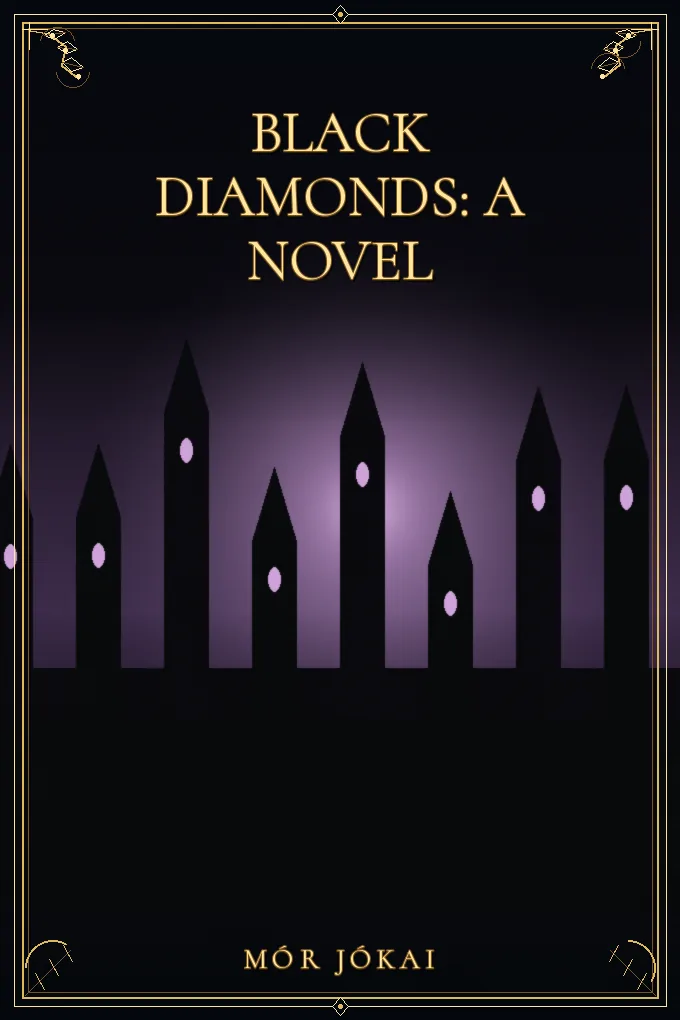
Cover illustration for Black Diamonds: A Novel
Context Illustration Reading 1/23 · 5 lines
English subtitles · tap any word to listen 1 / 5
EVILA It was the anniversary of the great pit fire.
Old Paul had gone to look for Ivan at his house in the principal colony, but Ivan had already started for the smaller colliery.
He saw Paul on the road, and, stopping his carriage, took the miner up.
"This day last year was a memorable day," said Paul.
"I recollect it well," returned Ivan; "but to-day we have to give the prize for virtue.
0:00 / 0:00
Speed 0.75x
AI-generated narration by OpenAI · Slow US English
LEARNER DICTIONARY
Archivist
/ˈɑːrkɪvɪst/
Editorial verification pending

A keeper or guardian of historical records and memories.

Black Diamonds: A Novel

Chapter XXXIX · Chapter 39

Chapter 39 of Black Diamonds: A Novel is here in full — 115 sentences across 23 reading sections, with audio for every sentence and word.

Reading 1/23 · 5 reading units · Lines 1–5

Line 1
EVILA It was the anniversary of the great pit fire.
Line 2
Old Paul had gone to look for Ivan at his house in the principal colony, but Ivan had already started for the smaller colliery.
Line 3
He saw Paul on the road, and, stopping his carriage, took the miner up.
/hiː sɔː pɔːl ɑːn ðə roʊd ənd ˈstɑːpɪŋ hɪz ˈkærɪdʒ tʊk ðə ˈmaɪnər ʌp/
Line 4
"This day last year was a memorable day," said Paul.
/ðɪs deɪ læst jɪr wɑːz ə ˈmemərəbəl deɪ sed pɔːl/
Line 5
"I recollect it well," returned Ivan; "but to-day we have to give the prize for virtue.

Learner Dictionary

These definitions explain words found in the current reading and keep every example grounded in its original sentence.

Oxford-style entry order: headword, part of speech, US IPA, concise definition, contextual example, and audio.

anniversary noun US /ˌænəˈvɜːrsəri/

the date on which an event occurred in some previous year (or the celebration of it)

From this reading “EVILA It was the anniversary of the great pit fire.”

colony noun US /ˈkɑːləni/

a body of people who settle far from home but maintain ties with their homeland; inhabitants remain nationals of their home state but are not literally under the home state's system of government

From this reading “Old Paul had gone to look for Ivan at his house in the principal colony, but Ivan had already started for the smaller colliery.”

memorable adjective US /ˈmemərəbəl/

worth remembering

From this reading “"This day last year was a memorable day," said Paul.”

miner noun US /ˈmaɪnər/

laborer who works in a mine

From this reading “He saw Paul on the road, and, stopping his carriage, took the miner up.”

pit noun US /pɪt/

A large hole in the ground, or an abyss of darkness and peril.

From this reading “EVILA It was the anniversary of the great pit fire.”

prize noun US /praɪz/

something given for victory or superiority in a contest or competition or for winning a lottery

From this reading “"I recollect it well," returned Ivan; "but to-day we have to give the prize for virtue.”

recollect verb US /ˌrekəˈlekt/

recall knowledge from memory; have a recollection

From this reading “"I recollect it well," returned Ivan; "but to-day we have to give the prize for virtue.”

stopping noun US /ˈstɑːpɪŋ/

fastener consisting of a narrow strip of welded metal used to join steel members

From this reading “He saw Paul on the road, and, stopping his carriage, took the miner up.”

Word partnerships in these lines

English keeps certain words together, and knowing the pair is worth more than knowing each word alone. Every partnership below was counted across our whole published library, and earns its place by appearing far more often than two unrelated words of the same frequency would.

Shown as this reading writes them, with the form the library counts, what kind of pairing it is, and how often it occurs.

memorable day adjective + noun

In this reading “"This day last year was a memorable day," said Paul.”

last year adjective + noun

In this reading “"This day last year was a memorable day," said Paul.”

on the road preposition + article + noun counted as “on … road”

travelling about

In this reading “He saw Paul on the road, and, stopping his carriage, took the miner up.”

started for verb + particle counted as “start for”

In this reading “Old Paul had gone to look for Ivan at his house in the principal colony, but Ivan had already started for the smaller colliery.”

look for verb + particle

try to locate or discover, or try to establish the existence of

In this reading “Old Paul had gone to look for Ivan at his house in the principal colony, but Ivan had already started for the smaller colliery.”

All words in this reading · 55

Every word in these five lines is listed here, and every one of them can be played on its own.

Dictionary details are shown only when verified; these are not licensed Oxford entries.

adeterminerUS /ə/

used before a singular noun to mean one of a group, when it is not a particular one

From this reading "This day last year was a memorable day," said Paul.

alreadyadverbUS /ɔːlˈredi/

prior to a specified or implied time

From this reading Old Paul had gone to look for Ivan at his house in the principal colony, but Ivan had already started for the smaller colliery.

andconjunctionUS /ənd/

used to join words or parts of a sentence that go together

From this reading He saw Paul on the road, and, stopping his carriage, took the miner up.

anniversarynounUS /ˌænəˈvɜːrsəri/

the date on which an event occurred in some previous year (or the celebration of it)

From this reading EVILA It was the anniversary of the great pit fire.

atprepositionUS /æt/

in or near a particular place or position

From this reading Old Paul had gone to look for Ivan at his house in the principal colony, but Ivan had already started for the smaller colliery.

butconjunctionUS /bʌt/

used to introduce something that contrasts with what came before

From this reading Old Paul had gone to look for Ivan at his house in the principal colony, but Ivan had already started for the smaller colliery.

carriagenounUS /ˈkærɪdʒ/

a railcar where passengers ride

From this reading He saw Paul on the road, and, stopping his carriage, took the miner up.

collierynoun

a workplace consisting of a coal mine plus all the buildings and equipment connected with it

From this reading Old Paul had gone to look for Ivan at his house in the principal colony, but Ivan had already started for the smaller colliery.

colonynounUS /ˈkɑːləni/

a body of people who settle far from home but maintain ties with their homeland; inhabitants remain nationals of their home state but are not literally under the home state's system of government

From this reading Old Paul had gone to look for Ivan at his house in the principal colony, but Ivan had already started for the smaller colliery.

daynounUS /deɪ/

time for Earth to make a complete rotation on its axis

From this reading "This day last year was a memorable day," said Paul.

EVILA

Dictionary entry pending editorial verification. Tap Listen to hear the word.

From this reading EVILA It was the anniversary of the great pit fire.

fireverbUS /ˈfaɪər/

start firing a weapon

From this reading EVILA It was the anniversary of the great pit fire.

forprepositionUS /fɔːr/

intended to be given to, or used by, somebody

From this reading Old Paul had gone to look for Ivan at his house in the principal colony, but Ivan had already started for the smaller colliery.

giveverbUS /ɡɪv/

cause to have, in the abstract sense or physical sense

From this reading "I recollect it well," returned Ivan; "but to-day we have to give the prize for virtue.

goneadjectiveUS /ɡɔːn/

destroyed or killed

From this reading Old Paul had gone to look for Ivan at his house in the principal colony, but Ivan had already started for the smaller colliery.

greatadjectiveUS /ɡreɪt/

relatively large in size or number or extent; larger than others of its kind

From this reading EVILA It was the anniversary of the great pit fire.

hadauxiliary verbUS /hæd/

the past form of “have”, used to form the past perfect

From this reading Old Paul had gone to look for Ivan at his house in the principal colony, but Ivan had already started for the smaller colliery.

haveauxiliary verbUS /hæv/

used with a past participle to form the perfect tenses

From this reading "I recollect it well," returned Ivan; "but to-day we have to give the prize for virtue.

HepronounUS /hiː/

a man, boy, or male animal already mentioned, as the subject

From this reading He saw Paul on the road, and, stopping his carriage, took the miner up.

hisdeterminerUS /hɪz/

belonging to a man, boy, or male animal already mentioned

From this reading Old Paul had gone to look for Ivan at his house in the principal colony, but Ivan had already started for the smaller colliery.

housenounUS /haʊs/

a dwelling that serves as living quarters for one or more families

From this reading Old Paul had gone to look for Ivan at his house in the principal colony, but Ivan had already started for the smaller colliery.

IpronounUS /aɪ/

the person speaking or writing, as the subject of the verb

From this reading "I recollect it well," returned Ivan; "but to-day we have to give the prize for virtue.

inprepositionUS /ɪn/

inside something, or within a place, period, or state

From this reading Old Paul had gone to look for Ivan at his house in the principal colony, but Ivan had already started for the smaller colliery.

ItpronounUS /ɪt/

a thing, animal, or idea already mentioned

From this reading EVILA It was the anniversary of the great pit fire.

Ivan

Dictionary entry pending editorial verification. Tap Listen to hear the word.

From this reading Old Paul had gone to look for Ivan at his house in the principal colony, but Ivan had already started for the smaller colliery.

lastadjectiveUS /læst/

immediately past

From this reading "This day last year was a memorable day," said Paul.

lookverbUS /lʊk/

perceive with attention; direct one's gaze towards

From this reading Old Paul had gone to look for Ivan at his house in the principal colony, but Ivan had already started for the smaller colliery.

memorableadjectiveUS /ˈmemərəbəl/

worth remembering

From this reading "This day last year was a memorable day," said Paul.

minernounUS /ˈmaɪnər/

laborer who works in a mine

From this reading He saw Paul on the road, and, stopping his carriage, took the miner up.

ofprepositionUS /ʌv/

belonging to, or connected with, somebody or something

From this reading EVILA It was the anniversary of the great pit fire.

OldadjectiveUS /oʊld/

(used especially of persons) having lived for a relatively long time or attained a specific age

From this reading Old Paul had gone to look for Ivan at his house in the principal colony, but Ivan had already started for the smaller colliery.

onprepositionUS /ɑːn/

touching and supported by a surface

From this reading He saw Paul on the road, and, stopping his carriage, took the miner up.

PaulnounUS /pɔːl/

United States feminist (1885-1977)

From this reading Old Paul had gone to look for Ivan at his house in the principal colony, but Ivan had already started for the smaller colliery.

pitnounUS /pɪt/

A large hole in the ground, or an abyss of darkness and peril.

From this reading EVILA It was the anniversary of the great pit fire.

principalnounUS /ˈprɪnsəpəl/

the original amount of a debt on which interest is calculated

From this reading Old Paul had gone to look for Ivan at his house in the principal colony, but Ivan had already started for the smaller colliery.

prizenounUS /praɪz/

something given for victory or superiority in a contest or competition or for winning a lottery

From this reading "I recollect it well," returned Ivan; "but to-day we have to give the prize for virtue.

recollectverbUS /ˌrekəˈlekt/

recall knowledge from memory; have a recollection

From this reading "I recollect it well," returned Ivan; "but to-day we have to give the prize for virtue.

returnedverbUS /rɪˈtɜːrnd/

past form of “return” — go or come back to place, condition, or activity where one has been before

From this reading "I recollect it well," returned Ivan; "but to-day we have to give the prize for virtue.

roadnounUS /roʊd/

an open way (generally public) for travel or transportation

From this reading He saw Paul on the road, and, stopping his carriage, took the miner up.

saidadjectiveUS /sed/

being the one previously mentioned or spoken of

From this reading "This day last year was a memorable day," said Paul.

sawverbUS /sɔː/

cut with a saw

From this reading He saw Paul on the road, and, stopping his carriage, took the miner up.

smalleradjectiveUS /ˈsmɔːlər/

small or little relative to something else

From this reading Old Paul had gone to look for Ivan at his house in the principal colony, but Ivan had already started for the smaller colliery.

startedverbUS /ˈstɑːrtɪd/

past form of “start” — take the first step or steps in carrying out an action

From this reading Old Paul had gone to look for Ivan at his house in the principal colony, but Ivan had already started for the smaller colliery.

stoppingnounUS /ˈstɑːpɪŋ/

fastener consisting of a narrow strip of welded metal used to join steel members

From this reading He saw Paul on the road, and, stopping his carriage, took the miner up.

thedeterminerUS /ðə/

used before a noun that is already known, already mentioned, or the only one of its kind

From this reading EVILA It was the anniversary of the great pit fire.

ThisdeterminerUS /ðɪs/

used for a person or thing that is near, or that has just been mentioned

From this reading "This day last year was a memorable day," said Paul.

toparticleUS /tuː/

used before the base form of a verb to make the infinitive

From this reading Old Paul had gone to look for Ivan at his house in the principal colony, but Ivan had already started for the smaller colliery.

to-day

Dictionary entry pending editorial verification. Tap Listen to hear the word.

From this reading "I recollect it well," returned Ivan; "but to-day we have to give the prize for virtue.

tookverbUS /tʊk/

inflected form of “take” — carry out

From this reading He saw Paul on the road, and, stopping his carriage, took the miner up.

upadjectiveUS /ʌp/

being or moving higher in position or greater in some value; being above a former position or level

From this reading He saw Paul on the road, and, stopping his carriage, took the miner up.

virtuenounUS /ˈvɝː.tʃuː/

Moral excellence and goodness of character; the highest human attainment in Stoic philosophy.

From this reading "I recollect it well," returned Ivan; "but to-day we have to give the prize for virtue.

wasauxiliary verbUS /wɑːz/

the past form of “be” used with I, he, she, it, or a singular noun

From this reading EVILA It was the anniversary of the great pit fire.

wepronounUS /wiː/

the speaker together with one or more other people

From this reading "I recollect it well," returned Ivan; "but to-day we have to give the prize for virtue.

welladverbUS /wel/

(often used as a combining form) in a good or proper or satisfactory manner or to a high standard (“good” is a nonstandard dialectal variant for “well”)

From this reading "I recollect it well," returned Ivan; "but to-day we have to give the prize for virtue.

yearnounUS /jɪr/

a period of time containing 365 (or 366) days

From this reading "This day last year was a memorable day," said Paul.

Chapter 39 of Black Diamonds: A Novel by Mór Jókai holds 115 sentences, grouped into 23 reading sections of at most 5 sentences. The text is the source edition, unabridged, and the chapter records which sentences cover which part of the work so that nothing is dropped. Every word can be tapped for its pronunciation and dictionary entry.

What does chapter 39 of Black Diamonds: A Novel contain?

Chapter 39 holds 115 sentences of Black Diamonds: A Novel, unabridged, divided into 23 reading sections.

This page carries chapter 39 of Black Diamonds: A Novel by Mór Jókai exactly as it stands in the source edition, without abridgement. It runs to 115 sentences, grouped into 23 sections of at most 5 sentences so that a reader can take the chapter in steady, finishable pieces. The chapter also stores a coverage record mapping every one of its sentences to a part of the work, which is how the edition demonstrates that no line was dropped.

How do I study chapter 39 of Black Diamonds: A Novel?

Work through the 23 sections in order, replaying any sentence and tapping unfamiliar words for their entries.

Each of the 23 sections in this chapter is short enough to read once, hear once, and then re-read with the vocabulary in view. Tapping a word plays it alone and opens its dictionary entry with IPA, part of speech and meaning, so the reader is never forced to guess a pronunciation from spelling. Working section by section keeps a long chapter from becoming an undifferentiated wall of text, which is the usual reason a reader abandons a work of this period.

Can chapter 39 be read aloud to me?

Yes — every sentence and every individual word in chapter 39 can be played aloud in United States English.

Audio covers the whole chapter: any sentence can be played, and any single word within it can be played on its own. The voice uses United States English. For a work of this period that matters, because spelling is an unreliable guide to pronunciation for vocabulary that has fallen out of daily use, and a learner who guesses wrong tends to keep the error. Hearing the word in its own sentence, and then alone, settles it.

Questions about reading Black Diamonds: A Novel

Common questions about reading Black Diamonds: A Novel by Mór Jókai on this page, its source edition and its audio.

Is this the complete text of Black Diamonds: A Novel?

Yes. All 7934 sentences of Project Gutenberg eBook #32668 are kept, with a record of which sentences cover which part.

Which edition of Black Diamonds: A Novel is used?

Project Gutenberg eBook #32668, unabridged. The Project Gutenberg header, footer and licence are removed.

How long does Black Diamonds: A Novel take to read?

About 600 minutes of reading across 1587 sections of 5 sentences each, at an unhurried pace.

How to read Black Diamonds: A Novel section by section

How to work through Black Diamonds: A Novel section by section, using the audio and the tap-to-define vocabulary.

  1. Open a chapter

    Choose one of the 40 chapters of Black Diamonds: A Novel to begin.

  2. Read one section

    Each section holds 5 sentences; read it once through.

  3. Listen and tap

    Play the section aloud, then tap any unfamiliar word for its entry.

Vocabulary met early in Black Diamonds: A Novel

Words and structures a reader meets early in Black Diamonds: A Novel, each tappable for pronunciation and meaning.

Depths
A word that appears in the opening chapter of Black Diamonds: A Novel; the reader can tap it to hear it and see its dictionary entry.
Underground
A word that appears in the opening chapter of Black Diamonds: A Novel; the reader can tap it to hear it and see its dictionary entry.
Cavern
A word that appears in the opening chapter of Black Diamonds: A Novel; the reader can tap it to hear it and see its dictionary entry.
Enough
A word that appears in the opening chapter of Black Diamonds: A Novel; the reader can tap it to hear it and see its dictionary entry.