Complete classic literature • Five-line readings • Clear US narration
VELMORA ACADEMY
Academy of Archival Languages & Memory Studies
Menu Close
Brothers of Pity and Other Tales of Beasts

Chapter X · Chapter 10

Chapter 10 of Brothers of Pity and Other Tales of Beasts is here in full — 99 sentences across 20 reading sections, with audio for every sentence and word.

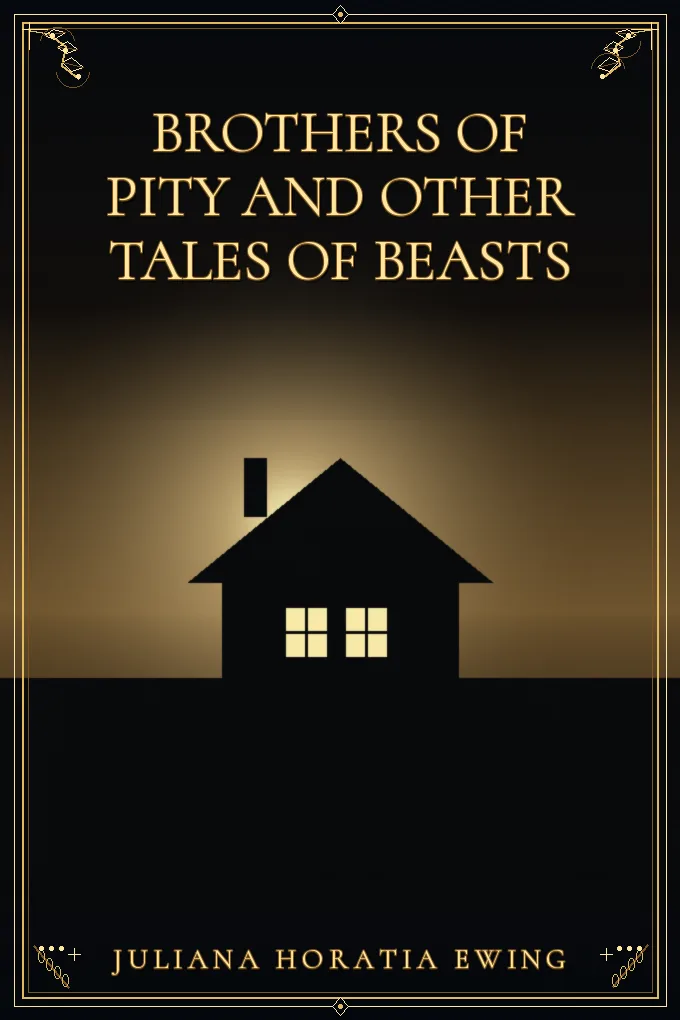
Cover illustration for Brothers of Pity and Other Tales of Beasts
Context Illustration Reading 1/19 · 5 lines
English subtitles · tap any word to listen 1 / 5
My name is Toots.
Why, I have not the slightest idea.
But I suppose very few people--cats or otherwise--are consulted about their own names.
If they were, these would perhaps be, as a rule, more appropriate.
What qualities of mind or body my name was supposed to illustrate, I have not to this hour a notion.
0:00 / 0:00
Speed 0.75x
AI-generated narration by OpenAI · Slow US English
LEARNER DICTIONARY
Archivist
/ˈɑːrkɪvɪst/
Editorial verification pending

A keeper or guardian of historical records and memories.

Brothers of Pity and Other Tales of Beasts

Chapter X · Chapter 10

Chapter 10 of Brothers of Pity and Other Tales of Beasts is here in full — 99 sentences across 20 reading sections, with audio for every sentence and word.

Reading 1/19 · 5 reading units · Lines 1–5

Line 1
My name is Toots.
/maɪ neɪm ɪz tuːts/
Line 2
Why, I have not the slightest idea.
/waɪ aɪ hæv nɑːt ðə ˈslaɪtəst aɪˈdiːə/
Line 3
But I suppose very few people--cats or otherwise--are consulted about their own names.
Line 4
If they were, these would perhaps be, as a rule, more appropriate.
/ɪf ðeɪ wɜːr ðiːz wʊd pərˈhæps biː æz ə ruːl mɔːr əˈproʊpriət/
Line 5
What qualities of mind or body my name was supposed to illustrate, I have not to this hour a notion.
/wʌt ˈkwɑːlətiz ʌv maɪnd ɔːr ˈbɑːdi maɪ neɪm wɑːz səˈpoʊzd tuː ˈɪləstreɪt aɪ hæv nɑːt tuː ðɪs ˈaʊər ə ˈnoʊʃən/

Learner Dictionary

These definitions explain words found in the current reading and keep every example grounded in its original sentence.

Oxford-style entry order: headword, part of speech, US IPA, concise definition, contextual example, and audio.

appropriate verb US /əˈproʊpriət/

give or assign a resource to a particular person or cause

From this reading “If they were, these would perhaps be, as a rule, more appropriate.”

cats noun US /kæts/

plural of “cat” — feline mammal usually having thick soft fur and no ability to roar: domestic cats; wildcats

From this reading “But I suppose very few people--cats or otherwise--are consulted about their own names.”

consulted verb US /kənˈsʌltəd/

past form of “consult” — get or ask advice from

From this reading “But I suppose very few people--cats or otherwise--are consulted about their own names.”

illustrate verb US /ˈɪləstreɪt/

clarify by giving an example of

From this reading “What qualities of mind or body my name was supposed to illustrate, I have not to this hour a notion.”

notion noun US /ˈnoʊʃən/

a vague idea in which some confidence is placed

From this reading “What qualities of mind or body my name was supposed to illustrate, I have not to this hour a notion.”

qualities noun US /ˈkwɑːlətiz/

plural of “quality” — an essential and distinguishing attribute of something or someone

From this reading “What qualities of mind or body my name was supposed to illustrate, I have not to this hour a notion.”

slightest adjective US /ˈslaɪtəst/

superlative of “slight” — (quantifier used with mass nouns) small in quantity or degree; not much or almost none or (with “a”) at least some

From this reading “Why, I have not the slightest idea.”

Toots noun US /tuːts/

plural of “toot” — a blast of a horn

From this reading “My name is Toots.”

All words in this reading · 49

Every word in these five lines is listed here, and every one of them can be played on its own.

Dictionary details are shown only when verified; these are not licensed Oxford entries.

adeterminerUS /ə/

used before a singular noun to mean one of a group, when it is not a particular one

From this reading If they were, these would perhaps be, as a rule, more appropriate.

aboutprepositionUS /əˈbaʊt/

on the subject of; concerning

From this reading But I suppose very few people--cats or otherwise--are consulted about their own names.

appropriateverbUS /əˈproʊpriət/

give or assign a resource to a particular person or cause

From this reading If they were, these would perhaps be, as a rule, more appropriate.

areauxiliary verbUS /ɑːr/

the form of “be” used with you, we, they, or a plural noun

From this reading But I suppose very few people--cats or otherwise--are consulted about their own names.

asconjunctionUS /æz/

at the same time that; because; in the way that

From this reading If they were, these would perhaps be, as a rule, more appropriate.

beauxiliary verbUS /biː/

used with a past participle to form the passive, or with -ing for continuous tenses

From this reading If they were, these would perhaps be, as a rule, more appropriate.

bodynounUS /ˈbɑːdi/

the entire physical structure of an organism (an animal, plant, or human being)

From this reading What qualities of mind or body my name was supposed to illustrate, I have not to this hour a notion.

ButconjunctionUS /bʌt/

used to introduce something that contrasts with what came before

From this reading But I suppose very few people--cats or otherwise--are consulted about their own names.

catsnounUS /kæts/

plural of “cat” — feline mammal usually having thick soft fur and no ability to roar: domestic cats; wildcats

From this reading But I suppose very few people--cats or otherwise--are consulted about their own names.

consultedverbUS /kənˈsʌltəd/

past form of “consult” — get or ask advice from

From this reading But I suppose very few people--cats or otherwise--are consulted about their own names.

fewadjectiveUS /fjuː/

a quantifier that can be used with count nouns and is often preceded by “a”; a small but indefinite number

From this reading But I suppose very few people--cats or otherwise--are consulted about their own names.

haveauxiliary verbUS /hæv/

used with a past participle to form the perfect tenses

From this reading Why, I have not the slightest idea.

hournounUS /ˈaʊər/

a period of time equal to 1/24th of a day

From this reading What qualities of mind or body my name was supposed to illustrate, I have not to this hour a notion.

IpronounUS /aɪ/

the person speaking or writing, as the subject of the verb

From this reading Why, I have not the slightest idea.

ideanounUS /aɪˈdiːə/

the content of cognition; the main thing you are thinking about

From this reading Why, I have not the slightest idea.

IfconjunctionUS /ɪf/

on condition that; in the event that

From this reading If they were, these would perhaps be, as a rule, more appropriate.

illustrateverbUS /ˈɪləstreɪt/

clarify by giving an example of

From this reading What qualities of mind or body my name was supposed to illustrate, I have not to this hour a notion.

isauxiliary verbUS /ɪz/

the form of “be” used with he, she, it, or a singular noun

From this reading My name is Toots.

mindnounUS /maɪnd/

The element of a person that enables awareness and thought.

From this reading What qualities of mind or body my name was supposed to illustrate, I have not to this hour a notion.

moreadjectiveUS /mɔːr/

(comparative of “much” used with mass nouns) a quantifier meaning greater in size or amount or extent or degree

From this reading If they were, these would perhaps be, as a rule, more appropriate.

MydeterminerUS /maɪ/

belonging to the person speaking

From this reading My name is Toots.

nameverbUS /neɪm/

assign a specified (usually proper) proper name to

From this reading My name is Toots.

namesnounUS /neɪmz/

verbal abuse; a crude substitute for argument

From this reading But I suppose very few people--cats or otherwise--are consulted about their own names.

notadverbUS /nɑːt/

used to make a word, phrase, or sentence negative

From this reading Why, I have not the slightest idea.

notionnounUS /ˈnoʊʃən/

a vague idea in which some confidence is placed

From this reading What qualities of mind or body my name was supposed to illustrate, I have not to this hour a notion.

ofprepositionUS /ʌv/

belonging to, or connected with, somebody or something

From this reading What qualities of mind or body my name was supposed to illustrate, I have not to this hour a notion.

orconjunctionUS /ɔːr/

used to join alternatives or possibilities

From this reading But I suppose very few people--cats or otherwise--are consulted about their own names.

otherwiseadverbUS /ˈʌðərwaɪz/

in other respects or ways

From this reading But I suppose very few people--cats or otherwise--are consulted about their own names.

ownverbUS /oʊn/

have ownership or possession of

From this reading But I suppose very few people--cats or otherwise--are consulted about their own names.

peoplenounUS /ˈpiːpəl/

(plural) any group of human beings (men or women or children) collectively

From this reading But I suppose very few people--cats or otherwise--are consulted about their own names.

perhapsadverbUS /pərˈhæps/

by chance

From this reading If they were, these would perhaps be, as a rule, more appropriate.

qualitiesnounUS /ˈkwɑːlətiz/

plural of “quality” — an essential and distinguishing attribute of something or someone

From this reading What qualities of mind or body my name was supposed to illustrate, I have not to this hour a notion.

rulenounUS /ruːl/

a principle or condition that customarily governs behavior

From this reading If they were, these would perhaps be, as a rule, more appropriate.

slightestadjectiveUS /ˈslaɪtəst/

superlative of “slight” — (quantifier used with mass nouns) small in quantity or degree; not much or almost none or (with “a”) at least some

From this reading Why, I have not the slightest idea.

supposeverbUS /səˈpoʊz/

express a supposition

From this reading But I suppose very few people--cats or otherwise--are consulted about their own names.

supposedadjectiveUS /səˈpoʊzd/

required or under orders

From this reading What qualities of mind or body my name was supposed to illustrate, I have not to this hour a notion.

thedeterminerUS /ðə/

used before a noun that is already known, already mentioned, or the only one of its kind

From this reading Why, I have not the slightest idea.

theirdeterminerUS /ðer/

belonging to the people or things already mentioned

From this reading But I suppose very few people--cats or otherwise--are consulted about their own names.

thesedeterminerUS /ðiːz/

the plural of “this”: the people or things near, or just mentioned

From this reading If they were, these would perhaps be, as a rule, more appropriate.

theypronounUS /ðeɪ/

the people, animals, or things already mentioned, as the subject

From this reading If they were, these would perhaps be, as a rule, more appropriate.

thisdeterminerUS /ðɪs/

used for a person or thing that is near, or that has just been mentioned

From this reading What qualities of mind or body my name was supposed to illustrate, I have not to this hour a notion.

toparticleUS /tuː/

used before the base form of a verb to make the infinitive

From this reading What qualities of mind or body my name was supposed to illustrate, I have not to this hour a notion.

TootsnounUS /tuːts/

plural of “toot” — a blast of a horn

From this reading My name is Toots.

veryadjectiveUS /ˈveri/

precisely as stated

From this reading But I suppose very few people--cats or otherwise--are consulted about their own names.

wasauxiliary verbUS /wɑːz/

the past form of “be” used with I, he, she, it, or a singular noun

From this reading What qualities of mind or body my name was supposed to illustrate, I have not to this hour a notion.

wereauxiliary verbUS /wɜːr/

the past form of “be” used with you, we, they, or a plural noun

From this reading If they were, these would perhaps be, as a rule, more appropriate.

WhatpronounUS /wʌt/

used to ask for information about something

From this reading What qualities of mind or body my name was supposed to illustrate, I have not to this hour a notion.

WhynounUS /waɪ/

the cause or intention underlying an action or situation, especially in the phrase “the whys and wherefores”

From this reading Why, I have not the slightest idea.

wouldmodal verbUS /wʊd/

used for something imagined, polite, or habitual in the past

From this reading If they were, these would perhaps be, as a rule, more appropriate.

Chapter 10 of Brothers of Pity and Other Tales of Beasts by Juliana Horatia Ewing holds 99 sentences, grouped into 20 reading sections of at most 5 sentences. The text is the source edition, unabridged, and the chapter records which sentences cover which part of the work so that nothing is dropped. Every word can be tapped for its pronunciation and dictionary entry.

What does chapter 10 of Brothers of Pity and Other Tales of Beasts contain?

Chapter 10 holds 99 sentences of Brothers of Pity and Other Tales of Beasts, unabridged, divided into 20 reading sections.

This page carries chapter 10 of Brothers of Pity and Other Tales of Beasts by Juliana Horatia Ewing exactly as it stands in the source edition, without abridgement. It runs to 99 sentences, grouped into 20 sections of at most 5 sentences so that a reader can take the chapter in steady, finishable pieces. The chapter also stores a coverage record mapping every one of its sentences to a part of the work, which is how the edition demonstrates that no line was dropped.

How do I study chapter 10 of Brothers of Pity and Other Tales of Beasts?

Work through the 20 sections in order, replaying any sentence and tapping unfamiliar words for their entries.

Each of the 20 sections in this chapter is short enough to read once, hear once, and then re-read with the vocabulary in view. Tapping a word plays it alone and opens its dictionary entry with IPA, part of speech and meaning, so the reader is never forced to guess a pronunciation from spelling. Working section by section keeps a long chapter from becoming an undifferentiated wall of text, which is the usual reason a reader abandons a work of this period.

Can chapter 10 be read aloud to me?

Yes — every sentence and every individual word in chapter 10 can be played aloud in United States English.

Audio covers the whole chapter: any sentence can be played, and any single word within it can be played on its own. The voice uses United States English. For a work of this period that matters, because spelling is an unreliable guide to pronunciation for vocabulary that has fallen out of daily use, and a learner who guesses wrong tends to keep the error. Hearing the word in its own sentence, and then alone, settles it.

Questions about reading Brothers of Pity and Other Tales of Beasts

Common questions about reading Brothers of Pity and Other Tales of Beasts by Juliana Horatia Ewing on this page, its source edition and its audio.

Is this the complete text of Brothers of Pity and Other Tales of Beasts?

Yes. All 0 sentences of Project Gutenberg eBook #? are kept, with a record of which sentences cover which part.

Which edition of Brothers of Pity and Other Tales of Beasts is used?

Project Gutenberg eBook #?, unabridged. The Project Gutenberg header, footer and licence are removed.

How long does Brothers of Pity and Other Tales of Beasts take to read?

About 5 minutes of reading across 0 sections of 5 sentences each, at an unhurried pace.

How to read Brothers of Pity and Other Tales of Beasts section by section

How to work through Brothers of Pity and Other Tales of Beasts section by section, using the audio and the tap-to-define vocabulary.

  1. Open a chapter

    Choose one of the 0 chapters of Brothers of Pity and Other Tales of Beasts to begin.

  2. Read one section

    Each section holds 5 sentences; read it once through.

  3. Listen and tap

    Play the section aloud, then tap any unfamiliar word for its entry.

Vocabulary met early in Brothers of Pity and Other Tales of Beasts

Words and structures a reader meets early in Brothers of Pity and Other Tales of Beasts, each tappable for pronunciation and meaning.

Chapter 1
One of the 0 chapters of Brothers of Pity and Other Tales of Beasts, divided into 5-sentence reading sections.
Chapter 2
One of the 0 chapters of Brothers of Pity and Other Tales of Beasts, divided into 5-sentence reading sections.
Chapter 3
One of the 0 chapters of Brothers of Pity and Other Tales of Beasts, divided into 5-sentence reading sections.