Complete classic literature • Five-line readings • Clear US narration
VELMORA ACADEMY
Academy of Archival Languages & Memory Studies
Menu Close
Buried Cities, Volume 1: Pompeii

Chapter II · Chapter 2

Chapter 2 of Buried Cities, Volume 1: Pompeii is here in full — 416 sentences across 84 reading sections, with audio for every sentence and word.

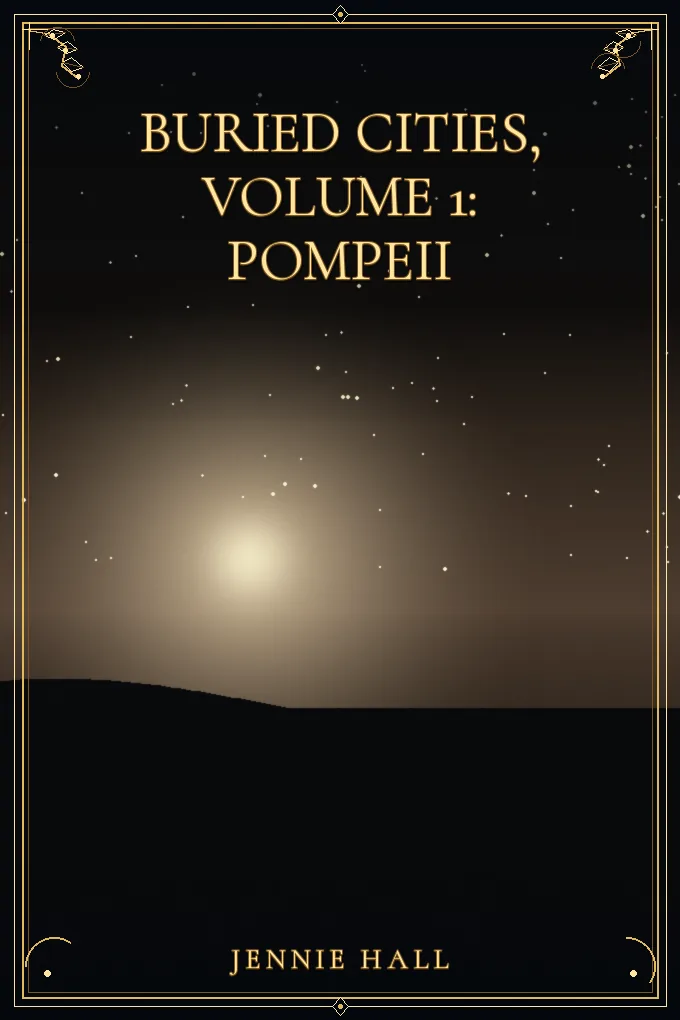
Cover illustration for Buried Cities, Volume 1: Pompeii
Context Illustration Reading 1/83 · 5 lines
English subtitles · tap any word to listen 1 / 5
So for two hours or more Tetreius and his men fought for safety.
Then they came out into fresher air and calmer water.
Tetreius left the rudder.
"Let the men rest and thank the gods," he said to his overseer.
"We have come up out of the grave."
0:00 / 0:00
Speed 0.75x
AI-generated narration by OpenAI · Slow US English
LEARNER DICTIONARY
Archivist
/ˈɑːrkɪvɪst/
Editorial verification pending

A keeper or guardian of historical records and memories.

Buried Cities, Volume 1: Pompeii

Chapter II · Chapter 2

Chapter 2 of Buried Cities, Volume 1: Pompeii is here in full — 416 sentences across 84 reading sections, with audio for every sentence and word.

Reading 1/83 · 5 reading units · Lines 1–5

Line 1
So for two hours or more Tetreius and his men fought for safety.
Line 2
Then they came out into fresher air and calmer water.
/ðen ðeɪ keɪm aʊt ˈɪntuː ˈfreʃər er ənd ˈkɑːmər ˈwɔːtər/
Line 3
Tetreius left the rudder.
Line 4
"Let the men rest and thank the gods," he said to his overseer.
/let ðə men rest ənd θæŋk ðə ɡɑːdz hiː sed tuː hɪz ˈoʊvərˈsiːər/
Line 5
"We have come up out of the grave."
/wiː hæv kʌm ʌp aʊt ʌv ðə ɡreɪv/

Learner Dictionary

These definitions explain words found in the current reading and keep every example grounded in its original sentence.

Oxford-style entry order: headword, part of speech, US IPA, concise definition, contextual example, and audio.

calmer adjective US /ˈkɑːmər/

comparative of “calm” — not agitated; without losing self-possession

From this reading “Then they came out into fresher air and calmer water.”

fought verb US /fɔːt/

inflected form of “fight” — be engaged in a fight; carry on a fight

From this reading “So for two hours or more Tetreius and his men fought for safety.”

fresher noun US /ˈfreʃər/

a first-year undergraduate

From this reading “Then they came out into fresher air and calmer water.”

gods noun US /ɡɑːdz/

plural of “god” — the supernatural being conceived as the perfect and omnipotent and omniscient originator and ruler of the universe; the object of worship in monotheistic religions

From this reading “"Let the men rest and thank the gods," he said to his overseer.”

grave noun US /ɡreɪv/

death of a person

From this reading “"We have come up out of the grave."”

overseer noun US /ˈoʊvərˈsiːər/

a person who directs and manages an organization

From this reading “"Let the men rest and thank the gods," he said to his overseer.”

rudder noun US /ˈrʌdər/

a hinged vertical airfoil mounted at the tail of an aircraft and used to make horizontal course changes

From this reading “Tetreius left the rudder.”

safety noun US /ˈseɪfti/

the state of being certain that adverse effects will not be caused by some agent under defined conditions

From this reading “So for two hours or more Tetreius and his men fought for safety.”

All words in this reading · 38

Every word in these five lines is listed here, and every one of them can be played on its own.

Dictionary details are shown only when verified; these are not licensed Oxford entries.

airnounUS /er/

a mixture of gases (especially oxygen) required for breathing; the stuff that the wind consists of

From this reading Then they came out into fresher air and calmer water.

andconjunctionUS /ənd/

used to join words or parts of a sentence that go together

From this reading So for two hours or more Tetreius and his men fought for safety.

calmeradjectiveUS /ˈkɑːmər/

comparative of “calm” — not agitated; without losing self-possession

From this reading Then they came out into fresher air and calmer water.

cameverbUS /keɪm/

inflected form of “come” — move toward, travel toward something or somebody or approach something or somebody

From this reading Then they came out into fresher air and calmer water.

comeverbUS /kʌm/

move toward, travel toward something or somebody or approach something or somebody

From this reading "We have come up out of the grave."

forprepositionUS /fɔːr/

intended to be given to, or used by, somebody

From this reading So for two hours or more Tetreius and his men fought for safety.

foughtverbUS /fɔːt/

inflected form of “fight” — be engaged in a fight; carry on a fight

From this reading So for two hours or more Tetreius and his men fought for safety.

freshernounUS /ˈfreʃər/

a first-year undergraduate

From this reading Then they came out into fresher air and calmer water.

godsnounUS /ɡɑːdz/

plural of “god” — the supernatural being conceived as the perfect and omnipotent and omniscient originator and ruler of the universe; the object of worship in monotheistic religions

From this reading "Let the men rest and thank the gods," he said to his overseer.

gravenounUS /ɡreɪv/

death of a person

From this reading "We have come up out of the grave."

haveauxiliary verbUS /hæv/

used with a past participle to form the perfect tenses

From this reading "We have come up out of the grave."

hepronounUS /hiː/

a man, boy, or male animal already mentioned, as the subject

From this reading "Let the men rest and thank the gods," he said to his overseer.

hisdeterminerUS /hɪz/

belonging to a man, boy, or male animal already mentioned

From this reading So for two hours or more Tetreius and his men fought for safety.

hoursnounUS /ˈaʊərz/

a period of time assigned for work

From this reading So for two hours or more Tetreius and his men fought for safety.

intoprepositionUS /ˈɪntuː/

moving to the inside of something

From this reading Then they came out into fresher air and calmer water.

leftnounUS /left/

location near or direction toward the left side; i.e. the side to the north when a person or object faces east

From this reading Tetreius left the rudder.

Letauxiliary verbUS /let/

used to make a suggestion or a command including the speaker

From this reading "Let the men rest and thank the gods," he said to his overseer.

mennounUS /men/

the force of workers available

From this reading So for two hours or more Tetreius and his men fought for safety.

moreadjectiveUS /mɔːr/

(comparative of “much” used with mass nouns) a quantifier meaning greater in size or amount or extent or degree

From this reading So for two hours or more Tetreius and his men fought for safety.

ofprepositionUS /ʌv/

belonging to, or connected with, somebody or something

From this reading "We have come up out of the grave."

orconjunctionUS /ɔːr/

used to join alternatives or possibilities

From this reading So for two hours or more Tetreius and his men fought for safety.

outadjectiveUS /aʊt/

not allowed to continue to bat or run

From this reading Then they came out into fresher air and calmer water.

overseernounUS /ˈoʊvərˈsiːər/

a person who directs and manages an organization

From this reading "Let the men rest and thank the gods," he said to his overseer.

restverbUS /rest/

not move; be in a resting position

From this reading "Let the men rest and thank the gods," he said to his overseer.

ruddernounUS /ˈrʌdər/

a hinged vertical airfoil mounted at the tail of an aircraft and used to make horizontal course changes

From this reading Tetreius left the rudder.

safetynounUS /ˈseɪfti/

the state of being certain that adverse effects will not be caused by some agent under defined conditions

From this reading So for two hours or more Tetreius and his men fought for safety.

saidadjectiveUS /sed/

being the one previously mentioned or spoken of

From this reading "Let the men rest and thank the gods," he said to his overseer.

SoconjunctionUS /soʊ/

for that reason; with the result that

From this reading So for two hours or more Tetreius and his men fought for safety.

Tetreius

Dictionary entry pending editorial verification. Tap Listen to hear the word.

From this reading So for two hours or more Tetreius and his men fought for safety.

thankverbUS /θæŋk/

express gratitude or show appreciation to

From this reading "Let the men rest and thank the gods," he said to his overseer.

thedeterminerUS /ðə/

used before a noun that is already known, already mentioned, or the only one of its kind

From this reading Tetreius left the rudder.

ThenadverbUS /ðen/

subsequently or soon afterward (often used as sentence connectors)

From this reading Then they came out into fresher air and calmer water.

theypronounUS /ðeɪ/

the people, animals, or things already mentioned, as the subject

From this reading Then they came out into fresher air and calmer water.

toparticleUS /tuː/

used before the base form of a verb to make the infinitive

From this reading "Let the men rest and thank the gods," he said to his overseer.

twonounUS /tuː/

the cardinal number that is the sum of one and one or a numeral representing this number

From this reading So for two hours or more Tetreius and his men fought for safety.

upadjectiveUS /ʌp/

being or moving higher in position or greater in some value; being above a former position or level

From this reading "We have come up out of the grave."

waternounUS /ˈwɔːtər/

binary compound that occurs at room temperature as a clear colorless odorless tasteless liquid; freezes into ice below 0 degrees centigrade and boils above 100 degrees centigrade; widely used as a solvent

From this reading Then they came out into fresher air and calmer water.

WepronounUS /wiː/

the speaker together with one or more other people

From this reading "We have come up out of the grave."

Chapter 2 of Buried Cities, Volume 1: Pompeii by Jennie Hall holds 416 sentences, grouped into 84 reading sections of at most 5 sentences. The text is the source edition, unabridged, and the chapter records which sentences cover which part of the work so that nothing is dropped. Every word can be tapped for its pronunciation and dictionary entry.

What does chapter 2 of Buried Cities, Volume 1: Pompeii contain?

Chapter 2 holds 416 sentences of Buried Cities, Volume 1: Pompeii, unabridged, divided into 84 reading sections.

This page carries chapter 2 of Buried Cities, Volume 1: Pompeii by Jennie Hall exactly as it stands in the source edition, without abridgement. It runs to 416 sentences, grouped into 84 sections of at most 5 sentences so that a reader can take the chapter in steady, finishable pieces. The chapter also stores a coverage record mapping every one of its sentences to a part of the work, which is how the edition demonstrates that no line was dropped.

How do I study chapter 2 of Buried Cities, Volume 1: Pompeii?

Work through the 84 sections in order, replaying any sentence and tapping unfamiliar words for their entries.

Each of the 84 sections in this chapter is short enough to read once, hear once, and then re-read with the vocabulary in view. Tapping a word plays it alone and opens its dictionary entry with IPA, part of speech and meaning, so the reader is never forced to guess a pronunciation from spelling. Working section by section keeps a long chapter from becoming an undifferentiated wall of text, which is the usual reason a reader abandons a work of this period.

Can chapter 2 be read aloud to me?

Yes — every sentence and every individual word in chapter 2 can be played aloud in United States English.

Audio covers the whole chapter: any sentence can be played, and any single word within it can be played on its own. The voice uses United States English. For a work of this period that matters, because spelling is an unreliable guide to pronunciation for vocabulary that has fallen out of daily use, and a learner who guesses wrong tends to keep the error. Hearing the word in its own sentence, and then alone, settles it.

Questions about reading Buried Cities, Volume 1: Pompeii

Common questions about reading Buried Cities, Volume 1: Pompeii by Jennie Hall on this page, its source edition and its audio.

Is this the complete text of Buried Cities, Volume 1: Pompeii?

Yes. All 0 sentences of Project Gutenberg eBook #? are kept, with a record of which sentences cover which part.

Which edition of Buried Cities, Volume 1: Pompeii is used?

Project Gutenberg eBook #?, unabridged. The Project Gutenberg header, footer and licence are removed.

How long does Buried Cities, Volume 1: Pompeii take to read?

About 5 minutes of reading across 0 sections of 5 sentences each, at an unhurried pace.

How to read Buried Cities, Volume 1: Pompeii section by section

How to work through Buried Cities, Volume 1: Pompeii section by section, using the audio and the tap-to-define vocabulary.

  1. Open a chapter

    Choose one of the 0 chapters of Buried Cities, Volume 1: Pompeii to begin.

  2. Read one section

    Each section holds 5 sentences; read it once through.

  3. Listen and tap

    Play the section aloud, then tap any unfamiliar word for its entry.

Vocabulary met early in Buried Cities, Volume 1: Pompeii

Words and structures a reader meets early in Buried Cities, Volume 1: Pompeii, each tappable for pronunciation and meaning.

Chapter 1
One of the 0 chapters of Buried Cities, Volume 1: Pompeii, divided into 5-sentence reading sections.
Chapter 2
One of the 0 chapters of Buried Cities, Volume 1: Pompeii, divided into 5-sentence reading sections.
Chapter 3
One of the 0 chapters of Buried Cities, Volume 1: Pompeii, divided into 5-sentence reading sections.