Complete classic literature • Five-line readings • Clear US narration
VELMORA ACADEMY
Academy of Archival Languages & Memory Studies
Menu Close
Charge! A Story of Briton and Boer

Chapter I · Chapter 1

Chapter 1 of Charge! A Story of Briton and Boer is here in full — 402 sentences across 81 reading sections, with audio for every sentence and word.

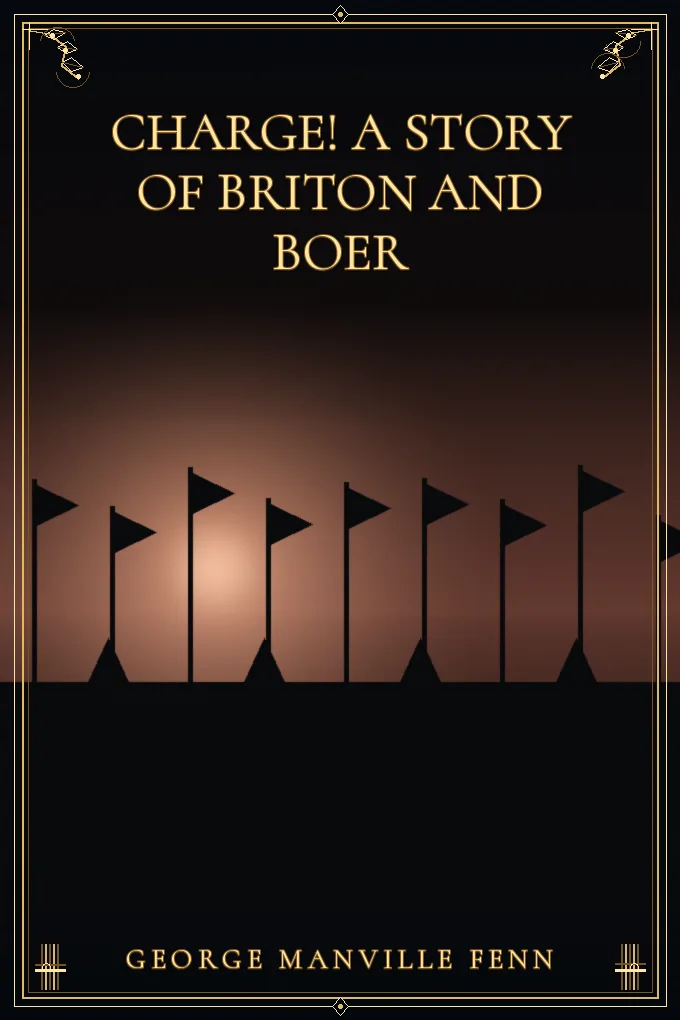
Cover illustration for Charge! A Story of Briton and Boer
Context Illustration Reading 1/80 · 5 lines
English subtitles · tap any word to listen 1 / 5
Charge!
A Story of Briton and Boer, by George Manville Fenn.
The earliest European settlers in South Africa were mostly Dutch.
They were known as Boers, the Dutch word for farmer.
They were doing well, and even though the British had come to rule the country, their comfortable and profitable existence was all that most of them wanted.
0:00 / 0:00
Speed 0.75x
AI-generated narration by OpenAI · Slow US English
LEARNER DICTIONARY
Archivist
/ˈɑːrkɪvɪst/
Editorial verification pending

A keeper or guardian of historical records and memories.

Charge! A Story of Briton and Boer

Chapter I · Chapter 1

Chapter 1 of Charge! A Story of Briton and Boer is here in full — 402 sentences across 81 reading sections, with audio for every sentence and word.

Reading 1/80 · 5 reading units · Lines 1–5

Line 1
Charge!
/tʃɑːrdʒ/
Line 2
A Story of Briton and Boer, by George Manville Fenn.
Line 3
The earliest European settlers in South Africa were mostly Dutch.
/ðə ˈɜːrliəst ˌjʊrəˈpiːən ˈsetlərz ɪn saʊθ ˈæfrəkɑː wɜːr ˈmoʊstli dʌtʃ/
Line 4
They were known as Boers, the Dutch word for farmer.
/ðeɪ wɜːr noʊn æz bɔːrz ðə dʌtʃ wɜːrd fɔːr ˈfɑːrmər/
Line 5
They were doing well, and even though the British had come to rule the country, their comfortable and profitable existence was all that most of them wanted.
/ðeɪ wɜːr ˈduːɪŋ wel ənd ˈiːvɪn ðoʊ ðə ˈbrɪtɪʃ hæd kʌm tuː ruːl ðə ˈkʌntri ðer ˈkʌmfərtəbəl ənd ˈprɑːfətəbəl eɡˈzɪstəns wɑːz ɔːl ðæt moʊst ʌv ðem ˈwɔːntɪd/

Learner Dictionary

These definitions explain words found in the current reading and keep every example grounded in its original sentence.

Oxford-style entry order: headword, part of speech, US IPA, concise definition, contextual example, and audio.

Boer noun US /bɔːr/

a white native of Cape Province who is a descendant of Dutch settlers and who speaks Afrikaans

From this reading “A Story of Briton and Boer, by George Manville Fenn.”

Boers noun US /bɔːrz/

plural of “boer” — a white native of Cape Province who is a descendant of Dutch settlers and who speaks Afrikaans

From this reading “They were known as Boers, the Dutch word for farmer.”

Briton noun US /ˈbrɪtən/

a native or inhabitant of Great Britain

From this reading “A Story of Briton and Boer, by George Manville Fenn.”

Dutch adjective US /dʌtʃ/

of or relating to the Netherlands or its people or culture

From this reading “The earliest European settlers in South Africa were mostly Dutch.”

earliest adjective US /ˈɜːrliəst/

(comparative and superlative of “early”) more early than; most early

From this reading “The earliest European settlers in South Africa were mostly Dutch.”

European noun US /ˌjʊrəˈpiːən/

a native or inhabitant of Europe

From this reading “The earliest European settlers in South Africa were mostly Dutch.”

profitable adjective US /ˈprɑːfətəbəl/

yielding material gain or profit

From this reading “They were doing well, and even though the British had come to rule the country, their comfortable and profitable existence was all that most of them wanted.”

settlers noun US /ˈsetlərz/

plural of “settler” — a person who settles in a new colony or moves into new country

From this reading “The earliest European settlers in South Africa were mostly Dutch.”

All words in this reading · 48

Every word in these five lines is listed here, and every one of them can be played on its own.

Dictionary details are shown only when verified; these are not licensed Oxford entries.

AdeterminerUS /ə/

used before a singular noun to mean one of a group, when it is not a particular one

From this reading A Story of Briton and Boer, by George Manville Fenn.

AfricanounUS /ˈæfrəkɑː/

the second largest continent; located to the south of Europe and bordered to the west by the South Atlantic and to the east by the Indian Ocean

From this reading The earliest European settlers in South Africa were mostly Dutch.

alladjectiveUS /ɔːl/

(quantifier) used with either mass or count nouns to indicate the whole number or amount of or every one of a class

From this reading They were doing well, and even though the British had come to rule the country, their comfortable and profitable existence was all that most of them wanted.

andconjunctionUS /ənd/

used to join words or parts of a sentence that go together

From this reading A Story of Briton and Boer, by George Manville Fenn.

asconjunctionUS /æz/

at the same time that; because; in the way that

From this reading They were known as Boers, the Dutch word for farmer.

BoernounUS /bɔːr/

a white native of Cape Province who is a descendant of Dutch settlers and who speaks Afrikaans

From this reading A Story of Briton and Boer, by George Manville Fenn.

BoersnounUS /bɔːrz/

plural of “boer” — a white native of Cape Province who is a descendant of Dutch settlers and who speaks Afrikaans

From this reading They were known as Boers, the Dutch word for farmer.

BritishnounUS /ˈbrɪtɪʃ/

the people of Great Britain

From this reading They were doing well, and even though the British had come to rule the country, their comfortable and profitable existence was all that most of them wanted.

BritonnounUS /ˈbrɪtən/

a native or inhabitant of Great Britain

From this reading A Story of Briton and Boer, by George Manville Fenn.

byprepositionUS /baɪ/

showing who or what does the action

From this reading A Story of Briton and Boer, by George Manville Fenn.

ChargeverbUS /tʃɑːrdʒ/

to make a rush at or sudden attack upon, as in battle

From this reading Charge!

comeverbUS /kʌm/

move toward, travel toward something or somebody or approach something or somebody

From this reading They were doing well, and even though the British had come to rule the country, their comfortable and profitable existence was all that most of them wanted.

comfortableadjectiveUS /ˈkʌmfərtəbəl/

providing or experiencing physical well-being or relief (“comfy” is informal)

From this reading They were doing well, and even though the British had come to rule the country, their comfortable and profitable existence was all that most of them wanted.

countrynounUS /ˈkʌntri/

a politically organized body of people under a single government

From this reading They were doing well, and even though the British had come to rule the country, their comfortable and profitable existence was all that most of them wanted.

doingverbUS /ˈduːɪŋ/

-ing form of “do” — engage in

From this reading They were doing well, and even though the British had come to rule the country, their comfortable and profitable existence was all that most of them wanted.

DutchadjectiveUS /dʌtʃ/

of or relating to the Netherlands or its people or culture

From this reading The earliest European settlers in South Africa were mostly Dutch.

earliestadjectiveUS /ˈɜːrliəst/

(comparative and superlative of “early”) more early than; most early

From this reading The earliest European settlers in South Africa were mostly Dutch.

EuropeannounUS /ˌjʊrəˈpiːən/

a native or inhabitant of Europe

From this reading The earliest European settlers in South Africa were mostly Dutch.

evenadjectiveUS /ˈiːvɪn/

divisible by two

From this reading They were doing well, and even though the British had come to rule the country, their comfortable and profitable existence was all that most of them wanted.

existencenounUS /eɡˈzɪstəns/

the state or fact of existing

From this reading They were doing well, and even though the British had come to rule the country, their comfortable and profitable existence was all that most of them wanted.

farmernounUS /ˈfɑːrmər/

a person who operates a farm

From this reading They were known as Boers, the Dutch word for farmer.

Fenn

Dictionary entry pending editorial verification. Tap Listen to hear the word.

From this reading A Story of Briton and Boer, by George Manville Fenn.

forprepositionUS /fɔːr/

intended to be given to, or used by, somebody

From this reading They were known as Boers, the Dutch word for farmer.

GeorgenounUS /dʒɔːrdʒ/

Christian martyr; patron saint of England; hero of the legend of Saint George and the Dragon in which he slew a dragon and saved a princess (?-303)

From this reading A Story of Briton and Boer, by George Manville Fenn.

hadauxiliary verbUS /hæd/

the past form of “have”, used to form the past perfect

From this reading They were doing well, and even though the British had come to rule the country, their comfortable and profitable existence was all that most of them wanted.

inprepositionUS /ɪn/

inside something, or within a place, period, or state

From this reading The earliest European settlers in South Africa were mostly Dutch.

knownadjectiveUS /noʊn/

apprehended with certainty

From this reading They were known as Boers, the Dutch word for farmer.

Manville

Dictionary entry pending editorial verification. Tap Listen to hear the word.

From this reading A Story of Briton and Boer, by George Manville Fenn.

mostadverbUS /moʊst/

used to form the superlative

From this reading They were doing well, and even though the British had come to rule the country, their comfortable and profitable existence was all that most of them wanted.

mostlyadverbUS /ˈmoʊstli/

in large part; mainly or chiefly

From this reading The earliest European settlers in South Africa were mostly Dutch.

ofprepositionUS /ʌv/

belonging to, or connected with, somebody or something

From this reading A Story of Briton and Boer, by George Manville Fenn.

profitableadjectiveUS /ˈprɑːfətəbəl/

yielding material gain or profit

From this reading They were doing well, and even though the British had come to rule the country, their comfortable and profitable existence was all that most of them wanted.

rulenounUS /ruːl/

a principle or condition that customarily governs behavior

From this reading They were doing well, and even though the British had come to rule the country, their comfortable and profitable existence was all that most of them wanted.

settlersnounUS /ˈsetlərz/

plural of “settler” — a person who settles in a new colony or moves into new country

From this reading The earliest European settlers in South Africa were mostly Dutch.

SouthnounUS /saʊθ/

the region of the United States lying to the south of the Mason-Dixon line

From this reading The earliest European settlers in South Africa were mostly Dutch.

StorynounUS /ˈstɔːri/

a message that tells the particulars of an act or occurrence or course of events; presented in writing or drama or cinema or as a radio or television program

From this reading A Story of Briton and Boer, by George Manville Fenn.

thatconjunctionUS /ðæt/

used to introduce what somebody said, thought, or felt

From this reading They were doing well, and even though the British had come to rule the country, their comfortable and profitable existence was all that most of them wanted.

ThedeterminerUS /ðə/

used before a noun that is already known, already mentioned, or the only one of its kind

From this reading The earliest European settlers in South Africa were mostly Dutch.

theirdeterminerUS /ðer/

belonging to the people or things already mentioned

From this reading They were doing well, and even though the British had come to rule the country, their comfortable and profitable existence was all that most of them wanted.

thempronounUS /ðem/

the people or things already mentioned, as the object

From this reading They were doing well, and even though the British had come to rule the country, their comfortable and profitable existence was all that most of them wanted.

TheypronounUS /ðeɪ/

the people, animals, or things already mentioned, as the subject

From this reading They were known as Boers, the Dutch word for farmer.

thoughconjunctionUS /ðoʊ/

in spite of the fact that

From this reading They were doing well, and even though the British had come to rule the country, their comfortable and profitable existence was all that most of them wanted.

toparticleUS /tuː/

used before the base form of a verb to make the infinitive

From this reading They were doing well, and even though the British had come to rule the country, their comfortable and profitable existence was all that most of them wanted.

wantedadjectiveUS /ˈwɔːntɪd/

desired or wished for or sought

From this reading They were doing well, and even though the British had come to rule the country, their comfortable and profitable existence was all that most of them wanted.

wasauxiliary verbUS /wɑːz/

the past form of “be” used with I, he, she, it, or a singular noun

From this reading They were doing well, and even though the British had come to rule the country, their comfortable and profitable existence was all that most of them wanted.

welladverbUS /wel/

(often used as a combining form) in a good or proper or satisfactory manner or to a high standard (“good” is a nonstandard dialectal variant for “well”)

From this reading They were doing well, and even though the British had come to rule the country, their comfortable and profitable existence was all that most of them wanted.

wereauxiliary verbUS /wɜːr/

the past form of “be” used with you, we, they, or a plural noun

From this reading The earliest European settlers in South Africa were mostly Dutch.

wordnounUS /wɜːrd/

a unit of language that native speakers can identify

From this reading They were known as Boers, the Dutch word for farmer.

Chapter 1 of Charge! A Story of Briton and Boer by George Manville Fenn holds 402 sentences, grouped into 81 reading sections of at most 5 sentences. The text is the source edition, unabridged, and the chapter records which sentences cover which part of the work so that nothing is dropped. Every word can be tapped for its pronunciation and dictionary entry.

What does chapter 1 of Charge! A Story of Briton and Boer contain?

Chapter 1 holds 402 sentences of Charge! A Story of Briton and Boer, unabridged, divided into 81 reading sections.

This page carries chapter 1 of Charge! A Story of Briton and Boer by George Manville Fenn exactly as it stands in the source edition, without abridgement. It runs to 402 sentences, grouped into 81 sections of at most 5 sentences so that a reader can take the chapter in steady, finishable pieces. The chapter also stores a coverage record mapping every one of its sentences to a part of the work, which is how the edition demonstrates that no line was dropped.

How do I study chapter 1 of Charge! A Story of Briton and Boer?

Work through the 81 sections in order, replaying any sentence and tapping unfamiliar words for their entries.

Each of the 81 sections in this chapter is short enough to read once, hear once, and then re-read with the vocabulary in view. Tapping a word plays it alone and opens its dictionary entry with IPA, part of speech and meaning, so the reader is never forced to guess a pronunciation from spelling. Working section by section keeps a long chapter from becoming an undifferentiated wall of text, which is the usual reason a reader abandons a work of this period.

Can chapter 1 be read aloud to me?

Yes — every sentence and every individual word in chapter 1 can be played aloud in United States English.

Audio covers the whole chapter: any sentence can be played, and any single word within it can be played on its own. The voice uses United States English. For a work of this period that matters, because spelling is an unreliable guide to pronunciation for vocabulary that has fallen out of daily use, and a learner who guesses wrong tends to keep the error. Hearing the word in its own sentence, and then alone, settles it.

Questions about reading Charge! A Story of Briton and Boer

Common questions about reading Charge! A Story of Briton and Boer by George Manville Fenn on this page, its source edition and its audio.

Is this the complete text of Charge! A Story of Briton and Boer?

Yes. All 7211 sentences of Project Gutenberg eBook #21302 are kept, with a record of which sentences cover which part.

Which edition of Charge! A Story of Briton and Boer is used?

Project Gutenberg eBook #21302, unabridged. The Project Gutenberg header, footer and licence are removed.

How long does Charge! A Story of Briton and Boer take to read?

About 600 minutes of reading across 1443 sections of 5 sentences each, at an unhurried pace.

How to read Charge! A Story of Briton and Boer section by section

How to work through Charge! A Story of Briton and Boer section by section, using the audio and the tap-to-define vocabulary.

  1. Open a chapter

    Choose one of the 18 chapters of Charge! A Story of Briton and Boer to begin.

  2. Read one section

    Each section holds 5 sentences; read it once through.

  3. Listen and tap

    Play the section aloud, then tap any unfamiliar word for its entry.

Vocabulary met early in Charge! A Story of Briton and Boer

Words and structures a reader meets early in Charge! A Story of Briton and Boer, each tappable for pronunciation and meaning.

Charge
A word that appears in the opening chapter of Charge! A Story of Briton and Boer; the reader can tap it to hear it and see its dictionary entry.
Story
A word that appears in the opening chapter of Charge! A Story of Briton and Boer; the reader can tap it to hear it and see its dictionary entry.
Briton
A word that appears in the opening chapter of Charge! A Story of Briton and Boer; the reader can tap it to hear it and see its dictionary entry.
George
A word that appears in the opening chapter of Charge! A Story of Briton and Boer; the reader can tap it to hear it and see its dictionary entry.