Complete classic literature • Five-line readings • Clear US narration
VELMORA ACADEMY
Academy of Archival Languages & Memory Studies
Menu Close
Chinook, the Cinnamon Cub

Chapter VII

Chapter 7 of Chinook, the Cinnamon Cub is here in full — 60 sentences across 12 reading sections, with audio for every sentence and word.

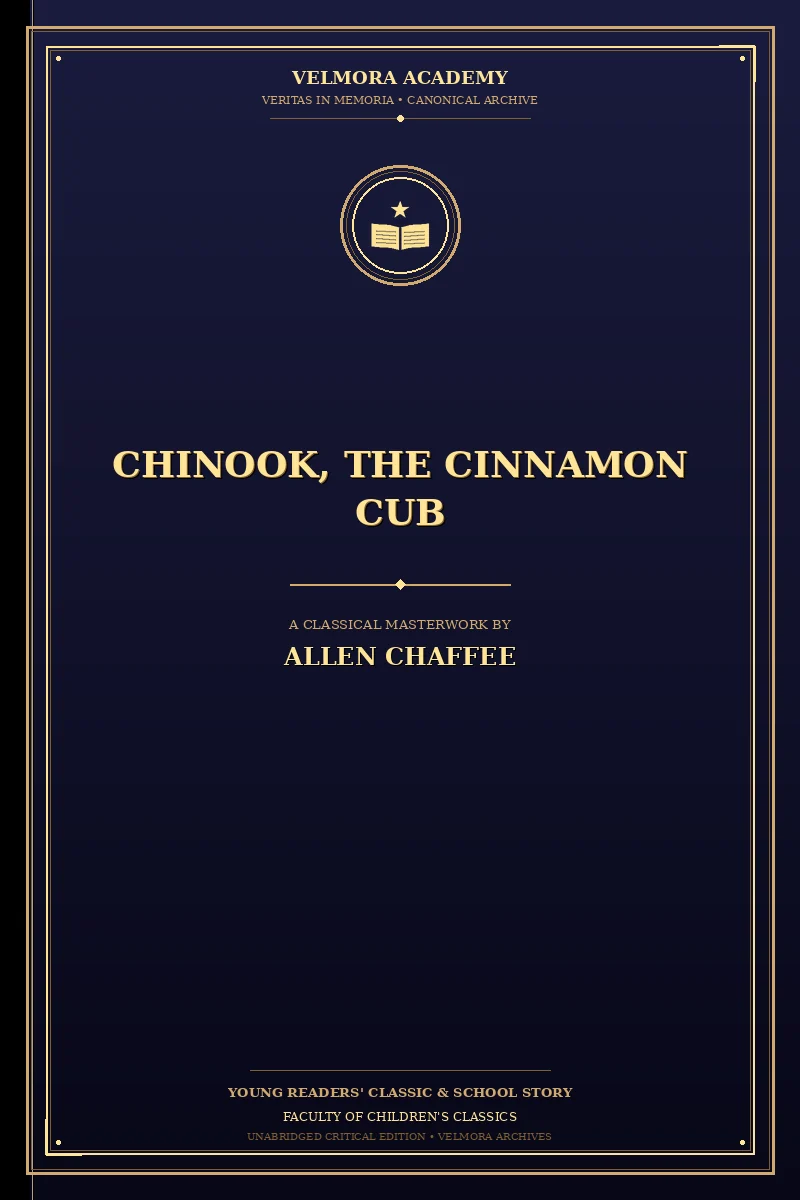
Cover illustration for Chinook, the Cinnamon Cub
Context Illustration Reading 1/12 · 5 lines
English subtitles · tap any word to listen 1 / 5
LOST IN THE FOG August came, with its hot sun and the salt-smelling white fog from the ocean.
Mother Brown Bear decided to take the cubs on a trip high among the cool mountain peaks.
“You know Chinook means snow-eater,” she told her son.
“We must see if the name fits.
When the warm West winds come in spring and melt the snow, the Indians call it the Chinook.
0:00 / 0:00
Speed 0.75x
AI-generated narration by OpenAI · Slow US English
LEARNER DICTIONARY
Archivist
/ˈɑːrkɪvɪst/
Editorial verification pending

A keeper or guardian of historical records and memories.

Chinook, the Cinnamon Cub

Chapter VII

Chapter 7 of Chinook, the Cinnamon Cub is here in full — 60 sentences across 12 reading sections, with audio for every sentence and word.

Reading 1/12 · 5 reading units · Lines 1–5

Line 1
LOST IN THE FOG August came, with its hot sun and the salt-smelling white fog from the ocean.
Line 2
Mother Brown Bear decided to take the cubs on a trip high among the cool mountain peaks.
/ˈmʌðər braʊn ber ˌdɪˈsaɪdɪd tuː teɪk ðə kʌbz ɑːn ə trɪp haɪ əˈmʌŋ ðə kuːl ˈmaʊntən piːks/
Line 3
“You know Chinook means snow-eater,” she told her son.
Line 4
“We must see if the name fits.
/wiː mʌst siː ɪf ðə neɪm fɪts/
Line 5
When the warm West winds come in spring and melt the snow, the Indians call it the Chinook.
/wen ðə wɔːrm west wɪndz kʌm ɪn sprɪŋ ənd melt ðə snoʊ ðə ˈɪndiənz kɔːl ɪt ðə ʃɪˈnʊk/

Learner Dictionary

These definitions explain words found in the current reading and keep every example grounded in its original sentence.

Oxford-style entry order: headword, part of speech, US IPA, concise definition, contextual example, and audio.

August noun US /ˈɑːɡəst/

the month following July and preceding September

From this reading “LOST IN THE FOG August came, with its hot sun and the salt-smelling white fog from the ocean.”

Chinook noun US /ʃɪˈnʊk/

a warm dry wind blowing down the eastern slopes of the Rockies

From this reading ““You know Chinook means snow-eater,” she told her son.”

cubs noun US /kʌbz/

plural of “cub” — an awkward and inexperienced youth

From this reading “Mother Brown Bear decided to take the cubs on a trip high among the cool mountain peaks.”

fits noun US /fɪts/

plural of “fit” — a display of bad temper

From this reading ““We must see if the name fits.”

fog noun US /fɑːɡ/

droplets of water vapor suspended in the air near the ground

From this reading “LOST IN THE FOG August came, with its hot sun and the salt-smelling white fog from the ocean.”

melt verb US /melt/

reduce or cause to be reduced from a solid to a liquid state, usually by heating

From this reading “When the warm West winds come in spring and melt the snow, the Indians call it the Chinook.”

peaks noun US /piːks/

plural of “peak” — the most extreme possible amount or value

From this reading “Mother Brown Bear decided to take the cubs on a trip high among the cool mountain peaks.”

winds noun US /wɪndz/

plural of “wind” — air moving (sometimes with considerable force) from an area of high pressure to an area of low pressure

From this reading “When the warm West winds come in spring and melt the snow, the Indians call it the Chinook.”

Word partnerships in these lines

English keeps certain words together, and knowing the pair is worth more than knowing each word alone. Every partnership below was counted across our whole published library, and earns its place by appearing far more often than two unrelated words of the same frequency would.

Shown as this reading writes them, with the form the library counts, what kind of pairing it is, and how often it occurs.

mountain peaks noun + noun counted as “mountain peak”

the summit of a mountain

In this reading “Mother Brown Bear decided to take the cubs on a trip high among the cool mountain peaks.”

West winds noun + noun counted as “west wind”

wind that blows from west to east

In this reading “When the warm West winds come in spring and melt the snow, the Indians call it the Chinook.”

hot sun adjective + noun

In this reading “LOST IN THE FOG August came, with its hot sun and the salt-smelling white fog from the ocean.”

white fog noun + noun

In this reading “LOST IN THE FOG August came, with its hot sun and the salt-smelling white fog from the ocean.”

IN THE FOG preposition + article + noun counted as “in … fog”

In this reading “LOST IN THE FOG August came, with its hot sun and the salt-smelling white fog from the ocean.”

All words in this reading · 56

Every word in these five lines is listed here, and every one of them can be played on its own.

Dictionary details are shown only when verified; these are not licensed Oxford entries.

adeterminerUS /ə/

used before a singular noun to mean one of a group, when it is not a particular one

From this reading Mother Brown Bear decided to take the cubs on a trip high among the cool mountain peaks.

amongprepositionUS /əˈmʌŋ/

surrounded by; in the middle of a group

From this reading Mother Brown Bear decided to take the cubs on a trip high among the cool mountain peaks.

andconjunctionUS /ənd/

used to join words or parts of a sentence that go together

From this reading LOST IN THE FOG August came, with its hot sun and the salt-smelling white fog from the ocean.

AugustnounUS /ˈɑːɡəst/

the month following July and preceding September

From this reading LOST IN THE FOG August came, with its hot sun and the salt-smelling white fog from the ocean.

BearverbUS /ber/

have

From this reading Mother Brown Bear decided to take the cubs on a trip high among the cool mountain peaks.

BrownnounUS /braʊn/

an orange of low brightness and saturation

From this reading Mother Brown Bear decided to take the cubs on a trip high among the cool mountain peaks.

callverbUS /kɔːl/

assign a specified (usually proper) proper name to

From this reading When the warm West winds come in spring and melt the snow, the Indians call it the Chinook.

cameverbUS /keɪm/

inflected form of “come” — move toward, travel toward something or somebody or approach something or somebody

From this reading LOST IN THE FOG August came, with its hot sun and the salt-smelling white fog from the ocean.

ChinooknounUS /ʃɪˈnʊk/

a warm dry wind blowing down the eastern slopes of the Rockies

From this reading “You know Chinook means snow-eater,” she told her son.

comeverbUS /kʌm/

move toward, travel toward something or somebody or approach something or somebody

From this reading When the warm West winds come in spring and melt the snow, the Indians call it the Chinook.

cooladjectiveUS /kuːl/

neither warm nor very cold; giving relief from heat

From this reading Mother Brown Bear decided to take the cubs on a trip high among the cool mountain peaks.

cubsnounUS /kʌbz/

plural of “cub” — an awkward and inexperienced youth

From this reading Mother Brown Bear decided to take the cubs on a trip high among the cool mountain peaks.

decidedadjectiveUS /ˌdɪˈsaɪdɪd/

recognizable; marked

From this reading Mother Brown Bear decided to take the cubs on a trip high among the cool mountain peaks.

fitsnounUS /fɪts/

plural of “fit” — a display of bad temper

From this reading “We must see if the name fits.

FOGnounUS /fɑːɡ/

droplets of water vapor suspended in the air near the ground

From this reading LOST IN THE FOG August came, with its hot sun and the salt-smelling white fog from the ocean.

fromprepositionUS /frʌm/

showing where something starts, or who sent it

From this reading LOST IN THE FOG August came, with its hot sun and the salt-smelling white fog from the ocean.

herdeterminerUS /hɜːr/

belonging to a woman, girl, or female animal already mentioned

From this reading “You know Chinook means snow-eater,” she told her son.

highadjectiveUS /haɪ/

greater than normal in degree or intensity or amount

From this reading Mother Brown Bear decided to take the cubs on a trip high among the cool mountain peaks.

hotadjectiveUS /hɑːt/

used of physical heat; having a high or higher than desirable temperature or giving off heat or feeling or causing a sensation of heat or burning

From this reading LOST IN THE FOG August came, with its hot sun and the salt-smelling white fog from the ocean.

ifconjunctionUS /ɪf/

on condition that; in the event that

From this reading “We must see if the name fits.

INprepositionUS /ɪn/

inside something, or within a place, period, or state

From this reading LOST IN THE FOG August came, with its hot sun and the salt-smelling white fog from the ocean.

IndiansnounUS /ˈɪndiənz/

plural of “indian” — a native or inhabitant of India

From this reading When the warm West winds come in spring and melt the snow, the Indians call it the Chinook.

itpronounUS /ɪt/

a thing, animal, or idea already mentioned

From this reading When the warm West winds come in spring and melt the snow, the Indians call it the Chinook.

itsdeterminerUS /ɪts/

belonging to the thing or animal already mentioned

From this reading LOST IN THE FOG August came, with its hot sun and the salt-smelling white fog from the ocean.

knowverbUS /noʊ/

be cognizant or aware of a fact or a specific piece of information; possess knowledge or information about

From this reading “You know Chinook means snow-eater,” she told her son.

LOSTadjectiveUS /lɔːst/

no longer in your possession or control; unable to be found or recovered

From this reading LOST IN THE FOG August came, with its hot sun and the salt-smelling white fog from the ocean.

meansnounUS /miːnz/

thing or person that acts to produce a particular effect or achieve an end

From this reading “You know Chinook means snow-eater,” she told her son.

meltverbUS /melt/

reduce or cause to be reduced from a solid to a liquid state, usually by heating

From this reading When the warm West winds come in spring and melt the snow, the Indians call it the Chinook.

MothernounUS /ˈmʌðər/

a woman who has given birth to a child (also used as a term of address to your mother)

From this reading Mother Brown Bear decided to take the cubs on a trip high among the cool mountain peaks.

mountainnounUS /ˈmaʊntən/

a land mass that projects well above its surroundings; higher than a hill

From this reading Mother Brown Bear decided to take the cubs on a trip high among the cool mountain peaks.

mustmodal verbUS /mʌst/

used to say something is necessary, or almost certainly true

From this reading “We must see if the name fits.

nameverbUS /neɪm/

assign a specified (usually proper) proper name to

From this reading “We must see if the name fits.

oceannounUS /ˈoʊʃən/

a large body of water constituting a principal part of the hydrosphere

From this reading LOST IN THE FOG August came, with its hot sun and the salt-smelling white fog from the ocean.

onprepositionUS /ɑːn/

touching and supported by a surface

From this reading Mother Brown Bear decided to take the cubs on a trip high among the cool mountain peaks.

peaksnounUS /piːks/

plural of “peak” — the most extreme possible amount or value

From this reading Mother Brown Bear decided to take the cubs on a trip high among the cool mountain peaks.

salt-smelling

Dictionary entry pending editorial verification. Tap Listen to hear the word.

From this reading LOST IN THE FOG August came, with its hot sun and the salt-smelling white fog from the ocean.

seeverbUS /siː/

perceive by sight or have the power to perceive by sight

From this reading “We must see if the name fits.

shepronounUS /ʃiː/

a woman, girl, or female animal already mentioned, as the subject

From this reading “You know Chinook means snow-eater,” she told her son.

snownounUS /snoʊ/

precipitation falling from clouds in the form of ice crystals

From this reading When the warm West winds come in spring and melt the snow, the Indians call it the Chinook.

snow-eater

Dictionary entry pending editorial verification. Tap Listen to hear the word.

From this reading “You know Chinook means snow-eater,” she told her son.

sonnounUS /sʌn/

a male human offspring

From this reading “You know Chinook means snow-eater,” she told her son.

springnounUS /sprɪŋ/

the season of growth

From this reading When the warm West winds come in spring and melt the snow, the Indians call it the Chinook.

sunnounUS /sʌn/

the star that is the source of light and heat for the planets in the solar system

From this reading LOST IN THE FOG August came, with its hot sun and the salt-smelling white fog from the ocean.

takeverbUS /teɪk/

carry out

From this reading Mother Brown Bear decided to take the cubs on a trip high among the cool mountain peaks.

THEdeterminerUS /ðə/

used before a noun that is already known, already mentioned, or the only one of its kind

From this reading LOST IN THE FOG August came, with its hot sun and the salt-smelling white fog from the ocean.

toparticleUS /tuː/

used before the base form of a verb to make the infinitive

From this reading Mother Brown Bear decided to take the cubs on a trip high among the cool mountain peaks.

toldverbUS /toʊld/

inflected form of “tell” — express in words

From this reading “You know Chinook means snow-eater,” she told her son.

tripnounUS /trɪp/

a journey for some purpose (usually including the return)

From this reading Mother Brown Bear decided to take the cubs on a trip high among the cool mountain peaks.

warmadjectiveUS /wɔːrm/

having or producing a comfortable and agreeable degree of heat or imparting or maintaining heat

From this reading When the warm West winds come in spring and melt the snow, the Indians call it the Chinook.

WepronounUS /wiː/

the speaker together with one or more other people

From this reading “We must see if the name fits.

WestnounUS /west/

the countries of (originally) Europe and (now including) North America and South America

From this reading When the warm West winds come in spring and melt the snow, the Indians call it the Chinook.

WhenconjunctionUS /wen/

at the time that

From this reading When the warm West winds come in spring and melt the snow, the Indians call it the Chinook.

whitenounUS /waɪt/

a Caucasian

From this reading LOST IN THE FOG August came, with its hot sun and the salt-smelling white fog from the ocean.

windsnounUS /wɪndz/

plural of “wind” — air moving (sometimes with considerable force) from an area of high pressure to an area of low pressure

From this reading When the warm West winds come in spring and melt the snow, the Indians call it the Chinook.

withprepositionUS /wɪð/

in the company of; together with

From this reading LOST IN THE FOG August came, with its hot sun and the salt-smelling white fog from the ocean.

YoupronounUS /juː/

the person or people being spoken to

From this reading “You know Chinook means snow-eater,” she told her son.

Chapter 7 of Chinook, the Cinnamon Cub by Allen Chaffee holds 60 sentences, grouped into 12 reading sections of at most 5 sentences. The text is the source edition, unabridged, and the chapter records which sentences cover which part of the work so that nothing is dropped. Every word can be tapped for its pronunciation and dictionary entry.

What does chapter 7 of Chinook, the Cinnamon Cub contain?

Chapter 7 holds 60 sentences of Chinook, the Cinnamon Cub, unabridged, divided into 12 reading sections.

This page carries chapter 7 of Chinook, the Cinnamon Cub by Allen Chaffee exactly as it stands in the source edition, without abridgement. It runs to 60 sentences, grouped into 12 sections of at most 5 sentences so that a reader can take the chapter in steady, finishable pieces. The chapter also stores a coverage record mapping every one of its sentences to a part of the work, which is how the edition demonstrates that no line was dropped.

How do I study chapter 7 of Chinook, the Cinnamon Cub?

Work through the 12 sections in order, replaying any sentence and tapping unfamiliar words for their entries.

Each of the 12 sections in this chapter is short enough to read once, hear once, and then re-read with the vocabulary in view. Tapping a word plays it alone and opens its dictionary entry with IPA, part of speech and meaning, so the reader is never forced to guess a pronunciation from spelling. Working section by section keeps a long chapter from becoming an undifferentiated wall of text, which is the usual reason a reader abandons a work of this period.

Can chapter 7 be read aloud to me?

Yes — every sentence and every individual word in chapter 7 can be played aloud in United States English.

Audio covers the whole chapter: any sentence can be played, and any single word within it can be played on its own. The voice uses United States English. For a work of this period that matters, because spelling is an unreliable guide to pronunciation for vocabulary that has fallen out of daily use, and a learner who guesses wrong tends to keep the error. Hearing the word in its own sentence, and then alone, settles it.

Questions about reading Chinook, the Cinnamon Cub

Common questions about reading Chinook, the Cinnamon Cub by Allen Chaffee on this page, its source edition and its audio.

Is this the complete text of Chinook, the Cinnamon Cub?

Yes. All 1001 sentences of Project Gutenberg eBook #61888 are kept, with a record of which sentences cover which part.

Which edition of Chinook, the Cinnamon Cub is used?

Project Gutenberg eBook #61888, unabridged. The Project Gutenberg header, footer and licence are removed.

How long does Chinook, the Cinnamon Cub take to read?

About 83 minutes of reading across 201 sections of 5 sentences each, at an unhurried pace.

How to read Chinook, the Cinnamon Cub section by section

How to work through Chinook, the Cinnamon Cub section by section, using the audio and the tap-to-define vocabulary.

  1. Open a chapter

    Choose one of the 20 chapters of Chinook, the Cinnamon Cub to begin.

  2. Read one section

    Each section holds 5 sentences; read it once through.

  3. Listen and tap

    Play the section aloud, then tap any unfamiliar word for its entry.

Vocabulary met early in Chinook, the Cinnamon Cub

Words and structures a reader meets early in Chinook, the Cinnamon Cub, each tappable for pronunciation and meaning.

Allen
A word that appears in the opening chapter of Chinook, the Cinnamon Cub; the reader can tap it to hear it and see its dictionary entry.
Chaffee
A word that appears in the opening chapter of Chinook, the Cinnamon Cub; the reader can tap it to hear it and see its dictionary entry.
Author
A word that appears in the opening chapter of Chinook, the Cinnamon Cub; the reader can tap it to hear it and see its dictionary entry.
Sitka
A word that appears in the opening chapter of Chinook, the Cinnamon Cub; the reader can tap it to hear it and see its dictionary entry.