Complete classic literature • Five-line readings • Clear US narration
VELMORA ACADEMY
Academy of Archival Languages & Memory Studies
Menu Close
Clue of the Silken Ladder

Chapter IV

Chapter 4 of Clue of the Silken Ladder is here in full — 412 sentences across 83 reading sections, with audio for every sentence and word.

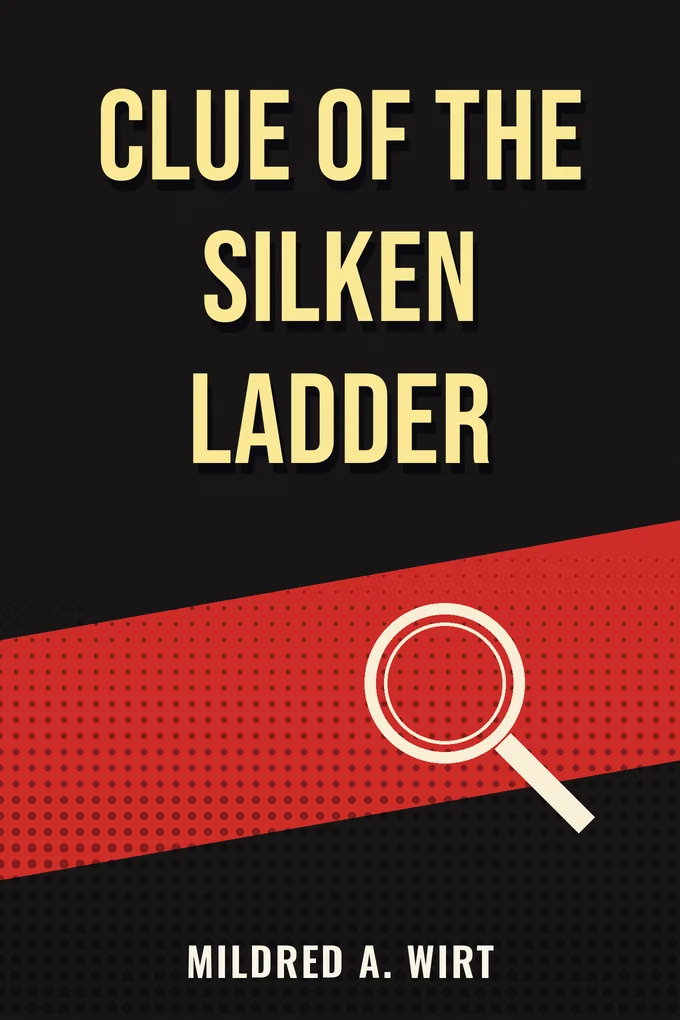
Cover illustration for Clue of the Silken Ladder
Context Illustration Reading 1/82 · 5 lines
English subtitles · tap any word to listen 1 / 5
"Surely you don't believe in ghosts...?"

Penny began, but the seamstress did not hear.
Unheeding, she resumed: "Pa rubbed my back to ease the pain I get from working too long at the machine.
Then we went to bed.
Neither of us had gone to sleep when suddenly we heard it!"
0:00 / 0:00
Speed 0.75x
AI-generated narration by OpenAI · Slow US English
LEARNER DICTIONARY
Archivist
/ˈɑːrkɪvɪst/
Editorial verification pending

A keeper or guardian of historical records and memories.

Clue of the Silken Ladder

Chapter IV

Chapter 4 of Clue of the Silken Ladder is here in full — 412 sentences across 83 reading sections, with audio for every sentence and word.

Reading 1/82 · 5 reading units · Lines 1–5

Line 1
"Surely you don't believe in ghosts...?"
Line 2
Penny began, but the seamstress did not hear.
/ˈpeni bɪˈɡæn bʌt ðə ˈsiːmstrɪs dɪd nɑːt hiːr/
Line 3
Unheeding, she resumed: "Pa rubbed my back to ease the pain I get from working too long at the machine.
Line 4
Then we went to bed.
/ðen wiː went tuː bed/
Line 5
Neither of us had gone to sleep when suddenly we heard it!"
/ˈniːðər ʌv ʌs hæd ɡɔːn tuː sliːp wen ˈsʌdənli wiː hɜːrd ɪt/

Learner Dictionary

These definitions explain words found in the current reading and keep every example grounded in its original sentence.

Oxford-style entry order: headword, part of speech, US IPA, concise definition, contextual example, and audio.

ease verb US /iːz/

move gently or carefully

From this reading “Unheeding, she resumed: "Pa rubbed my back to ease the pain I get from working too long at the machine.”

ghosts noun US /ɡoʊsts/

plural of “ghost” — a mental representation of some haunting experience

From this reading “"Surely you don't believe in ghosts...?"”

machine noun US /məˈʃiːn/

any mechanical or electrical device that transmits or modifies energy to perform or assist in the performance of human tasks

From this reading “Unheeding, she resumed: "Pa rubbed my back to ease the pain I get from working too long at the machine.”

Penny noun US /ˈpeni/

a fractional monetary unit of Ireland and the United Kingdom; equal to one hundredth of a pound

From this reading “Penny began, but the seamstress did not hear.”

resumed verb US /rɪˈzuːmd/

past form of “resume” — take up or begin anew

From this reading “Unheeding, she resumed: "Pa rubbed my back to ease the pain I get from working too long at the machine.”

rubbed verb US /rʌbd/

inflected form of “rub” — move over something with pressure

From this reading “Unheeding, she resumed: "Pa rubbed my back to ease the pain I get from working too long at the machine.”

seamstress noun US /ˈsiːmstrɪs/

someone who makes or mends dresses

From this reading “Penny began, but the seamstress did not hear.”

working adjective US /ˈwɜːrkɪŋ/

actively engaged in paid work

From this reading “Unheeding, she resumed: "Pa rubbed my back to ease the pain I get from working too long at the machine.”

Word partnerships in these lines

English keeps certain words together, and knowing the pair is worth more than knowing each word alone. Every partnership below was counted across our whole published library, and earns its place by appearing far more often than two unrelated words of the same frequency would.

Shown as this reading writes them, with the form the library counts, what kind of pairing it is, and how often it occurs.

too long adverb + adjective

In this reading “Unheeding, she resumed: "Pa rubbed my back to ease the pain I get from working too long at the machine.”

believe in verb + particle

have a firm conviction as to the goodness of something

In this reading “"Surely you don't believe in ghosts...?"”

All words in this reading · 46

Every word in these five lines is listed here, and every one of them can be played on its own.

Dictionary details are shown only when verified; these are not licensed Oxford entries.

atprepositionUS /æt/

in or near a particular place or position

From this reading Unheeding, she resumed: "Pa rubbed my back to ease the pain I get from working too long at the machine.

backadverbUS /bæk/

in or to or toward a former location

From this reading Unheeding, she resumed: "Pa rubbed my back to ease the pain I get from working too long at the machine.

bednounUS /bed/

a piece of furniture that provides a place to sleep

From this reading Then we went to bed.

beganverbUS /bɪˈɡæn/

inflected form of “begin” — take the first step or steps in carrying out an action

From this reading Penny began, but the seamstress did not hear.

believeverbUS /bɪˈliːv/

accept as true; take to be true

From this reading "Surely you don't believe in ghosts...?"

butconjunctionUS /bʌt/

used to introduce something that contrasts with what came before

From this reading Penny began, but the seamstress did not hear.

didauxiliary verbUS /dɪd/

the past form of “do”, used in questions and negatives

From this reading Penny began, but the seamstress did not hear.

don't

Dictionary entry pending editorial verification. Tap Listen to hear the word.

From this reading "Surely you don't believe in ghosts...?"

easeverbUS /iːz/

move gently or carefully

From this reading Unheeding, she resumed: "Pa rubbed my back to ease the pain I get from working too long at the machine.

fromprepositionUS /frʌm/

showing where something starts, or who sent it

From this reading Unheeding, she resumed: "Pa rubbed my back to ease the pain I get from working too long at the machine.

getverbUS /ɡet/

come into the possession of something concrete or abstract

From this reading Unheeding, she resumed: "Pa rubbed my back to ease the pain I get from working too long at the machine.

ghostsnounUS /ɡoʊsts/

plural of “ghost” — a mental representation of some haunting experience

From this reading "Surely you don't believe in ghosts...?"

goneadjectiveUS /ɡɔːn/

destroyed or killed

From this reading Neither of us had gone to sleep when suddenly we heard it!"

hadauxiliary verbUS /hæd/

the past form of “have”, used to form the past perfect

From this reading Neither of us had gone to sleep when suddenly we heard it!"

hearverbUS /hiːr/

perceive (sound) via the auditory sense

From this reading Penny began, but the seamstress did not hear.

heardadjectiveUS /hɜːrd/

detected or perceived by the sense of hearing

From this reading Neither of us had gone to sleep when suddenly we heard it!"

IpronounUS /aɪ/

the person speaking or writing, as the subject of the verb

From this reading Unheeding, she resumed: "Pa rubbed my back to ease the pain I get from working too long at the machine.

inprepositionUS /ɪn/

inside something, or within a place, period, or state

From this reading "Surely you don't believe in ghosts...?"

itpronounUS /ɪt/

a thing, animal, or idea already mentioned

From this reading Neither of us had gone to sleep when suddenly we heard it!"

longadjectiveUS /lɔːŋ/

primarily temporal sense; being or indicating a relatively great or greater than average duration or passage of time or a duration as specified

From this reading Unheeding, she resumed: "Pa rubbed my back to ease the pain I get from working too long at the machine.

machinenounUS /məˈʃiːn/

any mechanical or electrical device that transmits or modifies energy to perform or assist in the performance of human tasks

From this reading Unheeding, she resumed: "Pa rubbed my back to ease the pain I get from working too long at the machine.

mydeterminerUS /maɪ/

belonging to the person speaking

From this reading Unheeding, she resumed: "Pa rubbed my back to ease the pain I get from working too long at the machine.

NeitherdeterminerUS /ˈniːðər/

not one and not the other of two

From this reading Neither of us had gone to sleep when suddenly we heard it!"

notadverbUS /nɑːt/

used to make a word, phrase, or sentence negative

From this reading Penny began, but the seamstress did not hear.

ofprepositionUS /ʌv/

belonging to, or connected with, somebody or something

From this reading Neither of us had gone to sleep when suddenly we heard it!"

PanounUS /pɑː/

an informal term for a father; probably derived from baby talk

From this reading Unheeding, she resumed: "Pa rubbed my back to ease the pain I get from working too long at the machine.

painnounUS /peɪn/

a symptom of some physical hurt or disorder

From this reading Unheeding, she resumed: "Pa rubbed my back to ease the pain I get from working too long at the machine.

PennynounUS /ˈpeni/

a fractional monetary unit of Ireland and the United Kingdom; equal to one hundredth of a pound

From this reading Penny began, but the seamstress did not hear.

resumedverbUS /rɪˈzuːmd/

past form of “resume” — take up or begin anew

From this reading Unheeding, she resumed: "Pa rubbed my back to ease the pain I get from working too long at the machine.

rubbedverbUS /rʌbd/

inflected form of “rub” — move over something with pressure

From this reading Unheeding, she resumed: "Pa rubbed my back to ease the pain I get from working too long at the machine.

seamstressnounUS /ˈsiːmstrɪs/

someone who makes or mends dresses

From this reading Penny began, but the seamstress did not hear.

shepronounUS /ʃiː/

a woman, girl, or female animal already mentioned, as the subject

From this reading Unheeding, she resumed: "Pa rubbed my back to ease the pain I get from working too long at the machine.

sleepnounUS /sliːp/

a natural and periodic state of rest during which consciousness of the world is suspended

From this reading Neither of us had gone to sleep when suddenly we heard it!"

suddenlyadverbUS /ˈsʌdənli/

happening unexpectedly

From this reading Neither of us had gone to sleep when suddenly we heard it!"

SurelyadverbUS /ˈʃʊrli/

definitely or positively (“sure” is sometimes used informally for “surely”)

From this reading "Surely you don't believe in ghosts...?"

thedeterminerUS /ðə/

used before a noun that is already known, already mentioned, or the only one of its kind

From this reading Penny began, but the seamstress did not hear.

ThenadverbUS /ðen/

subsequently or soon afterward (often used as sentence connectors)

From this reading Then we went to bed.

toparticleUS /tuː/

used before the base form of a verb to make the infinitive

From this reading Unheeding, she resumed: "Pa rubbed my back to ease the pain I get from working too long at the machine.

tooadverbUS /tuː/

to a degree exceeding normal or proper limits

From this reading Unheeding, she resumed: "Pa rubbed my back to ease the pain I get from working too long at the machine.

Unheedingadjective

marked by or paying little heed or attention

From this reading Unheeding, she resumed: "Pa rubbed my back to ease the pain I get from working too long at the machine.

uspronounUS /ʌs/

the speaker and others, as the object of a verb or preposition

From this reading Neither of us had gone to sleep when suddenly we heard it!"

wepronounUS /wiː/

the speaker together with one or more other people

From this reading Then we went to bed.

wentverbUS /went/

inflected form of “go” — change location; move, travel, or proceed, also metaphorically

From this reading Then we went to bed.

whenconjunctionUS /wen/

at the time that

From this reading Neither of us had gone to sleep when suddenly we heard it!"

workingadjectiveUS /ˈwɜːrkɪŋ/

actively engaged in paid work

From this reading Unheeding, she resumed: "Pa rubbed my back to ease the pain I get from working too long at the machine.

youpronounUS /juː/

the person or people being spoken to

From this reading "Surely you don't believe in ghosts...?"

Chapter 4 of Clue of the Silken Ladder by Mildred A. (Mildred Augustine) Wirt holds 412 sentences, grouped into 83 reading sections of at most 5 sentences. The text is the source edition, unabridged, and the chapter records which sentences cover which part of the work so that nothing is dropped. Every word can be tapped for its pronunciation and dictionary entry.

What does chapter 4 of Clue of the Silken Ladder contain?

Chapter 4 holds 412 sentences of Clue of the Silken Ladder, unabridged, divided into 83 reading sections.

This page carries chapter 4 of Clue of the Silken Ladder by Mildred A. (Mildred Augustine) Wirt exactly as it stands in the source edition, without abridgement. It runs to 412 sentences, grouped into 83 sections of at most 5 sentences so that a reader can take the chapter in steady, finishable pieces. The chapter also stores a coverage record mapping every one of its sentences to a part of the work, which is how the edition demonstrates that no line was dropped.

How do I study chapter 4 of Clue of the Silken Ladder?

Work through the 83 sections in order, replaying any sentence and tapping unfamiliar words for their entries.

Each of the 83 sections in this chapter is short enough to read once, hear once, and then re-read with the vocabulary in view. Tapping a word plays it alone and opens its dictionary entry with IPA, part of speech and meaning, so the reader is never forced to guess a pronunciation from spelling. Working section by section keeps a long chapter from becoming an undifferentiated wall of text, which is the usual reason a reader abandons a work of this period.

Can chapter 4 be read aloud to me?

Yes — every sentence and every individual word in chapter 4 can be played aloud in United States English.

Audio covers the whole chapter: any sentence can be played, and any single word within it can be played on its own. The voice uses United States English. For a work of this period that matters, because spelling is an unreliable guide to pronunciation for vocabulary that has fallen out of daily use, and a learner who guesses wrong tends to keep the error. Hearing the word in its own sentence, and then alone, settles it.

Questions about reading Clue of the Silken Ladder

Common questions about reading Clue of the Silken Ladder by Mildred A. (Mildred Augustine) Wirt on this page, its source edition and its audio.

Is this the complete text of Clue of the Silken Ladder?

Yes. All 3711 sentences of Project Gutenberg eBook #34591 are kept, with a record of which sentences cover which part.

Which edition of Clue of the Silken Ladder is used?

Project Gutenberg eBook #34591, unabridged. The Project Gutenberg header, footer and licence are removed.

How long does Clue of the Silken Ladder take to read?

About 309 minutes of reading across 743 sections of 5 sentences each, at an unhurried pace.

How to read Clue of the Silken Ladder section by section

How to work through Clue of the Silken Ladder section by section, using the audio and the tap-to-define vocabulary.

  1. Open a chapter

    Choose one of the 9 chapters of Clue of the Silken Ladder to begin.

  2. Read one section

    Each section holds 5 sentences; read it once through.

  3. Listen and tap

    Play the section aloud, then tap any unfamiliar word for its entry.

Vocabulary met early in Clue of the Silken Ladder

Words and structures a reader meets early in Clue of the Silken Ladder, each tappable for pronunciation and meaning.

Deserve
A word that appears in the opening chapter of Clue of the Silken Ladder; the reader can tap it to hear it and see its dictionary entry.
Jerking
A word that appears in the opening chapter of Clue of the Silken Ladder; the reader can tap it to hear it and see its dictionary entry.
Yellow
A word that appears in the opening chapter of Clue of the Silken Ladder; the reader can tap it to hear it and see its dictionary entry.
Beneath
A word that appears in the opening chapter of Clue of the Silken Ladder; the reader can tap it to hear it and see its dictionary entry.