Learn English through classic literature • Five-line readings • Clear US narration
VELMORA ACADEMY
Academy of Archival Languages & Memory Studies
Menu Close
Cord and Creese
Cord and Creese

Chapter XVI · Chapter 16

Chapter 16 of Cord and Creese is here in full — 943 sentences across 189 reading sections, with audio for every sentence and word.

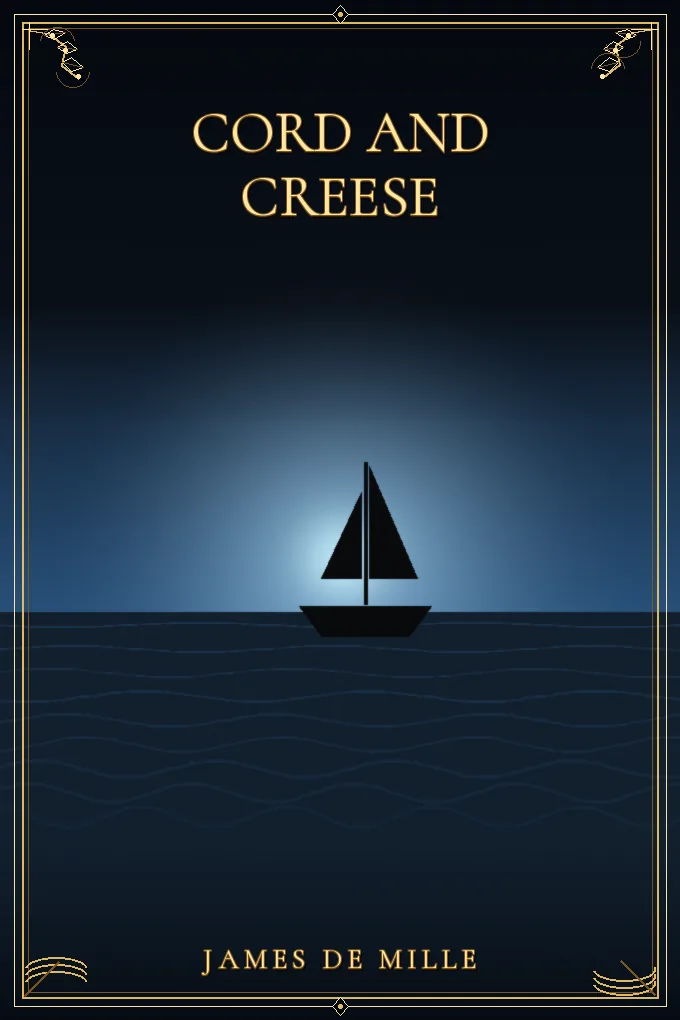
Cover illustration for Cord and Creese
Context Illustration Reading 1/188 · 5 lines
English subtitles · tap any word to listen 1 / 5
THE OCEAN DEPTHS.
The next morning dawned and Brandon hurried to the rock and looked around.
During the night a slight wind had sprung up, and was still gently breathing.
Far over the wide sea there was not a sail to be seen.
The brig had passed away.
0:00 / 0:00
Speed 0.75x
AI-generated narration by OpenAI · Slow US English
LEARNER DICTIONARY
Archivist
/ˈɑːrkɪvɪst/
Editorial verification pending

A keeper or guardian of historical records and memories.

Cord and Creese

Chapter XVI · Chapter 16

Chapter 16 of Cord and Creese is here in full — 943 sentences across 189 reading sections, with audio for every sentence and word.

Reading 1/188 · 5 reading units · Lines 1–5

Line 1
THE OCEAN DEPTHS.
/ðə ˈoʊʃən depθs/
Line 2
The next morning dawned and Brandon hurried to the rock and looked around.
Line 3
During the night a slight wind had sprung up, and was still gently breathing.
/ˈdʊrɪŋ ðə naɪt ə slaɪt waɪnd hæd sprʌŋ ʌp ənd wɑːz stɪl ˈdʒentli ˈbriːðɪŋ/
Line 4
Far over the wide sea there was not a sail to be seen.
/fɑːr ˈoʊvər ðə waɪd siː ðer wɑːz nɑːt ə seɪl tuː biː siːn/
Line 5
The brig had passed away.
/ðə brɪɡ hæd pæst əˈweɪ/

Learner Dictionary

These definitions explain words found in the current reading and keep every example grounded in its original sentence.

Oxford-style entry order: headword, part of speech, US IPA, concise definition, contextual example, and audio.

breathing noun US /ˈbriːðɪŋ/

the bodily process of inhalation and exhalation; the process of taking in oxygen from inhaled air and releasing carbon dioxide by exhalation

From this reading “During the night a slight wind had sprung up, and was still gently breathing.”

brig noun US /brɪɡ/

two-masted sailing vessel square-rigged on both masts

From this reading “The brig had passed away.”

dawned verb US /dɔːnd/

past form of “dawn” — become clear or enter one's consciousness or emotions

From this reading “The next morning dawned and Brandon hurried to the rock and looked around.”

depths noun US /depθs/

(plural) the deepest and most remote part

From this reading “THE OCEAN DEPTHS.”

hurried adjective US /ˈhɜːrid/

moving rapidly or performed quickly or in great haste

From this reading “The next morning dawned and Brandon hurried to the rock and looked around.”

ocean noun US /ˈoʊʃən/

a large body of water constituting a principal part of the hydrosphere

From this reading “THE OCEAN DEPTHS.”

sail verb US /seɪl/

traverse or travel on (a body of water)

From this reading “Far over the wide sea there was not a sail to be seen.”

sprung verb US /sprʌŋ/

inflected form of “spring” — move forward by leaps and bounds

From this reading “During the night a slight wind had sprung up, and was still gently breathing.”

All words in this reading · 37

Every word in these five lines is listed here, and every one of them can be played on its own.

Dictionary details are shown only when verified; these are not licensed Oxford entries.

adeterminerUS /ə/

used before a singular noun to mean one of a group, when it is not a particular one

From this reading During the night a slight wind had sprung up, and was still gently breathing.

andconjunctionUS /ənd/

used to join words or parts of a sentence that go together

From this reading The next morning dawned and Brandon hurried to the rock and looked around.

aroundprepositionUS /ərˈaʊnd/

surrounding, or on every side of, something

From this reading The next morning dawned and Brandon hurried to the rock and looked around.

awayadverbUS /əˈweɪ/

from a particular thing or place or position (“forth” is obsolete)

From this reading The brig had passed away.

beauxiliary verbUS /biː/

used with a past participle to form the passive, or with -ing for continuous tenses

From this reading Far over the wide sea there was not a sail to be seen.

Brandon

Dictionary entry pending editorial verification. Tap Listen to hear the word.

From this reading The next morning dawned and Brandon hurried to the rock and looked around.

breathingnounUS /ˈbriːðɪŋ/

the bodily process of inhalation and exhalation; the process of taking in oxygen from inhaled air and releasing carbon dioxide by exhalation

From this reading During the night a slight wind had sprung up, and was still gently breathing.

brignounUS /brɪɡ/

two-masted sailing vessel square-rigged on both masts

From this reading The brig had passed away.

dawnedverbUS /dɔːnd/

past form of “dawn” — become clear or enter one's consciousness or emotions

From this reading The next morning dawned and Brandon hurried to the rock and looked around.

DEPTHSnounUS /depθs/

(plural) the deepest and most remote part

From this reading THE OCEAN DEPTHS.

DuringprepositionUS /ˈdʊrɪŋ/

all through a period, or at some point within it

From this reading During the night a slight wind had sprung up, and was still gently breathing.

FaradverbUS /fɑːr/

to a considerable degree; very much

From this reading Far over the wide sea there was not a sail to be seen.

gentlyadverbUS /ˈdʒentli/

in a gradual manner

From this reading During the night a slight wind had sprung up, and was still gently breathing.

hadauxiliary verbUS /hæd/

the past form of “have”, used to form the past perfect

From this reading During the night a slight wind had sprung up, and was still gently breathing.

hurriedadjectiveUS /ˈhɜːrid/

moving rapidly or performed quickly or in great haste

From this reading The next morning dawned and Brandon hurried to the rock and looked around.

lookedverbUS /lʊkt/

past form of “look” — perceive with attention; direct one's gaze towards

From this reading The next morning dawned and Brandon hurried to the rock and looked around.

morningnounUS /ˈmɔːrnɪŋ/

the time period between dawn and noon

From this reading The next morning dawned and Brandon hurried to the rock and looked around.

nextadjectiveUS /nekst/

immediately following in time or order

From this reading The next morning dawned and Brandon hurried to the rock and looked around.

nightnounUS /naɪt/

the time after sunset and before sunrise while it is dark outside

From this reading During the night a slight wind had sprung up, and was still gently breathing.

notadverbUS /nɑːt/

used to make a word, phrase, or sentence negative

From this reading Far over the wide sea there was not a sail to be seen.

OCEANnounUS /ˈoʊʃən/

a large body of water constituting a principal part of the hydrosphere

From this reading THE OCEAN DEPTHS.

overprepositionUS /ˈoʊvər/

above and across; more than

From this reading Far over the wide sea there was not a sail to be seen.

passedverbUS /pæst/

past form of “pass” — go across or through

From this reading The brig had passed away.

rocknounUS /rɑːk/

a lump or mass of hard consolidated mineral matter

From this reading The next morning dawned and Brandon hurried to the rock and looked around.

sailverbUS /seɪl/

traverse or travel on (a body of water)

From this reading Far over the wide sea there was not a sail to be seen.

seanounUS /siː/

a division of an ocean or a large body of salt water partially enclosed by land

From this reading Far over the wide sea there was not a sail to be seen.

seenverbUS /siːn/

inflected form of “see” — perceive by sight or have the power to perceive by sight

From this reading Far over the wide sea there was not a sail to be seen.

slightnounUS /slaɪt/

a deliberate discourteous act (usually as an expression of anger or disapproval)

From this reading During the night a slight wind had sprung up, and was still gently breathing.

sprungverbUS /sprʌŋ/

inflected form of “spring” — move forward by leaps and bounds

From this reading During the night a slight wind had sprung up, and was still gently breathing.

stilladjectiveUS /stɪl/

not in physical motion

From this reading During the night a slight wind had sprung up, and was still gently breathing.

THEdeterminerUS /ðə/

used before a noun that is already known, already mentioned, or the only one of its kind

From this reading THE OCEAN DEPTHS.

thereadverbUS /ðer/

in or at that place or location

From this reading Far over the wide sea there was not a sail to be seen.

toparticleUS /tuː/

used before the base form of a verb to make the infinitive

From this reading The next morning dawned and Brandon hurried to the rock and looked around.

upadjectiveUS /ʌp/

being or moving higher in position or greater in some value; being above a former position or level

From this reading During the night a slight wind had sprung up, and was still gently breathing.

wasauxiliary verbUS /wɑːz/

the past form of “be” used with I, he, she, it, or a singular noun

From this reading During the night a slight wind had sprung up, and was still gently breathing.

wideadjectiveUS /waɪd/

having great (or a certain) extent from one side to the other

From this reading Far over the wide sea there was not a sail to be seen.

windnounUS /waɪnd/

air moving (sometimes with considerable force) from an area of high pressure to an area of low pressure

From this reading During the night a slight wind had sprung up, and was still gently breathing.

Chapter 16 of Cord and Creese by James De Mille holds 943 sentences, grouped into 189 reading sections of at most 5 sentences. The text is the source edition, unabridged, and the chapter records which sentences cover which part of the work so that nothing is dropped. Every word can be tapped for its pronunciation and dictionary entry.

What does chapter 16 of Cord and Creese contain?

Chapter 16 holds 943 sentences of Cord and Creese, unabridged, divided into 189 reading sections.

This page carries chapter 16 of Cord and Creese by James De Mille exactly as it stands in the source edition, without abridgement. It runs to 943 sentences, grouped into 189 sections of at most 5 sentences so that a reader can take the chapter in steady, finishable pieces. The chapter also stores a coverage record mapping every one of its sentences to a part of the work, which is how the edition demonstrates that no line was dropped.

How do I study chapter 16 of Cord and Creese?

Work through the 189 sections in order, replaying any sentence and tapping unfamiliar words for their entries.

Each of the 189 sections in this chapter is short enough to read once, hear once, and then re-read with the vocabulary in view. Tapping a word plays it alone and opens its dictionary entry with IPA, part of speech and meaning, so the reader is never forced to guess a pronunciation from spelling. Working section by section keeps a long chapter from becoming an undifferentiated wall of text, which is the usual reason a reader abandons a work of this period.

Can chapter 16 be read aloud to me?

Yes — every sentence and every individual word in chapter 16 can be played aloud in United States English.

Audio covers the whole chapter: any sentence can be played, and any single word within it can be played on its own. The voice uses United States English. For a work of this period that matters, because spelling is an unreliable guide to pronunciation for vocabulary that has fallen out of daily use, and a learner who guesses wrong tends to keep the error. Hearing the word in its own sentence, and then alone, settles it.

Questions about reading Cord and Creese

Common questions about reading Cord and Creese by James De Mille on this page, its source edition and its audio.

Is this the complete text of Cord and Creese?

Yes. All 12973 sentences of Project Gutenberg eBook #8572 are kept, with a record of which sentences cover which part.

Which edition of Cord and Creese is used?

Project Gutenberg eBook #8572, unabridged. The Project Gutenberg header, footer and licence are removed.

How long does Cord and Creese take to read?

About 600 minutes of reading across 2595 sections of 5 sentences each, at an unhurried pace.

How to read Cord and Creese section by section

How to work through Cord and Creese section by section, using the audio and the tap-to-define vocabulary.

  1. Open a chapter

    Choose one of the 40 chapters of Cord and Creese to begin.

  2. Read one section

    Each section holds 5 sentences; read it once through.

  3. Listen and tap

    Play the section aloud, then tap any unfamiliar word for its entry.

Vocabulary met early in Cord and Creese

Words and structures a reader meets early in Cord and Creese, each tappable for pronunciation and meaning.

Letter
A word that appears in the opening chapter of Cord and Creese; the reader can tap it to hear it and see its dictionary entry.
Beyond
A word that appears in the opening chapter of Cord and Creese; the reader can tap it to hear it and see its dictionary entry.
Morning
A word that appears in the opening chapter of Cord and Creese; the reader can tap it to hear it and see its dictionary entry.
Daily
A word that appears in the opening chapter of Cord and Creese; the reader can tap it to hear it and see its dictionary entry.