Complete classic literature • Five-line readings • Clear US narration
VELMORA ACADEMY
Academy of Archival Languages & Memory Studies
Menu Close
Cornelius O'Dowd Upon Men And Women

Chapter IV · Chapter 4

Chapter 4 of Cornelius O'Dowd Upon Men And Women is here in full — 477 sentences across 96 reading sections, with audio for every sentence and word.

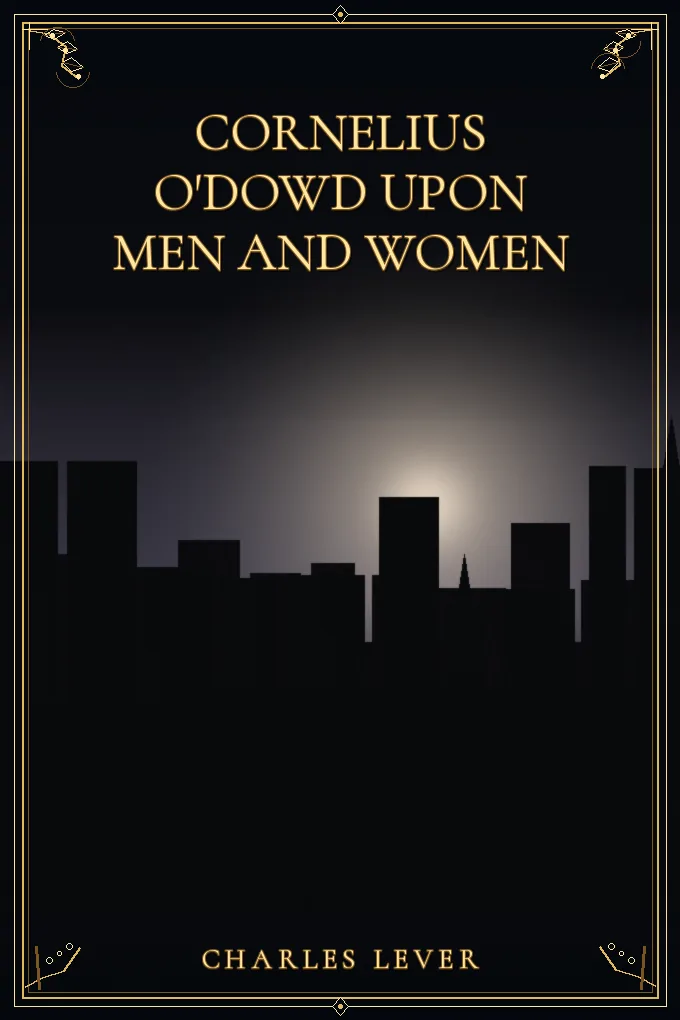
Cover illustration for Cornelius O'Dowd Upon Men And Women
Context Illustration Reading 1/95 · 5 lines
English subtitles · tap any word to listen 1 / 5
“‘I agree.
What will you bet?’
“‘Ten napoleons--twenty, fifty, five hundred if you like!’ cried he, warmly.
“‘I shall say ten.
You don’t like losing, and I don’t want to punish you too heavily.’
0:00 / 0:00
Speed 0.75x
AI-generated narration by OpenAI · Slow US English
LEARNER DICTIONARY
Archivist
/ˈɑːrkɪvɪst/
Editorial verification pending

A keeper or guardian of historical records and memories.

Cornelius O'Dowd Upon Men And Women

Chapter IV · Chapter 4

Chapter 4 of Cornelius O'Dowd Upon Men And Women is here in full — 477 sentences across 96 reading sections, with audio for every sentence and word.

Reading 1/95 · 5 reading units · Lines 1–5

Line 1
“‘I agree.
/aɪ əˈɡriː/
Line 2
What will you bet?’
/wʌt wɪl juː bet/
Line 3
“‘Ten napoleons--twenty, fifty, five hundred if you like!’ cried he, warmly.
Line 4
“‘I shall say ten.
/aɪ ʃæl seɪ ten/
Line 5
You don’t like losing, and I don’t want to punish you too heavily.’

Learner Dictionary

These definitions explain words found in the current reading and keep every example grounded in its original sentence.

Oxford-style entry order: headword, part of speech, US IPA, concise definition, contextual example, and audio.

agree verb US /əˈɡriː/

be in accord; be in agreement

From this reading ““‘I agree.”

bet verb US /bet/

maintain with or as if with a bet

From this reading “What will you bet?’”

fifty noun US /ˈfɪfti/

the cardinal number that is the product of ten and five

From this reading ““‘Ten napoleons--twenty, fifty, five hundred if you like!’ cried he, warmly.”

heavily adverb US /ˈhevəli/

to a considerable degree

From this reading “You don’t like losing, and I don’t want to punish you too heavily.’”

losing verb US /ˈluːzɪŋ/

-ing form of “lose” — fail to keep or to maintain; cease to have, either physically or in an abstract sense

From this reading “You don’t like losing, and I don’t want to punish you too heavily.’”

punish verb US /ˈpʌnɪʃ/

impose a penalty on; inflict punishment on

From this reading “You don’t like losing, and I don’t want to punish you too heavily.’”

twenty noun US /ˈtwenti/

the cardinal number that is the sum of nineteen and one

From this reading ““‘Ten napoleons--twenty, fifty, five hundred if you like!’ cried he, warmly.”

warmly adverb US /ˈwɔːrmli/

in a hearty manner

From this reading ““‘Ten napoleons--twenty, fifty, five hundred if you like!’ cried he, warmly.”

All words in this reading · 27

Every word in these five lines is listed here, and every one of them can be played on its own.

Dictionary details are shown only when verified; these are not licensed Oxford entries.

agreeverbUS /əˈɡriː/

be in accord; be in agreement

From this reading “‘I agree.

andconjunctionUS /ənd/

used to join words or parts of a sentence that go together

From this reading You don’t like losing, and I don’t want to punish you too heavily.’

betverbUS /bet/

maintain with or as if with a bet

From this reading What will you bet?’

criedverbUS /kraɪd/

inflected form of “cry” — utter a sudden loud cry

From this reading “‘Ten napoleons--twenty, fifty, five hundred if you like!’ cried he, warmly.

don't

Dictionary entry pending editorial verification. Tap Listen to hear the word.

From this reading You don’t like losing, and I don’t want to punish you too heavily.’

fiftynounUS /ˈfɪfti/

the cardinal number that is the product of ten and five

From this reading “‘Ten napoleons--twenty, fifty, five hundred if you like!’ cried he, warmly.

fivenounUS /faɪv/

the cardinal number that is the sum of four and one

From this reading “‘Ten napoleons--twenty, fifty, five hundred if you like!’ cried he, warmly.

hepronounUS /hiː/

a man, boy, or male animal already mentioned, as the subject

From this reading “‘Ten napoleons--twenty, fifty, five hundred if you like!’ cried he, warmly.

heavilyadverbUS /ˈhevəli/

to a considerable degree

From this reading You don’t like losing, and I don’t want to punish you too heavily.’

hundrednounUS /ˈhʌndrəd/

ten 10s

From this reading “‘Ten napoleons--twenty, fifty, five hundred if you like!’ cried he, warmly.

IpronounUS /aɪ/

the person speaking or writing, as the subject of the verb

From this reading “‘I agree.

ifconjunctionUS /ɪf/

on condition that; in the event that

From this reading “‘Ten napoleons--twenty, fifty, five hundred if you like!’ cried he, warmly.

likeverbUS /laɪk/

prefer or wish to do something

From this reading “‘Ten napoleons--twenty, fifty, five hundred if you like!’ cried he, warmly.

losingverbUS /ˈluːzɪŋ/

-ing form of “lose” — fail to keep or to maintain; cease to have, either physically or in an abstract sense

From this reading You don’t like losing, and I don’t want to punish you too heavily.’

napoleons

Dictionary entry pending editorial verification. Tap Listen to hear the word.

From this reading “‘Ten napoleons--twenty, fifty, five hundred if you like!’ cried he, warmly.

punishverbUS /ˈpʌnɪʃ/

impose a penalty on; inflict punishment on

From this reading You don’t like losing, and I don’t want to punish you too heavily.’

sayverbUS /seɪ/

express in words

From this reading “‘I shall say ten.

shallmodal verbUS /ʃæl/

used with I and we for the future, or to offer and suggest

From this reading “‘I shall say ten.

TennounUS /ten/

the cardinal number that is the sum of nine and one; the base of the decimal system

From this reading “‘Ten napoleons--twenty, fifty, five hundred if you like!’ cried he, warmly.

toparticleUS /tuː/

used before the base form of a verb to make the infinitive

From this reading You don’t like losing, and I don’t want to punish you too heavily.’

tooadverbUS /tuː/

to a degree exceeding normal or proper limits

From this reading You don’t like losing, and I don’t want to punish you too heavily.’

twentynounUS /ˈtwenti/

the cardinal number that is the sum of nineteen and one

From this reading “‘Ten napoleons--twenty, fifty, five hundred if you like!’ cried he, warmly.

wantverbUS /wɑːnt/

feel or have a desire for; want strongly

From this reading You don’t like losing, and I don’t want to punish you too heavily.’

warmlyadverbUS /ˈwɔːrmli/

in a hearty manner

From this reading “‘Ten napoleons--twenty, fifty, five hundred if you like!’ cried he, warmly.

WhatpronounUS /wʌt/

used to ask for information about something

From this reading What will you bet?’

willmodal verbUS /wɪl/

used to talk about the future, or about willingness

From this reading What will you bet?’

youpronounUS /juː/

the person or people being spoken to

From this reading What will you bet?’

Chapter 4 of Cornelius O'Dowd Upon Men And Women by Charles Lever holds 477 sentences, grouped into 96 reading sections of at most 5 sentences. The text is the source edition, unabridged, and the chapter records which sentences cover which part of the work so that nothing is dropped. Every word can be tapped for its pronunciation and dictionary entry.

What does chapter 4 of Cornelius O'Dowd Upon Men And Women contain?

Chapter 4 holds 477 sentences of Cornelius O'Dowd Upon Men And Women, unabridged, divided into 96 reading sections.

This page carries chapter 4 of Cornelius O'Dowd Upon Men And Women by Charles Lever exactly as it stands in the source edition, without abridgement. It runs to 477 sentences, grouped into 96 sections of at most 5 sentences so that a reader can take the chapter in steady, finishable pieces. The chapter also stores a coverage record mapping every one of its sentences to a part of the work, which is how the edition demonstrates that no line was dropped.

How do I study chapter 4 of Cornelius O'Dowd Upon Men And Women?

Work through the 96 sections in order, replaying any sentence and tapping unfamiliar words for their entries.

Each of the 96 sections in this chapter is short enough to read once, hear once, and then re-read with the vocabulary in view. Tapping a word plays it alone and opens its dictionary entry with IPA, part of speech and meaning, so the reader is never forced to guess a pronunciation from spelling. Working section by section keeps a long chapter from becoming an undifferentiated wall of text, which is the usual reason a reader abandons a work of this period.

Can chapter 4 be read aloud to me?

Yes — every sentence and every individual word in chapter 4 can be played aloud in United States English.

Audio covers the whole chapter: any sentence can be played, and any single word within it can be played on its own. The voice uses United States English. For a work of this period that matters, because spelling is an unreliable guide to pronunciation for vocabulary that has fallen out of daily use, and a learner who guesses wrong tends to keep the error. Hearing the word in its own sentence, and then alone, settles it.

Questions about reading Cornelius O'Dowd Upon Men And Women

Common questions about reading Cornelius O'Dowd Upon Men And Women by Charles Lever on this page, its source edition and its audio.

Is this the complete text of Cornelius O'Dowd Upon Men And Women?

Yes. All 2350 sentences of Project Gutenberg eBook #22058 are kept, with a record of which sentences cover which part.

Which edition of Cornelius O'Dowd Upon Men And Women is used?

Project Gutenberg eBook #22058, unabridged. The Project Gutenberg header, footer and licence are removed.

How long does Cornelius O'Dowd Upon Men And Women take to read?

About 195 minutes of reading across 470 sections of 5 sentences each, at an unhurried pace.

How to read Cornelius O'Dowd Upon Men And Women section by section

How to work through Cornelius O'Dowd Upon Men And Women section by section, using the audio and the tap-to-define vocabulary.

  1. Open a chapter

    Choose one of the 5 chapters of Cornelius O'Dowd Upon Men And Women to begin.

  2. Read one section

    Each section holds 5 sentences; read it once through.

  3. Listen and tap

    Play the section aloud, then tap any unfamiliar word for its entry.

Vocabulary met early in Cornelius O'Dowd Upon Men And Women

Words and structures a reader meets early in Cornelius O'Dowd Upon Men And Women, each tappable for pronunciation and meaning.

Often
A word that appears in the opening chapter of Cornelius O'Dowd Upon Men And Women; the reader can tap it to hear it and see its dictionary entry.
Thought
A word that appears in the opening chapter of Cornelius O'Dowd Upon Men And Women; the reader can tap it to hear it and see its dictionary entry.
Writing
A word that appears in the opening chapter of Cornelius O'Dowd Upon Men And Women; the reader can tap it to hear it and see its dictionary entry.
Memories
A word that appears in the opening chapter of Cornelius O'Dowd Upon Men And Women; the reader can tap it to hear it and see its dictionary entry.