Complete classic literature • Five-line readings • Clear US narration
VELMORA ACADEMY
Academy of Archival Languages & Memory Studies
Menu Close
Dave Dawson with the Flying Tigers

Chapter III

Chapter 3 of Dave Dawson with the Flying Tigers is here in full — 408 sentences across 82 reading sections, with audio for every sentence and word.

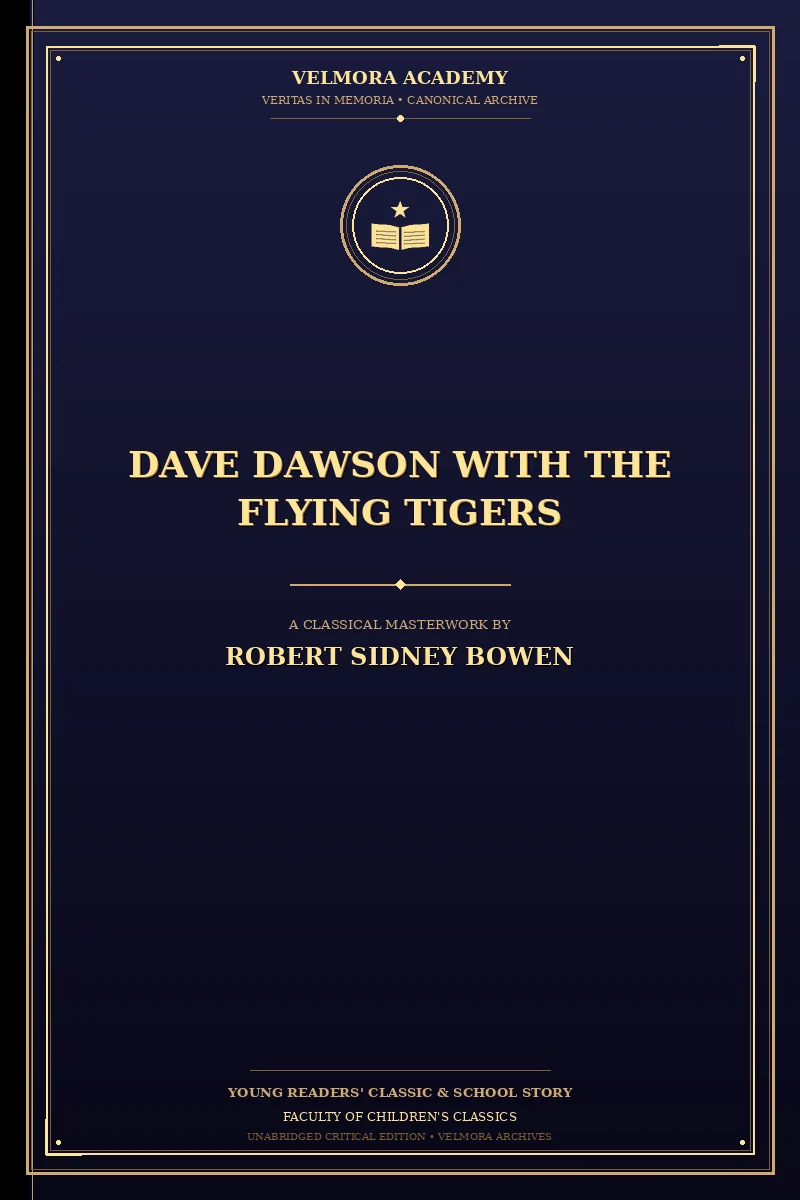
Cover illustration for Dave Dawson with the Flying Tigers
Context Illustration Reading 1/81 · 5 lines
English subtitles · tap any word to listen 1 / 5
Dawson didn't hear the last because he was already ducking through the door and back toward amidships.
After a couple of steps his eyes focussed on the scene, and his heart leaped with relief.
The crew, and Freddy Farmer, were none the worse for wear and tear.
They had obviously realized that a crash landing was inevitable and had braced themselves for the jolt.
But even at that the force of the crash had spilled them around like peas in a can.
0:00 / 0:00
Speed 0.75x
AI-generated narration by OpenAI · Slow US English
LEARNER DICTIONARY
Archivist
/ˈɑːrkɪvɪst/
Editorial verification pending

A keeper or guardian of historical records and memories.

Dave Dawson with the Flying Tigers

Chapter III

Chapter 3 of Dave Dawson with the Flying Tigers is here in full — 408 sentences across 82 reading sections, with audio for every sentence and word.

Reading 1/81 · 5 reading units · Lines 1–5

Line 1
Dawson didn't hear the last because he was already ducking through the door and back toward amidships.
Line 2
After a couple of steps his eyes focussed on the scene, and his heart leaped with relief.
/ˈæftər ə ˈkʌpəl ʌv steps hɪz aɪz ˈfoʊkəst ɑːn ðə siːn ənd hɪz hɑːrt lept wɪð rɪˈliːf/
Line 3
The crew, and Freddy Farmer, were none the worse for wear and tear.
Line 4
They had obviously realized that a crash landing was inevitable and had braced themselves for the jolt.
/ðeɪ hæd ˈɑːbviəsli ˈriːəlaɪzd ðæt ə kræʃ ˈlændɪŋ wɑːz ˌɪˈnevətəbəl ənd hæd breɪst ðemˈselvz fɔːr ðə dʒoʊlt/
Line 5
But even at that the force of the crash had spilled them around like peas in a can.
/bʌt ˈiːvɪn æt ðæt ðə fɔːrs ʌv ðə kræʃ hæd spɪld ðem ərˈaʊnd laɪk piːz ɪn ə kæn/

Learner Dictionary

These definitions explain words found in the current reading and keep every example grounded in its original sentence.

Oxford-style entry order: headword, part of speech, US IPA, concise definition, contextual example, and audio.

amidships adverb US /əˈmɪdʃɪps/

at or near or toward the center of a ship

From this reading “Dawson didn't hear the last because he was already ducking through the door and back toward amidships.”

braced adjective US /breɪst/

positioned so as to be ready for confrontation or danger

From this reading “They had obviously realized that a crash landing was inevitable and had braced themselves for the jolt.”

Dawson noun US /ˈdɔːsən/

a town in northwestern Canada in the Yukon on the Yukon River; a boom town around 1900 when gold was discovered in the Klondike

From this reading “Dawson didn't hear the last because he was already ducking through the door and back toward amidships.”

ducking noun US /ˈdʌkɪŋ/

hunting ducks

From this reading “Dawson didn't hear the last because he was already ducking through the door and back toward amidships.”

focussed adjective US /ˈfoʊkəst/

being in focus or brought into focus

From this reading “After a couple of steps his eyes focussed on the scene, and his heart leaped with relief.”

jolt noun US /dʒoʊlt/

a sudden jarring impact

From this reading “They had obviously realized that a crash landing was inevitable and had braced themselves for the jolt.”

peas noun US /piːz/

plural of “pea” — seed of a pea plant used for food

From this reading “But even at that the force of the crash had spilled them around like peas in a can.”

spilled verb US /spɪld/

past form of “spill” — cause or allow (a liquid substance) to run or flow from a container

From this reading “But even at that the force of the crash had spilled them around like peas in a can.”

Word partnerships in these lines

English keeps certain words together, and knowing the pair is worth more than knowing each word alone. Every partnership below was counted across our whole published library, and earns its place by appearing far more often than two unrelated words of the same frequency would.

Shown as this reading writes them, with the form the library counts, what kind of pairing it is, and how often it occurs.

heart leaped noun + noun counted as “heart leap”

In this reading “After a couple of steps his eyes focussed on the scene, and his heart leaped with relief.”

through the door preposition + article + noun counted as “through … door”

In this reading “Dawson didn't hear the last because he was already ducking through the door and back toward amidships.”

All words in this reading · 61

Every word in these five lines is listed here, and every one of them can be played on its own.

Dictionary details are shown only when verified; these are not licensed Oxford entries.

adeterminerUS /ə/

used before a singular noun to mean one of a group, when it is not a particular one

From this reading After a couple of steps his eyes focussed on the scene, and his heart leaped with relief.

AfterprepositionUS /ˈæftər/

later than; following

From this reading After a couple of steps his eyes focussed on the scene, and his heart leaped with relief.

alreadyadverbUS /ɔːlˈredi/

prior to a specified or implied time

From this reading Dawson didn't hear the last because he was already ducking through the door and back toward amidships.

amidshipsadverbUS /əˈmɪdʃɪps/

at or near or toward the center of a ship

From this reading Dawson didn't hear the last because he was already ducking through the door and back toward amidships.

andconjunctionUS /ənd/

used to join words or parts of a sentence that go together

From this reading Dawson didn't hear the last because he was already ducking through the door and back toward amidships.

aroundprepositionUS /ərˈaʊnd/

surrounding, or on every side of, something

From this reading But even at that the force of the crash had spilled them around like peas in a can.

atprepositionUS /æt/

in or near a particular place or position

From this reading But even at that the force of the crash had spilled them around like peas in a can.

backadverbUS /bæk/

in or to or toward a former location

From this reading Dawson didn't hear the last because he was already ducking through the door and back toward amidships.

becauseconjunctionUS /bɪˈkɔːz/

for the reason that

From this reading Dawson didn't hear the last because he was already ducking through the door and back toward amidships.

bracedadjectiveUS /breɪst/

positioned so as to be ready for confrontation or danger

From this reading They had obviously realized that a crash landing was inevitable and had braced themselves for the jolt.

ButconjunctionUS /bʌt/

used to introduce something that contrasts with what came before

From this reading But even at that the force of the crash had spilled them around like peas in a can.

canmodal verbUS /kæn/

to be able to, or to be allowed to

From this reading But even at that the force of the crash had spilled them around like peas in a can.

couplenounUS /ˈkʌpəl/

a pair who associate with one another

From this reading After a couple of steps his eyes focussed on the scene, and his heart leaped with relief.

crashverbUS /kræʃ/

fall or come down violently

From this reading They had obviously realized that a crash landing was inevitable and had braced themselves for the jolt.

crewnounUS /kruː/

the men and women who man a vehicle (ship, aircraft, etc.)

From this reading The crew, and Freddy Farmer, were none the worse for wear and tear.

DawsonnounUS /ˈdɔːsən/

a town in northwestern Canada in the Yukon on the Yukon River; a boom town around 1900 when gold was discovered in the Klondike

From this reading Dawson didn't hear the last because he was already ducking through the door and back toward amidships.

didn't

Dictionary entry pending editorial verification. Tap Listen to hear the word.

From this reading Dawson didn't hear the last because he was already ducking through the door and back toward amidships.

doornounUS /dɔːr/

a swinging or sliding barrier that will close the entrance to a room or building or vehicle

From this reading Dawson didn't hear the last because he was already ducking through the door and back toward amidships.

duckingnounUS /ˈdʌkɪŋ/

hunting ducks

From this reading Dawson didn't hear the last because he was already ducking through the door and back toward amidships.

evenadjectiveUS /ˈiːvɪn/

divisible by two

From this reading But even at that the force of the crash had spilled them around like peas in a can.

eyesnounUS /aɪz/

opinion or judgment

From this reading After a couple of steps his eyes focussed on the scene, and his heart leaped with relief.

FarmernounUS /ˈfɑːrmər/

a person who operates a farm

From this reading The crew, and Freddy Farmer, were none the worse for wear and tear.

focussedadjectiveUS /ˈfoʊkəst/

being in focus or brought into focus

From this reading After a couple of steps his eyes focussed on the scene, and his heart leaped with relief.

forprepositionUS /fɔːr/

intended to be given to, or used by, somebody

From this reading The crew, and Freddy Farmer, were none the worse for wear and tear.

forcenounUS /fɔːrs/

a powerful effect or influence

From this reading But even at that the force of the crash had spilled them around like peas in a can.

Freddy

Dictionary entry pending editorial verification. Tap Listen to hear the word.

From this reading The crew, and Freddy Farmer, were none the worse for wear and tear.

hadauxiliary verbUS /hæd/

the past form of “have”, used to form the past perfect

From this reading They had obviously realized that a crash landing was inevitable and had braced themselves for the jolt.

hepronounUS /hiː/

a man, boy, or male animal already mentioned, as the subject

From this reading Dawson didn't hear the last because he was already ducking through the door and back toward amidships.

hearverbUS /hiːr/

perceive (sound) via the auditory sense

From this reading Dawson didn't hear the last because he was already ducking through the door and back toward amidships.

heartnounUS /hɑːrt/

the locus of feelings and intuitions

From this reading After a couple of steps his eyes focussed on the scene, and his heart leaped with relief.

hisdeterminerUS /hɪz/

belonging to a man, boy, or male animal already mentioned

From this reading After a couple of steps his eyes focussed on the scene, and his heart leaped with relief.

inprepositionUS /ɪn/

inside something, or within a place, period, or state

From this reading But even at that the force of the crash had spilled them around like peas in a can.

inevitableadjectiveUS /ˌɪˈnevətəbəl/

incapable of being avoided or prevented

From this reading They had obviously realized that a crash landing was inevitable and had braced themselves for the jolt.

joltnounUS /dʒoʊlt/

a sudden jarring impact

From this reading They had obviously realized that a crash landing was inevitable and had braced themselves for the jolt.

landingnounUS /ˈlændɪŋ/

an intermediate platform in a staircase

From this reading They had obviously realized that a crash landing was inevitable and had braced themselves for the jolt.

lastadjectiveUS /læst/

immediately past

From this reading Dawson didn't hear the last because he was already ducking through the door and back toward amidships.

leapedverbUS /lept/

past form of “leap” — move forward by leaps and bounds

From this reading After a couple of steps his eyes focussed on the scene, and his heart leaped with relief.

likeverbUS /laɪk/

prefer or wish to do something

From this reading But even at that the force of the crash had spilled them around like peas in a can.

nonepronounUS /nʌn/

not one, and not any

From this reading The crew, and Freddy Farmer, were none the worse for wear and tear.

obviouslyadverbUS /ˈɑːbviəsli/

unmistakably (“plain” is often used informally for “plainly”)

From this reading They had obviously realized that a crash landing was inevitable and had braced themselves for the jolt.

ofprepositionUS /ʌv/

belonging to, or connected with, somebody or something

From this reading After a couple of steps his eyes focussed on the scene, and his heart leaped with relief.

onprepositionUS /ɑːn/

touching and supported by a surface

From this reading After a couple of steps his eyes focussed on the scene, and his heart leaped with relief.

peasnounUS /piːz/

plural of “pea” — seed of a pea plant used for food

From this reading But even at that the force of the crash had spilled them around like peas in a can.

realizedadjectiveUS /ˈriːəlaɪzd/

successfully completed or brought to an end

From this reading They had obviously realized that a crash landing was inevitable and had braced themselves for the jolt.

reliefnounUS /rɪˈliːf/

the feeling that comes when something burdensome is removed or reduced

From this reading After a couple of steps his eyes focussed on the scene, and his heart leaped with relief.

scenenounUS /siːn/

the place where some action occurs

From this reading After a couple of steps his eyes focussed on the scene, and his heart leaped with relief.

spilledverbUS /spɪld/

past form of “spill” — cause or allow (a liquid substance) to run or flow from a container

From this reading But even at that the force of the crash had spilled them around like peas in a can.

stepsnounUS /steps/

a flight of stairs or a flight of steps

From this reading After a couple of steps his eyes focussed on the scene, and his heart leaped with relief.

tearverbUS /ter/

separate or cause to separate abruptly

From this reading The crew, and Freddy Farmer, were none the worse for wear and tear.

thatconjunctionUS /ðæt/

used to introduce what somebody said, thought, or felt

From this reading They had obviously realized that a crash landing was inevitable and had braced themselves for the jolt.

thedeterminerUS /ðə/

used before a noun that is already known, already mentioned, or the only one of its kind

From this reading Dawson didn't hear the last because he was already ducking through the door and back toward amidships.

thempronounUS /ðem/

the people or things already mentioned, as the object

From this reading But even at that the force of the crash had spilled them around like peas in a can.

themselvespronounUS /ðemˈselvz/

used when the people doing the action are also its object

From this reading They had obviously realized that a crash landing was inevitable and had braced themselves for the jolt.

TheypronounUS /ðeɪ/

the people, animals, or things already mentioned, as the subject

From this reading They had obviously realized that a crash landing was inevitable and had braced themselves for the jolt.

throughprepositionUS /θruː/

from one end or side of something to the other

From this reading Dawson didn't hear the last because he was already ducking through the door and back toward amidships.

towardprepositionUS /təˈwɔːrd/

in the direction of

From this reading Dawson didn't hear the last because he was already ducking through the door and back toward amidships.

wasauxiliary verbUS /wɑːz/

the past form of “be” used with I, he, she, it, or a singular noun

From this reading Dawson didn't hear the last because he was already ducking through the door and back toward amidships.

wearverbUS /wer/

be dressed in

From this reading The crew, and Freddy Farmer, were none the worse for wear and tear.

wereauxiliary verbUS /wɜːr/

the past form of “be” used with you, we, they, or a plural noun

From this reading The crew, and Freddy Farmer, were none the worse for wear and tear.

withprepositionUS /wɪð/

in the company of; together with

From this reading After a couple of steps his eyes focussed on the scene, and his heart leaped with relief.

worseadjectiveUS /wɜːrs/

(comparative of “bad”) inferior to another in quality or condition or desirability

From this reading The crew, and Freddy Farmer, were none the worse for wear and tear.

Chapter 3 of Dave Dawson with the Flying Tigers by Robert Sidney Bowen holds 408 sentences, grouped into 82 reading sections of at most 5 sentences. The text is the source edition, unabridged, and the chapter records which sentences cover which part of the work so that nothing is dropped. Every word can be tapped for its pronunciation and dictionary entry.

What does chapter 3 of Dave Dawson with the Flying Tigers contain?

Chapter 3 holds 408 sentences of Dave Dawson with the Flying Tigers, unabridged, divided into 82 reading sections.

This page carries chapter 3 of Dave Dawson with the Flying Tigers by Robert Sidney Bowen exactly as it stands in the source edition, without abridgement. It runs to 408 sentences, grouped into 82 sections of at most 5 sentences so that a reader can take the chapter in steady, finishable pieces. The chapter also stores a coverage record mapping every one of its sentences to a part of the work, which is how the edition demonstrates that no line was dropped.

How do I study chapter 3 of Dave Dawson with the Flying Tigers?

Work through the 82 sections in order, replaying any sentence and tapping unfamiliar words for their entries.

Each of the 82 sections in this chapter is short enough to read once, hear once, and then re-read with the vocabulary in view. Tapping a word plays it alone and opens its dictionary entry with IPA, part of speech and meaning, so the reader is never forced to guess a pronunciation from spelling. Working section by section keeps a long chapter from becoming an undifferentiated wall of text, which is the usual reason a reader abandons a work of this period.

Can chapter 3 be read aloud to me?

Yes — every sentence and every individual word in chapter 3 can be played aloud in United States English.

Audio covers the whole chapter: any sentence can be played, and any single word within it can be played on its own. The voice uses United States English. For a work of this period that matters, because spelling is an unreliable guide to pronunciation for vocabulary that has fallen out of daily use, and a learner who guesses wrong tends to keep the error. Hearing the word in its own sentence, and then alone, settles it.

Questions about reading Dave Dawson with the Flying Tigers

Common questions about reading Dave Dawson with the Flying Tigers by Robert Sidney Bowen on this page, its source edition and its audio.

Is this the complete text of Dave Dawson with the Flying Tigers?

Yes. All 3736 sentences of Project Gutenberg eBook #50259 are kept, with a record of which sentences cover which part.

Which edition of Dave Dawson with the Flying Tigers is used?

Project Gutenberg eBook #50259, unabridged. The Project Gutenberg header, footer and licence are removed.

How long does Dave Dawson with the Flying Tigers take to read?

About 311 minutes of reading across 748 sections of 5 sentences each, at an unhurried pace.

How to read Dave Dawson with the Flying Tigers section by section

How to work through Dave Dawson with the Flying Tigers section by section, using the audio and the tap-to-define vocabulary.

  1. Open a chapter

    Choose one of the 9 chapters of Dave Dawson with the Flying Tigers to begin.

  2. Read one section

    Each section holds 5 sentences; read it once through.

  3. Listen and tap

    Play the section aloud, then tap any unfamiliar word for its entry.

Vocabulary met early in Dave Dawson with the Flying Tigers

Words and structures a reader meets early in Dave Dawson with the Flying Tigers, each tappable for pronunciation and meaning.

Appearance
A word that appears in the opening chapter of Dave Dawson with the Flying Tigers; the reader can tap it to hear it and see its dictionary entry.
Striving
A word that appears in the opening chapter of Dave Dawson with the Flying Tigers; the reader can tap it to hear it and see its dictionary entry.
Solve
A word that appears in the opening chapter of Dave Dawson with the Flying Tigers; the reader can tap it to hear it and see its dictionary entry.
World's
A word that appears in the opening chapter of Dave Dawson with the Flying Tigers; the reader can tap it to hear it and see its dictionary entry.