Complete classic literature • Five-line readings • Clear US narration
VELMORA ACADEMY
Academy of Archival Languages & Memory Studies
Menu Close
Dave Ranney Or, Thirty Years on the Bowery

Chapter II · Chapter 2

Chapter 2 of Dave Ranney Or, Thirty Years on the Bowery is here in full — 254 sentences across 51 reading sections, with audio for every sentence and word.

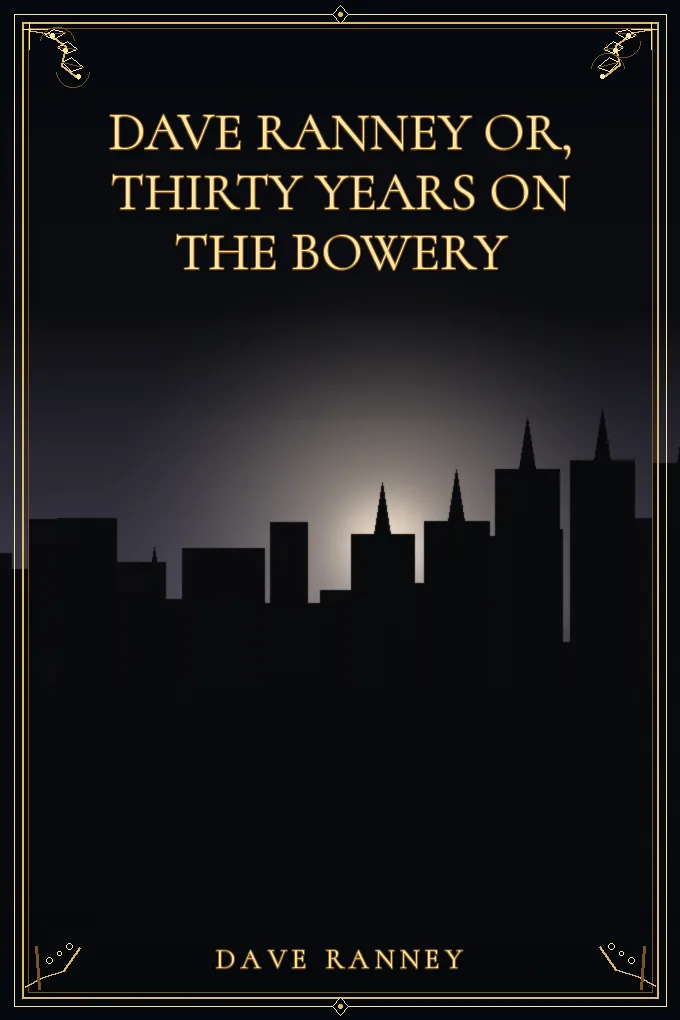
Cover illustration for Dave Ranney Or, Thirty Years on the Bowery
Context Illustration Reading 1/50 · 5 lines
English subtitles · tap any word to listen 1 / 5
FIRST STEPS IN CRIME I was getting tired of school and wanted to go to work.
I had a good Christian man for my Sunday-school teacher, Mr. M., a fairly rich man, and I did think a good deal of him.
I liked to go to Sunday-school and was often the first in my class.
The teacher would put up a prize for the one that was there first.
Sometimes it would be a baseball bat, skates, book, or knife.
0:00 / 0:00
Speed 0.75x
AI-generated narration by OpenAI · Slow US English
LEARNER DICTIONARY
Archivist
/ˈɑːrkɪvɪst/
Editorial verification pending

A keeper or guardian of historical records and memories.

Dave Ranney Or, Thirty Years on the Bowery

Chapter II · Chapter 2

Chapter 2 of Dave Ranney Or, Thirty Years on the Bowery is here in full — 254 sentences across 51 reading sections, with audio for every sentence and word.

Reading 1/50 · 5 reading units · Lines 1–5

Line 1
FIRST STEPS IN CRIME I was getting tired of school and wanted to go to work.
/fɜːrst steps ɪn kraɪm aɪ wɑːz ˈɡetɪŋ ˈtaɪərd ʌv skuːl ənd ˈwɔːntɪd tuː ɡoʊ tuː wɜːrk/
Line 2
I had a good Christian man for my Sunday-school teacher, Mr. M., a fairly rich man, and I did think a good deal of him.
Line 3
I liked to go to Sunday-school and was often the first in my class.
Line 4
The teacher would put up a prize for the one that was there first.
/ðə ˈtiːtʃər wʊd pʊt ʌp ə praɪz fɔːr ðə wʌn ðæt wɑːz ðer fɜːrst/
Line 5
Sometimes it would be a baseball bat, skates, book, or knife.
/səmˈtaɪmz ɪt wʊd biː ə ˈbeɪsˈbɔːl bæt skeɪts bʊk ɔːr naɪf/

Learner Dictionary

These definitions explain words found in the current reading and keep every example grounded in its original sentence.

Oxford-style entry order: headword, part of speech, US IPA, concise definition, contextual example, and audio.

baseball noun US /ˈbeɪsˈbɔːl/

a ball game played with a bat and ball between two teams of nine players; teams take turns at bat trying to score runs

From this reading “Sometimes it would be a baseball bat, skates, book, or knife.”

bat noun US /bæt/

nocturnal mouselike mammal with forelimbs modified to form membranous wings and anatomical adaptations for echolocation by which they navigate

From this reading “Sometimes it would be a baseball bat, skates, book, or knife.”

crime noun US /kraɪm/

(criminal law) an act punishable by law; usually considered an evil act

From this reading “FIRST STEPS IN CRIME I was getting tired of school and wanted to go to work.”

fairly adverb US /ˈferli/

to certain extent or degree

From this reading “I had a good Christian man for my Sunday-school teacher, Mr. M., a fairly rich man, and I did think a good deal of him.”

knife noun US /naɪf/

edge tool used as a cutting instrument; has a pointed blade with a sharp edge and a handle

From this reading “Sometimes it would be a baseball bat, skates, book, or knife.”

prize noun US /praɪz/

something given for victory or superiority in a contest or competition or for winning a lottery

From this reading “The teacher would put up a prize for the one that was there first.”

skates noun US /skeɪts/

plural of “skate” — sports equipment that is worn on the feet to enable the wearer to glide along and to be propelled by the alternate actions of the legs

From this reading “Sometimes it would be a baseball bat, skates, book, or knife.”

teacher noun US /ˈtiːtʃər/

a person whose occupation is teaching

From this reading “I had a good Christian man for my Sunday-school teacher, Mr. M., a fairly rich man, and I did think a good deal of him.”

All words in this reading · 52

Every word in these five lines is listed here, and every one of them can be played on its own.

Dictionary details are shown only when verified; these are not licensed Oxford entries.

adeterminerUS /ə/

used before a singular noun to mean one of a group, when it is not a particular one

From this reading I had a good Christian man for my Sunday-school teacher, Mr. M., a fairly rich man, and I did think a good deal of him.

andconjunctionUS /ənd/

used to join words or parts of a sentence that go together

From this reading FIRST STEPS IN CRIME I was getting tired of school and wanted to go to work.

baseballnounUS /ˈbeɪsˈbɔːl/

a ball game played with a bat and ball between two teams of nine players; teams take turns at bat trying to score runs

From this reading Sometimes it would be a baseball bat, skates, book, or knife.

batnounUS /bæt/

nocturnal mouselike mammal with forelimbs modified to form membranous wings and anatomical adaptations for echolocation by which they navigate

From this reading Sometimes it would be a baseball bat, skates, book, or knife.

beauxiliary verbUS /biː/

used with a past participle to form the passive, or with -ing for continuous tenses

From this reading Sometimes it would be a baseball bat, skates, book, or knife.

booknounUS /bʊk/

a written work or composition that has been published (printed on pages bound together)

From this reading Sometimes it would be a baseball bat, skates, book, or knife.

ChristianadjectiveUS /ˈkrɪstʃən/

relating to or characteristic of Christianity

From this reading I had a good Christian man for my Sunday-school teacher, Mr. M., a fairly rich man, and I did think a good deal of him.

classnounUS /klæs/

a collection of things sharing a common attribute

From this reading I liked to go to Sunday-school and was often the first in my class.

CRIMEnounUS /kraɪm/

(criminal law) an act punishable by law; usually considered an evil act

From this reading FIRST STEPS IN CRIME I was getting tired of school and wanted to go to work.

dealverbUS /diːl/

act on verbally or in some form of artistic expression

From this reading I had a good Christian man for my Sunday-school teacher, Mr. M., a fairly rich man, and I did think a good deal of him.

didauxiliary verbUS /dɪd/

the past form of “do”, used in questions and negatives

From this reading I had a good Christian man for my Sunday-school teacher, Mr. M., a fairly rich man, and I did think a good deal of him.

fairlyadverbUS /ˈferli/

to certain extent or degree

From this reading I had a good Christian man for my Sunday-school teacher, Mr. M., a fairly rich man, and I did think a good deal of him.

FIRSTadjectiveUS /fɜːrst/

preceding all others in time or space or degree

From this reading FIRST STEPS IN CRIME I was getting tired of school and wanted to go to work.

forprepositionUS /fɔːr/

intended to be given to, or used by, somebody

From this reading I had a good Christian man for my Sunday-school teacher, Mr. M., a fairly rich man, and I did think a good deal of him.

gettingnounUS /ˈɡetɪŋ/

the act of acquiring something

From this reading FIRST STEPS IN CRIME I was getting tired of school and wanted to go to work.

goverbUS /ɡoʊ/

change location; move, travel, or proceed, also metaphorically

From this reading FIRST STEPS IN CRIME I was getting tired of school and wanted to go to work.

goodadjectiveUS /ɡʊd/

having desirable or positive qualities especially those suitable for a thing specified

From this reading I had a good Christian man for my Sunday-school teacher, Mr. M., a fairly rich man, and I did think a good deal of him.

hadauxiliary verbUS /hæd/

the past form of “have”, used to form the past perfect

From this reading I had a good Christian man for my Sunday-school teacher, Mr. M., a fairly rich man, and I did think a good deal of him.

himpronounUS /hɪm/

the male already mentioned, as the object of a verb or preposition

From this reading I had a good Christian man for my Sunday-school teacher, Mr. M., a fairly rich man, and I did think a good deal of him.

IpronounUS /aɪ/

the person speaking or writing, as the subject of the verb

From this reading FIRST STEPS IN CRIME I was getting tired of school and wanted to go to work.

INprepositionUS /ɪn/

inside something, or within a place, period, or state

From this reading FIRST STEPS IN CRIME I was getting tired of school and wanted to go to work.

itpronounUS /ɪt/

a thing, animal, or idea already mentioned

From this reading Sometimes it would be a baseball bat, skates, book, or knife.

knifenounUS /naɪf/

edge tool used as a cutting instrument; has a pointed blade with a sharp edge and a handle

From this reading Sometimes it would be a baseball bat, skates, book, or knife.

likedadjectiveUS /laɪkt/

found pleasant or attractive; often used as a combining form

From this reading I liked to go to Sunday-school and was often the first in my class.

MnounUS /em/

the basic unit of length adopted under the Systeme International d'Unites (approximately 1.094 yards)

From this reading I had a good Christian man for my Sunday-school teacher, Mr. M., a fairly rich man, and I did think a good deal of him.

mannounUS /mæn/

an adult person who is male (as opposed to a woman)

From this reading I had a good Christian man for my Sunday-school teacher, Mr. M., a fairly rich man, and I did think a good deal of him.

MrnounUS /ˈmɪstər/

a form of address for a man

From this reading I had a good Christian man for my Sunday-school teacher, Mr. M., a fairly rich man, and I did think a good deal of him.

mydeterminerUS /maɪ/

belonging to the person speaking

From this reading I had a good Christian man for my Sunday-school teacher, Mr. M., a fairly rich man, and I did think a good deal of him.

ofprepositionUS /ʌv/

belonging to, or connected with, somebody or something

From this reading FIRST STEPS IN CRIME I was getting tired of school and wanted to go to work.

oftenadverbUS /ˈɔːfən/

many times at short intervals

From this reading I liked to go to Sunday-school and was often the first in my class.

onepronounUS /wʌn/

used to mean any person in general, including the speaker

From this reading The teacher would put up a prize for the one that was there first.

orconjunctionUS /ɔːr/

used to join alternatives or possibilities

From this reading Sometimes it would be a baseball bat, skates, book, or knife.

prizenounUS /praɪz/

something given for victory or superiority in a contest or competition or for winning a lottery

From this reading The teacher would put up a prize for the one that was there first.

putverbUS /pʊt/

put into a certain place or abstract location

From this reading The teacher would put up a prize for the one that was there first.

richadjectiveUS /rɪtʃ/

possessing material wealth

From this reading I had a good Christian man for my Sunday-school teacher, Mr. M., a fairly rich man, and I did think a good deal of him.

schoolnounUS /skuːl/

an educational institution

From this reading FIRST STEPS IN CRIME I was getting tired of school and wanted to go to work.

skatesnounUS /skeɪts/

plural of “skate” — sports equipment that is worn on the feet to enable the wearer to glide along and to be propelled by the alternate actions of the legs

From this reading Sometimes it would be a baseball bat, skates, book, or knife.

SometimesadverbUS /səmˈtaɪmz/

on certain occasions or in certain cases but not always

From this reading Sometimes it would be a baseball bat, skates, book, or knife.

STEPSnounUS /steps/

a flight of stairs or a flight of steps

From this reading FIRST STEPS IN CRIME I was getting tired of school and wanted to go to work.

Sunday-school

Dictionary entry pending editorial verification. Tap Listen to hear the word.

From this reading I had a good Christian man for my Sunday-school teacher, Mr. M., a fairly rich man, and I did think a good deal of him.

teachernounUS /ˈtiːtʃər/

a person whose occupation is teaching

From this reading I had a good Christian man for my Sunday-school teacher, Mr. M., a fairly rich man, and I did think a good deal of him.

thatconjunctionUS /ðæt/

used to introduce what somebody said, thought, or felt

From this reading The teacher would put up a prize for the one that was there first.

thedeterminerUS /ðə/

used before a noun that is already known, already mentioned, or the only one of its kind

From this reading I liked to go to Sunday-school and was often the first in my class.

thereadverbUS /ðer/

in or at that place or location

From this reading The teacher would put up a prize for the one that was there first.

thinkverbUS /θɪŋk/

judge or regard; look upon; judge

From this reading I had a good Christian man for my Sunday-school teacher, Mr. M., a fairly rich man, and I did think a good deal of him.

tiredadjectiveUS /ˈtaɪərd/

depleted of strength or energy

From this reading FIRST STEPS IN CRIME I was getting tired of school and wanted to go to work.

toparticleUS /tuː/

used before the base form of a verb to make the infinitive

From this reading FIRST STEPS IN CRIME I was getting tired of school and wanted to go to work.

upadjectiveUS /ʌp/

being or moving higher in position or greater in some value; being above a former position or level

From this reading The teacher would put up a prize for the one that was there first.

wantedadjectiveUS /ˈwɔːntɪd/

desired or wished for or sought

From this reading FIRST STEPS IN CRIME I was getting tired of school and wanted to go to work.

wasauxiliary verbUS /wɑːz/

the past form of “be” used with I, he, she, it, or a singular noun

From this reading FIRST STEPS IN CRIME I was getting tired of school and wanted to go to work.

workverbUS /wɜːrk/

exert oneself by doing mental or physical work for a purpose or out of necessity

From this reading FIRST STEPS IN CRIME I was getting tired of school and wanted to go to work.

wouldmodal verbUS /wʊd/

used for something imagined, polite, or habitual in the past

From this reading The teacher would put up a prize for the one that was there first.

Chapter 2 of Dave Ranney Or, Thirty Years on the Bowery by Dave Ranney holds 254 sentences, grouped into 51 reading sections of at most 5 sentences. The text is the source edition, unabridged, and the chapter records which sentences cover which part of the work so that nothing is dropped. Every word can be tapped for its pronunciation and dictionary entry.

What does chapter 2 of Dave Ranney Or, Thirty Years on the Bowery contain?

Chapter 2 holds 254 sentences of Dave Ranney Or, Thirty Years on the Bowery, unabridged, divided into 51 reading sections.

This page carries chapter 2 of Dave Ranney Or, Thirty Years on the Bowery by Dave Ranney exactly as it stands in the source edition, without abridgement. It runs to 254 sentences, grouped into 51 sections of at most 5 sentences so that a reader can take the chapter in steady, finishable pieces. The chapter also stores a coverage record mapping every one of its sentences to a part of the work, which is how the edition demonstrates that no line was dropped.

How do I study chapter 2 of Dave Ranney Or, Thirty Years on the Bowery?

Work through the 51 sections in order, replaying any sentence and tapping unfamiliar words for their entries.

Each of the 51 sections in this chapter is short enough to read once, hear once, and then re-read with the vocabulary in view. Tapping a word plays it alone and opens its dictionary entry with IPA, part of speech and meaning, so the reader is never forced to guess a pronunciation from spelling. Working section by section keeps a long chapter from becoming an undifferentiated wall of text, which is the usual reason a reader abandons a work of this period.

Can chapter 2 be read aloud to me?

Yes — every sentence and every individual word in chapter 2 can be played aloud in United States English.

Audio covers the whole chapter: any sentence can be played, and any single word within it can be played on its own. The voice uses United States English. For a work of this period that matters, because spelling is an unreliable guide to pronunciation for vocabulary that has fallen out of daily use, and a learner who guesses wrong tends to keep the error. Hearing the word in its own sentence, and then alone, settles it.

Questions about reading Dave Ranney Or, Thirty Years on the Bowery

Common questions about reading Dave Ranney Or, Thirty Years on the Bowery by Dave Ranney on this page, its source edition and its audio.

Is this the complete text of Dave Ranney Or, Thirty Years on the Bowery?

Yes. All 2000 sentences of Project Gutenberg eBook #13889 are kept, with a record of which sentences cover which part.

Which edition of Dave Ranney Or, Thirty Years on the Bowery is used?

Project Gutenberg eBook #13889, unabridged. The Project Gutenberg header, footer and licence are removed.

How long does Dave Ranney Or, Thirty Years on the Bowery take to read?

About 166 minutes of reading across 400 sections of 5 sentences each, at an unhurried pace.

How to read Dave Ranney Or, Thirty Years on the Bowery section by section

How to work through Dave Ranney Or, Thirty Years on the Bowery section by section, using the audio and the tap-to-define vocabulary.

  1. Open a chapter

    Choose one of the 9 chapters of Dave Ranney Or, Thirty Years on the Bowery to begin.

  2. Read one section

    Each section holds 5 sentences; read it once through.

  3. Listen and tap

    Play the section aloud, then tap any unfamiliar word for its entry.

Vocabulary met early in Dave Ranney Or, Thirty Years on the Bowery

Words and structures a reader meets early in Dave Ranney Or, Thirty Years on the Bowery, each tappable for pronunciation and meaning.

Often
A word that appears in the opening chapter of Dave Ranney Or, Thirty Years on the Bowery; the reader can tap it to hear it and see its dictionary entry.
Asked
A word that appears in the opening chapter of Dave Ranney Or, Thirty Years on the Bowery; the reader can tap it to hear it and see its dictionary entry.
Question
A word that appears in the opening chapter of Dave Ranney Or, Thirty Years on the Bowery; the reader can tap it to hear it and see its dictionary entry.
Don't
A word that appears in the opening chapter of Dave Ranney Or, Thirty Years on the Bowery; the reader can tap it to hear it and see its dictionary entry.