Complete classic literature • Five-line readings • Clear US narration
VELMORA ACADEMY
Academy of Archival Languages & Memory Studies
Menu Close
Deerbrook
Deerbrook

Chapter XV · Chapter 15

Chapter 15 of Deerbrook is here in full — 409 sentences across 82 reading sections, with audio for every sentence and word.

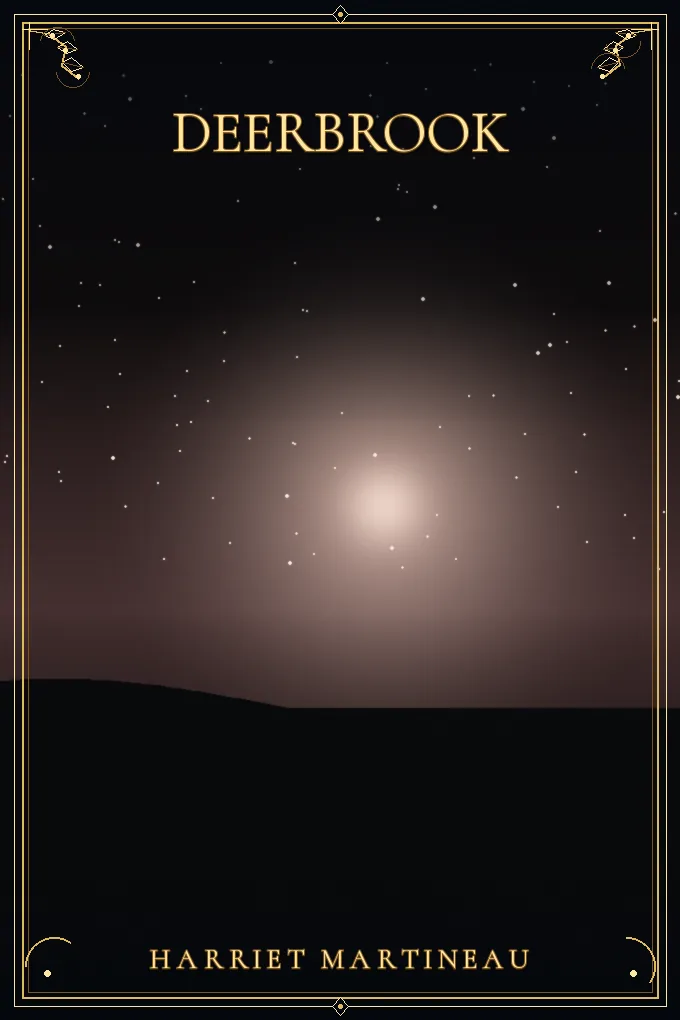
Cover illustration for Deerbrook
Context Illustration Reading 1/81 · 5 lines
English subtitles · tap any word to listen 1 / 5
"I will, if you will," replied Margaret, faintly smiling.
"There now, that's right!
We shall be all the better for it.
We have quite enough of seeming happy, God knows, beyond these doors.
We can talk there about kittens and cold fowl.
0:00 / 0:00
Speed 0.75x
AI-generated narration by OpenAI · Slow US English
LEARNER DICTIONARY
Archivist
/ˈɑːrkɪvɪst/
Editorial verification pending

A keeper or guardian of historical records and memories.

Deerbrook

Chapter XV · Chapter 15

Chapter 15 of Deerbrook is here in full — 409 sentences across 82 reading sections, with audio for every sentence and word.

Reading 1/81 · 5 reading units · Lines 1–5

Line 1
"I will, if you will," replied Margaret, faintly smiling.
Line 2
"There now, that's right!
Line 3
We shall be all the better for it.
/wiː ʃæl biː ɔːl ðə ˈbetər fɔːr ɪt/
Line 4
We have quite enough of seeming happy, God knows, beyond these doors.
/wiː hæv kwaɪt ɪˈnʌf ʌv ˈsiːmɪŋ ˈhæpi ɡɑːd noʊz bɪˈɑːnd ðiːz dɔːrz/
Line 5
We can talk there about kittens and cold fowl.
/wiː kæn tɔːk ðer əˈbaʊt ˈkɪtənz ənd koʊld faʊl/

Learner Dictionary

These definitions explain words found in the current reading and keep every example grounded in its original sentence.

Oxford-style entry order: headword, part of speech, US IPA, concise definition, contextual example, and audio.

beyond preposition US /bɪˈɑːnd/

on the far side of; further than

From this reading “We have quite enough of seeming happy, God knows, beyond these doors.”

doors noun US /dɔːrz/

plural of “door” — a swinging or sliding barrier that will close the entrance to a room or building or vehicle

From this reading “We have quite enough of seeming happy, God knows, beyond these doors.”

faintly adverb US /ˈfeɪntli/

to a faint degree or weakly perceived

From this reading “"I will, if you will," replied Margaret, faintly smiling.”

fowl noun US /faʊl/

a domesticated gallinaceous bird thought to be descended from the red jungle fowl

From this reading “We can talk there about kittens and cold fowl.”

kittens noun US /ˈkɪtənz/

plural of “kitten” — young domestic cat

From this reading “We can talk there about kittens and cold fowl.”

knows noun US /noʊz/

plural of “know” — the fact of being aware of information that is known to few people

From this reading “We have quite enough of seeming happy, God knows, beyond these doors.”

seeming adjective US /ˈsiːmɪŋ/

appearing as such but not necessarily so

From this reading “We have quite enough of seeming happy, God knows, beyond these doors.”

smiling noun US /ˈsmaɪlɪŋ/

a facial expression characterized by turning up the corners of the mouth; usually shows pleasure or amusement

From this reading “"I will, if you will," replied Margaret, faintly smiling.”

All words in this reading · 38

Every word in these five lines is listed here, and every one of them can be played on its own.

Dictionary details are shown only when verified; these are not licensed Oxford entries.

aboutprepositionUS /əˈbaʊt/

on the subject of; concerning

From this reading We can talk there about kittens and cold fowl.

alladjectiveUS /ɔːl/

(quantifier) used with either mass or count nouns to indicate the whole number or amount of or every one of a class

From this reading We shall be all the better for it.

andconjunctionUS /ənd/

used to join words or parts of a sentence that go together

From this reading We can talk there about kittens and cold fowl.

beauxiliary verbUS /biː/

used with a past participle to form the passive, or with -ing for continuous tenses

From this reading We shall be all the better for it.

betteradjectiveUS /ˈbetər/

(comparative of “good”) superior to another (of the same class or set or kind) in excellence or quality or desirability or suitability; more highly skilled than another

From this reading We shall be all the better for it.

beyondprepositionUS /bɪˈɑːnd/

on the far side of; further than

From this reading We have quite enough of seeming happy, God knows, beyond these doors.

canmodal verbUS /kæn/

to be able to, or to be allowed to

From this reading We can talk there about kittens and cold fowl.

coldadjectiveUS /koʊld/

having a low or inadequate temperature or feeling a sensation of coldness or having been made cold by e.g. ice or refrigeration

From this reading We can talk there about kittens and cold fowl.

doorsnounUS /dɔːrz/

plural of “door” — a swinging or sliding barrier that will close the entrance to a room or building or vehicle

From this reading We have quite enough of seeming happy, God knows, beyond these doors.

enoughnounUS /ɪˈnʌf/

an adequate quantity; a quantity that is large enough to achieve a purpose

From this reading We have quite enough of seeming happy, God knows, beyond these doors.

faintlyadverbUS /ˈfeɪntli/

to a faint degree or weakly perceived

From this reading "I will, if you will," replied Margaret, faintly smiling.

forprepositionUS /fɔːr/

intended to be given to, or used by, somebody

From this reading We shall be all the better for it.

fowlnounUS /faʊl/

a domesticated gallinaceous bird thought to be descended from the red jungle fowl

From this reading We can talk there about kittens and cold fowl.

GodnounUS /ɡɑːd/

the supernatural being conceived as the perfect and omnipotent and omniscient originator and ruler of the universe; the object of worship in monotheistic religions

From this reading We have quite enough of seeming happy, God knows, beyond these doors.

happyadjectiveUS /ˈhæpi/

enjoying or showing or marked by joy or pleasure

From this reading We have quite enough of seeming happy, God knows, beyond these doors.

haveauxiliary verbUS /hæv/

used with a past participle to form the perfect tenses

From this reading We have quite enough of seeming happy, God knows, beyond these doors.

IpronounUS /aɪ/

the person speaking or writing, as the subject of the verb

From this reading "I will, if you will," replied Margaret, faintly smiling.

ifconjunctionUS /ɪf/

on condition that; in the event that

From this reading "I will, if you will," replied Margaret, faintly smiling.

itpronounUS /ɪt/

a thing, animal, or idea already mentioned

From this reading We shall be all the better for it.

kittensnounUS /ˈkɪtənz/

plural of “kitten” — young domestic cat

From this reading We can talk there about kittens and cold fowl.

knowsnounUS /noʊz/

plural of “know” — the fact of being aware of information that is known to few people

From this reading We have quite enough of seeming happy, God knows, beyond these doors.

Margaret

Dictionary entry pending editorial verification. Tap Listen to hear the word.

From this reading "I will, if you will," replied Margaret, faintly smiling.

nowadverbUS /naʊ/

in the historical present; at this point in the narration of a series of past events

From this reading "There now, that's right!

ofprepositionUS /ʌv/

belonging to, or connected with, somebody or something

From this reading We have quite enough of seeming happy, God knows, beyond these doors.

quiteadverbUS /kwaɪt/

to a degree (not used with a negative)

From this reading We have quite enough of seeming happy, God knows, beyond these doors.

repliedverbUS /rɪˈplaɪd/

inflected form of “reply” — react verbally

From this reading "I will, if you will," replied Margaret, faintly smiling.

rightadverbUS /raɪt/

precisely, exactly

From this reading "There now, that's right!

seemingadjectiveUS /ˈsiːmɪŋ/

appearing as such but not necessarily so

From this reading We have quite enough of seeming happy, God knows, beyond these doors.

shallmodal verbUS /ʃæl/

used with I and we for the future, or to offer and suggest

From this reading We shall be all the better for it.

smilingnounUS /ˈsmaɪlɪŋ/

a facial expression characterized by turning up the corners of the mouth; usually shows pleasure or amusement

From this reading "I will, if you will," replied Margaret, faintly smiling.

talkverbUS /tɔːk/

exchange thoughts; talk with

From this reading We can talk there about kittens and cold fowl.

that's

Dictionary entry pending editorial verification. Tap Listen to hear the word.

From this reading "There now, that's right!

thedeterminerUS /ðə/

used before a noun that is already known, already mentioned, or the only one of its kind

From this reading We shall be all the better for it.

ThereadverbUS /ðer/

in or at that place or location

From this reading "There now, that's right!

thesedeterminerUS /ðiːz/

the plural of “this”: the people or things near, or just mentioned

From this reading We have quite enough of seeming happy, God knows, beyond these doors.

WepronounUS /wiː/

the speaker together with one or more other people

From this reading We shall be all the better for it.

willmodal verbUS /wɪl/

used to talk about the future, or about willingness

From this reading "I will, if you will," replied Margaret, faintly smiling.

youpronounUS /juː/

the person or people being spoken to

From this reading "I will, if you will," replied Margaret, faintly smiling.

Chapter 15 of Deerbrook by Harriet Martineau holds 409 sentences, grouped into 82 reading sections of at most 5 sentences. The text is the source edition, unabridged, and the chapter records which sentences cover which part of the work so that nothing is dropped. Every word can be tapped for its pronunciation and dictionary entry.

What does chapter 15 of Deerbrook contain?

Chapter 15 holds 409 sentences of Deerbrook, unabridged, divided into 82 reading sections.

This page carries chapter 15 of Deerbrook by Harriet Martineau exactly as it stands in the source edition, without abridgement. It runs to 409 sentences, grouped into 82 sections of at most 5 sentences so that a reader can take the chapter in steady, finishable pieces. The chapter also stores a coverage record mapping every one of its sentences to a part of the work, which is how the edition demonstrates that no line was dropped.

How do I study chapter 15 of Deerbrook?

Work through the 82 sections in order, replaying any sentence and tapping unfamiliar words for their entries.

Each of the 82 sections in this chapter is short enough to read once, hear once, and then re-read with the vocabulary in view. Tapping a word plays it alone and opens its dictionary entry with IPA, part of speech and meaning, so the reader is never forced to guess a pronunciation from spelling. Working section by section keeps a long chapter from becoming an undifferentiated wall of text, which is the usual reason a reader abandons a work of this period.

Can chapter 15 be read aloud to me?

Yes — every sentence and every individual word in chapter 15 can be played aloud in United States English.

Audio covers the whole chapter: any sentence can be played, and any single word within it can be played on its own. The voice uses United States English. For a work of this period that matters, because spelling is an unreliable guide to pronunciation for vocabulary that has fallen out of daily use, and a learner who guesses wrong tends to keep the error. Hearing the word in its own sentence, and then alone, settles it.

Questions about reading Deerbrook

Common questions about reading Deerbrook by Harriet Martineau on this page, its source edition and its audio.

Is this the complete text of Deerbrook?

Yes. All 11674 sentences of Project Gutenberg eBook #24210 are kept, with a record of which sentences cover which part.

Which edition of Deerbrook is used?

Project Gutenberg eBook #24210, unabridged. The Project Gutenberg header, footer and licence are removed.

How long does Deerbrook take to read?

About 600 minutes of reading across 2335 sections of 5 sentences each, at an unhurried pace.

How to read Deerbrook section by section

How to work through Deerbrook section by section, using the audio and the tap-to-define vocabulary.

  1. Open a chapter

    Choose one of the 29 chapters of Deerbrook to begin.

  2. Read one section

    Each section holds 5 sentences; read it once through.

  3. Listen and tap

    Play the section aloud, then tap any unfamiliar word for its entry.

Vocabulary met early in Deerbrook

Words and structures a reader meets early in Deerbrook, each tappable for pronunciation and meaning.

Deerbrook
A word that appears in the opening chapter of Deerbrook; the reader can tap it to hear it and see its dictionary entry.
Harriet
A word that appears in the opening chapter of Deerbrook; the reader can tap it to hear it and see its dictionary entry.
Martineau
A word that appears in the opening chapter of Deerbrook; the reader can tap it to hear it and see its dictionary entry.
Daughter
A word that appears in the opening chapter of Deerbrook; the reader can tap it to hear it and see its dictionary entry.