Complete classic literature • Five-line readings • Clear US narration
VELMORA ACADEMY
Academy of Archival Languages & Memory Studies
Menu Close
Dick Sand: A Captain at Fifteen

Chapter XII · Chapter 12

Chapter 12 of Dick Sand: A Captain at Fifteen is here in full — 190 sentences across 38 reading sections, with audio for every sentence and word.

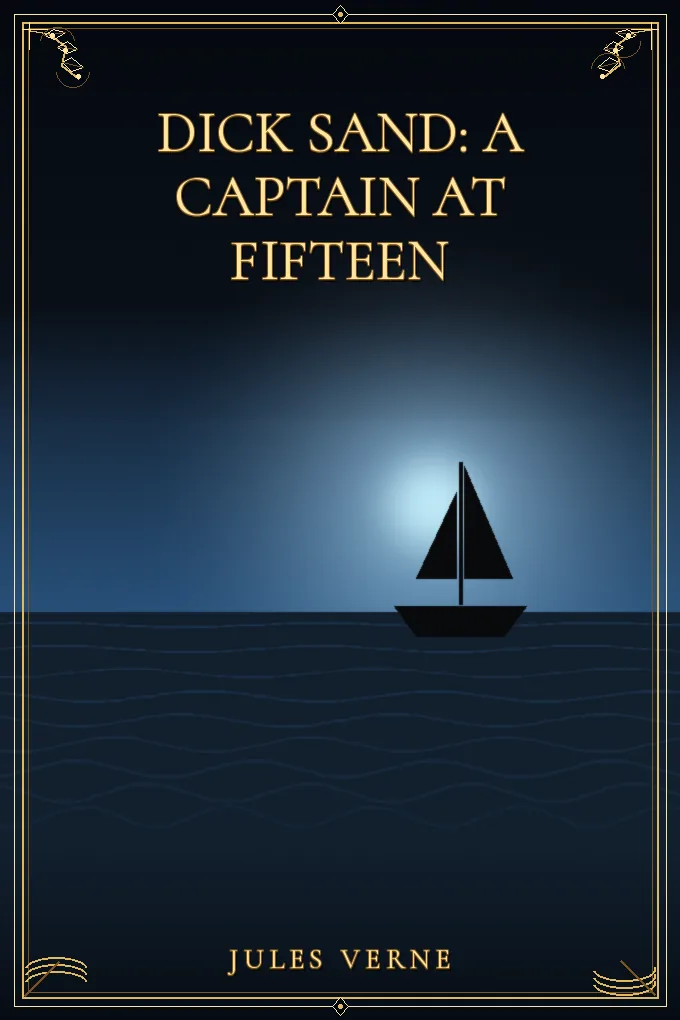
Cover illustration for Dick Sand: A Captain at Fifteen
Context Illustration Reading 1/38 · 5 lines
English subtitles · tap any word to listen 1 / 5
ON THE HORIZON.
At that date the tempest took its most terrible form, that of the hurricane.
The wind had set in from the southwest.
The air moved with a velocity of ninety miles an hour.
It was indeed a hurricane, in fact, one of those terrible windstorms which wrecks all the ships of a roadstead, and which, even on land, the most solid structures cannot resist.

0:00 / 0:00
Speed 0.75x
AI-generated narration by OpenAI · Slow US English
LEARNER DICTIONARY
Archivist
/ˈɑːrkɪvɪst/
Editorial verification pending

A keeper or guardian of historical records and memories.

Dick Sand: A Captain at Fifteen

Chapter XII · Chapter 12

Chapter 12 of Dick Sand: A Captain at Fifteen is here in full — 190 sentences across 38 reading sections, with audio for every sentence and word.

Reading 1/38 · 5 reading units · Lines 1–5

Line 1
ON THE HORIZON.
/ɑːn ðə hərˈaɪzən/
Line 2
At that date the tempest took its most terrible form, that of the hurricane.
/æt ðæt deɪt ðə ˈtempəst tʊk ɪts moʊst ˈterəbəl fɔːrm ðæt ʌv ðə ˈhɜːrəkeɪn/
Line 3
The wind had set in from the southwest.
/ðə waɪnd hæd set ɪn frʌm ðə ˌsaʊˈθwest/
Line 4
The air moved with a velocity of ninety miles an hour.
/ðə er muːvd wɪð ə vəˈlɑːsəti ʌv ˈnaɪnti maɪlz æn ˈaʊər/
Line 5
It was indeed a hurricane, in fact, one of those terrible windstorms which wrecks all the ships of a roadstead, and which, even on land, the most solid structures cannot resist.

Learner Dictionary

These definitions explain words found in the current reading and keep every example grounded in its original sentence.

Oxford-style entry order: headword, part of speech, US IPA, concise definition, contextual example, and audio.

hurricane noun US /ˈhɜːrəkeɪn/

a severe tropical cyclone usually with heavy rains and winds moving at 63-136 knots (12 on the Beaufort scale)

From this reading “At that date the tempest took its most terrible form, that of the hurricane.”

ninety adjective US /ˈnaɪnti/

being ten more than eighty

From this reading “The air moved with a velocity of ninety miles an hour.”

resist verb US /rɪˈzɪst/

elude, especially in a baffling way

From this reading “It was indeed a hurricane, in fact, one of those terrible windstorms which wrecks all the ships of a roadstead, and which, even on land, the most solid structures cannot resist.”

southwest noun US /ˌsaʊˈθwest/

the compass point midway between south and west; at 225 degrees

From this reading “The wind had set in from the southwest.”

structures noun US /ˈstrʌktʃərz/

plural of “structure” — a thing constructed; a complex entity constructed of many parts

From this reading “It was indeed a hurricane, in fact, one of those terrible windstorms which wrecks all the ships of a roadstead, and which, even on land, the most solid structures cannot resist.”

tempest noun US /ˈtempəst/

a violent commotion or disturbance

From this reading “At that date the tempest took its most terrible form, that of the hurricane.”

velocity noun US /vəˈlɑːsəti/

distance travelled per unit time

From this reading “The air moved with a velocity of ninety miles an hour.”

wrecks noun US /reks/

plural of “wreck” — something or someone that has suffered ruin or dilapidation

From this reading “It was indeed a hurricane, in fact, one of those terrible windstorms which wrecks all the ships of a roadstead, and which, even on land, the most solid structures cannot resist.”

All words in this reading · 48

Every word in these five lines is listed here, and every one of them can be played on its own.

Dictionary details are shown only when verified; these are not licensed Oxford entries.

adeterminerUS /ə/

used before a singular noun to mean one of a group, when it is not a particular one

From this reading The air moved with a velocity of ninety miles an hour.

airnounUS /er/

a mixture of gases (especially oxygen) required for breathing; the stuff that the wind consists of

From this reading The air moved with a velocity of ninety miles an hour.

alladjectiveUS /ɔːl/

(quantifier) used with either mass or count nouns to indicate the whole number or amount of or every one of a class

From this reading It was indeed a hurricane, in fact, one of those terrible windstorms which wrecks all the ships of a roadstead, and which, even on land, the most solid structures cannot resist.

andeterminerUS /æn/

the form of “a” used before a word that begins with a vowel sound

From this reading The air moved with a velocity of ninety miles an hour.

andconjunctionUS /ənd/

used to join words or parts of a sentence that go together

From this reading It was indeed a hurricane, in fact, one of those terrible windstorms which wrecks all the ships of a roadstead, and which, even on land, the most solid structures cannot resist.

AtprepositionUS /æt/

in or near a particular place or position

From this reading At that date the tempest took its most terrible form, that of the hurricane.

cannot

Dictionary entry pending editorial verification. Tap Listen to hear the word.

From this reading It was indeed a hurricane, in fact, one of those terrible windstorms which wrecks all the ships of a roadstead, and which, even on land, the most solid structures cannot resist.

datenounUS /deɪt/

the specified day of the month

From this reading At that date the tempest took its most terrible form, that of the hurricane.

evenadjectiveUS /ˈiːvɪn/

divisible by two

From this reading It was indeed a hurricane, in fact, one of those terrible windstorms which wrecks all the ships of a roadstead, and which, even on land, the most solid structures cannot resist.

factnounUS /fækt/

a piece of information about circumstances that exist or events that have occurred

From this reading It was indeed a hurricane, in fact, one of those terrible windstorms which wrecks all the ships of a roadstead, and which, even on land, the most solid structures cannot resist.

formnounUS /fɔːrm/

the phonological or orthographic sound or appearance of a word that can be used to describe or identify something

From this reading At that date the tempest took its most terrible form, that of the hurricane.

fromprepositionUS /frʌm/

showing where something starts, or who sent it

From this reading The wind had set in from the southwest.

hadauxiliary verbUS /hæd/

the past form of “have”, used to form the past perfect

From this reading The wind had set in from the southwest.

HORIZONnounUS /hərˈaɪzən/

the line at which the sky and Earth appear to meet

From this reading ON THE HORIZON.

hournounUS /ˈaʊər/

a period of time equal to 1/24th of a day

From this reading The air moved with a velocity of ninety miles an hour.

hurricanenounUS /ˈhɜːrəkeɪn/

a severe tropical cyclone usually with heavy rains and winds moving at 63-136 knots (12 on the Beaufort scale)

From this reading At that date the tempest took its most terrible form, that of the hurricane.

inprepositionUS /ɪn/

inside something, or within a place, period, or state

From this reading The wind had set in from the southwest.

indeedadverbUS /ˌɪnˈdiːd/

in truth (often tends to intensify)

From this reading It was indeed a hurricane, in fact, one of those terrible windstorms which wrecks all the ships of a roadstead, and which, even on land, the most solid structures cannot resist.

ItpronounUS /ɪt/

a thing, animal, or idea already mentioned

From this reading It was indeed a hurricane, in fact, one of those terrible windstorms which wrecks all the ships of a roadstead, and which, even on land, the most solid structures cannot resist.

itsdeterminerUS /ɪts/

belonging to the thing or animal already mentioned

From this reading At that date the tempest took its most terrible form, that of the hurricane.

landnounUS /lænd/

the land on which real estate is located

From this reading It was indeed a hurricane, in fact, one of those terrible windstorms which wrecks all the ships of a roadstead, and which, even on land, the most solid structures cannot resist.

milesnounUS /maɪlz/

plural of “mile” — a unit of length equal to 1,760 yards or 5,280 feet; exactly 1609.344 meters

From this reading The air moved with a velocity of ninety miles an hour.

mostadverbUS /moʊst/

used to form the superlative

From this reading At that date the tempest took its most terrible form, that of the hurricane.

movedadjectiveUS /muːvd/

being excited or provoked to the expression of an emotion

From this reading The air moved with a velocity of ninety miles an hour.

ninetyadjectiveUS /ˈnaɪnti/

being ten more than eighty

From this reading The air moved with a velocity of ninety miles an hour.

ofprepositionUS /ʌv/

belonging to, or connected with, somebody or something

From this reading At that date the tempest took its most terrible form, that of the hurricane.

ONprepositionUS /ɑːn/

touching and supported by a surface

From this reading ON THE HORIZON.

onepronounUS /wʌn/

used to mean any person in general, including the speaker

From this reading It was indeed a hurricane, in fact, one of those terrible windstorms which wrecks all the ships of a roadstead, and which, even on land, the most solid structures cannot resist.

resistverbUS /rɪˈzɪst/

elude, especially in a baffling way

From this reading It was indeed a hurricane, in fact, one of those terrible windstorms which wrecks all the ships of a roadstead, and which, even on land, the most solid structures cannot resist.

roadsteadnoun

a partly sheltered anchorage

From this reading It was indeed a hurricane, in fact, one of those terrible windstorms which wrecks all the ships of a roadstead, and which, even on land, the most solid structures cannot resist.

setverbUS /set/

put into a certain place or abstract location

From this reading The wind had set in from the southwest.

shipsnounUS /ʃɪps/

plural of “ship” — a vessel that carries passengers or freight

From this reading It was indeed a hurricane, in fact, one of those terrible windstorms which wrecks all the ships of a roadstead, and which, even on land, the most solid structures cannot resist.

solidadjectiveUS /ˈsɑːləd/

characterized by good substantial quality

From this reading It was indeed a hurricane, in fact, one of those terrible windstorms which wrecks all the ships of a roadstead, and which, even on land, the most solid structures cannot resist.

southwestnounUS /ˌsaʊˈθwest/

the compass point midway between south and west; at 225 degrees

From this reading The wind had set in from the southwest.

structuresnounUS /ˈstrʌktʃərz/

plural of “structure” — a thing constructed; a complex entity constructed of many parts

From this reading It was indeed a hurricane, in fact, one of those terrible windstorms which wrecks all the ships of a roadstead, and which, even on land, the most solid structures cannot resist.

tempestnounUS /ˈtempəst/

a violent commotion or disturbance

From this reading At that date the tempest took its most terrible form, that of the hurricane.

terribleadjectiveUS /ˈterəbəl/

causing fear or dread or terror

From this reading At that date the tempest took its most terrible form, that of the hurricane.

thatconjunctionUS /ðæt/

used to introduce what somebody said, thought, or felt

From this reading At that date the tempest took its most terrible form, that of the hurricane.

THEdeterminerUS /ðə/

used before a noun that is already known, already mentioned, or the only one of its kind

From this reading ON THE HORIZON.

thosedeterminerUS /ðoʊz/

the plural of “that”: the people or things further away, or already known

From this reading It was indeed a hurricane, in fact, one of those terrible windstorms which wrecks all the ships of a roadstead, and which, even on land, the most solid structures cannot resist.

tookverbUS /tʊk/

inflected form of “take” — carry out

From this reading At that date the tempest took its most terrible form, that of the hurricane.

velocitynounUS /vəˈlɑːsəti/

distance travelled per unit time

From this reading The air moved with a velocity of ninety miles an hour.

wasauxiliary verbUS /wɑːz/

the past form of “be” used with I, he, she, it, or a singular noun

From this reading It was indeed a hurricane, in fact, one of those terrible windstorms which wrecks all the ships of a roadstead, and which, even on land, the most solid structures cannot resist.

whichpronounUS /wɪtʃ/

used to introduce a clause giving more about a thing just mentioned

From this reading It was indeed a hurricane, in fact, one of those terrible windstorms which wrecks all the ships of a roadstead, and which, even on land, the most solid structures cannot resist.

windnounUS /waɪnd/

air moving (sometimes with considerable force) from an area of high pressure to an area of low pressure

From this reading The wind had set in from the southwest.

windstorms

Dictionary entry pending editorial verification. Tap Listen to hear the word.

From this reading It was indeed a hurricane, in fact, one of those terrible windstorms which wrecks all the ships of a roadstead, and which, even on land, the most solid structures cannot resist.

withprepositionUS /wɪð/

in the company of; together with

From this reading The air moved with a velocity of ninety miles an hour.

wrecksnounUS /reks/

plural of “wreck” — something or someone that has suffered ruin or dilapidation

From this reading It was indeed a hurricane, in fact, one of those terrible windstorms which wrecks all the ships of a roadstead, and which, even on land, the most solid structures cannot resist.

Chapter 12 of Dick Sand: A Captain at Fifteen by Jules Verne holds 190 sentences, grouped into 38 reading sections of at most 5 sentences. The text is the source edition, unabridged, and the chapter records which sentences cover which part of the work so that nothing is dropped. Every word can be tapped for its pronunciation and dictionary entry.

What does chapter 12 of Dick Sand: A Captain at Fifteen contain?

Chapter 12 holds 190 sentences of Dick Sand: A Captain at Fifteen, unabridged, divided into 38 reading sections.

This page carries chapter 12 of Dick Sand: A Captain at Fifteen by Jules Verne exactly as it stands in the source edition, without abridgement. It runs to 190 sentences, grouped into 38 sections of at most 5 sentences so that a reader can take the chapter in steady, finishable pieces. The chapter also stores a coverage record mapping every one of its sentences to a part of the work, which is how the edition demonstrates that no line was dropped.

How do I study chapter 12 of Dick Sand: A Captain at Fifteen?

Work through the 38 sections in order, replaying any sentence and tapping unfamiliar words for their entries.

Each of the 38 sections in this chapter is short enough to read once, hear once, and then re-read with the vocabulary in view. Tapping a word plays it alone and opens its dictionary entry with IPA, part of speech and meaning, so the reader is never forced to guess a pronunciation from spelling. Working section by section keeps a long chapter from becoming an undifferentiated wall of text, which is the usual reason a reader abandons a work of this period.

Can chapter 12 be read aloud to me?

Yes — every sentence and every individual word in chapter 12 can be played aloud in United States English.

Audio covers the whole chapter: any sentence can be played, and any single word within it can be played on its own. The voice uses United States English. For a work of this period that matters, because spelling is an unreliable guide to pronunciation for vocabulary that has fallen out of daily use, and a learner who guesses wrong tends to keep the error. Hearing the word in its own sentence, and then alone, settles it.

Questions about reading Dick Sand: A Captain at Fifteen

Common questions about reading Dick Sand: A Captain at Fifteen by Jules Verne on this page, its source edition and its audio.

Is this the complete text of Dick Sand: A Captain at Fifteen?

Yes. All 7104 sentences of Project Gutenberg eBook #12051 are kept, with a record of which sentences cover which part.

Which edition of Dick Sand: A Captain at Fifteen is used?

Project Gutenberg eBook #12051, unabridged. The Project Gutenberg header, footer and licence are removed.

How long does Dick Sand: A Captain at Fifteen take to read?

About 592 minutes of reading across 1421 sections of 5 sentences each, at an unhurried pace.

How to read Dick Sand: A Captain at Fifteen section by section

How to work through Dick Sand: A Captain at Fifteen section by section, using the audio and the tap-to-define vocabulary.

  1. Open a chapter

    Choose one of the 38 chapters of Dick Sand: A Captain at Fifteen to begin.

  2. Read one section

    Each section holds 5 sentences; read it once through.

  3. Listen and tap

    Play the section aloud, then tap any unfamiliar word for its entry.

Vocabulary met early in Dick Sand: A Captain at Fifteen

Words and structures a reader meets early in Dick Sand: A Captain at Fifteen, each tappable for pronunciation and meaning.

Brig-schooner
A word that appears in the opening chapter of Dick Sand: A Captain at Fifteen; the reader can tap it to hear it and see its dictionary entry.
Pilgrim
A word that appears in the opening chapter of Dick Sand: A Captain at Fifteen; the reader can tap it to hear it and see its dictionary entry.
February
A word that appears in the opening chapter of Dick Sand: A Captain at Fifteen; the reader can tap it to hear it and see its dictionary entry.
Schooner
A word that appears in the opening chapter of Dick Sand: A Captain at Fifteen; the reader can tap it to hear it and see its dictionary entry.