Complete classic literature • Five-line readings • Clear US narration
VELMORA ACADEMY
Academy of Archival Languages & Memory Studies
Menu Close
Dick Sand: A Captain at Fifteen

Chapter XXII · Chapter 22

Chapter 22 of Dick Sand: A Captain at Fifteen is here in full — 211 sentences across 43 reading sections, with audio for every sentence and word.

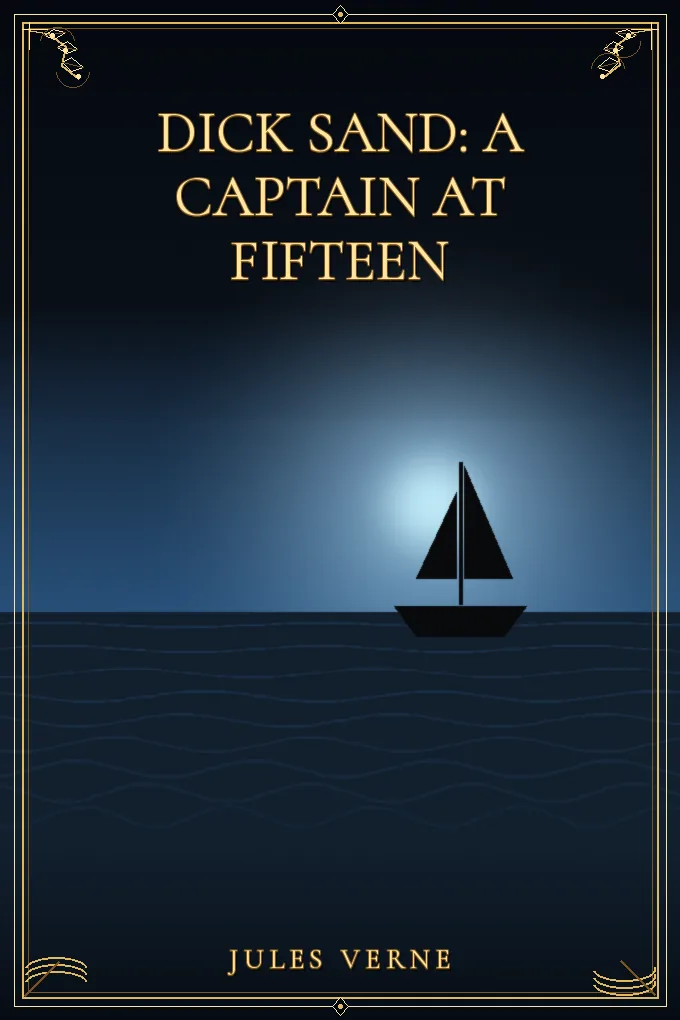
Cover illustration for Dick Sand: A Captain at Fifteen
Context Illustration Reading 1/42 · 5 lines
English subtitles · tap any word to listen 1 / 5
THE BAD ROADS OF ANGOLA.
At this moment little Jack awoke, and put his arms around his mother's neck.
His eyes looked better.
The fever had not returned.
"You are better, my darling," said Mrs. Weldon, pressing the sick child to her heart.
0:00 / 0:00
Speed 0.75x
AI-generated narration by OpenAI · Slow US English
LEARNER DICTIONARY
Archivist
/ˈɑːrkɪvɪst/
Editorial verification pending

A keeper or guardian of historical records and memories.

Dick Sand: A Captain at Fifteen

Chapter XXII · Chapter 22

Chapter 22 of Dick Sand: A Captain at Fifteen is here in full — 211 sentences across 43 reading sections, with audio for every sentence and word.

Reading 1/42 · 5 reading units · Lines 1–5

Line 1
THE BAD ROADS OF ANGOLA.
/ðə bæd roʊdz ʌv æŋˈɡoʊlə/
Line 2
At this moment little Jack awoke, and put his arms around his mother's neck.
/æt ðɪs ˈmoʊmənt ˈlɪtəl dʒæk əˈwoʊk ənd pʊt hɪz ɑːrmz ərˈaʊnd hɪz ˈmʌðərz nek/
Line 3
His eyes looked better.
/hɪz aɪz lʊkt ˈbetər/
Line 4
The fever had not returned.
/ðə ˈfiːvər hæd nɑːt rɪˈtɜːrnd/
Line 5
"You are better, my darling," said Mrs. Weldon, pressing the sick child to her heart.

Learner Dictionary

These definitions explain words found in the current reading and keep every example grounded in its original sentence.

Oxford-style entry order: headword, part of speech, US IPA, concise definition, contextual example, and audio.

angola noun US /æŋˈɡoʊlə/

a republic in southwestern Africa on the Atlantic Ocean; achieved independence from Portugal in 1975 and was the scene of civil war until 1990

From this reading “THE BAD ROADS OF ANGOLA.”

awoke verb US /əˈwoʊk/

inflected form of “awake” — stop sleeping

From this reading “At this moment little Jack awoke, and put his arms around his mother's neck.”

darling noun US /ˈdɑːrlɪŋ/

a special loved one

From this reading “"You are better, my darling," said Mrs. Weldon, pressing the sick child to her heart.”

fever noun US /ˈfiːvər/

a rise in the temperature of the body; frequently a symptom of infection

From this reading “The fever had not returned.”

mother's noun US /ˈmʌðərz/

possessive form of “mother” — a woman who has given birth to a child (also used as a term of address to your mother)

From this reading “At this moment little Jack awoke, and put his arms around his mother's neck.”

pressing noun US /ˈpresɪŋ/

the act of pressing; the exertion of pressure

From this reading “"You are better, my darling," said Mrs. Weldon, pressing the sick child to her heart.”

roads noun US /roʊdz/

a partly sheltered anchorage

From this reading “THE BAD ROADS OF ANGOLA.”

sick adjective US /sɪk/

affected by an impairment of normal physical or mental function

From this reading “"You are better, my darling," said Mrs. Weldon, pressing the sick child to her heart.”

All words in this reading · 38

Every word in these five lines is listed here, and every one of them can be played on its own.

Dictionary details are shown only when verified; these are not licensed Oxford entries.

andconjunctionUS /ənd/

used to join words or parts of a sentence that go together

From this reading At this moment little Jack awoke, and put his arms around his mother's neck.

ANGOLAnounUS /æŋˈɡoʊlə/

a republic in southwestern Africa on the Atlantic Ocean; achieved independence from Portugal in 1975 and was the scene of civil war until 1990

From this reading THE BAD ROADS OF ANGOLA.

areauxiliary verbUS /ɑːr/

the form of “be” used with you, we, they, or a plural noun

From this reading "You are better, my darling," said Mrs. Weldon, pressing the sick child to her heart.

armsnounUS /ɑːrmz/

weapons considered collectively

From this reading At this moment little Jack awoke, and put his arms around his mother's neck.

aroundprepositionUS /ərˈaʊnd/

surrounding, or on every side of, something

From this reading At this moment little Jack awoke, and put his arms around his mother's neck.

AtprepositionUS /æt/

in or near a particular place or position

From this reading At this moment little Jack awoke, and put his arms around his mother's neck.

awokeverbUS /əˈwoʊk/

inflected form of “awake” — stop sleeping

From this reading At this moment little Jack awoke, and put his arms around his mother's neck.

BADadjectiveUS /bæd/

having undesirable or negative qualities

From this reading THE BAD ROADS OF ANGOLA.

betteradjectiveUS /ˈbetər/

(comparative of “good”) superior to another (of the same class or set or kind) in excellence or quality or desirability or suitability; more highly skilled than another

From this reading His eyes looked better.

childnounUS /tʃaɪld/

a young person of either sex

From this reading "You are better, my darling," said Mrs. Weldon, pressing the sick child to her heart.

darlingnounUS /ˈdɑːrlɪŋ/

a special loved one

From this reading "You are better, my darling," said Mrs. Weldon, pressing the sick child to her heart.

eyesnounUS /aɪz/

opinion or judgment

From this reading His eyes looked better.

fevernounUS /ˈfiːvər/

a rise in the temperature of the body; frequently a symptom of infection

From this reading The fever had not returned.

hadauxiliary verbUS /hæd/

the past form of “have”, used to form the past perfect

From this reading The fever had not returned.

heartnounUS /hɑːrt/

the locus of feelings and intuitions

From this reading "You are better, my darling," said Mrs. Weldon, pressing the sick child to her heart.

herdeterminerUS /hɜːr/

belonging to a woman, girl, or female animal already mentioned

From this reading "You are better, my darling," said Mrs. Weldon, pressing the sick child to her heart.

hisdeterminerUS /hɪz/

belonging to a man, boy, or male animal already mentioned

From this reading At this moment little Jack awoke, and put his arms around his mother's neck.

JacknounUS /dʒæk/

a small worthless amount

From this reading At this moment little Jack awoke, and put his arms around his mother's neck.

littleadjectiveUS /ˈlɪtəl/

limited or below average in number or quantity or magnitude or extent

From this reading At this moment little Jack awoke, and put his arms around his mother's neck.

lookedverbUS /lʊkt/

past form of “look” — perceive with attention; direct one's gaze towards

From this reading His eyes looked better.

momentnounUS /ˈmoʊmənt/

a particular point in time

From this reading At this moment little Jack awoke, and put his arms around his mother's neck.

mother'snounUS /ˈmʌðərz/

possessive form of “mother” — a woman who has given birth to a child (also used as a term of address to your mother)

From this reading At this moment little Jack awoke, and put his arms around his mother's neck.

MrsnounUS /ˈmɪsɪz/

a form of address for a married woman

From this reading "You are better, my darling," said Mrs. Weldon, pressing the sick child to her heart.

mydeterminerUS /maɪ/

belonging to the person speaking

From this reading "You are better, my darling," said Mrs. Weldon, pressing the sick child to her heart.

necknounUS /nek/

the part of an organism (human or animal) that connects the head to the rest of the body

From this reading At this moment little Jack awoke, and put his arms around his mother's neck.

notadverbUS /nɑːt/

used to make a word, phrase, or sentence negative

From this reading The fever had not returned.

OFprepositionUS /ʌv/

belonging to, or connected with, somebody or something

From this reading THE BAD ROADS OF ANGOLA.

pressingnounUS /ˈpresɪŋ/

the act of pressing; the exertion of pressure

From this reading "You are better, my darling," said Mrs. Weldon, pressing the sick child to her heart.

putverbUS /pʊt/

put into a certain place or abstract location

From this reading At this moment little Jack awoke, and put his arms around his mother's neck.

returnedverbUS /rɪˈtɜːrnd/

past form of “return” — go or come back to place, condition, or activity where one has been before

From this reading The fever had not returned.

ROADSnounUS /roʊdz/

a partly sheltered anchorage

From this reading THE BAD ROADS OF ANGOLA.

saidadjectiveUS /sed/

being the one previously mentioned or spoken of

From this reading "You are better, my darling," said Mrs. Weldon, pressing the sick child to her heart.

sickadjectiveUS /sɪk/

affected by an impairment of normal physical or mental function

From this reading "You are better, my darling," said Mrs. Weldon, pressing the sick child to her heart.

THEdeterminerUS /ðə/

used before a noun that is already known, already mentioned, or the only one of its kind

From this reading THE BAD ROADS OF ANGOLA.

thisdeterminerUS /ðɪs/

used for a person or thing that is near, or that has just been mentioned

From this reading At this moment little Jack awoke, and put his arms around his mother's neck.

toparticleUS /tuː/

used before the base form of a verb to make the infinitive

From this reading "You are better, my darling," said Mrs. Weldon, pressing the sick child to her heart.

Weldon

Dictionary entry pending editorial verification. Tap Listen to hear the word.

From this reading "You are better, my darling," said Mrs. Weldon, pressing the sick child to her heart.

YoupronounUS /juː/

the person or people being spoken to

From this reading "You are better, my darling," said Mrs. Weldon, pressing the sick child to her heart.

Chapter 22 of Dick Sand: A Captain at Fifteen by Jules Verne holds 211 sentences, grouped into 43 reading sections of at most 5 sentences. The text is the source edition, unabridged, and the chapter records which sentences cover which part of the work so that nothing is dropped. Every word can be tapped for its pronunciation and dictionary entry.

What does chapter 22 of Dick Sand: A Captain at Fifteen contain?

Chapter 22 holds 211 sentences of Dick Sand: A Captain at Fifteen, unabridged, divided into 43 reading sections.

This page carries chapter 22 of Dick Sand: A Captain at Fifteen by Jules Verne exactly as it stands in the source edition, without abridgement. It runs to 211 sentences, grouped into 43 sections of at most 5 sentences so that a reader can take the chapter in steady, finishable pieces. The chapter also stores a coverage record mapping every one of its sentences to a part of the work, which is how the edition demonstrates that no line was dropped.

How do I study chapter 22 of Dick Sand: A Captain at Fifteen?

Work through the 43 sections in order, replaying any sentence and tapping unfamiliar words for their entries.

Each of the 43 sections in this chapter is short enough to read once, hear once, and then re-read with the vocabulary in view. Tapping a word plays it alone and opens its dictionary entry with IPA, part of speech and meaning, so the reader is never forced to guess a pronunciation from spelling. Working section by section keeps a long chapter from becoming an undifferentiated wall of text, which is the usual reason a reader abandons a work of this period.

Can chapter 22 be read aloud to me?

Yes — every sentence and every individual word in chapter 22 can be played aloud in United States English.

Audio covers the whole chapter: any sentence can be played, and any single word within it can be played on its own. The voice uses United States English. For a work of this period that matters, because spelling is an unreliable guide to pronunciation for vocabulary that has fallen out of daily use, and a learner who guesses wrong tends to keep the error. Hearing the word in its own sentence, and then alone, settles it.

Questions about reading Dick Sand: A Captain at Fifteen

Common questions about reading Dick Sand: A Captain at Fifteen by Jules Verne on this page, its source edition and its audio.

Is this the complete text of Dick Sand: A Captain at Fifteen?

Yes. All 7104 sentences of Project Gutenberg eBook #12051 are kept, with a record of which sentences cover which part.

Which edition of Dick Sand: A Captain at Fifteen is used?

Project Gutenberg eBook #12051, unabridged. The Project Gutenberg header, footer and licence are removed.

How long does Dick Sand: A Captain at Fifteen take to read?

About 592 minutes of reading across 1421 sections of 5 sentences each, at an unhurried pace.

How to read Dick Sand: A Captain at Fifteen section by section

How to work through Dick Sand: A Captain at Fifteen section by section, using the audio and the tap-to-define vocabulary.

  1. Open a chapter

    Choose one of the 38 chapters of Dick Sand: A Captain at Fifteen to begin.

  2. Read one section

    Each section holds 5 sentences; read it once through.

  3. Listen and tap

    Play the section aloud, then tap any unfamiliar word for its entry.

Vocabulary met early in Dick Sand: A Captain at Fifteen

Words and structures a reader meets early in Dick Sand: A Captain at Fifteen, each tappable for pronunciation and meaning.

Brig-schooner
A word that appears in the opening chapter of Dick Sand: A Captain at Fifteen; the reader can tap it to hear it and see its dictionary entry.
Pilgrim
A word that appears in the opening chapter of Dick Sand: A Captain at Fifteen; the reader can tap it to hear it and see its dictionary entry.
February
A word that appears in the opening chapter of Dick Sand: A Captain at Fifteen; the reader can tap it to hear it and see its dictionary entry.
Schooner
A word that appears in the opening chapter of Dick Sand: A Captain at Fifteen; the reader can tap it to hear it and see its dictionary entry.