Every word is available to listen to. Dictionary details are shown only when verified; these are not licensed Oxford entries.
17
Dictionary entry pending editorial verification. Tap Listen to hear the word.
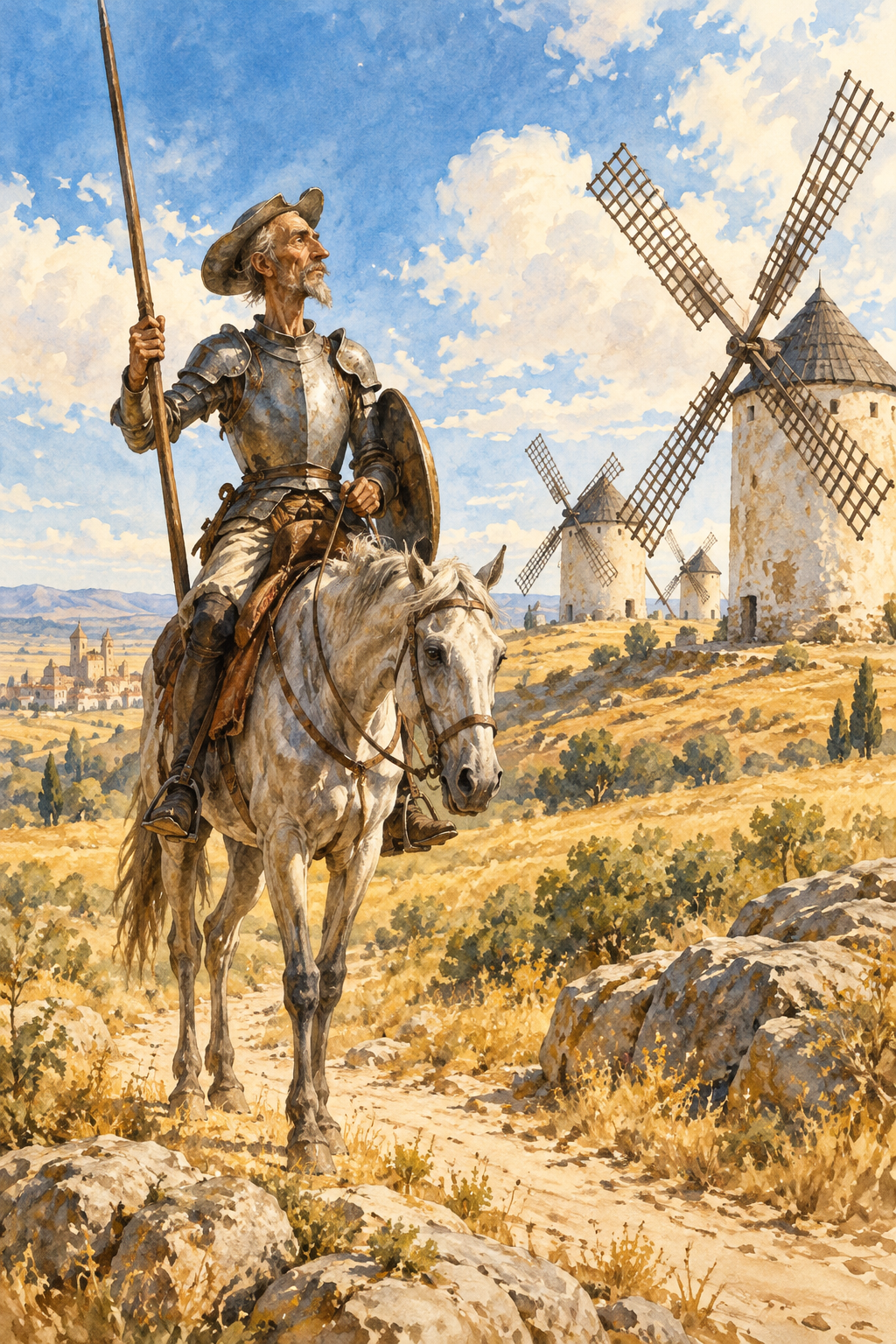
From this reading ARE CONTAINED THE INNUMERABLE TROUBLES WHICH THE BRAVE DON QUIXOTE AND HIS GOOD SQUIRE SANCHO PANZA ENDURED IN THE INN, WHICH TO HIS MISFORTUNE HE TOOK TO BE A CASTLE c17a.jpg (87K) Full Size By this time Don Quixote had recovered from his swoon; and in the same tone of voice in which he had called to his squire the day before when he lay stretched “in the vale of the stakes,” he began calling to him now, “Sancho, my friend, art thou asleep? sleepest thou, friend Sancho?”
87
Dictionary entry pending editorial verification. Tap Listen to hear the word.
From this reading ARE CONTAINED THE INNUMERABLE TROUBLES WHICH THE BRAVE DON QUIXOTE AND HIS GOOD SQUIRE SANCHO PANZA ENDURED IN THE INN, WHICH TO HIS MISFORTUNE HE TOOK TO BE A CASTLE c17a.jpg (87K) Full Size By this time Don Quixote had recovered from his swoon; and in the same tone of voice in which he had called to his squire the day before when he lay stretched “in the vale of the stakes,” he began calling to him now, “Sancho, my friend, art thou asleep? sleepest thou, friend Sancho?”
AdeterminerUS /ə/
used before a singular noun to mean one of a group, when it is not a particular one
From this reading ARE CONTAINED THE INNUMERABLE TROUBLES WHICH THE BRAVE DON QUIXOTE AND HIS GOOD SQUIRE SANCHO PANZA ENDURED IN THE INN, WHICH TO HIS MISFORTUNE HE TOOK TO BE A CASTLE c17a.jpg (87K) Full Size By this time Don Quixote had recovered from his swoon; and in the same tone of voice in which he had called to his squire the day before when he lay stretched “in the vale of the stakes,” he began calling to him now, “Sancho, my friend, art thou asleep? sleepest thou, friend Sancho?”
aboutprepositionUS /əˈbaʊt/
on the subject of; concerning
From this reading “Thou mayest well believe that,” answered Don Quixote, “because, either I know little, or this castle is enchanted, for thou must know—but this that I am now about to tell thee thou must swear to keep secret until after my death.”
afterprepositionUS /ˈæftər/
later than; following
From this reading “Thou mayest well believe that,” answered Don Quixote, “because, either I know little, or this castle is enchanted, for thou must know—but this that I am now about to tell thee thou must swear to keep secret until after my death.”
all
Dictionary entry pending editorial verification. Tap Listen to hear the word.
From this reading “How can I sleep, curses on it!” returned Sancho discontentedly and bitterly, “when it is plain that all the devils have been at me this night?”
amauxiliary verbUS /æm/
the form of “be” used with “I”
From this reading “Thou mayest well believe that,” answered Don Quixote, “because, either I know little, or this castle is enchanted, for thou must know—but this that I am now about to tell thee thou must swear to keep secret until after my death.”
ANDconjunctionUS /ənd/
used to join words or parts of a sentence that go together
From this reading ARE CONTAINED THE INNUMERABLE TROUBLES WHICH THE BRAVE DON QUIXOTE AND HIS GOOD SQUIRE SANCHO PANZA ENDURED IN THE INN, WHICH TO HIS MISFORTUNE HE TOOK TO BE A CASTLE c17a.jpg (87K) Full Size By this time Don Quixote had recovered from his swoon; and in the same tone of voice in which he had called to his squire the day before when he lay stretched “in the vale of the stakes,” he began calling to him now, “Sancho, my friend, art thou asleep? sleepest thou, friend Sancho?”
answerednounUS /ˈanswered/
a story-specific word describing an important person, object, action, or idea in this passage
From this reading “Thou mayest well believe that,” answered Don Quixote, “because, either I know little, or this castle is enchanted, for thou must know—but this that I am now about to tell thee thou must swear to keep secret until after my death.”
anyone's
Dictionary entry pending editorial verification. Tap Listen to hear the word.
From this reading “I say so,” continued Don Quixote, “because I hate taking away anyone’s good name.”
AREauxiliary verbUS /ɑːr/
the form of “be” used with you, we, they, or a plural noun
From this reading ARE CONTAINED THE INNUMERABLE TROUBLES WHICH THE BRAVE DON QUIXOTE AND HIS GOOD SQUIRE SANCHO PANZA ENDURED IN THE INN, WHICH TO HIS MISFORTUNE HE TOOK TO BE A CASTLE c17a.jpg (87K) Full Size By this time Don Quixote had recovered from his swoon; and in the same tone of voice in which he had called to his squire the day before when he lay stretched “in the vale of the stakes,” he began calling to him now, “Sancho, my friend, art thou asleep? sleepest thou, friend Sancho?”
artauxiliary verbUS /ɑːrt/
an old form of “are”, used with “thou”
From this reading ARE CONTAINED THE INNUMERABLE TROUBLES WHICH THE BRAVE DON QUIXOTE AND HIS GOOD SQUIRE SANCHO PANZA ENDURED IN THE INN, WHICH TO HIS MISFORTUNE HE TOOK TO BE A CASTLE c17a.jpg (87K) Full Size By this time Don Quixote had recovered from his swoon; and in the same tone of voice in which he had called to his squire the day before when he lay stretched “in the vale of the stakes,” he began calling to him now, “Sancho, my friend, art thou asleep? sleepest thou, friend Sancho?”
asleep
Dictionary entry pending editorial verification. Tap Listen to hear the word.
From this reading ARE CONTAINED THE INNUMERABLE TROUBLES WHICH THE BRAVE DON QUIXOTE AND HIS GOOD SQUIRE SANCHO PANZA ENDURED IN THE INN, WHICH TO HIS MISFORTUNE HE TOOK TO BE A CASTLE c17a.jpg (87K) Full Size By this time Don Quixote had recovered from his swoon; and in the same tone of voice in which he had called to his squire the day before when he lay stretched “in the vale of the stakes,” he began calling to him now, “Sancho, my friend, art thou asleep? sleepest thou, friend Sancho?”
atprepositionUS /æt/
in or near a particular place or position
From this reading “How can I sleep, curses on it!” returned Sancho discontentedly and bitterly, “when it is plain that all the devils have been at me this night?”
away
Dictionary entry pending editorial verification. Tap Listen to hear the word.
From this reading “I say so,” continued Don Quixote, “because I hate taking away anyone’s good name.”
BEauxiliary verbUS /biː/
used with a past participle to form the passive, or with -ing for continuous tenses
From this reading ARE CONTAINED THE INNUMERABLE TROUBLES WHICH THE BRAVE DON QUIXOTE AND HIS GOOD SQUIRE SANCHO PANZA ENDURED IN THE INN, WHICH TO HIS MISFORTUNE HE TOOK TO BE A CASTLE c17a.jpg (87K) Full Size By this time Don Quixote had recovered from his swoon; and in the same tone of voice in which he had called to his squire the day before when he lay stretched “in the vale of the stakes,” he began calling to him now, “Sancho, my friend, art thou asleep? sleepest thou, friend Sancho?”
becauseconjunctionUS /bɪˈkɔːz/
for the reason that
From this reading “Thou mayest well believe that,” answered Don Quixote, “because, either I know little, or this castle is enchanted, for thou must know—but this that I am now about to tell thee thou must swear to keep secret until after my death.”
beenauxiliary verbUS /bɪn/
the past participle of “be”
From this reading “How can I sleep, curses on it!” returned Sancho discontentedly and bitterly, “when it is plain that all the devils have been at me this night?”
beforeprepositionUS /bɪˈfɔːr/
earlier than; in front of
From this reading ARE CONTAINED THE INNUMERABLE TROUBLES WHICH THE BRAVE DON QUIXOTE AND HIS GOOD SQUIRE SANCHO PANZA ENDURED IN THE INN, WHICH TO HIS MISFORTUNE HE TOOK TO BE A CASTLE c17a.jpg (87K) Full Size By this time Don Quixote had recovered from his swoon; and in the same tone of voice in which he had called to his squire the day before when he lay stretched “in the vale of the stakes,” he began calling to him now, “Sancho, my friend, art thou asleep? sleepest thou, friend Sancho?”
begannounUS /began/
an important story-specific word used in this passage
From this reading ARE CONTAINED THE INNUMERABLE TROUBLES WHICH THE BRAVE DON QUIXOTE AND HIS GOOD SQUIRE SANCHO PANZA ENDURED IN THE INN, WHICH TO HIS MISFORTUNE HE TOOK TO BE A CASTLE c17a.jpg (87K) Full Size By this time Don Quixote had recovered from his swoon; and in the same tone of voice in which he had called to his squire the day before when he lay stretched “in the vale of the stakes,” he began calling to him now, “Sancho, my friend, art thou asleep? sleepest thou, friend Sancho?”
believenounUS /ˈbelieve/
a story-specific word describing an important person, object, action, or idea in this passage
From this reading “Thou mayest well believe that,” answered Don Quixote, “because, either I know little, or this castle is enchanted, for thou must know—but this that I am now about to tell thee thou must swear to keep secret until after my death.”
bitterlyadverbUS /ˈbɪtərli/
in a way that shows deep pain or grief
From this reading “How can I sleep, curses on it!” returned Sancho discontentedly and bitterly, “when it is plain that all the devils have been at me this night?”
BRAVE
Dictionary entry pending editorial verification. Tap Listen to hear the word.
From this reading ARE CONTAINED THE INNUMERABLE TROUBLES WHICH THE BRAVE DON QUIXOTE AND HIS GOOD SQUIRE SANCHO PANZA ENDURED IN THE INN, WHICH TO HIS MISFORTUNE HE TOOK TO BE A CASTLE c17a.jpg (87K) Full Size By this time Don Quixote had recovered from his swoon; and in the same tone of voice in which he had called to his squire the day before when he lay stretched “in the vale of the stakes,” he began calling to him now, “Sancho, my friend, art thou asleep? sleepest thou, friend Sancho?”
butconjunctionUS /bʌt/
used to introduce something that contrasts with what came before
From this reading “Thou mayest well believe that,” answered Don Quixote, “because, either I know little, or this castle is enchanted, for thou must know—but this that I am now about to tell thee thou must swear to keep secret until after my death.”
ByprepositionUS /baɪ/
showing who or what does the action
From this reading ARE CONTAINED THE INNUMERABLE TROUBLES WHICH THE BRAVE DON QUIXOTE AND HIS GOOD SQUIRE SANCHO PANZA ENDURED IN THE INN, WHICH TO HIS MISFORTUNE HE TOOK TO BE A CASTLE c17a.jpg (87K) Full Size By this time Don Quixote had recovered from his swoon; and in the same tone of voice in which he had called to his squire the day before when he lay stretched “in the vale of the stakes,” he began calling to him now, “Sancho, my friend, art thou asleep? sleepest thou, friend Sancho?”
c
Dictionary entry pending editorial verification. Tap Listen to hear the word.
From this reading ARE CONTAINED THE INNUMERABLE TROUBLES WHICH THE BRAVE DON QUIXOTE AND HIS GOOD SQUIRE SANCHO PANZA ENDURED IN THE INN, WHICH TO HIS MISFORTUNE HE TOOK TO BE A CASTLE c17a.jpg (87K) Full Size By this time Don Quixote had recovered from his swoon; and in the same tone of voice in which he had called to his squire the day before when he lay stretched “in the vale of the stakes,” he began calling to him now, “Sancho, my friend, art thou asleep? sleepest thou, friend Sancho?”
called
Dictionary entry pending editorial verification. Tap Listen to hear the word.
From this reading ARE CONTAINED THE INNUMERABLE TROUBLES WHICH THE BRAVE DON QUIXOTE AND HIS GOOD SQUIRE SANCHO PANZA ENDURED IN THE INN, WHICH TO HIS MISFORTUNE HE TOOK TO BE A CASTLE c17a.jpg (87K) Full Size By this time Don Quixote had recovered from his swoon; and in the same tone of voice in which he had called to his squire the day before when he lay stretched “in the vale of the stakes,” he began calling to him now, “Sancho, my friend, art thou asleep? sleepest thou, friend Sancho?”
calling
Dictionary entry pending editorial verification. Tap Listen to hear the word.
From this reading ARE CONTAINED THE INNUMERABLE TROUBLES WHICH THE BRAVE DON QUIXOTE AND HIS GOOD SQUIRE SANCHO PANZA ENDURED IN THE INN, WHICH TO HIS MISFORTUNE HE TOOK TO BE A CASTLE c17a.jpg (87K) Full Size By this time Don Quixote had recovered from his swoon; and in the same tone of voice in which he had called to his squire the day before when he lay stretched “in the vale of the stakes,” he began calling to him now, “Sancho, my friend, art thou asleep? sleepest thou, friend Sancho?”
canmodal verbUS /kæn/
to be able to, or to be allowed to
From this reading “How can I sleep, curses on it!” returned Sancho discontentedly and bitterly, “when it is plain that all the devils have been at me this night?”
CASTLE
Dictionary entry pending editorial verification. Tap Listen to hear the word.
From this reading ARE CONTAINED THE INNUMERABLE TROUBLES WHICH THE BRAVE DON QUIXOTE AND HIS GOOD SQUIRE SANCHO PANZA ENDURED IN THE INN, WHICH TO HIS MISFORTUNE HE TOOK TO BE A CASTLE c17a.jpg (87K) Full Size By this time Don Quixote had recovered from his swoon; and in the same tone of voice in which he had called to his squire the day before when he lay stretched “in the vale of the stakes,” he began calling to him now, “Sancho, my friend, art thou asleep? sleepest thou, friend Sancho?”
CONTAINED
Dictionary entry pending editorial verification. Tap Listen to hear the word.
From this reading ARE CONTAINED THE INNUMERABLE TROUBLES WHICH THE BRAVE DON QUIXOTE AND HIS GOOD SQUIRE SANCHO PANZA ENDURED IN THE INN, WHICH TO HIS MISFORTUNE HE TOOK TO BE A CASTLE c17a.jpg (87K) Full Size By this time Don Quixote had recovered from his swoon; and in the same tone of voice in which he had called to his squire the day before when he lay stretched “in the vale of the stakes,” he began calling to him now, “Sancho, my friend, art thou asleep? sleepest thou, friend Sancho?”
continuednounUS /ˈcontinued/
a story-specific word describing an important person, object, action, or idea in this passage
From this reading “I say so,” continued Don Quixote, “because I hate taking away anyone’s good name.”
curses
Dictionary entry pending editorial verification. Tap Listen to hear the word.
From this reading “How can I sleep, curses on it!” returned Sancho discontentedly and bitterly, “when it is plain that all the devils have been at me this night?”
day
Dictionary entry pending editorial verification. Tap Listen to hear the word.
From this reading ARE CONTAINED THE INNUMERABLE TROUBLES WHICH THE BRAVE DON QUIXOTE AND HIS GOOD SQUIRE SANCHO PANZA ENDURED IN THE INN, WHICH TO HIS MISFORTUNE HE TOOK TO BE A CASTLE c17a.jpg (87K) Full Size By this time Don Quixote had recovered from his swoon; and in the same tone of voice in which he had called to his squire the day before when he lay stretched “in the vale of the stakes,” he began calling to him now, “Sancho, my friend, art thou asleep? sleepest thou, friend Sancho?”
death
Dictionary entry pending editorial verification. Tap Listen to hear the word.
From this reading “Thou mayest well believe that,” answered Don Quixote, “because, either I know little, or this castle is enchanted, for thou must know—but this that I am now about to tell thee thou must swear to keep secret until after my death.”
devils
Dictionary entry pending editorial verification. Tap Listen to hear the word.
From this reading “How can I sleep, curses on it!” returned Sancho discontentedly and bitterly, “when it is plain that all the devils have been at me this night?”
discontentedly
Dictionary entry pending editorial verification. Tap Listen to hear the word.
From this reading “How can I sleep, curses on it!” returned Sancho discontentedly and bitterly, “when it is plain that all the devils have been at me this night?”
DON
Dictionary entry pending editorial verification. Tap Listen to hear the word.
From this reading ARE CONTAINED THE INNUMERABLE TROUBLES WHICH THE BRAVE DON QUIXOTE AND HIS GOOD SQUIRE SANCHO PANZA ENDURED IN THE INN, WHICH TO HIS MISFORTUNE HE TOOK TO BE A CASTLE c17a.jpg (87K) Full Size By this time Don Quixote had recovered from his swoon; and in the same tone of voice in which he had called to his squire the day before when he lay stretched “in the vale of the stakes,” he began calling to him now, “Sancho, my friend, art thou asleep? sleepest thou, friend Sancho?”
eitherdeterminerUS /ˈiːðər/
one or the other of two
From this reading “Thou mayest well believe that,” answered Don Quixote, “because, either I know little, or this castle is enchanted, for thou must know—but this that I am now about to tell thee thou must swear to keep secret until after my death.”
enchantedadjectiveUS /ɪnˈtʃæn.tɪd/
Filled with or placed under the influence of magical power or charm.
From this reading “Thou mayest well believe that,” answered Don Quixote, “because, either I know little, or this castle is enchanted, for thou must know—but this that I am now about to tell thee thou must swear to keep secret until after my death.”
ENDURED
Dictionary entry pending editorial verification. Tap Listen to hear the word.
From this reading ARE CONTAINED THE INNUMERABLE TROUBLES WHICH THE BRAVE DON QUIXOTE AND HIS GOOD SQUIRE SANCHO PANZA ENDURED IN THE INN, WHICH TO HIS MISFORTUNE HE TOOK TO BE A CASTLE c17a.jpg (87K) Full Size By this time Don Quixote had recovered from his swoon; and in the same tone of voice in which he had called to his squire the day before when he lay stretched “in the vale of the stakes,” he began calling to him now, “Sancho, my friend, art thou asleep? sleepest thou, friend Sancho?”
forprepositionUS /fɔːr/
intended to be given to, or used by, somebody
From this reading “Thou mayest well believe that,” answered Don Quixote, “because, either I know little, or this castle is enchanted, for thou must know—but this that I am now about to tell thee thou must swear to keep secret until after my death.”
friend
Dictionary entry pending editorial verification. Tap Listen to hear the word.
From this reading ARE CONTAINED THE INNUMERABLE TROUBLES WHICH THE BRAVE DON QUIXOTE AND HIS GOOD SQUIRE SANCHO PANZA ENDURED IN THE INN, WHICH TO HIS MISFORTUNE HE TOOK TO BE A CASTLE c17a.jpg (87K) Full Size By this time Don Quixote had recovered from his swoon; and in the same tone of voice in which he had called to his squire the day before when he lay stretched “in the vale of the stakes,” he began calling to him now, “Sancho, my friend, art thou asleep? sleepest thou, friend Sancho?”
fromprepositionUS /frʌm/
showing where something starts, or who sent it
From this reading ARE CONTAINED THE INNUMERABLE TROUBLES WHICH THE BRAVE DON QUIXOTE AND HIS GOOD SQUIRE SANCHO PANZA ENDURED IN THE INN, WHICH TO HIS MISFORTUNE HE TOOK TO BE A CASTLE c17a.jpg (87K) Full Size By this time Don Quixote had recovered from his swoon; and in the same tone of voice in which he had called to his squire the day before when he lay stretched “in the vale of the stakes,” he began calling to him now, “Sancho, my friend, art thou asleep? sleepest thou, friend Sancho?”
Full
Dictionary entry pending editorial verification. Tap Listen to hear the word.
From this reading ARE CONTAINED THE INNUMERABLE TROUBLES WHICH THE BRAVE DON QUIXOTE AND HIS GOOD SQUIRE SANCHO PANZA ENDURED IN THE INN, WHICH TO HIS MISFORTUNE HE TOOK TO BE A CASTLE c17a.jpg (87K) Full Size By this time Don Quixote had recovered from his swoon; and in the same tone of voice in which he had called to his squire the day before when he lay stretched “in the vale of the stakes,” he began calling to him now, “Sancho, my friend, art thou asleep? sleepest thou, friend Sancho?”
GOODnounUS /good/
an important story-specific word used in this passage
From this reading ARE CONTAINED THE INNUMERABLE TROUBLES WHICH THE BRAVE DON QUIXOTE AND HIS GOOD SQUIRE SANCHO PANZA ENDURED IN THE INN, WHICH TO HIS MISFORTUNE HE TOOK TO BE A CASTLE c17a.jpg (87K) Full Size By this time Don Quixote had recovered from his swoon; and in the same tone of voice in which he had called to his squire the day before when he lay stretched “in the vale of the stakes,” he began calling to him now, “Sancho, my friend, art thou asleep? sleepest thou, friend Sancho?”
hadauxiliary verbUS /hæd/
the past form of “have”, used to form the past perfect
From this reading ARE CONTAINED THE INNUMERABLE TROUBLES WHICH THE BRAVE DON QUIXOTE AND HIS GOOD SQUIRE SANCHO PANZA ENDURED IN THE INN, WHICH TO HIS MISFORTUNE HE TOOK TO BE A CASTLE c17a.jpg (87K) Full Size By this time Don Quixote had recovered from his swoon; and in the same tone of voice in which he had called to his squire the day before when he lay stretched “in the vale of the stakes,” he began calling to him now, “Sancho, my friend, art thou asleep? sleepest thou, friend Sancho?”
hate
Dictionary entry pending editorial verification. Tap Listen to hear the word.
From this reading “I say so,” continued Don Quixote, “because I hate taking away anyone’s good name.”
haveauxiliary verbUS /hæv/
used with a past participle to form the perfect tenses
From this reading “How can I sleep, curses on it!” returned Sancho discontentedly and bitterly, “when it is plain that all the devils have been at me this night?”
HEpronounUS /hiː/
a man, boy, or male animal already mentioned, as the subject
From this reading ARE CONTAINED THE INNUMERABLE TROUBLES WHICH THE BRAVE DON QUIXOTE AND HIS GOOD SQUIRE SANCHO PANZA ENDURED IN THE INN, WHICH TO HIS MISFORTUNE HE TOOK TO BE A CASTLE c17a.jpg (87K) Full Size By this time Don Quixote had recovered from his swoon; and in the same tone of voice in which he had called to his squire the day before when he lay stretched “in the vale of the stakes,” he began calling to him now, “Sancho, my friend, art thou asleep? sleepest thou, friend Sancho?”
himpronounUS /hɪm/
the male already mentioned, as the object of a verb or preposition
From this reading ARE CONTAINED THE INNUMERABLE TROUBLES WHICH THE BRAVE DON QUIXOTE AND HIS GOOD SQUIRE SANCHO PANZA ENDURED IN THE INN, WHICH TO HIS MISFORTUNE HE TOOK TO BE A CASTLE c17a.jpg (87K) Full Size By this time Don Quixote had recovered from his swoon; and in the same tone of voice in which he had called to his squire the day before when he lay stretched “in the vale of the stakes,” he began calling to him now, “Sancho, my friend, art thou asleep? sleepest thou, friend Sancho?”
HISdeterminerUS /hɪz/
belonging to a man, boy, or male animal already mentioned
From this reading ARE CONTAINED THE INNUMERABLE TROUBLES WHICH THE BRAVE DON QUIXOTE AND HIS GOOD SQUIRE SANCHO PANZA ENDURED IN THE INN, WHICH TO HIS MISFORTUNE HE TOOK TO BE A CASTLE c17a.jpg (87K) Full Size By this time Don Quixote had recovered from his swoon; and in the same tone of voice in which he had called to his squire the day before when he lay stretched “in the vale of the stakes,” he began calling to him now, “Sancho, my friend, art thou asleep? sleepest thou, friend Sancho?”
How
Dictionary entry pending editorial verification. Tap Listen to hear the word.
From this reading “How can I sleep, curses on it!” returned Sancho discontentedly and bitterly, “when it is plain that all the devils have been at me this night?”
IpronounUS /aɪ/
the person speaking or writing, as the subject of the verb
From this reading “How can I sleep, curses on it!” returned Sancho discontentedly and bitterly, “when it is plain that all the devils have been at me this night?”
INprepositionUS /ɪn/
inside something, or within a place, period, or state
From this reading ARE CONTAINED THE INNUMERABLE TROUBLES WHICH THE BRAVE DON QUIXOTE AND HIS GOOD SQUIRE SANCHO PANZA ENDURED IN THE INN, WHICH TO HIS MISFORTUNE HE TOOK TO BE A CASTLE c17a.jpg (87K) Full Size By this time Don Quixote had recovered from his swoon; and in the same tone of voice in which he had called to his squire the day before when he lay stretched “in the vale of the stakes,” he began calling to him now, “Sancho, my friend, art thou asleep? sleepest thou, friend Sancho?”
INN
Dictionary entry pending editorial verification. Tap Listen to hear the word.
From this reading ARE CONTAINED THE INNUMERABLE TROUBLES WHICH THE BRAVE DON QUIXOTE AND HIS GOOD SQUIRE SANCHO PANZA ENDURED IN THE INN, WHICH TO HIS MISFORTUNE HE TOOK TO BE A CASTLE c17a.jpg (87K) Full Size By this time Don Quixote had recovered from his swoon; and in the same tone of voice in which he had called to his squire the day before when he lay stretched “in the vale of the stakes,” he began calling to him now, “Sancho, my friend, art thou asleep? sleepest thou, friend Sancho?”
INNUMERABLE
Dictionary entry pending editorial verification. Tap Listen to hear the word.
From this reading ARE CONTAINED THE INNUMERABLE TROUBLES WHICH THE BRAVE DON QUIXOTE AND HIS GOOD SQUIRE SANCHO PANZA ENDURED IN THE INN, WHICH TO HIS MISFORTUNE HE TOOK TO BE A CASTLE c17a.jpg (87K) Full Size By this time Don Quixote had recovered from his swoon; and in the same tone of voice in which he had called to his squire the day before when he lay stretched “in the vale of the stakes,” he began calling to him now, “Sancho, my friend, art thou asleep? sleepest thou, friend Sancho?”
isauxiliary verbUS /ɪz/
the form of “be” used with he, she, it, or a singular noun
From this reading “How can I sleep, curses on it!” returned Sancho discontentedly and bitterly, “when it is plain that all the devils have been at me this night?”
itpronounUS /ɪt/
a thing, animal, or idea already mentioned
From this reading “How can I sleep, curses on it!” returned Sancho discontentedly and bitterly, “when it is plain that all the devils have been at me this night?”
jpg
Dictionary entry pending editorial verification. Tap Listen to hear the word.
From this reading ARE CONTAINED THE INNUMERABLE TROUBLES WHICH THE BRAVE DON QUIXOTE AND HIS GOOD SQUIRE SANCHO PANZA ENDURED IN THE INN, WHICH TO HIS MISFORTUNE HE TOOK TO BE A CASTLE c17a.jpg (87K) Full Size By this time Don Quixote had recovered from his swoon; and in the same tone of voice in which he had called to his squire the day before when he lay stretched “in the vale of the stakes,” he began calling to him now, “Sancho, my friend, art thou asleep? sleepest thou, friend Sancho?”
K
Dictionary entry pending editorial verification. Tap Listen to hear the word.
From this reading ARE CONTAINED THE INNUMERABLE TROUBLES WHICH THE BRAVE DON QUIXOTE AND HIS GOOD SQUIRE SANCHO PANZA ENDURED IN THE INN, WHICH TO HIS MISFORTUNE HE TOOK TO BE A CASTLE c17a.jpg (87K) Full Size By this time Don Quixote had recovered from his swoon; and in the same tone of voice in which he had called to his squire the day before when he lay stretched “in the vale of the stakes,” he began calling to him now, “Sancho, my friend, art thou asleep? sleepest thou, friend Sancho?”
keep
Dictionary entry pending editorial verification. Tap Listen to hear the word.
From this reading “Thou mayest well believe that,” answered Don Quixote, “because, either I know little, or this castle is enchanted, for thou must know—but this that I am now about to tell thee thou must swear to keep secret until after my death.”
knownounUS /know/
an important story-specific word used in this passage
From this reading “Thou mayest well believe that,” answered Don Quixote, “because, either I know little, or this castle is enchanted, for thou must know—but this that I am now about to tell thee thou must swear to keep secret until after my death.”
lay
Dictionary entry pending editorial verification. Tap Listen to hear the word.
From this reading ARE CONTAINED THE INNUMERABLE TROUBLES WHICH THE BRAVE DON QUIXOTE AND HIS GOOD SQUIRE SANCHO PANZA ENDURED IN THE INN, WHICH TO HIS MISFORTUNE HE TOOK TO BE A CASTLE c17a.jpg (87K) Full Size By this time Don Quixote had recovered from his swoon; and in the same tone of voice in which he had called to his squire the day before when he lay stretched “in the vale of the stakes,” he began calling to him now, “Sancho, my friend, art thou asleep? sleepest thou, friend Sancho?”
littlenounUS /little/
an important story-specific word used in this passage
From this reading “Thou mayest well believe that,” answered Don Quixote, “because, either I know little, or this castle is enchanted, for thou must know—but this that I am now about to tell thee thou must swear to keep secret until after my death.”
mayest
Dictionary entry pending editorial verification. Tap Listen to hear the word.
From this reading “Thou mayest well believe that,” answered Don Quixote, “because, either I know little, or this castle is enchanted, for thou must know—but this that I am now about to tell thee thou must swear to keep secret until after my death.”
mepronounUS /miː/
the person speaking, as the object of a verb or preposition
From this reading “How can I sleep, curses on it!” returned Sancho discontentedly and bitterly, “when it is plain that all the devils have been at me this night?”
MISFORTUNE
Dictionary entry pending editorial verification. Tap Listen to hear the word.
From this reading ARE CONTAINED THE INNUMERABLE TROUBLES WHICH THE BRAVE DON QUIXOTE AND HIS GOOD SQUIRE SANCHO PANZA ENDURED IN THE INN, WHICH TO HIS MISFORTUNE HE TOOK TO BE A CASTLE c17a.jpg (87K) Full Size By this time Don Quixote had recovered from his swoon; and in the same tone of voice in which he had called to his squire the day before when he lay stretched “in the vale of the stakes,” he began calling to him now, “Sancho, my friend, art thou asleep? sleepest thou, friend Sancho?”
mustmodal verbUS /mʌst/
used to say something is necessary, or almost certainly true
From this reading “Thou mayest well believe that,” answered Don Quixote, “because, either I know little, or this castle is enchanted, for thou must know—but this that I am now about to tell thee thou must swear to keep secret until after my death.”
mydeterminerUS /maɪ/
belonging to the person speaking
From this reading ARE CONTAINED THE INNUMERABLE TROUBLES WHICH THE BRAVE DON QUIXOTE AND HIS GOOD SQUIRE SANCHO PANZA ENDURED IN THE INN, WHICH TO HIS MISFORTUNE HE TOOK TO BE A CASTLE c17a.jpg (87K) Full Size By this time Don Quixote had recovered from his swoon; and in the same tone of voice in which he had called to his squire the day before when he lay stretched “in the vale of the stakes,” he began calling to him now, “Sancho, my friend, art thou asleep? sleepest thou, friend Sancho?”
namenounUS /name/
an important story-specific word used in this passage
From this reading “I say so,” continued Don Quixote, “because I hate taking away anyone’s good name.”
night
Dictionary entry pending editorial verification. Tap Listen to hear the word.
From this reading “How can I sleep, curses on it!” returned Sancho discontentedly and bitterly, “when it is plain that all the devils have been at me this night?”
now
Dictionary entry pending editorial verification. Tap Listen to hear the word.
From this reading ARE CONTAINED THE INNUMERABLE TROUBLES WHICH THE BRAVE DON QUIXOTE AND HIS GOOD SQUIRE SANCHO PANZA ENDURED IN THE INN, WHICH TO HIS MISFORTUNE HE TOOK TO BE A CASTLE c17a.jpg (87K) Full Size By this time Don Quixote had recovered from his swoon; and in the same tone of voice in which he had called to his squire the day before when he lay stretched “in the vale of the stakes,” he began calling to him now, “Sancho, my friend, art thou asleep? sleepest thou, friend Sancho?”
ofprepositionUS /ʌv/
belonging to, or connected with, somebody or something
From this reading ARE CONTAINED THE INNUMERABLE TROUBLES WHICH THE BRAVE DON QUIXOTE AND HIS GOOD SQUIRE SANCHO PANZA ENDURED IN THE INN, WHICH TO HIS MISFORTUNE HE TOOK TO BE A CASTLE c17a.jpg (87K) Full Size By this time Don Quixote had recovered from his swoon; and in the same tone of voice in which he had called to his squire the day before when he lay stretched “in the vale of the stakes,” he began calling to him now, “Sancho, my friend, art thou asleep? sleepest thou, friend Sancho?”
onprepositionUS /ɑːn/
touching and supported by a surface
From this reading “How can I sleep, curses on it!” returned Sancho discontentedly and bitterly, “when it is plain that all the devils have been at me this night?”
orconjunctionUS /ɔːr/
used to join alternatives or possibilities
From this reading “Thou mayest well believe that,” answered Don Quixote, “because, either I know little, or this castle is enchanted, for thou must know—but this that I am now about to tell thee thou must swear to keep secret until after my death.”
PANZA
Dictionary entry pending editorial verification. Tap Listen to hear the word.
From this reading ARE CONTAINED THE INNUMERABLE TROUBLES WHICH THE BRAVE DON QUIXOTE AND HIS GOOD SQUIRE SANCHO PANZA ENDURED IN THE INN, WHICH TO HIS MISFORTUNE HE TOOK TO BE A CASTLE c17a.jpg (87K) Full Size By this time Don Quixote had recovered from his swoon; and in the same tone of voice in which he had called to his squire the day before when he lay stretched “in the vale of the stakes,” he began calling to him now, “Sancho, my friend, art thou asleep? sleepest thou, friend Sancho?”
plain
Dictionary entry pending editorial verification. Tap Listen to hear the word.
From this reading “How can I sleep, curses on it!” returned Sancho discontentedly and bitterly, “when it is plain that all the devils have been at me this night?”
QUIXOTE
Dictionary entry pending editorial verification. Tap Listen to hear the word.
From this reading ARE CONTAINED THE INNUMERABLE TROUBLES WHICH THE BRAVE DON QUIXOTE AND HIS GOOD SQUIRE SANCHO PANZA ENDURED IN THE INN, WHICH TO HIS MISFORTUNE HE TOOK TO BE A CASTLE c17a.jpg (87K) Full Size By this time Don Quixote had recovered from his swoon; and in the same tone of voice in which he had called to his squire the day before when he lay stretched “in the vale of the stakes,” he began calling to him now, “Sancho, my friend, art thou asleep? sleepest thou, friend Sancho?”
recovered
Dictionary entry pending editorial verification. Tap Listen to hear the word.
From this reading ARE CONTAINED THE INNUMERABLE TROUBLES WHICH THE BRAVE DON QUIXOTE AND HIS GOOD SQUIRE SANCHO PANZA ENDURED IN THE INN, WHICH TO HIS MISFORTUNE HE TOOK TO BE A CASTLE c17a.jpg (87K) Full Size By this time Don Quixote had recovered from his swoon; and in the same tone of voice in which he had called to his squire the day before when he lay stretched “in the vale of the stakes,” he began calling to him now, “Sancho, my friend, art thou asleep? sleepest thou, friend Sancho?”
returnednounUS /ˈreturned/
a story-specific word describing an important person, object, action, or idea in this passage
From this reading “How can I sleep, curses on it!” returned Sancho discontentedly and bitterly, “when it is plain that all the devils have been at me this night?”
samenounUS /same/
an important story-specific word used in this passage
From this reading ARE CONTAINED THE INNUMERABLE TROUBLES WHICH THE BRAVE DON QUIXOTE AND HIS GOOD SQUIRE SANCHO PANZA ENDURED IN THE INN, WHICH TO HIS MISFORTUNE HE TOOK TO BE A CASTLE c17a.jpg (87K) Full Size By this time Don Quixote had recovered from his swoon; and in the same tone of voice in which he had called to his squire the day before when he lay stretched “in the vale of the stakes,” he began calling to him now, “Sancho, my friend, art thou asleep? sleepest thou, friend Sancho?”
SANCHO
Dictionary entry pending editorial verification. Tap Listen to hear the word.
From this reading ARE CONTAINED THE INNUMERABLE TROUBLES WHICH THE BRAVE DON QUIXOTE AND HIS GOOD SQUIRE SANCHO PANZA ENDURED IN THE INN, WHICH TO HIS MISFORTUNE HE TOOK TO BE A CASTLE c17a.jpg (87K) Full Size By this time Don Quixote had recovered from his swoon; and in the same tone of voice in which he had called to his squire the day before when he lay stretched “in the vale of the stakes,” he began calling to him now, “Sancho, my friend, art thou asleep? sleepest thou, friend Sancho?”
say
Dictionary entry pending editorial verification. Tap Listen to hear the word.
From this reading “I say so,” continued Don Quixote, “because I hate taking away anyone’s good name.”
secretnounUS /ˈsiː.krət/
Something that is kept or meant to be kept unknown or unseen by others.
From this reading “Thou mayest well believe that,” answered Don Quixote, “because, either I know little, or this castle is enchanted, for thou must know—but this that I am now about to tell thee thou must swear to keep secret until after my death.”
Size
Dictionary entry pending editorial verification. Tap Listen to hear the word.
From this reading ARE CONTAINED THE INNUMERABLE TROUBLES WHICH THE BRAVE DON QUIXOTE AND HIS GOOD SQUIRE SANCHO PANZA ENDURED IN THE INN, WHICH TO HIS MISFORTUNE HE TOOK TO BE A CASTLE c17a.jpg (87K) Full Size By this time Don Quixote had recovered from his swoon; and in the same tone of voice in which he had called to his squire the day before when he lay stretched “in the vale of the stakes,” he began calling to him now, “Sancho, my friend, art thou asleep? sleepest thou, friend Sancho?”
sleep
Dictionary entry pending editorial verification. Tap Listen to hear the word.
From this reading “How can I sleep, curses on it!” returned Sancho discontentedly and bitterly, “when it is plain that all the devils have been at me this night?”
sleepest
Dictionary entry pending editorial verification. Tap Listen to hear the word.
From this reading ARE CONTAINED THE INNUMERABLE TROUBLES WHICH THE BRAVE DON QUIXOTE AND HIS GOOD SQUIRE SANCHO PANZA ENDURED IN THE INN, WHICH TO HIS MISFORTUNE HE TOOK TO BE A CASTLE c17a.jpg (87K) Full Size By this time Don Quixote had recovered from his swoon; and in the same tone of voice in which he had called to his squire the day before when he lay stretched “in the vale of the stakes,” he began calling to him now, “Sancho, my friend, art thou asleep? sleepest thou, friend Sancho?”
soconjunctionUS /soʊ/
for that reason; with the result that
From this reading “I say so,” continued Don Quixote, “because I hate taking away anyone’s good name.”
SQUIRE
Dictionary entry pending editorial verification. Tap Listen to hear the word.
From this reading ARE CONTAINED THE INNUMERABLE TROUBLES WHICH THE BRAVE DON QUIXOTE AND HIS GOOD SQUIRE SANCHO PANZA ENDURED IN THE INN, WHICH TO HIS MISFORTUNE HE TOOK TO BE A CASTLE c17a.jpg (87K) Full Size By this time Don Quixote had recovered from his swoon; and in the same tone of voice in which he had called to his squire the day before when he lay stretched “in the vale of the stakes,” he began calling to him now, “Sancho, my friend, art thou asleep? sleepest thou, friend Sancho?”
stakes
Dictionary entry pending editorial verification. Tap Listen to hear the word.
From this reading ARE CONTAINED THE INNUMERABLE TROUBLES WHICH THE BRAVE DON QUIXOTE AND HIS GOOD SQUIRE SANCHO PANZA ENDURED IN THE INN, WHICH TO HIS MISFORTUNE HE TOOK TO BE A CASTLE c17a.jpg (87K) Full Size By this time Don Quixote had recovered from his swoon; and in the same tone of voice in which he had called to his squire the day before when he lay stretched “in the vale of the stakes,” he began calling to him now, “Sancho, my friend, art thou asleep? sleepest thou, friend Sancho?”
stretched
Dictionary entry pending editorial verification. Tap Listen to hear the word.
From this reading ARE CONTAINED THE INNUMERABLE TROUBLES WHICH THE BRAVE DON QUIXOTE AND HIS GOOD SQUIRE SANCHO PANZA ENDURED IN THE INN, WHICH TO HIS MISFORTUNE HE TOOK TO BE A CASTLE c17a.jpg (87K) Full Size By this time Don Quixote had recovered from his swoon; and in the same tone of voice in which he had called to his squire the day before when he lay stretched “in the vale of the stakes,” he began calling to him now, “Sancho, my friend, art thou asleep? sleepest thou, friend Sancho?”
swear
Dictionary entry pending editorial verification. Tap Listen to hear the word.
From this reading “Thou mayest well believe that,” answered Don Quixote, “because, either I know little, or this castle is enchanted, for thou must know—but this that I am now about to tell thee thou must swear to keep secret until after my death.”
swoon
Dictionary entry pending editorial verification. Tap Listen to hear the word.
From this reading ARE CONTAINED THE INNUMERABLE TROUBLES WHICH THE BRAVE DON QUIXOTE AND HIS GOOD SQUIRE SANCHO PANZA ENDURED IN THE INN, WHICH TO HIS MISFORTUNE HE TOOK TO BE A CASTLE c17a.jpg (87K) Full Size By this time Don Quixote had recovered from his swoon; and in the same tone of voice in which he had called to his squire the day before when he lay stretched “in the vale of the stakes,” he began calling to him now, “Sancho, my friend, art thou asleep? sleepest thou, friend Sancho?”
taking
Dictionary entry pending editorial verification. Tap Listen to hear the word.
From this reading “I say so,” continued Don Quixote, “because I hate taking away anyone’s good name.”
tellnounUS /tell/
an important story-specific word used in this passage
From this reading “Thou mayest well believe that,” answered Don Quixote, “because, either I know little, or this castle is enchanted, for thou must know—but this that I am now about to tell thee thou must swear to keep secret until after my death.”
thatconjunctionUS /ðæt/
used to introduce what somebody said, thought, or felt
From this reading “How can I sleep, curses on it!” returned Sancho discontentedly and bitterly, “when it is plain that all the devils have been at me this night?”
THEdeterminerUS /ðə/
used before a noun that is already known, already mentioned, or the only one of its kind
From this reading ARE CONTAINED THE INNUMERABLE TROUBLES WHICH THE BRAVE DON QUIXOTE AND HIS GOOD SQUIRE SANCHO PANZA ENDURED IN THE INN, WHICH TO HIS MISFORTUNE HE TOOK TO BE A CASTLE c17a.jpg (87K) Full Size By this time Don Quixote had recovered from his swoon; and in the same tone of voice in which he had called to his squire the day before when he lay stretched “in the vale of the stakes,” he began calling to him now, “Sancho, my friend, art thou asleep? sleepest thou, friend Sancho?”
theepronounUS /ðiː/
an old word for “you”, as the object, speaking to one person
From this reading “Thou mayest well believe that,” answered Don Quixote, “because, either I know little, or this castle is enchanted, for thou must know—but this that I am now about to tell thee thou must swear to keep secret until after my death.”
thisdeterminerUS /ðɪs/
used for a person or thing that is near, or that has just been mentioned
From this reading ARE CONTAINED THE INNUMERABLE TROUBLES WHICH THE BRAVE DON QUIXOTE AND HIS GOOD SQUIRE SANCHO PANZA ENDURED IN THE INN, WHICH TO HIS MISFORTUNE HE TOOK TO BE A CASTLE c17a.jpg (87K) Full Size By this time Don Quixote had recovered from his swoon; and in the same tone of voice in which he had called to his squire the day before when he lay stretched “in the vale of the stakes,” he began calling to him now, “Sancho, my friend, art thou asleep? sleepest thou, friend Sancho?”
thoupronounUS /ðaʊ/
an old word for “you”, as the subject, speaking to one person
From this reading ARE CONTAINED THE INNUMERABLE TROUBLES WHICH THE BRAVE DON QUIXOTE AND HIS GOOD SQUIRE SANCHO PANZA ENDURED IN THE INN, WHICH TO HIS MISFORTUNE HE TOOK TO BE A CASTLE c17a.jpg (87K) Full Size By this time Don Quixote had recovered from his swoon; and in the same tone of voice in which he had called to his squire the day before when he lay stretched “in the vale of the stakes,” he began calling to him now, “Sancho, my friend, art thou asleep? sleepest thou, friend Sancho?”
timenounUS /time/
an important story-specific word used in this passage
From this reading ARE CONTAINED THE INNUMERABLE TROUBLES WHICH THE BRAVE DON QUIXOTE AND HIS GOOD SQUIRE SANCHO PANZA ENDURED IN THE INN, WHICH TO HIS MISFORTUNE HE TOOK TO BE A CASTLE c17a.jpg (87K) Full Size By this time Don Quixote had recovered from his swoon; and in the same tone of voice in which he had called to his squire the day before when he lay stretched “in the vale of the stakes,” he began calling to him now, “Sancho, my friend, art thou asleep? sleepest thou, friend Sancho?”
TOparticleUS /tuː/
used before the base form of a verb to make the infinitive
From this reading ARE CONTAINED THE INNUMERABLE TROUBLES WHICH THE BRAVE DON QUIXOTE AND HIS GOOD SQUIRE SANCHO PANZA ENDURED IN THE INN, WHICH TO HIS MISFORTUNE HE TOOK TO BE A CASTLE c17a.jpg (87K) Full Size By this time Don Quixote had recovered from his swoon; and in the same tone of voice in which he had called to his squire the day before when he lay stretched “in the vale of the stakes,” he began calling to him now, “Sancho, my friend, art thou asleep? sleepest thou, friend Sancho?”
tone
Dictionary entry pending editorial verification. Tap Listen to hear the word.
From this reading ARE CONTAINED THE INNUMERABLE TROUBLES WHICH THE BRAVE DON QUIXOTE AND HIS GOOD SQUIRE SANCHO PANZA ENDURED IN THE INN, WHICH TO HIS MISFORTUNE HE TOOK TO BE A CASTLE c17a.jpg (87K) Full Size By this time Don Quixote had recovered from his swoon; and in the same tone of voice in which he had called to his squire the day before when he lay stretched “in the vale of the stakes,” he began calling to him now, “Sancho, my friend, art thou asleep? sleepest thou, friend Sancho?”
TOOKnounUS /took/
an important story-specific word used in this passage
From this reading ARE CONTAINED THE INNUMERABLE TROUBLES WHICH THE BRAVE DON QUIXOTE AND HIS GOOD SQUIRE SANCHO PANZA ENDURED IN THE INN, WHICH TO HIS MISFORTUNE HE TOOK TO BE A CASTLE c17a.jpg (87K) Full Size By this time Don Quixote had recovered from his swoon; and in the same tone of voice in which he had called to his squire the day before when he lay stretched “in the vale of the stakes,” he began calling to him now, “Sancho, my friend, art thou asleep? sleepest thou, friend Sancho?”
TROUBLES
Dictionary entry pending editorial verification. Tap Listen to hear the word.
From this reading ARE CONTAINED THE INNUMERABLE TROUBLES WHICH THE BRAVE DON QUIXOTE AND HIS GOOD SQUIRE SANCHO PANZA ENDURED IN THE INN, WHICH TO HIS MISFORTUNE HE TOOK TO BE A CASTLE c17a.jpg (87K) Full Size By this time Don Quixote had recovered from his swoon; and in the same tone of voice in which he had called to his squire the day before when he lay stretched “in the vale of the stakes,” he began calling to him now, “Sancho, my friend, art thou asleep? sleepest thou, friend Sancho?”
untilprepositionUS /ənˈtɪl/
up to a particular time
From this reading “Thou mayest well believe that,” answered Don Quixote, “because, either I know little, or this castle is enchanted, for thou must know—but this that I am now about to tell thee thou must swear to keep secret until after my death.”
vale
Dictionary entry pending editorial verification. Tap Listen to hear the word.
From this reading ARE CONTAINED THE INNUMERABLE TROUBLES WHICH THE BRAVE DON QUIXOTE AND HIS GOOD SQUIRE SANCHO PANZA ENDURED IN THE INN, WHICH TO HIS MISFORTUNE HE TOOK TO BE A CASTLE c17a.jpg (87K) Full Size By this time Don Quixote had recovered from his swoon; and in the same tone of voice in which he had called to his squire the day before when he lay stretched “in the vale of the stakes,” he began calling to him now, “Sancho, my friend, art thou asleep? sleepest thou, friend Sancho?”
voice
Dictionary entry pending editorial verification. Tap Listen to hear the word.
From this reading ARE CONTAINED THE INNUMERABLE TROUBLES WHICH THE BRAVE DON QUIXOTE AND HIS GOOD SQUIRE SANCHO PANZA ENDURED IN THE INN, WHICH TO HIS MISFORTUNE HE TOOK TO BE A CASTLE c17a.jpg (87K) Full Size By this time Don Quixote had recovered from his swoon; and in the same tone of voice in which he had called to his squire the day before when he lay stretched “in the vale of the stakes,” he began calling to him now, “Sancho, my friend, art thou asleep? sleepest thou, friend Sancho?”
well
Dictionary entry pending editorial verification. Tap Listen to hear the word.
From this reading “Thou mayest well believe that,” answered Don Quixote, “because, either I know little, or this castle is enchanted, for thou must know—but this that I am now about to tell thee thou must swear to keep secret until after my death.”
whenconjunctionUS /wen/
at the time that
From this reading ARE CONTAINED THE INNUMERABLE TROUBLES WHICH THE BRAVE DON QUIXOTE AND HIS GOOD SQUIRE SANCHO PANZA ENDURED IN THE INN, WHICH TO HIS MISFORTUNE HE TOOK TO BE A CASTLE c17a.jpg (87K) Full Size By this time Don Quixote had recovered from his swoon; and in the same tone of voice in which he had called to his squire the day before when he lay stretched “in the vale of the stakes,” he began calling to him now, “Sancho, my friend, art thou asleep? sleepest thou, friend Sancho?”
WHICHpronounUS /wɪtʃ/
used to introduce a clause giving more about a thing just mentioned
From this reading ARE CONTAINED THE INNUMERABLE TROUBLES WHICH THE BRAVE DON QUIXOTE AND HIS GOOD SQUIRE SANCHO PANZA ENDURED IN THE INN, WHICH TO HIS MISFORTUNE HE TOOK TO BE A CASTLE c17a.jpg (87K) Full Size By this time Don Quixote had recovered from his swoon; and in the same tone of voice in which he had called to his squire the day before when he lay stretched “in the vale of the stakes,” he began calling to him now, “Sancho, my friend, art thou asleep? sleepest thou, friend Sancho?”