used before a singular noun to mean one of a group, when it is not a particular one
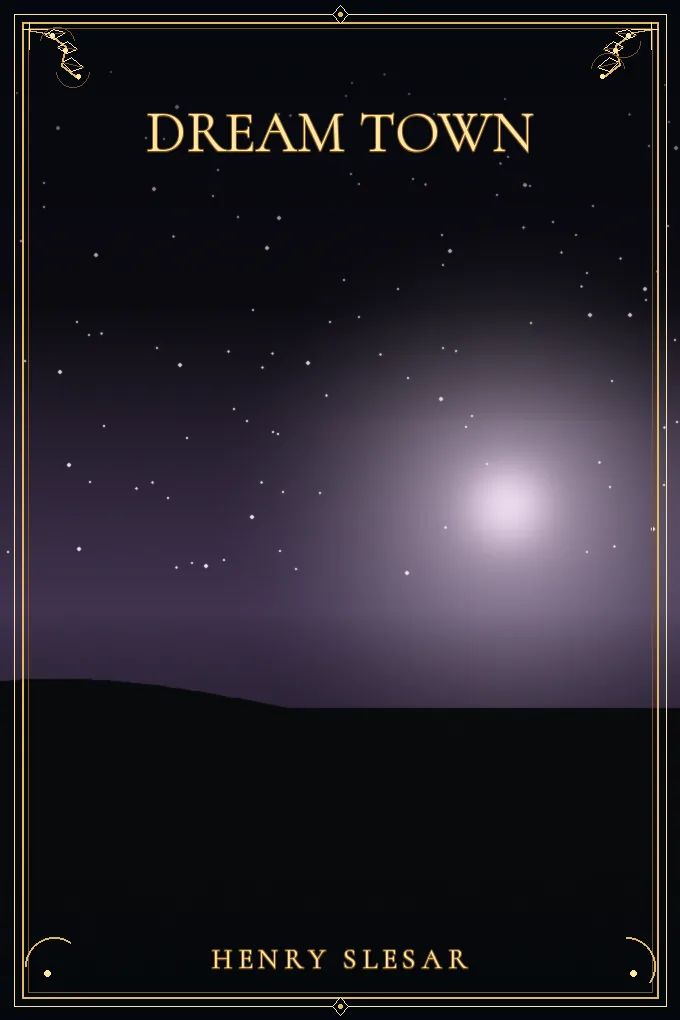
From this reading _Henry Slesar, young New York advertising executive and by now no longer a new-comer to either this magazine or to this field, describes a strange little town that you, yourself, may blunder into one of these evenings.
advertisingnounUS /ˈædvərtaɪzɪŋ/
a public promotion of some product or service
From this reading _Henry Slesar, young New York advertising executive and by now no longer a new-comer to either this magazine or to this field, describes a strange little town that you, yourself, may blunder into one of these evenings.
used to join words or parts of a sentence that go together
From this reading _Henry Slesar, young New York advertising executive and by now no longer a new-comer to either this magazine or to this field, describes a strange little town that you, yourself, may blunder into one of these evenings.
apple-cheeked
Dictionary entry pending editorial verification. Tap Listen to hear the word.
From this reading She was plump, apple-cheeked, white-haired.
bewareverbUS /bɪˈwer/
be on one's guard; be cautious or wary about; be alert to
From this reading But, if you do, beware--beware of the Knights!_ The woman in the doorway looked so harmless.
blunderverbUS /ˈblʌndər/
commit a faux pas or a fault or make a serious mistake
From this reading _Henry Slesar, young New York advertising executive and by now no longer a new-comer to either this magazine or to this field, describes a strange little town that you, yourself, may blunder into one of these evenings.
used to introduce something that contrasts with what came before
From this reading But, if you do, beware--beware of the Knights!_ The woman in the doorway looked so harmless.
showing who or what does the action
From this reading _Henry Slesar, young New York advertising executive and by now no longer a new-comer to either this magazine or to this field, describes a strange little town that you, yourself, may blunder into one of these evenings.
cartoonsnounUS /kɑːrˈtuːnz/
plural of “cartoon” — a humorous or satirical drawing published in a newspaper or magazine
From this reading The woman in the doorway looked like Mom in the homier political cartoons.
describesverbUS /dɪˈskraɪbz/
third-person singular of “describe” — give a description of
From this reading _Henry Slesar, young New York advertising executive and by now no longer a new-comer to either this magazine or to this field, describes a strange little town that you, yourself, may blunder into one of these evenings.
used to form questions and negatives, and to give emphasis
From this reading But, if you do, beware--beware of the Knights!_ The woman in the doorway looked so harmless.
the entrance (the space in a wall) through which you enter or leave a room or building; the space that a door can close
From this reading But, if you do, beware--beware of the Knights!_ The woman in the doorway looked so harmless.
one or the other of two
From this reading _Henry Slesar, young New York advertising executive and by now no longer a new-comer to either this magazine or to this field, describes a strange little town that you, yourself, may blunder into one of these evenings.
eveningsnounUS /ˈiːvnɪŋz/
plural of “evening” — the latter part of the day (the period of decreasing daylight from late afternoon until nightfall)
From this reading _Henry Slesar, young New York advertising executive and by now no longer a new-comer to either this magazine or to this field, describes a strange little town that you, yourself, may blunder into one of these evenings.
executivenounUS /ɪɡˈzekjətɪv/
a person responsible for the administration of a business
From this reading _Henry Slesar, young New York advertising executive and by now no longer a new-comer to either this magazine or to this field, describes a strange little town that you, yourself, may blunder into one of these evenings.
a piece of land cleared of trees and usually enclosed
From this reading _Henry Slesar, young New York advertising executive and by now no longer a new-comer to either this magazine or to this field, describes a strange little town that you, yourself, may blunder into one of these evenings.
hadauxiliary verbUS /hæd/
the past form of “have”, used to form the past perfect
From this reading Who was to tell she had some rather startling interests?
harmlessadjectiveUS /ˈhɑːrmləs/
not causing or capable of causing harm
From this reading But, if you do, beware--beware of the Knights!_ The woman in the doorway looked so harmless.
a unit of inductance in which an induced electromotive force of one volt is produced when the current is varied at the rate of one ampere per second
From this reading _Henry Slesar, young New York advertising executive and by now no longer a new-comer to either this magazine or to this field, describes a strange little town that you, yourself, may blunder into one of these evenings.
homier
Dictionary entry pending editorial verification. Tap Listen to hear the word.
From this reading The woman in the doorway looked like Mom in the homier political cartoons.
on condition that; in the event that
From this reading But, if you do, beware--beware of the Knights!_ The woman in the doorway looked so harmless.
inside something, or within a place, period, or state
From this reading But, if you do, beware--beware of the Knights!_ The woman in the doorway looked so harmless.
plural of “interest” — a sense of concern with and curiosity about someone or something
From this reading Who was to tell she had some rather startling interests?
intoprepositionUS /ˈɪntuː/
moving to the inside of something
From this reading _Henry Slesar, young New York advertising executive and by now no longer a new-comer to either this magazine or to this field, describes a strange little town that you, yourself, may blunder into one of these evenings.
plural of “knight” — originally a person of noble birth trained to arms and chivalry; today in Great Britain a person honored by the sovereign for personal merit
From this reading But, if you do, beware--beware of the Knights!_ The woman in the doorway looked so harmless.
prefer or wish to do something
From this reading The woman in the doorway looked like Mom in the homier political cartoons.
limited or below average in number or quantity or magnitude or extent
From this reading _Henry Slesar, young New York advertising executive and by now no longer a new-comer to either this magazine or to this field, describes a strange little town that you, yourself, may blunder into one of these evenings.
for more time
From this reading _Henry Slesar, young New York advertising executive and by now no longer a new-comer to either this magazine or to this field, describes a strange little town that you, yourself, may blunder into one of these evenings.
past form of “look” — perceive with attention; direct one's gaze towards
From this reading But, if you do, beware--beware of the Knights!_ The woman in the doorway looked so harmless.
magazinenounUS /ˈmæɡəziːn/
a periodic publication containing pictures and stories and articles of interest to those who purchase it or subscribe to it
From this reading _Henry Slesar, young New York advertising executive and by now no longer a new-comer to either this magazine or to this field, describes a strange little town that you, yourself, may blunder into one of these evenings.
used to say something is possible, or to give permission
From this reading _Henry Slesar, young New York advertising executive and by now no longer a new-comer to either this magazine or to this field, describes a strange little town that you, yourself, may blunder into one of these evenings.
MomnounUS /mɑːm/
informal terms for a mother
From this reading The woman in the doorway looked like Mom in the homier political cartoons.
not of long duration; having just (or relatively recently) come into being or been made or acquired or discovered
From this reading _Henry Slesar, young New York advertising executive and by now no longer a new-comer to either this magazine or to this field, describes a strange little town that you, yourself, may blunder into one of these evenings.
new-comer
Dictionary entry pending editorial verification. Tap Listen to hear the word.
From this reading _Henry Slesar, young New York advertising executive and by now no longer a new-comer to either this magazine or to this field, describes a strange little town that you, yourself, may blunder into one of these evenings.
not any; not one
From this reading _Henry Slesar, young New York advertising executive and by now no longer a new-comer to either this magazine or to this field, describes a strange little town that you, yourself, may blunder into one of these evenings.
in the historical present; at this point in the narration of a series of past events
From this reading _Henry Slesar, young New York advertising executive and by now no longer a new-comer to either this magazine or to this field, describes a strange little town that you, yourself, may blunder into one of these evenings.
belonging to, or connected with, somebody or something
From this reading _Henry Slesar, young New York advertising executive and by now no longer a new-comer to either this magazine or to this field, describes a strange little town that you, yourself, may blunder into one of these evenings.
used to mean any person in general, including the speaker
From this reading _Henry Slesar, young New York advertising executive and by now no longer a new-comer to either this magazine or to this field, describes a strange little town that you, yourself, may blunder into one of these evenings.
used to join alternatives or possibilities
From this reading _Henry Slesar, young New York advertising executive and by now no longer a new-comer to either this magazine or to this field, describes a strange little town that you, yourself, may blunder into one of these evenings.
plumpadjectiveUS /plʌmp/
sufficiently fat so as to have a pleasing fullness of figure
From this reading She was plump, apple-cheeked, white-haired.
involving or characteristic of politics or parties or politicians
From this reading The woman in the doorway looked like Mom in the homier political cartoons.
on the contrary
From this reading Who was to tell she had some rather startling interests?
a woman, girl, or female animal already mentioned, as the subject
From this reading Who was to tell she had some rather startling interests?
Slesar
Dictionary entry pending editorial verification. Tap Listen to hear the word.
From this reading _Henry Slesar, young New York advertising executive and by now no longer a new-comer to either this magazine or to this field, describes a strange little town that you, yourself, may blunder into one of these evenings.
for that reason; with the result that
From this reading But, if you do, beware--beware of the Knights!_ The woman in the doorway looked so harmless.
(quantifier) used with either mass nouns or plural count nouns to indicate an unspecified number or quantity
From this reading Who was to tell she had some rather startling interests?
startlingadjectiveUS /ˈstɑːrtlɪŋ/
so remarkably different or sudden as to cause momentary shock or alarm
From this reading Who was to tell she had some rather startling interests?
being definitely out of the ordinary and unexpected; slightly odd or even a bit weird
From this reading _Henry Slesar, young New York advertising executive and by now no longer a new-comer to either this magazine or to this field, describes a strange little town that you, yourself, may blunder into one of these evenings.
express in words
From this reading Who was to tell she had some rather startling interests?
used to introduce what somebody said, thought, or felt
From this reading _Henry Slesar, young New York advertising executive and by now no longer a new-comer to either this magazine or to this field, describes a strange little town that you, yourself, may blunder into one of these evenings.
used before a noun that is already known, already mentioned, or the only one of its kind
From this reading But, if you do, beware--beware of the Knights!_ The woman in the doorway looked so harmless.
the plural of “this”: the people or things near, or just mentioned
From this reading _Henry Slesar, young New York advertising executive and by now no longer a new-comer to either this magazine or to this field, describes a strange little town that you, yourself, may blunder into one of these evenings.
used for a person or thing that is near, or that has just been mentioned
From this reading _Henry Slesar, young New York advertising executive and by now no longer a new-comer to either this magazine or to this field, describes a strange little town that you, yourself, may blunder into one of these evenings.
used before the base form of a verb to make the infinitive
From this reading _Henry Slesar, young New York advertising executive and by now no longer a new-comer to either this magazine or to this field, describes a strange little town that you, yourself, may blunder into one of these evenings.
an urban area with a fixed boundary that is smaller than a city
From this reading _Henry Slesar, young New York advertising executive and by now no longer a new-comer to either this magazine or to this field, describes a strange little town that you, yourself, may blunder into one of these evenings.
wasauxiliary verbUS /wɑːz/
the past form of “be” used with I, he, she, it, or a singular noun
From this reading Who was to tell she had some rather startling interests?
white-hairedadjective
showing characteristics of age, especially having grey or white hair
From this reading She was plump, apple-cheeked, white-haired.
which person or people
From this reading Who was to tell she had some rather startling interests?
an adult female person (as opposed to a man)
From this reading But, if you do, beware--beware of the Knights!_ The woman in the doorway looked so harmless.
the English royal house (a branch of the Plantagenet line) that reigned from 1461 to 1485; its emblem was a white rose
From this reading _Henry Slesar, young New York advertising executive and by now no longer a new-comer to either this magazine or to this field, describes a strange little town that you, yourself, may blunder into one of these evenings.
the person or people being spoken to
From this reading _Henry Slesar, young New York advertising executive and by now no longer a new-comer to either this magazine or to this field, describes a strange little town that you, yourself, may blunder into one of these evenings.
(used of living things especially persons) in an early period of life or development or growth
From this reading _Henry Slesar, young New York advertising executive and by now no longer a new-comer to either this magazine or to this field, describes a strange little town that you, yourself, may blunder into one of these evenings.
used when the person spoken to is also the object of the action
From this reading _Henry Slesar, young New York advertising executive and by now no longer a new-comer to either this magazine or to this field, describes a strange little town that you, yourself, may blunder into one of these evenings.