Learn English through classic literature • Five-line readings • Clear US narration
VELMORA ACADEMY
Academy of Archival Languages & Memory Studies
Menu Close
Dyke Darrel the Railroad Detective

Chapter II · Chapter 2

Chapter 2 of Dyke Darrel the Railroad Detective is here in full — 98 sentences across 20 reading sections, with audio for every sentence and word.

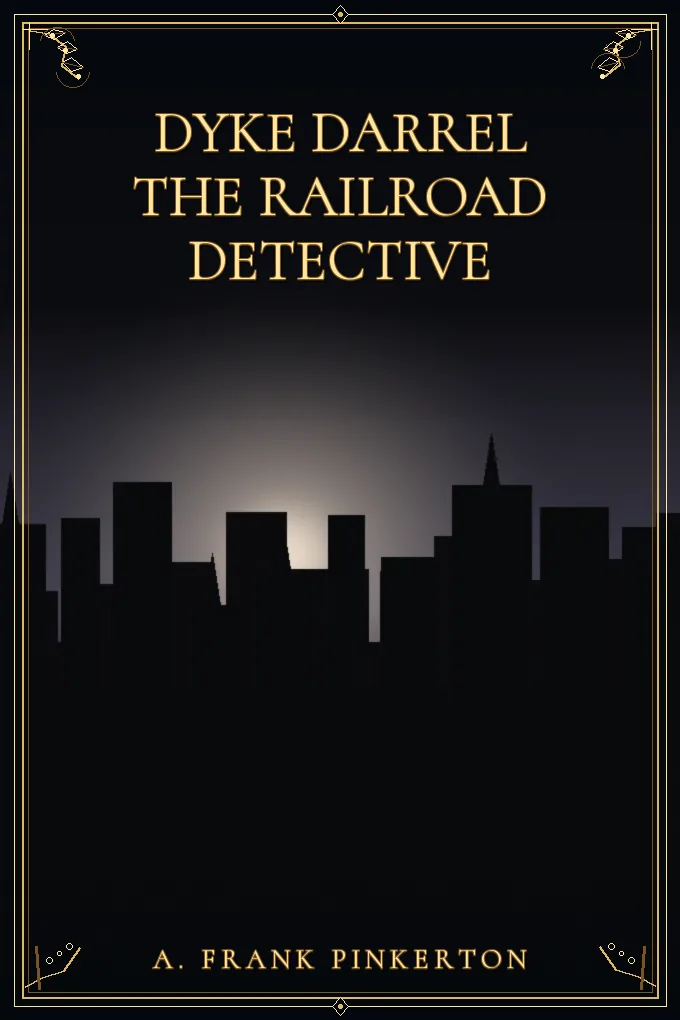
Cover illustration for Dyke Darrel the Railroad Detective
Context Illustration Reading 1/19 · 5 lines
English subtitles · tap any word to listen 1 / 5
PROFESSOR DARLINGTON RUGGLES.
It would be hard to find a more completely astounded person than the one calling himself Watson Wilks at that moment.
The noted detective had outwitted him completely.
It was humiliating, to say the least.
"This is an outrage!" at length the young villain found voice to utter.
0:00 / 0:00
Speed 0.75x
AI-generated narration by OpenAI · Slow US English
LEARNER DICTIONARY
Archivist
/ˈɑːrkɪvɪst/
Editorial verification pending

A keeper or guardian of historical records and memories.

Dyke Darrel the Railroad Detective

Chapter II · Chapter 2

Chapter 2 of Dyke Darrel the Railroad Detective is here in full — 98 sentences across 20 reading sections, with audio for every sentence and word.

Reading 1/19 · 5 reading units · Lines 1–5

Line 1
PROFESSOR DARLINGTON RUGGLES.
Line 2
It would be hard to find a more completely astounded person than the one calling himself Watson Wilks at that moment.
Line 3
The noted detective had outwitted him completely.
/ðə ˈnoʊtəd dɪˈtektɪv hæd ˈaʊtwɪtɪd hɪm kəmˈpliːtli/
Line 4
It was humiliating, to say the least.
/ɪt wɑːz hjuːˈmɪlieɪtɪŋ tuː seɪ ðə liːst/
Line 5
"This is an outrage!" at length the young villain found voice to utter.
/ðɪs ɪz æn ˈaʊtreɪdʒ æt leŋkθ ðə jʌŋ ˈvɪlən faʊnd vɔɪs tuː ˈʌtər/

Learner Dictionary

These definitions explain words found in the current reading and keep every example grounded in its original sentence.

Oxford-style entry order: headword, part of speech, US IPA, concise definition, contextual example, and audio.

astounded adjective US /əˈstaʊndɪd/

filled with the emotional impact of overwhelming surprise or shock

From this reading “It would be hard to find a more completely astounded person than the one calling himself Watson Wilks at that moment.”

detective noun US /dɪˈtektɪv/

a police officer who investigates crimes

From this reading “The noted detective had outwitted him completely.”

humiliating adjective US /hjuːˈmɪlieɪtɪŋ/

causing awareness of your shortcomings

From this reading “It was humiliating, to say the least.”

noted adjective US /ˈnoʊtəd/

widely known and esteemed

From this reading “The noted detective had outwitted him completely.”

outrage noun US /ˈaʊtreɪdʒ/

a feeling of righteous anger

From this reading “"This is an outrage!" at length the young villain found voice to utter.”

outwitted verb US /ˈaʊtwɪtɪd/

inflected form of “outwit” — beat through cleverness and wit

From this reading “The noted detective had outwitted him completely.”

villain noun US /ˈvɪlən/

a wicked or evil person; someone who does evil deliberately

From this reading “"This is an outrage!" at length the young villain found voice to utter.”

Watson noun US /ˈwɑːtsən/

United States telephone engineer who assisted Alexander Graham Bell in his experiments (1854-1934)

From this reading “It would be hard to find a more completely astounded person than the one calling himself Watson Wilks at that moment.”

All words in this reading · 43

Every word in these five lines is listed here, and every one of them can be played on its own.

Dictionary details are shown only when verified; these are not licensed Oxford entries.

adeterminerUS /ə/

used before a singular noun to mean one of a group, when it is not a particular one

From this reading It would be hard to find a more completely astounded person than the one calling himself Watson Wilks at that moment.

andeterminerUS /æn/

the form of “a” used before a word that begins with a vowel sound

From this reading "This is an outrage!" at length the young villain found voice to utter.

astoundedadjectiveUS /əˈstaʊndɪd/

filled with the emotional impact of overwhelming surprise or shock

From this reading It would be hard to find a more completely astounded person than the one calling himself Watson Wilks at that moment.

atprepositionUS /æt/

in or near a particular place or position

From this reading It would be hard to find a more completely astounded person than the one calling himself Watson Wilks at that moment.

beauxiliary verbUS /biː/

used with a past participle to form the passive, or with -ing for continuous tenses

From this reading It would be hard to find a more completely astounded person than the one calling himself Watson Wilks at that moment.

callingnounUS /ˈkɔːlɪŋ/

the particular occupation for which you are trained

From this reading It would be hard to find a more completely astounded person than the one calling himself Watson Wilks at that moment.

completelyadverbUS /kəmˈpliːtli/

to a complete degree or to the full or entire extent (“whole” is often used informally for “wholly”)

From this reading It would be hard to find a more completely astounded person than the one calling himself Watson Wilks at that moment.

DARLINGTON

Dictionary entry pending editorial verification. Tap Listen to hear the word.

From this reading PROFESSOR DARLINGTON RUGGLES.

detectivenounUS /dɪˈtektɪv/

a police officer who investigates crimes

From this reading The noted detective had outwitted him completely.

findverbUS /faɪnd/

come upon, as if by accident; meet with

From this reading It would be hard to find a more completely astounded person than the one calling himself Watson Wilks at that moment.

foundverbUS /faʊnd/

set up or found

From this reading "This is an outrage!" at length the young villain found voice to utter.

hadauxiliary verbUS /hæd/

the past form of “have”, used to form the past perfect

From this reading The noted detective had outwitted him completely.

hardadjectiveUS /hɑːrd/

not easy; requiring great physical or mental effort to accomplish or comprehend or endure

From this reading It would be hard to find a more completely astounded person than the one calling himself Watson Wilks at that moment.

himpronounUS /hɪm/

the male already mentioned, as the object of a verb or preposition

From this reading The noted detective had outwitted him completely.

himselfpronounUS /hɪmˈself/

used when the man or boy doing the action is also its object

From this reading It would be hard to find a more completely astounded person than the one calling himself Watson Wilks at that moment.

humiliatingadjectiveUS /hjuːˈmɪlieɪtɪŋ/

causing awareness of your shortcomings

From this reading It was humiliating, to say the least.

isauxiliary verbUS /ɪz/

the form of “be” used with he, she, it, or a singular noun

From this reading "This is an outrage!" at length the young villain found voice to utter.

ItpronounUS /ɪt/

a thing, animal, or idea already mentioned

From this reading It would be hard to find a more completely astounded person than the one calling himself Watson Wilks at that moment.

leastadjectiveUS /liːst/

the superlative of “little” that can be used with mass nouns and is usually preceded by “the”; a quantifier meaning smallest in amount or extent or degree

From this reading It was humiliating, to say the least.

lengthnounUS /leŋkθ/

the linear extent in space from one end to the other; the longest dimension of something that is fixed in place

From this reading "This is an outrage!" at length the young villain found voice to utter.

momentnounUS /ˈmoʊmənt/

a particular point in time

From this reading It would be hard to find a more completely astounded person than the one calling himself Watson Wilks at that moment.

moreadjectiveUS /mɔːr/

(comparative of “much” used with mass nouns) a quantifier meaning greater in size or amount or extent or degree

From this reading It would be hard to find a more completely astounded person than the one calling himself Watson Wilks at that moment.

notedadjectiveUS /ˈnoʊtəd/

widely known and esteemed

From this reading The noted detective had outwitted him completely.

onepronounUS /wʌn/

used to mean any person in general, including the speaker

From this reading It would be hard to find a more completely astounded person than the one calling himself Watson Wilks at that moment.

outragenounUS /ˈaʊtreɪdʒ/

a feeling of righteous anger

From this reading "This is an outrage!" at length the young villain found voice to utter.

outwittedverbUS /ˈaʊtwɪtɪd/

inflected form of “outwit” — beat through cleverness and wit

From this reading The noted detective had outwitted him completely.

personnounUS /ˈpɜːrsən/

a human being

From this reading It would be hard to find a more completely astounded person than the one calling himself Watson Wilks at that moment.

PROFESSORnounUS /prəˈfesər/

someone who is a member of the faculty at a college or university

From this reading PROFESSOR DARLINGTON RUGGLES.

RUGGLES

Dictionary entry pending editorial verification. Tap Listen to hear the word.

From this reading PROFESSOR DARLINGTON RUGGLES.

sayverbUS /seɪ/

express in words

From this reading It was humiliating, to say the least.

thanconjunctionUS /ðæn/

used to introduce the second part of a comparison

From this reading It would be hard to find a more completely astounded person than the one calling himself Watson Wilks at that moment.

thatconjunctionUS /ðæt/

used to introduce what somebody said, thought, or felt

From this reading It would be hard to find a more completely astounded person than the one calling himself Watson Wilks at that moment.

thedeterminerUS /ðə/

used before a noun that is already known, already mentioned, or the only one of its kind

From this reading It would be hard to find a more completely astounded person than the one calling himself Watson Wilks at that moment.

ThisdeterminerUS /ðɪs/

used for a person or thing that is near, or that has just been mentioned

From this reading "This is an outrage!" at length the young villain found voice to utter.

toparticleUS /tuː/

used before the base form of a verb to make the infinitive

From this reading It would be hard to find a more completely astounded person than the one calling himself Watson Wilks at that moment.

utterverbUS /ˈʌtər/

articulate; either verbally or with a cry, shout, or noise

From this reading "This is an outrage!" at length the young villain found voice to utter.

villainnounUS /ˈvɪlən/

a wicked or evil person; someone who does evil deliberately

From this reading "This is an outrage!" at length the young villain found voice to utter.

voicenounUS /vɔɪs/

the distinctive quality or pitch or condition of a person's speech

From this reading "This is an outrage!" at length the young villain found voice to utter.

wasauxiliary verbUS /wɑːz/

the past form of “be” used with I, he, she, it, or a singular noun

From this reading It was humiliating, to say the least.

WatsonnounUS /ˈwɑːtsən/

United States telephone engineer who assisted Alexander Graham Bell in his experiments (1854-1934)

From this reading It would be hard to find a more completely astounded person than the one calling himself Watson Wilks at that moment.

Wilks

Dictionary entry pending editorial verification. Tap Listen to hear the word.

From this reading It would be hard to find a more completely astounded person than the one calling himself Watson Wilks at that moment.

wouldmodal verbUS /wʊd/

used for something imagined, polite, or habitual in the past

From this reading It would be hard to find a more completely astounded person than the one calling himself Watson Wilks at that moment.

youngadjectiveUS /jʌŋ/

(used of living things especially persons) in an early period of life or development or growth

From this reading "This is an outrage!" at length the young villain found voice to utter.

Chapter 2 of Dyke Darrel the Railroad Detective by A. Frank Pinkerton holds 98 sentences, grouped into 20 reading sections of at most 5 sentences. The text is the source edition, unabridged, and the chapter records which sentences cover which part of the work so that nothing is dropped. Every word can be tapped for its pronunciation and dictionary entry.

What does chapter 2 of Dyke Darrel the Railroad Detective contain?

Chapter 2 holds 98 sentences of Dyke Darrel the Railroad Detective, unabridged, divided into 20 reading sections.

This page carries chapter 2 of Dyke Darrel the Railroad Detective by A. Frank Pinkerton exactly as it stands in the source edition, without abridgement. It runs to 98 sentences, grouped into 20 sections of at most 5 sentences so that a reader can take the chapter in steady, finishable pieces. The chapter also stores a coverage record mapping every one of its sentences to a part of the work, which is how the edition demonstrates that no line was dropped.

How do I study chapter 2 of Dyke Darrel the Railroad Detective?

Work through the 20 sections in order, replaying any sentence and tapping unfamiliar words for their entries.

Each of the 20 sections in this chapter is short enough to read once, hear once, and then re-read with the vocabulary in view. Tapping a word plays it alone and opens its dictionary entry with IPA, part of speech and meaning, so the reader is never forced to guess a pronunciation from spelling. Working section by section keeps a long chapter from becoming an undifferentiated wall of text, which is the usual reason a reader abandons a work of this period.

Can chapter 2 be read aloud to me?

Yes — every sentence and every individual word in chapter 2 can be played aloud in United States English.

Audio covers the whole chapter: any sentence can be played, and any single word within it can be played on its own. The voice uses United States English. For a work of this period that matters, because spelling is an unreliable guide to pronunciation for vocabulary that has fallen out of daily use, and a learner who guesses wrong tends to keep the error. Hearing the word in its own sentence, and then alone, settles it.

Questions about reading Dyke Darrel the Railroad Detective

Common questions about reading Dyke Darrel the Railroad Detective by A. Frank Pinkerton on this page, its source edition and its audio.

Is this the complete text of Dyke Darrel the Railroad Detective?

Yes. All 4163 sentences of Project Gutenberg eBook #5901 are kept, with a record of which sentences cover which part.

Which edition of Dyke Darrel the Railroad Detective is used?

Project Gutenberg eBook #5901, unabridged. The Project Gutenberg header, footer and licence are removed.

How long does Dyke Darrel the Railroad Detective take to read?

About 346 minutes of reading across 833 sections of 5 sentences each, at an unhurried pace.

How to read Dyke Darrel the Railroad Detective section by section

How to work through Dyke Darrel the Railroad Detective section by section, using the audio and the tap-to-define vocabulary.

  1. Open a chapter

    Choose one of the 33 chapters of Dyke Darrel the Railroad Detective to begin.

  2. Read one section

    Each section holds 5 sentences; read it once through.

  3. Listen and tap

    Play the section aloud, then tap any unfamiliar word for its entry.

Vocabulary met early in Dyke Darrel the Railroad Detective

Words and structures a reader meets early in Dyke Darrel the Railroad Detective, each tappable for pronunciation and meaning.

Darrel's
A word that appears in the opening chapter of Dyke Darrel the Railroad Detective; the reader can tap it to hear it and see its dictionary entry.
Trick
A word that appears in the opening chapter of Dyke Darrel the Railroad Detective; the reader can tap it to hear it and see its dictionary entry.
Certainly
A word that appears in the opening chapter of Dyke Darrel the Railroad Detective; the reader can tap it to hear it and see its dictionary entry.
Cried
A word that appears in the opening chapter of Dyke Darrel the Railroad Detective; the reader can tap it to hear it and see its dictionary entry.