1
Dictionary entry pending editorial verification. Tap Listen to hear the word.
From this reading As a last resort, use the Latin-1 version of the file instead.
1714
Dictionary entry pending editorial verification. Tap Listen to hear the word.
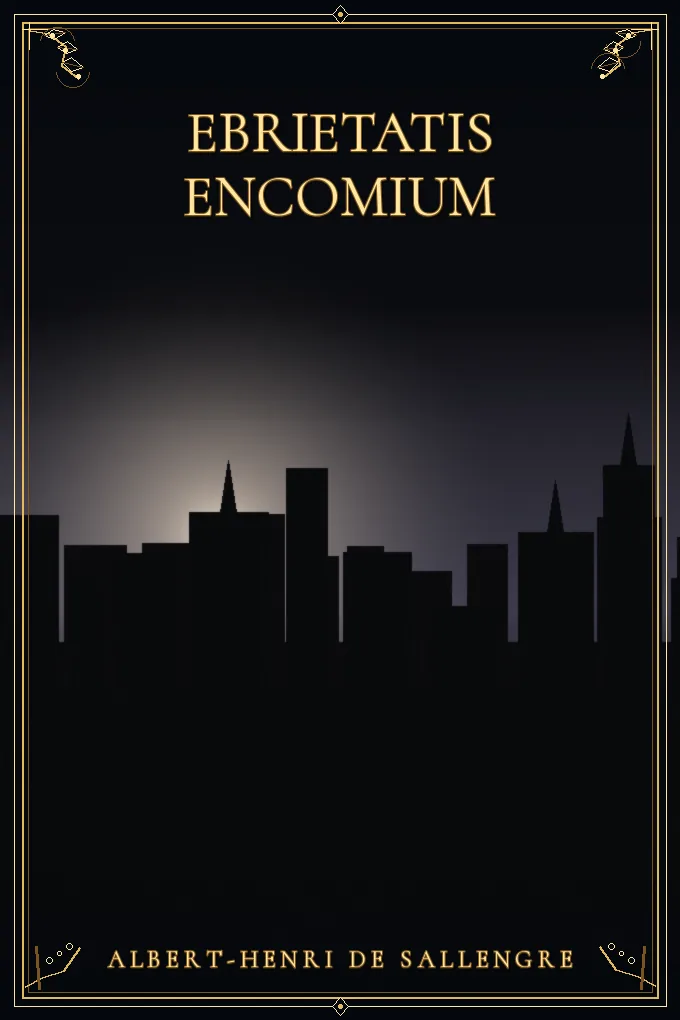
From this reading This book was originally published in 1714 as “Eloge de l’Yvresse” by Albert-Henri de Sallengre, and translated in 1723 by Robert Samber with the present title.
1723
Dictionary entry pending editorial verification. Tap Listen to hear the word.
From this reading This book was originally published in 1714 as “Eloge de l’Yvresse” by Albert-Henri de Sallengre, and translated in 1723 by Robert Samber with the present title.
1812
Dictionary entry pending editorial verification. Tap Listen to hear the word.
From this reading The 1812 edition updates the spelling and punctuation, and omits part of the title page (see Errata), but is otherwise the same text.
8
Dictionary entry pending editorial verification. Tap Listen to hear the word.
From this reading If these characters do not display properly or if the apostrophes and quotation marks in this paragraph appear as garbage, make sure your text reader’s “character set” or “file encoding” is set to Unicode (UTF-8).
used before a singular noun to mean one of a group, when it is not a particular one
From this reading As a last resort, use the Latin-1 version of the file instead.
Albert-Henri
Dictionary entry pending editorial verification. Tap Listen to hear the word.
From this reading This book was originally published in 1714 as “Eloge de l’Yvresse” by Albert-Henri de Sallengre, and translated in 1723 by Robert Samber with the present title.
in addition
From this reading You may also need to change the default font.
used to join words or parts of a sentence that go together
From this reading If these characters do not display properly or if the apostrophes and quotation marks in this paragraph appear as garbage, make sure your text reader’s “character set” or “file encoding” is set to Unicode (UTF-8).
apostrophesnounUS /əˈpɑːstrəfiːz/
plural of “apostrophe” — address to an absent or imaginary person
From this reading If these characters do not display properly or if the apostrophes and quotation marks in this paragraph appear as garbage, make sure your text reader’s “character set” or “file encoding” is set to Unicode (UTF-8).
give a certain impression or have a certain outward aspect
From this reading If these characters do not display properly or if the apostrophes and quotation marks in this paragraph appear as garbage, make sure your text reader’s “character set” or “file encoding” is set to Unicode (UTF-8).
at the same time that; because; in the way that
From this reading If these characters do not display properly or if the apostrophes and quotation marks in this paragraph appear as garbage, make sure your text reader’s “character set” or “file encoding” is set to Unicode (UTF-8).
a written work or composition that has been published (printed on pages bound together)
From this reading This book was originally published in 1714 as “Eloge de l’Yvresse” by Albert-Henri de Sallengre, and translated in 1723 by Robert Samber with the present title.
used to introduce something that contrasts with what came before
From this reading The 1812 edition updates the spelling and punctuation, and omits part of the title page (see Errata), but is otherwise the same text.
showing who or what does the action
From this reading This book was originally published in 1714 as “Eloge de l’Yvresse” by Albert-Henri de Sallengre, and translated in 1723 by Robert Samber with the present title.
cause to change; make different; cause a transformation
From this reading You may also need to change the default font.
an imaginary person represented in a work of fiction (play or film or story)
From this reading If these characters do not display properly or if the apostrophes and quotation marks in this paragraph appear as garbage, make sure your text reader’s “character set” or “file encoding” is set to Unicode (UTF-8).
plural of “character” — an imaginary person represented in a work of fiction (play or film or story)
From this reading If these characters do not display properly or if the apostrophes and quotation marks in this paragraph appear as garbage, make sure your text reader’s “character set” or “file encoding” is set to Unicode (UTF-8).
a Mid-Atlantic state; one of the original 13 colonies
From this reading This book was originally published in 1714 as “Eloge de l’Yvresse” by Albert-Henri de Sallengre, and translated in 1723 by Robert Samber with the present title.
defaultnounUS /dɪˈfɔːlt/
loss due to not showing up
From this reading You may also need to change the default font.
displaynounUS /dɪˈspleɪ/
something intended to communicate a particular impression
From this reading If these characters do not display properly or if the apostrophes and quotation marks in this paragraph appear as garbage, make sure your text reader’s “character set” or “file encoding” is set to Unicode (UTF-8).
used to form questions and negatives, and to give emphasis
From this reading If these characters do not display properly or if the apostrophes and quotation marks in this paragraph appear as garbage, make sure your text reader’s “character set” or “file encoding” is set to Unicode (UTF-8).
editionnounUS /əˈdɪʃən/
the form in which a text (especially a printed book) is published
From this reading The 1812 edition updates the spelling and punctuation, and omits part of the title page (see Errata), but is otherwise the same text.
Eloge
Dictionary entry pending editorial verification. Tap Listen to hear the word.
From this reading This book was originally published in 1714 as “Eloge de l’Yvresse” by Albert-Henri de Sallengre, and translated in 1723 by Robert Samber with the present title.
encodingnounUS /enˈkoʊdɪŋ/
the activity of converting data or information into code
From this reading If these characters do not display properly or if the apostrophes and quotation marks in this paragraph appear as garbage, make sure your text reader’s “character set” or “file encoding” is set to Unicode (UTF-8).
Errata
Dictionary entry pending editorial verification. Tap Listen to hear the word.
From this reading The 1812 edition updates the spelling and punctuation, and omits part of the title page (see Errata), but is otherwise the same text.
fileverbUS /faɪl/
record in a public office or in a court of law
From this reading If these characters do not display properly or if the apostrophes and quotation marks in this paragraph appear as garbage, make sure your text reader’s “character set” or “file encoding” is set to Unicode (UTF-8).
fontnounUS /fɑːnt/
a specific size and style of type within a type family
From this reading You may also need to change the default font.
garbagenounUS /ˈɡɑːrbɪdʒ/
food that is discarded (as from a kitchen)
From this reading If these characters do not display properly or if the apostrophes and quotation marks in this paragraph appear as garbage, make sure your text reader’s “character set” or “file encoding” is set to Unicode (UTF-8).
on condition that; in the event that
From this reading If these characters do not display properly or if the apostrophes and quotation marks in this paragraph appear as garbage, make sure your text reader’s “character set” or “file encoding” is set to Unicode (UTF-8).
inside something, or within a place, period, or state
From this reading If these characters do not display properly or if the apostrophes and quotation marks in this paragraph appear as garbage, make sure your text reader’s “character set” or “file encoding” is set to Unicode (UTF-8).
in place of, or as an alternative to
From this reading As a last resort, use the Latin-1 version of the file instead.
the form of “be” used with he, she, it, or a singular noun
From this reading If these characters do not display properly or if the apostrophes and quotation marks in this paragraph appear as garbage, make sure your text reader’s “character set” or “file encoding” is set to Unicode (UTF-8).
l'Yvresse
Dictionary entry pending editorial verification. Tap Listen to hear the word.
From this reading This book was originally published in 1714 as “Eloge de l’Yvresse” by Albert-Henri de Sallengre, and translated in 1723 by Robert Samber with the present title.
immediately past
From this reading As a last resort, use the Latin-1 version of the file instead.
LatinadjectiveUS /ˈlætən/
of or relating to the ancient Latins or the Latin language
From this reading As a last resort, use the Latin-1 version of the file instead.
engage in
From this reading If these characters do not display properly or if the apostrophes and quotation marks in this paragraph appear as garbage, make sure your text reader’s “character set” or “file encoding” is set to Unicode (UTF-8).
English businessman who created a retail chain (1888-1964)
From this reading If these characters do not display properly or if the apostrophes and quotation marks in this paragraph appear as garbage, make sure your text reader’s “character set” or “file encoding” is set to Unicode (UTF-8).
used to say something is possible, or to give permission
From this reading You may also need to change the default font.
a condition requiring relief
From this reading You may also need to change the default font.
used to make a word, phrase, or sentence negative
From this reading If these characters do not display properly or if the apostrophes and quotation marks in this paragraph appear as garbage, make sure your text reader’s “character set” or “file encoding” is set to Unicode (UTF-8).
belonging to, or connected with, somebody or something
From this reading As a last resort, use the Latin-1 version of the file instead.
omitsverbUS /oʊˈmɪts/
third-person singular of “omit” — prevent from being included or considered or accepted
From this reading The 1812 edition updates the spelling and punctuation, and omits part of the title page (see Errata), but is otherwise the same text.
used to join alternatives or possibilities
From this reading If these characters do not display properly or if the apostrophes and quotation marks in this paragraph appear as garbage, make sure your text reader’s “character set” or “file encoding” is set to Unicode (UTF-8).
originallyadverbUS /ərˈɪdʒənəli/
in an original manner
From this reading This book was originally published in 1714 as “Eloge de l’Yvresse” by Albert-Henri de Sallengre, and translated in 1723 by Robert Samber with the present title.
in other respects or ways
From this reading The 1812 edition updates the spelling and punctuation, and omits part of the title page (see Errata), but is otherwise the same text.
one side of one leaf (of a book or magazine or newspaper or letter etc.) or the written or pictorial matter it contains
From this reading The 1812 edition updates the spelling and punctuation, and omits part of the title page (see Errata), but is otherwise the same text.
paragraphnounUS /ˈpærəɡræf/
one of several distinct subdivisions of a text intended to separate ideas; the beginning is usually marked by a new indented line
From this reading If these characters do not display properly or if the apostrophes and quotation marks in this paragraph appear as garbage, make sure your text reader’s “character set” or “file encoding” is set to Unicode (UTF-8).
something determined in relation to something that includes it
From this reading The 1812 edition updates the spelling and punctuation, and omits part of the title page (see Errata), but is otherwise the same text.
give an exhibition of to an interested audience
From this reading This book was originally published in 1714 as “Eloge de l’Yvresse” by Albert-Henri de Sallengre, and translated in 1723 by Robert Samber with the present title.
in the right manner; correctly; suitably
From this reading If these characters do not display properly or if the apostrophes and quotation marks in this paragraph appear as garbage, make sure your text reader’s “character set” or “file encoding” is set to Unicode (UTF-8).
prepared and printed for distribution and sale
From this reading This book was originally published in 1714 as “Eloge de l’Yvresse” by Albert-Henri de Sallengre, and translated in 1723 by Robert Samber with the present title.
punctuationnounUS /ˌpʌŋktʃuːˈeɪʃən/
something that makes repeated and regular interruptions or divisions
From this reading The 1812 edition updates the spelling and punctuation, and omits part of the title page (see Errata), but is otherwise the same text.
quotationnounUS /kwoʊˈteɪʃən/
a short note recognizing a source of information or of a quoted passage
From this reading If these characters do not display properly or if the apostrophes and quotation marks in this paragraph appear as garbage, make sure your text reader’s “character set” or “file encoding” is set to Unicode (UTF-8).
reader'snounUS /ˈriːdərz/
possessive form of “reader” — a person who enjoys reading
From this reading If these characters do not display properly or if the apostrophes and quotation marks in this paragraph appear as garbage, make sure your text reader’s “character set” or “file encoding” is set to Unicode (UTF-8).
resortnounUS /rɪˈzɔːrt/
a hotel located in a resort area
From this reading As a last resort, use the Latin-1 version of the file instead.
United States parliamentary authority and author (in 1876) of Robert's Rules of Order (1837-1923)
From this reading This book was originally published in 1714 as “Eloge de l’Yvresse” by Albert-Henri de Sallengre, and translated in 1723 by Robert Samber with the present title.
Sallengre
Dictionary entry pending editorial verification. Tap Listen to hear the word.
From this reading This book was originally published in 1714 as “Eloge de l’Yvresse” by Albert-Henri de Sallengre, and translated in 1723 by Robert Samber with the present title.
Samber
Dictionary entry pending editorial verification. Tap Listen to hear the word.
From this reading This book was originally published in 1714 as “Eloge de l’Yvresse” by Albert-Henri de Sallengre, and translated in 1723 by Robert Samber with the present title.
Identical; not different.
From this reading The 1812 edition updates the spelling and punctuation, and omits part of the title page (see Errata), but is otherwise the same text.
perceive by sight or have the power to perceive by sight
From this reading The 1812 edition updates the spelling and punctuation, and omits part of the title page (see Errata), but is otherwise the same text.
put into a certain place or abstract location
From this reading If these characters do not display properly or if the apostrophes and quotation marks in this paragraph appear as garbage, make sure your text reader’s “character set” or “file encoding” is set to Unicode (UTF-8).
spellingnounUS /ˈspelɪŋ/
forming words with letters according to the principles underlying accepted usage
From this reading The 1812 edition updates the spelling and punctuation, and omits part of the title page (see Errata), but is otherwise the same text.
having or feeling no doubt or uncertainty; confident and assured
From this reading If these characters do not display properly or if the apostrophes and quotation marks in this paragraph appear as garbage, make sure your text reader’s “character set” or “file encoding” is set to Unicode (UTF-8).
textnounUS /tekst/
the words of something written
From this reading If these characters do not display properly or if the apostrophes and quotation marks in this paragraph appear as garbage, make sure your text reader’s “character set” or “file encoding” is set to Unicode (UTF-8).
used before a noun that is already known, already mentioned, or the only one of its kind
From this reading If these characters do not display properly or if the apostrophes and quotation marks in this paragraph appear as garbage, make sure your text reader’s “character set” or “file encoding” is set to Unicode (UTF-8).
the plural of “this”: the people or things near, or just mentioned
From this reading If these characters do not display properly or if the apostrophes and quotation marks in this paragraph appear as garbage, make sure your text reader’s “character set” or “file encoding” is set to Unicode (UTF-8).
used for a person or thing that is near, or that has just been mentioned
From this reading If these characters do not display properly or if the apostrophes and quotation marks in this paragraph appear as garbage, make sure your text reader’s “character set” or “file encoding” is set to Unicode (UTF-8).
a heading that names a statute or legislative bill; may give a brief summary of the matters it deals with
From this reading This book was originally published in 1714 as “Eloge de l’Yvresse” by Albert-Henri de Sallengre, and translated in 1723 by Robert Samber with the present title.
used before the base form of a verb to make the infinitive
From this reading If these characters do not display properly or if the apostrophes and quotation marks in this paragraph appear as garbage, make sure your text reader’s “character set” or “file encoding” is set to Unicode (UTF-8).
translatedverbUS /trænzˈleɪtɪd/
past form of “translate” — restate (words) from one language into another language
From this reading This book was originally published in 1714 as “Eloge de l’Yvresse” by Albert-Henri de Sallengre, and translated in 1723 by Robert Samber with the present title.
Unicode
Dictionary entry pending editorial verification. Tap Listen to hear the word.
From this reading If these characters do not display properly or if the apostrophes and quotation marks in this paragraph appear as garbage, make sure your text reader’s “character set” or “file encoding” is set to Unicode (UTF-8).
updatesnounUS /əpˈdeɪts/
plural of “update” — information or data that updates
From this reading The 1812 edition updates the spelling and punctuation, and omits part of the title page (see Errata), but is otherwise the same text.
the act of using
From this reading As a last resort, use the Latin-1 version of the file instead.
UTF
Dictionary entry pending editorial verification. Tap Listen to hear the word.
From this reading If these characters do not display properly or if the apostrophes and quotation marks in this paragraph appear as garbage, make sure your text reader’s “character set” or “file encoding” is set to Unicode (UTF-8).
versionnounUS /ˈvɜːrʒən/
an interpretation of a matter from a particular viewpoint
From this reading As a last resort, use the Latin-1 version of the file instead.
wasauxiliary verbUS /wɑːz/
the past form of “be” used with I, he, she, it, or a singular noun
From this reading This book was originally published in 1714 as “Eloge de l’Yvresse” by Albert-Henri de Sallengre, and translated in 1723 by Robert Samber with the present title.
in the company of; together with
From this reading This book was originally published in 1714 as “Eloge de l’Yvresse” by Albert-Henri de Sallengre, and translated in 1723 by Robert Samber with the present title.
the person or people being spoken to
From this reading You may also need to change the default font.
belonging to the person or people being spoken to
From this reading If these characters do not display properly or if the apostrophes and quotation marks in this paragraph appear as garbage, make sure your text reader’s “character set” or “file encoding” is set to Unicode (UTF-8).