Complete classic literature • Five-line readings • Clear US narration
VELMORA ACADEMY
Academy of Archival Languages & Memory Studies
Menu Close
Ernest Linwood
Ernest Linwood

Chapter II · Chapter 2

Chapter 2 of Ernest Linwood is here in full — 184 sentences across 37 reading sections, with audio for every sentence and word.

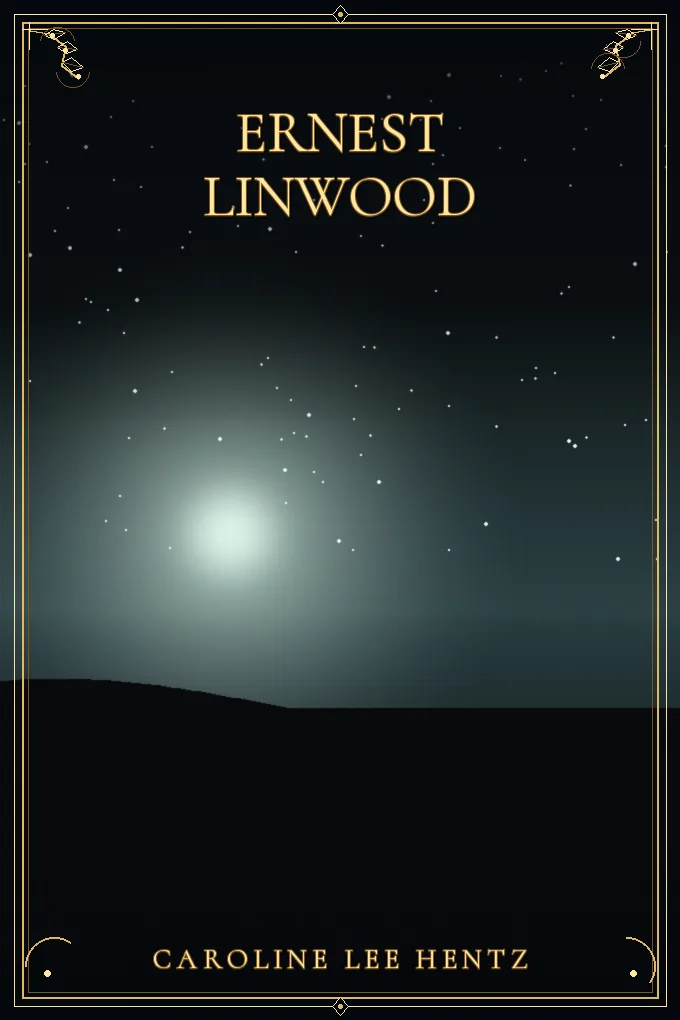
Cover illustration for Ernest Linwood
Context Illustration Reading 1/36 · 5 lines
English subtitles · tap any word to listen 1 / 5
"Get up, Gabriella,--you must not lie here on the damp ground.
Get up,--it is almost night.
What _will_ your mother say? what _will_ she think has become of you?"
I started up, bewildered and alarmed, passing my hands dreamily over my swollen eyelids.
Heavy shadows hung over the woods.
0:00 / 0:00
Speed 0.75x
AI-generated narration by OpenAI · Slow US English
LEARNER DICTIONARY
Archivist
/ˈɑːrkɪvɪst/
Editorial verification pending

A keeper or guardian of historical records and memories.

Ernest Linwood

Chapter II · Chapter 2

Chapter 2 of Ernest Linwood is here in full — 184 sentences across 37 reading sections, with audio for every sentence and word.

Reading 1/36 · 5 reading units · Lines 1–5

Line 1
"Get up, Gabriella,--you must not lie here on the damp ground.
Line 2
Get up,--it is almost night.
Line 3
What _will_ your mother say? what _will_ she think has become of you?"
/wʌt wɪl jɔːr ˈmʌðər seɪ wʌt wɪl ʃiː θɪŋk hæz bɪˈkʌm ʌv juː/
Line 4
I started up, bewildered and alarmed, passing my hands dreamily over my swollen eyelids.
Line 5
Heavy shadows hung over the woods.
/ˈhevi ˈʃædoʊz hʌŋ ˈoʊvər ðə wʊdz/

Learner Dictionary

These definitions explain words found in the current reading and keep every example grounded in its original sentence.

Oxford-style entry order: headword, part of speech, US IPA, concise definition, contextual example, and audio.

alarmed adjective US /əˈlɑːrmd/

experiencing a sudden sense of danger

From this reading “I started up, bewildered and alarmed, passing my hands dreamily over my swollen eyelids.”

bewildered adjective US /bɪˈwɪldərd/

perplexed by many conflicting situations or statements; filled with bewilderment

From this reading “I started up, bewildered and alarmed, passing my hands dreamily over my swollen eyelids.”

damp adjective US /dæmp/

slightly wet

From this reading “"Get up, Gabriella,--you must not lie here on the damp ground.”

eyelids noun US /ˈaɪlɪdz/

plural of “eyelid” — either of two folds of skin that can be moved to cover or open the eye

From this reading “I started up, bewildered and alarmed, passing my hands dreamily over my swollen eyelids.”

hung verb US /hʌŋ/

inflected form of “hang” — be suspended or hanging

From this reading “Heavy shadows hung over the woods.”

shadows noun US /ˈʃædoʊz/

plural of “shadow” — shade within clear boundaries

From this reading “Heavy shadows hung over the woods.”

swollen adjective US /ˈswoʊlən/

characteristic of false pride; having an exaggerated sense of self-importance

From this reading “I started up, bewildered and alarmed, passing my hands dreamily over my swollen eyelids.”

woods noun US /wʊdz/

the trees and other plants in a large densely wooded area

From this reading “Heavy shadows hung over the woods.”

All words in this reading · 42

Every word in these five lines is listed here, and every one of them can be played on its own.

Dictionary details are shown only when verified; these are not licensed Oxford entries.

alarmedadjectiveUS /əˈlɑːrmd/

experiencing a sudden sense of danger

From this reading I started up, bewildered and alarmed, passing my hands dreamily over my swollen eyelids.

almostadverbUS /ˈɔːlmoʊst/

(of actions or states) slightly short of or not quite accomplished; all but

From this reading Get up,--it is almost night.

andconjunctionUS /ənd/

used to join words or parts of a sentence that go together

From this reading I started up, bewildered and alarmed, passing my hands dreamily over my swollen eyelids.

becomeverbUS /bɪˈkʌm/

enter or assume a certain state or condition

From this reading What _will_ your mother say? what _will_ she think has become of you?"

bewilderedadjectiveUS /bɪˈwɪldərd/

perplexed by many conflicting situations or statements; filled with bewilderment

From this reading I started up, bewildered and alarmed, passing my hands dreamily over my swollen eyelids.

dampadjectiveUS /dæmp/

slightly wet

From this reading "Get up, Gabriella,--you must not lie here on the damp ground.

dreamilyadverb

in a dreamy manner

From this reading I started up, bewildered and alarmed, passing my hands dreamily over my swollen eyelids.

eyelidsnounUS /ˈaɪlɪdz/

plural of “eyelid” — either of two folds of skin that can be moved to cover or open the eye

From this reading I started up, bewildered and alarmed, passing my hands dreamily over my swollen eyelids.

Gabriella

Dictionary entry pending editorial verification. Tap Listen to hear the word.

From this reading "Get up, Gabriella,--you must not lie here on the damp ground.

GetverbUS /ɡet/

come into the possession of something concrete or abstract

From this reading "Get up, Gabriella,--you must not lie here on the damp ground.

groundnounUS /ɡraʊnd/

the solid part of the earth's surface

From this reading "Get up, Gabriella,--you must not lie here on the damp ground.

handsnounUS /hændz/

(with “in”) guardianship over; in divorce cases it is the right to house and care for and discipline a child

From this reading I started up, bewildered and alarmed, passing my hands dreamily over my swollen eyelids.

hasauxiliary verbUS /hæz/

the form of “have” used with he, she, it, or a singular noun

From this reading What _will_ your mother say? what _will_ she think has become of you?"

HeavyadjectiveUS /ˈhevi/

of comparatively great physical weight or density

From this reading Heavy shadows hung over the woods.

hereadverbUS /hiːr/

in or at this place; where the speaker or writer is

From this reading "Get up, Gabriella,--you must not lie here on the damp ground.

hungverbUS /hʌŋ/

inflected form of “hang” — be suspended or hanging

From this reading Heavy shadows hung over the woods.

IpronounUS /aɪ/

the person speaking or writing, as the subject of the verb

From this reading I started up, bewildered and alarmed, passing my hands dreamily over my swollen eyelids.

isauxiliary verbUS /ɪz/

the form of “be” used with he, she, it, or a singular noun

From this reading Get up,--it is almost night.

itpronounUS /ɪt/

a thing, animal, or idea already mentioned

From this reading Get up,--it is almost night.

lieverbUS /laɪ/

be located or situated somewhere; occupy a certain position

From this reading "Get up, Gabriella,--you must not lie here on the damp ground.

mothernounUS /ˈmʌðər/

a woman who has given birth to a child (also used as a term of address to your mother)

From this reading What _will_ your mother say? what _will_ she think has become of you?"

mustmodal verbUS /mʌst/

used to say something is necessary, or almost certainly true

From this reading "Get up, Gabriella,--you must not lie here on the damp ground.

mydeterminerUS /maɪ/

belonging to the person speaking

From this reading I started up, bewildered and alarmed, passing my hands dreamily over my swollen eyelids.

nightnounUS /naɪt/

the time after sunset and before sunrise while it is dark outside

From this reading Get up,--it is almost night.

notadverbUS /nɑːt/

used to make a word, phrase, or sentence negative

From this reading "Get up, Gabriella,--you must not lie here on the damp ground.

ofprepositionUS /ʌv/

belonging to, or connected with, somebody or something

From this reading What _will_ your mother say? what _will_ she think has become of you?"

onprepositionUS /ɑːn/

touching and supported by a surface

From this reading "Get up, Gabriella,--you must not lie here on the damp ground.

overprepositionUS /ˈoʊvər/

above and across; more than

From this reading I started up, bewildered and alarmed, passing my hands dreamily over my swollen eyelids.

passingnounUS /ˈpæsɪŋ/

(American football) a play that involves one player throwing the ball to a teammate

From this reading I started up, bewildered and alarmed, passing my hands dreamily over my swollen eyelids.

sayverbUS /seɪ/

express in words

From this reading What _will_ your mother say? what _will_ she think has become of you?"

shadowsnounUS /ˈʃædoʊz/

plural of “shadow” — shade within clear boundaries

From this reading Heavy shadows hung over the woods.

shepronounUS /ʃiː/

a woman, girl, or female animal already mentioned, as the subject

From this reading What _will_ your mother say? what _will_ she think has become of you?"

startedverbUS /ˈstɑːrtɪd/

past form of “start” — take the first step or steps in carrying out an action

From this reading I started up, bewildered and alarmed, passing my hands dreamily over my swollen eyelids.

swollenadjectiveUS /ˈswoʊlən/

characteristic of false pride; having an exaggerated sense of self-importance

From this reading I started up, bewildered and alarmed, passing my hands dreamily over my swollen eyelids.

thedeterminerUS /ðə/

used before a noun that is already known, already mentioned, or the only one of its kind

From this reading "Get up, Gabriella,--you must not lie here on the damp ground.

thinkverbUS /θɪŋk/

judge or regard; look upon; judge

From this reading What _will_ your mother say? what _will_ she think has become of you?"

upadjectiveUS /ʌp/

being or moving higher in position or greater in some value; being above a former position or level

From this reading "Get up, Gabriella,--you must not lie here on the damp ground.

WhatpronounUS /wʌt/

used to ask for information about something

From this reading What _will_ your mother say? what _will_ she think has become of you?"

willmodal verbUS /wɪl/

used to talk about the future, or about willingness

From this reading What _will_ your mother say? what _will_ she think has become of you?"

woodsnounUS /wʊdz/

the trees and other plants in a large densely wooded area

From this reading Heavy shadows hung over the woods.

youpronounUS /juː/

the person or people being spoken to

From this reading "Get up, Gabriella,--you must not lie here on the damp ground.

yourdeterminerUS /jɔːr/

belonging to the person or people being spoken to

From this reading What _will_ your mother say? what _will_ she think has become of you?"

Chapter 2 of Ernest Linwood by Caroline Lee Hentz holds 184 sentences, grouped into 37 reading sections of at most 5 sentences. The text is the source edition, unabridged, and the chapter records which sentences cover which part of the work so that nothing is dropped. Every word can be tapped for its pronunciation and dictionary entry.

What does chapter 2 of Ernest Linwood contain?

Chapter 2 holds 184 sentences of Ernest Linwood, unabridged, divided into 37 reading sections.

This page carries chapter 2 of Ernest Linwood by Caroline Lee Hentz exactly as it stands in the source edition, without abridgement. It runs to 184 sentences, grouped into 37 sections of at most 5 sentences so that a reader can take the chapter in steady, finishable pieces. The chapter also stores a coverage record mapping every one of its sentences to a part of the work, which is how the edition demonstrates that no line was dropped.

How do I study chapter 2 of Ernest Linwood?

Work through the 37 sections in order, replaying any sentence and tapping unfamiliar words for their entries.

Each of the 37 sections in this chapter is short enough to read once, hear once, and then re-read with the vocabulary in view. Tapping a word plays it alone and opens its dictionary entry with IPA, part of speech and meaning, so the reader is never forced to guess a pronunciation from spelling. Working section by section keeps a long chapter from becoming an undifferentiated wall of text, which is the usual reason a reader abandons a work of this period.

Can chapter 2 be read aloud to me?

Yes — every sentence and every individual word in chapter 2 can be played aloud in United States English.

Audio covers the whole chapter: any sentence can be played, and any single word within it can be played on its own. The voice uses United States English. For a work of this period that matters, because spelling is an unreliable guide to pronunciation for vocabulary that has fallen out of daily use, and a learner who guesses wrong tends to keep the error. Hearing the word in its own sentence, and then alone, settles it.

Questions about reading Ernest Linwood

Common questions about reading Ernest Linwood by Caroline Lee Hentz on this page, its source edition and its audio.

Is this the complete text of Ernest Linwood?

Yes. All 8522 sentences of Project Gutenberg eBook #20462 are kept, with a record of which sentences cover which part.

Which edition of Ernest Linwood is used?

Project Gutenberg eBook #20462, unabridged. The Project Gutenberg header, footer and licence are removed.

How long does Ernest Linwood take to read?

About 600 minutes of reading across 1705 sections of 5 sentences each, at an unhurried pace.

How to read Ernest Linwood section by section

How to work through Ernest Linwood section by section, using the audio and the tap-to-define vocabulary.

  1. Open a chapter

    Choose one of the 40 chapters of Ernest Linwood to begin.

  2. Read one section

    Each section holds 5 sentences; read it once through.

  3. Listen and tap

    Play the section aloud, then tap any unfamiliar word for its entry.

Vocabulary met early in Ernest Linwood

Words and structures a reader meets early in Ernest Linwood, each tappable for pronunciation and meaning.

Incident
A word that appears in the opening chapter of Ernest Linwood; the reader can tap it to hear it and see its dictionary entry.
Childhood
A word that appears in the opening chapter of Ernest Linwood; the reader can tap it to hear it and see its dictionary entry.
Commence
A word that appears in the opening chapter of Ernest Linwood; the reader can tap it to hear it and see its dictionary entry.
Record
A word that appears in the opening chapter of Ernest Linwood; the reader can tap it to hear it and see its dictionary entry.