Learn English through classic literature • Five-line readings • Clear US narration
VELMORA ACADEMY
Academy of Archival Languages & Memory Studies
Menu Close
Facing the World
Facing the World

Chapter II · Chapter 2

Chapter 2 of Facing the World is here in full — 134 sentences across 27 reading sections, with audio for every sentence and word.

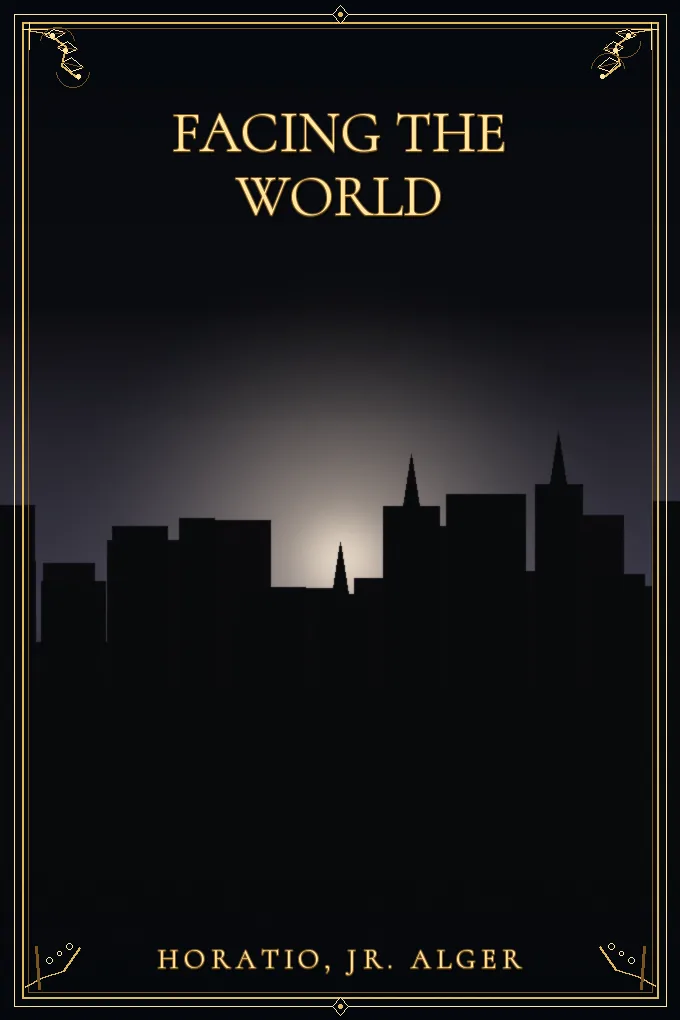
Cover illustration for Facing the World
Context Illustration Reading 1/26 · 5 lines
English subtitles · tap any word to listen 1 / 5
HARRY DISAGREES WITH HIS GUARDIAN Harry and his guardian met at the dinner table.
Mrs. Fox had provided a boiled dinner, to which Harry was ready to do justice.
Mr. Fox seemed unusually pleasant.
I find, Harry,” he said, clearing his throat, that you have already been distinguishing yourself.”
Then you heard of the narrow escape of the train?” said Harry.
0:00 / 0:00
Speed 0.75x
AI-generated narration by OpenAI · Slow US English
LEARNER DICTIONARY
Archivist
/ˈɑːrkɪvɪst/
Editorial verification pending

A keeper or guardian of historical records and memories.

Facing the World

Chapter II · Chapter 2

Chapter 2 of Facing the World is here in full — 134 sentences across 27 reading sections, with audio for every sentence and word.

Reading 1/26 · 5 reading units · Lines 1–5

Line 1
HARRY DISAGREES WITH HIS GUARDIAN Harry and his guardian met at the dinner table.
/ˈheri dɪsəˈɡriːz wɪð hɪz ˈɡɑːrdiən ˈheri ənd hɪz ˈɡɑːrdiən met æt ðə ˈdɪnər ˈteɪbəl/
Line 2
Mrs. Fox had provided a boiled dinner, to which Harry was ready to do justice.
/ˈmɪsɪz fɑːks hæd prəˈvaɪdɪd ə bɔɪld ˈdɪnər tuː wɪtʃ ˈheri wɑːz ˈredi tuː duː ˈdʒʌstəs/
Line 3
Mr. Fox seemed unusually pleasant.
/ˈmɪstər fɑːks siːmd əˈnjuːʒuːəli ˈplezənt/
Line 4
I find, Harry,” he said, clearing his throat, “that you have already been distinguishing yourself.”

/aɪ faɪnd ˈheri hiː sed ˈklɪrɪŋ hɪz θroʊt ðæt juː hæv ɔːlˈredi bɪn dɪˈstɪŋɡwɪʃɪŋ jərˈself/
Line 5
Then you heard of the narrow escape of the train?” said Harry.
/ðen juː hɜːrd ʌv ðə ˈneroʊ ɪˈskeɪp ʌv ðə treɪn sed ˈheri/

Learner Dictionary

These definitions explain words found in the current reading and keep every example grounded in its original sentence.

Oxford-style entry order: headword, part of speech, US IPA, concise definition, contextual example, and audio.

boiled adjective US /bɔɪld/

cooked in hot water

From this reading “Mrs. Fox had provided a boiled dinner, to which Harry was ready to do justice.”

clearing noun US /ˈklɪrɪŋ/

a tract of land with few or no trees in the middle of a wooded area

From this reading ““I find, Harry,” he said, clearing his throat, “that you have already been distinguishing yourself.””

disagrees verb US /dɪsəˈɡriːz/

third-person singular of “disagree” — be of different opinions

From this reading “HARRY DISAGREES WITH HIS GUARDIAN Harry and his guardian met at the dinner table.”

distinguishing verb US /dɪˈstɪŋɡwɪʃɪŋ/

-ing form of “distinguish” — mark as different

From this reading ““I find, Harry,” he said, clearing his throat, “that you have already been distinguishing yourself.””

Fox noun US /fɑːks/

alert carnivorous mammal with pointed muzzle and ears and a bushy tail; most are predators that do not hunt in packs

From this reading “Mrs. Fox had provided a boiled dinner, to which Harry was ready to do justice.”

guardian noun US /ˈɡɑːrdiən/

a person who cares for persons or property

From this reading “HARRY DISAGREES WITH HIS GUARDIAN Harry and his guardian met at the dinner table.”

provided verb US /prəˈvaɪdɪd/

past form of “provide” — give something useful or necessary to

From this reading “Mrs. Fox had provided a boiled dinner, to which Harry was ready to do justice.”

unusually adverb US /əˈnjuːʒuːəli/

to a remarkable degree or extent

From this reading “Mr. Fox seemed unusually pleasant.”

All words in this reading · 46

Every word in these five lines is listed here, and every one of them can be played on its own.

Dictionary details are shown only when verified; these are not licensed Oxford entries.

adeterminerUS /ə/

used before a singular noun to mean one of a group, when it is not a particular one

From this reading Mrs. Fox had provided a boiled dinner, to which Harry was ready to do justice.

alreadyadverbUS /ɔːlˈredi/

prior to a specified or implied time

From this reading “I find, Harry,” he said, clearing his throat, “that you have already been distinguishing yourself.”

andconjunctionUS /ənd/

used to join words or parts of a sentence that go together

From this reading HARRY DISAGREES WITH HIS GUARDIAN Harry and his guardian met at the dinner table.

atprepositionUS /æt/

in or near a particular place or position

From this reading HARRY DISAGREES WITH HIS GUARDIAN Harry and his guardian met at the dinner table.

beenauxiliary verbUS /bɪn/

the past participle of “be”

From this reading “I find, Harry,” he said, clearing his throat, “that you have already been distinguishing yourself.”

boiledadjectiveUS /bɔɪld/

cooked in hot water

From this reading Mrs. Fox had provided a boiled dinner, to which Harry was ready to do justice.

clearingnounUS /ˈklɪrɪŋ/

a tract of land with few or no trees in the middle of a wooded area

From this reading “I find, Harry,” he said, clearing his throat, “that you have already been distinguishing yourself.”

dinnernounUS /ˈdɪnər/

the main meal of the day served in the evening or at midday

From this reading HARRY DISAGREES WITH HIS GUARDIAN Harry and his guardian met at the dinner table.

DISAGREESverbUS /dɪsəˈɡriːz/

third-person singular of “disagree” — be of different opinions

From this reading HARRY DISAGREES WITH HIS GUARDIAN Harry and his guardian met at the dinner table.

distinguishingverbUS /dɪˈstɪŋɡwɪʃɪŋ/

-ing form of “distinguish” — mark as different

From this reading “I find, Harry,” he said, clearing his throat, “that you have already been distinguishing yourself.”

doauxiliary verbUS /duː/

used to form questions and negatives, and to give emphasis

From this reading Mrs. Fox had provided a boiled dinner, to which Harry was ready to do justice.

escapenounUS /ɪˈskeɪp/

the act of escaping physically

From this reading “Then you heard of the narrow escape of the train?” said Harry.

findverbUS /faɪnd/

come upon, as if by accident; meet with

From this reading “I find, Harry,” he said, clearing his throat, “that you have already been distinguishing yourself.”

FoxnounUS /fɑːks/

alert carnivorous mammal with pointed muzzle and ears and a bushy tail; most are predators that do not hunt in packs

From this reading Mrs. Fox had provided a boiled dinner, to which Harry was ready to do justice.

GUARDIANnounUS /ˈɡɑːrdiən/

a person who cares for persons or property

From this reading HARRY DISAGREES WITH HIS GUARDIAN Harry and his guardian met at the dinner table.

hadauxiliary verbUS /hæd/

the past form of “have”, used to form the past perfect

From this reading Mrs. Fox had provided a boiled dinner, to which Harry was ready to do justice.

HARRYverbUS /ˈheri/

annoy continually or chronically

From this reading HARRY DISAGREES WITH HIS GUARDIAN Harry and his guardian met at the dinner table.

haveauxiliary verbUS /hæv/

used with a past participle to form the perfect tenses

From this reading “I find, Harry,” he said, clearing his throat, “that you have already been distinguishing yourself.”

hepronounUS /hiː/

a man, boy, or male animal already mentioned, as the subject

From this reading “I find, Harry,” he said, clearing his throat, “that you have already been distinguishing yourself.”

heardadjectiveUS /hɜːrd/

detected or perceived by the sense of hearing

From this reading “Then you heard of the narrow escape of the train?” said Harry.

HISdeterminerUS /hɪz/

belonging to a man, boy, or male animal already mentioned

From this reading HARRY DISAGREES WITH HIS GUARDIAN Harry and his guardian met at the dinner table.

IpronounUS /aɪ/

the person speaking or writing, as the subject of the verb

From this reading “I find, Harry,” he said, clearing his throat, “that you have already been distinguishing yourself.”

justicenounUS /ˈdʒʌstəs/

the quality of being just or fair

From this reading Mrs. Fox had provided a boiled dinner, to which Harry was ready to do justice.

metverbUS /met/

inflected form of “meet” — come together

From this reading HARRY DISAGREES WITH HIS GUARDIAN Harry and his guardian met at the dinner table.

MrnounUS /ˈmɪstər/

a form of address for a man

From this reading Mr. Fox seemed unusually pleasant.

MrsnounUS /ˈmɪsɪz/

a form of address for a married woman

From this reading Mrs. Fox had provided a boiled dinner, to which Harry was ready to do justice.

narrowverbUS /ˈneroʊ/

make or become more narrow or restricted

From this reading “Then you heard of the narrow escape of the train?” said Harry.

ofprepositionUS /ʌv/

belonging to, or connected with, somebody or something

From this reading “Then you heard of the narrow escape of the train?” said Harry.

pleasantadjectiveUS /ˈplezənt/

affording pleasure; being in harmony with your taste or likings

From this reading Mr. Fox seemed unusually pleasant.

providedverbUS /prəˈvaɪdɪd/

past form of “provide” — give something useful or necessary to

From this reading Mrs. Fox had provided a boiled dinner, to which Harry was ready to do justice.

readyadjectiveUS /ˈredi/

completely prepared or in condition for immediate action or use or progress

From this reading Mrs. Fox had provided a boiled dinner, to which Harry was ready to do justice.

saidadjectiveUS /sed/

being the one previously mentioned or spoken of

From this reading “I find, Harry,” he said, clearing his throat, “that you have already been distinguishing yourself.”

seemedverbUS /siːmd/

past form of “seem” — give a certain impression or have a certain outward aspect

From this reading Mr. Fox seemed unusually pleasant.

tablenounUS /ˈteɪbəl/

a set of data arranged in rows and columns

From this reading HARRY DISAGREES WITH HIS GUARDIAN Harry and his guardian met at the dinner table.

thatconjunctionUS /ðæt/

used to introduce what somebody said, thought, or felt

From this reading “I find, Harry,” he said, clearing his throat, “that you have already been distinguishing yourself.”

thedeterminerUS /ðə/

used before a noun that is already known, already mentioned, or the only one of its kind

From this reading HARRY DISAGREES WITH HIS GUARDIAN Harry and his guardian met at the dinner table.

ThenadverbUS /ðen/

subsequently or soon afterward (often used as sentence connectors)

From this reading “Then you heard of the narrow escape of the train?” said Harry.

throatnounUS /θroʊt/

The passage at the back of the mouth.

From this reading “I find, Harry,” he said, clearing his throat, “that you have already been distinguishing yourself.”

toparticleUS /tuː/

used before the base form of a verb to make the infinitive

From this reading Mrs. Fox had provided a boiled dinner, to which Harry was ready to do justice.

trainverbUS /treɪn/

create by training and teaching

From this reading “Then you heard of the narrow escape of the train?” said Harry.

unusuallyadverbUS /əˈnjuːʒuːəli/

to a remarkable degree or extent

From this reading Mr. Fox seemed unusually pleasant.

wasauxiliary verbUS /wɑːz/

the past form of “be” used with I, he, she, it, or a singular noun

From this reading Mrs. Fox had provided a boiled dinner, to which Harry was ready to do justice.

whichpronounUS /wɪtʃ/

used to introduce a clause giving more about a thing just mentioned

From this reading Mrs. Fox had provided a boiled dinner, to which Harry was ready to do justice.

WITHprepositionUS /wɪð/

in the company of; together with

From this reading HARRY DISAGREES WITH HIS GUARDIAN Harry and his guardian met at the dinner table.

youpronounUS /juː/

the person or people being spoken to

From this reading “I find, Harry,” he said, clearing his throat, “that you have already been distinguishing yourself.”

yourselfpronounUS /jərˈself/

used when the person spoken to is also the object of the action

From this reading “I find, Harry,” he said, clearing his throat, “that you have already been distinguishing yourself.”

Chapter 2 of Facing the World by Horatio, Jr. Alger holds 134 sentences, grouped into 27 reading sections of at most 5 sentences. The text is the public-domain source, unabridged, and the chapter records which sentences cover which part of the work so that nothing is dropped. Every word can be tapped for its pronunciation and dictionary entry.

What does chapter 2 of Facing the World contain?

Chapter 2 holds 134 sentences of Facing the World, unabridged, divided into 27 reading sections.

This page carries chapter 2 of Facing the World by Horatio, Jr. Alger exactly as it stands in the public-domain source edition, without abridgement. It runs to 134 sentences, grouped into 27 sections of at most 5 sentences so that a reader can take the chapter in steady, finishable pieces. The chapter also stores a coverage record mapping every one of its sentences to a part of the work, which is how the edition demonstrates that no line was dropped.

How do I study chapter 2 of Facing the World?

Work through the 27 sections in order, replaying any sentence and tapping unfamiliar words for their entries.

Each of the 27 sections in this chapter is short enough to read once, hear once, and then re-read with the vocabulary in view. Tapping a word plays it alone and opens its dictionary entry with IPA, part of speech and meaning, so the reader is never forced to guess a pronunciation from spelling. Working section by section keeps a long chapter from becoming an undifferentiated wall of text, which is the usual reason a reader abandons a work of this period.

Can chapter 2 be read aloud to me?

Yes — every sentence and every individual word in chapter 2 can be played aloud in United States English.

Audio covers the whole chapter: any sentence can be played, and any single word within it can be played on its own. The voice uses United States English. For a work of this period that matters, because spelling is an unreliable guide to pronunciation for vocabulary that has fallen out of daily use, and a learner who guesses wrong tends to keep the error. Hearing the word in its own sentence, and then alone, settles it.

Questions about reading Facing the World

Common questions about reading Facing the World by Horatio, Jr. Alger on this page, its source edition and its audio.

Is this the complete text of Facing the World?

Yes. All 2097 sentences of Project Gutenberg eBook #6461 are kept, with a record of which sentences cover which part.

Which edition of Facing the World is used?

Project Gutenberg eBook #6461, a public-domain edition. The Project Gutenberg header, footer and licence are removed.

How long does Facing the World take to read?

About 174 minutes of reading across 420 sections of 5 sentences each, at an unhurried pace.

How to read Facing the World section by section

How to work through Facing the World section by section, using the audio and the tap-to-define vocabulary.

  1. Open a chapter

    Choose one of the 15 chapters of Facing the World to begin.

  2. Read one section

    Each section holds 5 sentences; read it once through.

  3. Listen and tap

    Play the section aloud, then tap any unfamiliar word for its entry.

Vocabulary met early in Facing the World

Words and structures a reader meets early in Facing the World, each tappable for pronunciation and meaning.

Pointed
A word that appears in the opening chapter of Facing the World; the reader can tap it to hear it and see its dictionary entry.
Harry
A word that appears in the opening chapter of Facing the World; the reader can tap it to hear it and see its dictionary entry.
Guardian
A word that appears in the opening chapter of Facing the World; the reader can tap it to hear it and see its dictionary entry.
Loosely
A word that appears in the opening chapter of Facing the World; the reader can tap it to hear it and see its dictionary entry.