used before a singular noun to mean one of a group, when it is not a particular one
From this reading ________________________________________________________________________ This little book describes a visit up to the Arctic regions, that was supposed to have taken place long before the book was written, in other words in the early part of the nineteenth century.
plural of “adventure” — a wild and exciting undertaking (not necessarily lawful)
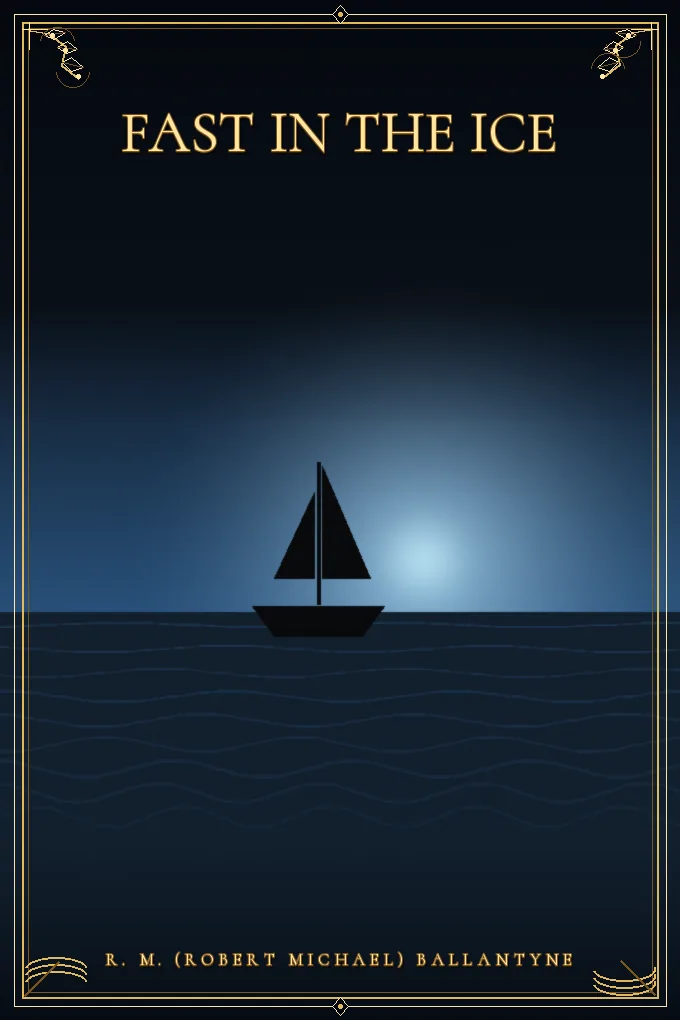
From this reading Fast in the Ice, Adventures in the Polar Regions, by R.M. Ballantyne.
used to join words or parts of a sentence that go together
From this reading The vessel in which they sailed became beset by ice, and could not be moved.
ArcticnounUS /ˈɑːrktɪk/
the regions to the north of the Arctic Circle centered on the North Pole
From this reading ________________________________________________________________________ This little book describes a visit up to the Arctic regions, that was supposed to have taken place long before the book was written, in other words in the early part of the nineteenth century.
areanounUS /ˈeriə/
a particular geographical region of indefinite boundary (usually serving some special purpose or distinguished by its people or culture or geography)
From this reading The purpose of the journey was to get near to the North Pole, which was considered to be surrounded by a large area of ice-free water.
Ballantyne
Dictionary entry pending editorial verification. Tap Listen to hear the word.
From this reading Fast in the Ice, Adventures in the Polar Regions, by R.M. Ballantyne.
used with a past participle to form the passive, or with -ing for continuous tenses
From this reading The purpose of the journey was to get near to the North Pole, which was considered to be surrounded by a large area of ice-free water.
inflected form of “become” — enter or assume a certain state or condition
From this reading The vessel in which they sailed became beset by ice, and could not be moved.
earlier than; in front of
From this reading ________________________________________________________________________ This little book describes a visit up to the Arctic regions, that was supposed to have taken place long before the book was written, in other words in the early part of the nineteenth century.
besetverbUS /bɪˈset/
annoy continually or chronically
From this reading The vessel in which they sailed became beset by ice, and could not be moved.
plural of “bird” — warm-blooded egg-laying vertebrates characterized by feathers and forelimbs modified as wings
From this reading They met with Esquimaux, and saw how they survived, how they killed walrus, how they caught birds, and how they lived in their ice-houses, or igloos.
a written work or composition that has been published (printed on pages bound together)
From this reading ________________________________________________________________________ This little book describes a visit up to the Arctic regions, that was supposed to have taken place long before the book was written, in other words in the early part of the nineteenth century.
showing who or what does the action
From this reading Fast in the Ice, Adventures in the Polar Regions, by R.M. Ballantyne.
inflected form of “catch” — discover or come upon accidentally, suddenly, or unexpectedly; catch somebody doing something or in a certain state
From this reading They met with Esquimaux, and saw how they survived, how they killed walrus, how they caught birds, and how they lived in their ice-houses, or igloos.
a period of 100 years
From this reading ________________________________________________________________________ This little book describes a visit up to the Arctic regions, that was supposed to have taken place long before the book was written, in other words in the early part of the nineteenth century.
carefully weighed
From this reading The purpose of the journey was to get near to the North Pole, which was considered to be surrounded by a large area of ice-free water.
the past of “can”; used for possibility or polite requests
From this reading The vessel in which they sailed became beset by ice, and could not be moved.
describesverbUS /dɪˈskraɪbz/
third-person singular of “describe” — give a description of
From this reading ________________________________________________________________________ This little book describes a visit up to the Arctic regions, that was supposed to have taken place long before the book was written, in other words in the early part of the nineteenth century.
earlyadjectiveUS /ˈɜːrli/
at or near the beginning of a period of time or course of events or before the usual or expected time
From this reading ________________________________________________________________________ This little book describes a visit up to the Arctic regions, that was supposed to have taken place long before the book was written, in other words in the early part of the nineteenth century.
Esquimaux
Dictionary entry pending editorial verification. Tap Listen to hear the word.
From this reading They met with Esquimaux, and saw how they survived, how they killed walrus, how they caught birds, and how they lived in their ice-houses, or igloos.
quickly or rapidly (often used as a combining form)
From this reading Fast in the Ice, Adventures in the Polar Regions, by R.M. Ballantyne.
come into the possession of something concrete or abstract
From this reading The purpose of the journey was to get near to the North Pole, which was considered to be surrounded by a large area of ice-free water.
haveauxiliary verbUS /hæv/
used with a past participle to form the perfect tenses
From this reading ________________________________________________________________________ This little book describes a visit up to the Arctic regions, that was supposed to have taken place long before the book was written, in other words in the early part of the nineteenth century.
how
Dictionary entry pending editorial verification. Tap Listen to hear the word.
From this reading They met with Esquimaux, and saw how they survived, how they killed walrus, how they caught birds, and how they lived in their ice-houses, or igloos.
water frozen in the solid state
From this reading Fast in the Ice, Adventures in the Polar Regions, by R.M. Ballantyne.
ice-freeadjective
free of ice and open to travel
From this reading The purpose of the journey was to get near to the North Pole, which was considered to be surrounded by a large area of ice-free water.
ice-houses
Dictionary entry pending editorial verification. Tap Listen to hear the word.
From this reading They met with Esquimaux, and saw how they survived, how they killed walrus, how they caught birds, and how they lived in their ice-houses, or igloos.
igloos
Dictionary entry pending editorial verification. Tap Listen to hear the word.
From this reading They met with Esquimaux, and saw how they survived, how they killed walrus, how they caught birds, and how they lived in their ice-houses, or igloos.
inside something, or within a place, period, or state
From this reading Fast in the Ice, Adventures in the Polar Regions, by R.M. Ballantyne.
undertake a journey or trip
From this reading The purpose of the journey was to get near to the North Pole, which was considered to be surrounded by a large area of ice-free water.
past form of “kill” — cause to die; put to death, usually intentionally or knowingly
From this reading They met with Esquimaux, and saw how they survived, how they killed walrus, how they caught birds, and how they lived in their ice-houses, or igloos.
largeadjectiveUS /lɑːrdʒ/
above average in size or number or quantity or magnitude or extent
From this reading The purpose of the journey was to get near to the North Pole, which was considered to be surrounded by a large area of ice-free water.
limited or below average in number or quantity or magnitude or extent
From this reading ________________________________________________________________________ This little book describes a visit up to the Arctic regions, that was supposed to have taken place long before the book was written, in other words in the early part of the nineteenth century.
past form of “live” — be an inhabitant of or reside in
From this reading They met with Esquimaux, and saw how they survived, how they killed walrus, how they caught birds, and how they lived in their ice-houses, or igloos.
primarily temporal sense; being or indicating a relatively great or greater than average duration or passage of time or a duration as specified
From this reading ________________________________________________________________________ This little book describes a visit up to the Arctic regions, that was supposed to have taken place long before the book was written, in other words in the early part of the nineteenth century.
the basic unit of length adopted under the Systeme International d'Unites (approximately 1.094 yards)
From this reading Fast in the Ice, Adventures in the Polar Regions, by R.M. Ballantyne.
inflected form of “meet” — come together
From this reading They met with Esquimaux, and saw how they survived, how they killed walrus, how they caught birds, and how they lived in their ice-houses, or igloos.
being excited or provoked to the expression of an emotion
From this reading The vessel in which they sailed became beset by ice, and could not be moved.
near in time or place or relationship
From this reading The purpose of the journey was to get near to the North Pole, which was considered to be surrounded by a large area of ice-free water.
nineteenthadjectiveUS /ˈnaɪnˈtiːnθ/
coming next after the eighteenth in position
From this reading ________________________________________________________________________ This little book describes a visit up to the Arctic regions, that was supposed to have taken place long before the book was written, in other words in the early part of the nineteenth century.
the region of the United States lying to the north of the Mason-Dixon line
From this reading The purpose of the journey was to get near to the North Pole, which was considered to be surrounded by a large area of ice-free water.
used to make a word, phrase, or sentence negative
From this reading The vessel in which they sailed became beset by ice, and could not be moved.
belonging to, or connected with, somebody or something
From this reading ________________________________________________________________________ This little book describes a visit up to the Arctic regions, that was supposed to have taken place long before the book was written, in other words in the early part of the nineteenth century.
used to join alternatives or possibilities
From this reading They met with Esquimaux, and saw how they survived, how they killed walrus, how they caught birds, and how they lived in their ice-houses, or igloos.
not the same one or ones already mentioned or implied
From this reading ________________________________________________________________________ This little book describes a visit up to the Arctic regions, that was supposed to have taken place long before the book was written, in other words in the early part of the nineteenth century.
something determined in relation to something that includes it
From this reading ________________________________________________________________________ This little book describes a visit up to the Arctic regions, that was supposed to have taken place long before the book was written, in other words in the early part of the nineteenth century.
a point located with respect to surface features of some region
From this reading ________________________________________________________________________ This little book describes a visit up to the Arctic regions, that was supposed to have taken place long before the book was written, in other words in the early part of the nineteenth century.
PolaradjectiveUS /ˈpoʊlər/
having a pair of equal and opposite charges
From this reading Fast in the Ice, Adventures in the Polar Regions, by R.M. Ballantyne.
PolenounUS /poʊl/
a long (usually round) rod of wood or metal or plastic
From this reading The purpose of the journey was to get near to the North Pole, which was considered to be surrounded by a large area of ice-free water.
an anticipated outcome that is intended or that guides your planned actions
From this reading The purpose of the journey was to get near to the North Pole, which was considered to be surrounded by a large area of ice-free water.
RnounUS /ɑːr/
a unit of radiation exposure; the dose of ionizing radiation that will produce 1 electrostatic unit of electricity in 1 cc of dry air
From this reading Fast in the Ice, Adventures in the Polar Regions, by R.M. Ballantyne.
RegionsnounUS /ˈriːdʒənz/
plural of “region” — the extended spatial location of something
From this reading Fast in the Ice, Adventures in the Polar Regions, by R.M. Ballantyne.
past form of “sail” — traverse or travel on (a body of water)
From this reading The vessel in which they sailed became beset by ice, and could not be moved.
cut with a saw
From this reading They met with Esquimaux, and saw how they survived, how they killed walrus, how they caught birds, and how they lived in their ice-houses, or igloos.
required or under orders
From this reading ________________________________________________________________________ This little book describes a visit up to the Arctic regions, that was supposed to have taken place long before the book was written, in other words in the early part of the nineteenth century.
confined on all sides
From this reading The purpose of the journey was to get near to the North Pole, which was considered to be surrounded by a large area of ice-free water.
survivedverbUS /sərˈvaɪvd/
past form of “survive” — continue to live and avoid dying
From this reading They met with Esquimaux, and saw how they survived, how they killed walrus, how they caught birds, and how they lived in their ice-houses, or igloos.
takenadjectiveUS /ˈteɪkən/
understood in a certain way; made sense of
From this reading ________________________________________________________________________ This little book describes a visit up to the Arctic regions, that was supposed to have taken place long before the book was written, in other words in the early part of the nineteenth century.
used to introduce what somebody said, thought, or felt
From this reading ________________________________________________________________________ This little book describes a visit up to the Arctic regions, that was supposed to have taken place long before the book was written, in other words in the early part of the nineteenth century.
used before a noun that is already known, already mentioned, or the only one of its kind
From this reading Fast in the Ice, Adventures in the Polar Regions, by R.M. Ballantyne.
belonging to the people or things already mentioned
From this reading They met with Esquimaux, and saw how they survived, how they killed walrus, how they caught birds, and how they lived in their ice-houses, or igloos.
the people, animals, or things already mentioned, as the subject
From this reading The vessel in which they sailed became beset by ice, and could not be moved.
used for a person or thing that is near, or that has just been mentioned
From this reading ________________________________________________________________________ This little book describes a visit up to the Arctic regions, that was supposed to have taken place long before the book was written, in other words in the early part of the nineteenth century.
used before the base form of a verb to make the infinitive
From this reading ________________________________________________________________________ This little book describes a visit up to the Arctic regions, that was supposed to have taken place long before the book was written, in other words in the early part of the nineteenth century.
being or moving higher in position or greater in some value; being above a former position or level
From this reading ________________________________________________________________________ This little book describes a visit up to the Arctic regions, that was supposed to have taken place long before the book was written, in other words in the early part of the nineteenth century.
a tube in which a body fluid circulates
From this reading The vessel in which they sailed became beset by ice, and could not be moved.
go to see a place, as for entertainment
From this reading ________________________________________________________________________ This little book describes a visit up to the Arctic regions, that was supposed to have taken place long before the book was written, in other words in the early part of the nineteenth century.
walrusnounUS /ˈwɔːlrəs/
either of two large northern marine mammals having ivory tusks and tough hide over thick blubber
From this reading They met with Esquimaux, and saw how they survived, how they killed walrus, how they caught birds, and how they lived in their ice-houses, or igloos.
wasauxiliary verbUS /wɑːz/
the past form of “be” used with I, he, she, it, or a singular noun
From this reading ________________________________________________________________________ This little book describes a visit up to the Arctic regions, that was supposed to have taken place long before the book was written, in other words in the early part of the nineteenth century.
binary compound that occurs at room temperature as a clear colorless odorless tasteless liquid; freezes into ice below 0 degrees centigrade and boils above 100 degrees centigrade; widely used as a solvent
From this reading The purpose of the journey was to get near to the North Pole, which was considered to be surrounded by a large area of ice-free water.
used to introduce a clause giving more about a thing just mentioned
From this reading The purpose of the journey was to get near to the North Pole, which was considered to be surrounded by a large area of ice-free water.
in the company of; together with
From this reading They met with Esquimaux, and saw how they survived, how they killed walrus, how they caught birds, and how they lived in their ice-houses, or igloos.
the words that are spoken
From this reading ________________________________________________________________________ This little book describes a visit up to the Arctic regions, that was supposed to have taken place long before the book was written, in other words in the early part of the nineteenth century.
set down in writing in any of various ways
From this reading ________________________________________________________________________ This little book describes a visit up to the Arctic regions, that was supposed to have taken place long before the book was written, in other words in the early part of the nineteenth century.