used before a singular noun to mean one of a group, when it is not a particular one
From this reading Of course he wraps a good story into this description, but you come away with a good idea of how the Fire Brigade functioned in those days.
fear resulting from the awareness of danger
From this reading There were no telephones, and the alarm was raised by someone running to the fire station.
used to join words or parts of a sentence that go together
From this reading There were no telephones, and the alarm was raised by someone running to the fire station.
from a particular thing or place or position (“forth” is obsolete)
From this reading Of course he wraps a good story into this description, but you come away with a good idea of how the Fire Brigade functioned in those days.
Ballantyne
Dictionary entry pending editorial verification. Tap Listen to hear the word.
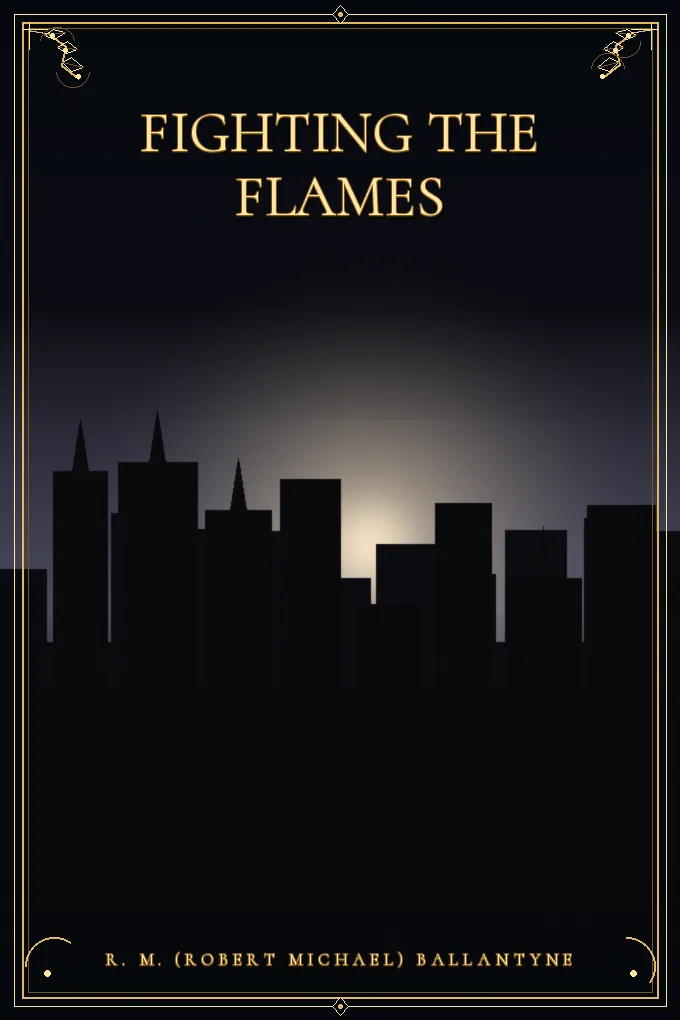
From this reading Fighting the Flames, by R.M. Ballantyne.
have
From this reading Bear in mind that there were no motors--the fire-engines were drawn by galloping horses.
Bound written or printed works.
From this reading ________________________________________________________________________ This is one of the books by Ballantyne in which he describes one of the main institutions of British life--the Fire Brigade.
BrigadenounUS /brəˈɡeɪd/
army unit smaller than a division
From this reading ________________________________________________________________________ This is one of the books by Ballantyne in which he describes one of the main institutions of British life--the Fire Brigade.
the people of Great Britain
From this reading ________________________________________________________________________ This is one of the books by Ballantyne in which he describes one of the main institutions of British life--the Fire Brigade.
used to introduce something that contrasts with what came before
From this reading Of course he wraps a good story into this description, but you come away with a good idea of how the Fire Brigade functioned in those days.
showing who or what does the action
From this reading Fighting the Flames, by R.M. Ballantyne.
move toward, travel toward something or somebody or approach something or somebody
From this reading Of course he wraps a good story into this description, but you come away with a good idea of how the Fire Brigade functioned in those days.
education imparted in a series of lessons or meetings
From this reading Of course he wraps a good story into this description, but you come away with a good idea of how the Fire Brigade functioned in those days.
the time during which someone's life continues
From this reading Of course he wraps a good story into this description, but you come away with a good idea of how the Fire Brigade functioned in those days.
describesverbUS /dɪˈskraɪbz/
third-person singular of “describe” — give a description of
From this reading ________________________________________________________________________ This is one of the books by Ballantyne in which he describes one of the main institutions of British life--the Fire Brigade.
a statement that represents something in words
From this reading Of course he wraps a good story into this description, but you come away with a good idea of how the Fire Brigade functioned in those days.
showing the wearing effects of overwork or care or suffering
From this reading Bear in mind that there were no motors--the fire-engines were drawn by galloping horses.
the act of fighting; any contest or struggle
From this reading Fighting the Flames, by R.M. Ballantyne.
start firing a weapon
From this reading ________________________________________________________________________ This is one of the books by Ballantyne in which he describes one of the main institutions of British life--the Fire Brigade.
fire-engines
Dictionary entry pending editorial verification. Tap Listen to hear the word.
From this reading Bear in mind that there were no motors--the fire-engines were drawn by galloping horses.
FlamesnounUS /fleɪmz/
plural of “flame” — the process of combustion of inflammable materials producing heat and light and (often) smoke
From this reading Fighting the Flames, by R.M. Ballantyne.
functionedverbUS /ˈfʌŋkʃənd/
past form of “function” — perform as expected when applied
From this reading Of course he wraps a good story into this description, but you come away with a good idea of how the Fire Brigade functioned in those days.
gallopingverbUS /ˈɡæləpɪŋ/
-ing form of “gallop” — ride at a galloping pace
From this reading Bear in mind that there were no motors--the fire-engines were drawn by galloping horses.
having desirable or positive qualities especially those suitable for a thing specified
From this reading Of course he wraps a good story into this description, but you come away with a good idea of how the Fire Brigade functioned in those days.
a man, boy, or male animal already mentioned, as the subject
From this reading ________________________________________________________________________ This is one of the books by Ballantyne in which he describes one of the main institutions of British life--the Fire Brigade.
plural of “horse” — solid-hoofed herbivorous quadruped domesticated since prehistoric times
From this reading Bear in mind that there were no motors--the fire-engines were drawn by galloping horses.
how
Dictionary entry pending editorial verification. Tap Listen to hear the word.
From this reading Of course he wraps a good story into this description, but you come away with a good idea of how the Fire Brigade functioned in those days.
the content of cognition; the main thing you are thinking about
From this reading Of course he wraps a good story into this description, but you come away with a good idea of how the Fire Brigade functioned in those days.
inside something, or within a place, period, or state
From this reading ________________________________________________________________________ This is one of the books by Ballantyne in which he describes one of the main institutions of British life--the Fire Brigade.
institutionsnounUS /ˌɪnstɪˈtuːʃənz/
plural of “institution” — an organization founded and united for a specific purpose
From this reading ________________________________________________________________________ This is one of the books by Ballantyne in which he describes one of the main institutions of British life--the Fire Brigade.
intoprepositionUS /ˈɪntuː/
moving to the inside of something
From this reading Of course he wraps a good story into this description, but you come away with a good idea of how the Fire Brigade functioned in those days.
the form of “be” used with he, she, it, or a singular noun
From this reading ________________________________________________________________________ This is one of the books by Ballantyne in which he describes one of the main institutions of British life--the Fire Brigade.
a characteristic state or mode of living
From this reading ________________________________________________________________________ This is one of the books by Ballantyne in which he describes one of the main institutions of British life--the Fire Brigade.
the basic unit of length adopted under the Systeme International d'Unites (approximately 1.094 yards)
From this reading Fighting the Flames, by R.M. Ballantyne.
most important element
From this reading ________________________________________________________________________ This is one of the books by Ballantyne in which he describes one of the main institutions of British life--the Fire Brigade.
The element of a person that enables awareness and thought.
From this reading Bear in mind that there were no motors--the fire-engines were drawn by galloping horses.
motorsnounUS /ˈmoʊtərz/
plural of “motor” — machine that converts other forms of energy into mechanical energy and so imparts motion
From this reading Bear in mind that there were no motors--the fire-engines were drawn by galloping horses.
not any; not one
From this reading Bear in mind that there were no motors--the fire-engines were drawn by galloping horses.
belonging to, or connected with, somebody or something
From this reading ________________________________________________________________________ This is one of the books by Ballantyne in which he describes one of the main institutions of British life--the Fire Brigade.
used to mean any person in general, including the speaker
From this reading ________________________________________________________________________ This is one of the books by Ballantyne in which he describes one of the main institutions of British life--the Fire Brigade.
RnounUS /ɑːr/
a unit of radiation exposure; the dose of ionizing radiation that will produce 1 electrostatic unit of electricity in 1 cc of dry air
From this reading Fighting the Flames, by R.M. Ballantyne.
located or moved above the surround or above the normal position
From this reading There were no telephones, and the alarm was raised by someone running to the fire station.
(of fluids) moving or issuing in a stream
From this reading There were no telephones, and the alarm was raised by someone running to the fire station.
a person, without saying who
From this reading There were no telephones, and the alarm was raised by someone running to the fire station.
a facility equipped with special equipment and personnel for a particular purpose
From this reading There were no telephones, and the alarm was raised by someone running to the fire station.
a message that tells the particulars of an act or occurrence or course of events; presented in writing or drama or cinema or as a radio or television program
From this reading Of course he wraps a good story into this description, but you come away with a good idea of how the Fire Brigade functioned in those days.
telephonesnounUS /ˈteləfoʊnz/
plural of “telephone” — electronic equipment that converts sound into electrical signals that can be transmitted over distances and then converts received signals back into sounds
From this reading There were no telephones, and the alarm was raised by someone running to the fire station.
used to introduce what somebody said, thought, or felt
From this reading Bear in mind that there were no motors--the fire-engines were drawn by galloping horses.
used before a noun that is already known, already mentioned, or the only one of its kind
From this reading Fighting the Flames, by R.M. Ballantyne.
in or at that place or location
From this reading Bear in mind that there were no motors--the fire-engines were drawn by galloping horses.
used for a person or thing that is near, or that has just been mentioned
From this reading ________________________________________________________________________ This is one of the books by Ballantyne in which he describes one of the main institutions of British life--the Fire Brigade.
the plural of “that”: the people or things further away, or already known
From this reading Of course he wraps a good story into this description, but you come away with a good idea of how the Fire Brigade functioned in those days.
used before the base form of a verb to make the infinitive
From this reading There were no telephones, and the alarm was raised by someone running to the fire station.
wasauxiliary verbUS /wɑːz/
the past form of “be” used with I, he, she, it, or a singular noun
From this reading There were no telephones, and the alarm was raised by someone running to the fire station.
wereauxiliary verbUS /wɜːr/
the past form of “be” used with you, we, they, or a plural noun
From this reading Bear in mind that there were no motors--the fire-engines were drawn by galloping horses.
used to introduce a clause giving more about a thing just mentioned
From this reading ________________________________________________________________________ This is one of the books by Ballantyne in which he describes one of the main institutions of British life--the Fire Brigade.
in the company of; together with
From this reading Of course he wraps a good story into this description, but you come away with a good idea of how the Fire Brigade functioned in those days.
wrapsnounUS /ræps/
plural of “wrap” — cloak that is folded or wrapped around a person
From this reading Of course he wraps a good story into this description, but you come away with a good idea of how the Fire Brigade functioned in those days.
the person or people being spoken to
From this reading Of course he wraps a good story into this description, but you come away with a good idea of how the Fire Brigade functioned in those days.