Complete classic literature • Five-line readings • Clear US narration
VELMORA ACADEMY
Academy of Archival Languages & Memory Studies
Menu Close
Frank Merriwell at Yale

Chapter II · Chapter 2

Chapter 2 of Frank Merriwell at Yale is here in full — 143 sentences across 29 reading sections, with audio for every sentence and word.

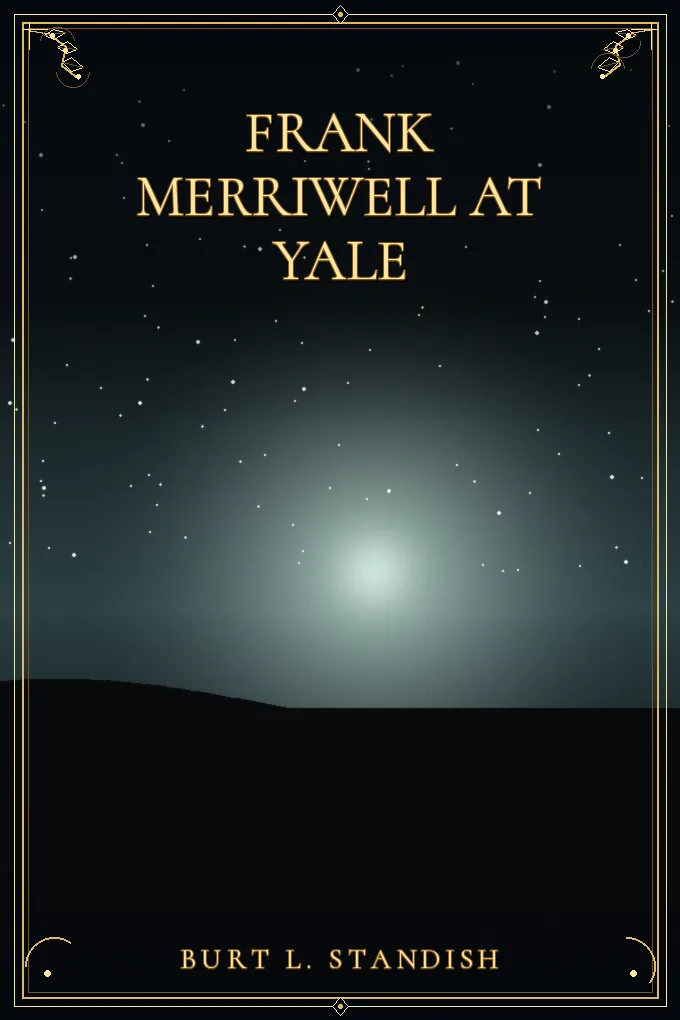
Cover illustration for Frank Merriwell at Yale
Context Illustration Reading 1/28 · 5 lines
English subtitles · tap any word to listen 1 / 5
THE BLOW.
There was a sudden hush.
The students saw that Diamond was really revengeful, and his words seemed to indicate that he intended to report any one whose identity he discovered.
The Virginian was pale and he trembled with anger.
"You don't mean to say that you will blow, do you?" asked one.
0:00 / 0:00
Speed 0.75x
AI-generated narration by OpenAI · Slow US English
LEARNER DICTIONARY
Archivist
/ˈɑːrkɪvɪst/
Editorial verification pending

A keeper or guardian of historical records and memories.

Frank Merriwell at Yale

Chapter II · Chapter 2

Chapter 2 of Frank Merriwell at Yale is here in full — 143 sentences across 29 reading sections, with audio for every sentence and word.

Reading 1/28 · 5 reading units · Lines 1–5

Line 1
THE BLOW.
/ðə bloʊ/
Line 2
There was a sudden hush.
/ðer wɑːz ə ˈsʌdən hʌʃ/
Line 3
The students saw that Diamond was really revengeful, and his words seemed to indicate that he intended to report any one whose identity he discovered.
Line 4
The Virginian was pale and he trembled with anger.
/ðə vərˈdʒɪnjən wɑːz peɪl ənd hiː ˈtrembəld wɪð ˈæŋɡər/
Line 5
"You don't mean to say that you will blow, do you?" asked one.

Learner Dictionary

These definitions explain words found in the current reading and keep every example grounded in its original sentence.

Oxford-style entry order: headword, part of speech, US IPA, concise definition, contextual example, and audio.

Diamond noun US /ˈdaɪmənd/

a transparent piece of diamond that has been cut and polished and is valued as a precious gem

From this reading “The students saw that Diamond was really revengeful, and his words seemed to indicate that he intended to report any one whose identity he discovered.”

hush verb US /hʌʃ/

become quiet or still; fall silent

From this reading “There was a sudden hush.”

identity noun US /aɪˈdentɪtiː/

the distinct personality of an individual regarded as a persisting entity

From this reading “The students saw that Diamond was really revengeful, and his words seemed to indicate that he intended to report any one whose identity he discovered.”

indicate verb US /ˈɪndəkeɪt/

be a signal for or a symptom of

From this reading “The students saw that Diamond was really revengeful, and his words seemed to indicate that he intended to report any one whose identity he discovered.”

report verb US /riˈpɔːrt/

to give an account or representation of in words

From this reading “The students saw that Diamond was really revengeful, and his words seemed to indicate that he intended to report any one whose identity he discovered.”

students noun US /ˈstuːdənts/

plural of “student” — a learner who is enrolled in an educational institution

From this reading “The students saw that Diamond was really revengeful, and his words seemed to indicate that he intended to report any one whose identity he discovered.”

trembled verb US /ˈtrembəld/

past form of “tremble” — move or jerk quickly and involuntarily up and down or sideways

From this reading “The Virginian was pale and he trembled with anger.”

Virginian noun US /vərˈdʒɪnjən/

a native or resident of Virginia

From this reading “The Virginian was pale and he trembled with anger.”

All words in this reading · 39

Every word in these five lines is listed here, and every one of them can be played on its own.

Dictionary details are shown only when verified; these are not licensed Oxford entries.

adeterminerUS /ə/

used before a singular noun to mean one of a group, when it is not a particular one

From this reading There was a sudden hush.

andconjunctionUS /ənd/

used to join words or parts of a sentence that go together

From this reading The students saw that Diamond was really revengeful, and his words seemed to indicate that he intended to report any one whose identity he discovered.

angernounUS /ˈæŋɡər/

a strong emotion; a feeling that is oriented toward some real or supposed grievance

From this reading The Virginian was pale and he trembled with anger.

anyadjectiveUS /ˈeni/

one or some or every or all without specification

From this reading The students saw that Diamond was really revengeful, and his words seemed to indicate that he intended to report any one whose identity he discovered.

askedverbUS /æskt/

past form of “ask” — make a request or demand for something to somebody

From this reading "You don't mean to say that you will blow, do you?" asked one.

BLOWverbUS /bloʊ/

exhale hard

From this reading THE BLOW.

DiamondnounUS /ˈdaɪmənd/

a transparent piece of diamond that has been cut and polished and is valued as a precious gem

From this reading The students saw that Diamond was really revengeful, and his words seemed to indicate that he intended to report any one whose identity he discovered.

discoveredadjectiveUS /dɪˈskʌvərd/

discovered or determined by scientific observation

From this reading The students saw that Diamond was really revengeful, and his words seemed to indicate that he intended to report any one whose identity he discovered.

doauxiliary verbUS /duː/

used to form questions and negatives, and to give emphasis

From this reading "You don't mean to say that you will blow, do you?" asked one.

don't

Dictionary entry pending editorial verification. Tap Listen to hear the word.

From this reading "You don't mean to say that you will blow, do you?" asked one.

hepronounUS /hiː/

a man, boy, or male animal already mentioned, as the subject

From this reading The students saw that Diamond was really revengeful, and his words seemed to indicate that he intended to report any one whose identity he discovered.

hisdeterminerUS /hɪz/

belonging to a man, boy, or male animal already mentioned

From this reading The students saw that Diamond was really revengeful, and his words seemed to indicate that he intended to report any one whose identity he discovered.

hushverbUS /hʌʃ/

become quiet or still; fall silent

From this reading There was a sudden hush.

identitynounUS /aɪˈdentɪtiː/

the distinct personality of an individual regarded as a persisting entity

From this reading The students saw that Diamond was really revengeful, and his words seemed to indicate that he intended to report any one whose identity he discovered.

indicateverbUS /ˈɪndəkeɪt/

be a signal for or a symptom of

From this reading The students saw that Diamond was really revengeful, and his words seemed to indicate that he intended to report any one whose identity he discovered.

intendedadjectiveUS /ˌɪnˈtendɪd/

resulting from one's intentions

From this reading The students saw that Diamond was really revengeful, and his words seemed to indicate that he intended to report any one whose identity he discovered.

meanverbUS /miːn/

mean or intend to express or convey

From this reading "You don't mean to say that you will blow, do you?" asked one.

onepronounUS /wʌn/

used to mean any person in general, including the speaker

From this reading The students saw that Diamond was really revengeful, and his words seemed to indicate that he intended to report any one whose identity he discovered.

paleadjectiveUS /peɪl/

very light colored; highly diluted with white

From this reading The Virginian was pale and he trembled with anger.

reallyadverbUS /ˈrɪli/

in accordance with truth or fact or reality

From this reading The students saw that Diamond was really revengeful, and his words seemed to indicate that he intended to report any one whose identity he discovered.

reportverbUS /riˈpɔːrt/

to give an account or representation of in words

From this reading The students saw that Diamond was really revengeful, and his words seemed to indicate that he intended to report any one whose identity he discovered.

revengefuladjective

disposed to seek revenge or intended for revenge

From this reading The students saw that Diamond was really revengeful, and his words seemed to indicate that he intended to report any one whose identity he discovered.

sawverbUS /sɔː/

cut with a saw

From this reading The students saw that Diamond was really revengeful, and his words seemed to indicate that he intended to report any one whose identity he discovered.

sayverbUS /seɪ/

express in words

From this reading "You don't mean to say that you will blow, do you?" asked one.

seemedverbUS /siːmd/

past form of “seem” — give a certain impression or have a certain outward aspect

From this reading The students saw that Diamond was really revengeful, and his words seemed to indicate that he intended to report any one whose identity he discovered.

studentsnounUS /ˈstuːdənts/

plural of “student” — a learner who is enrolled in an educational institution

From this reading The students saw that Diamond was really revengeful, and his words seemed to indicate that he intended to report any one whose identity he discovered.

suddenadjectiveUS /ˈsʌdən/

happening without warning or in a short space of time

From this reading There was a sudden hush.

thatconjunctionUS /ðæt/

used to introduce what somebody said, thought, or felt

From this reading The students saw that Diamond was really revengeful, and his words seemed to indicate that he intended to report any one whose identity he discovered.

THEdeterminerUS /ðə/

used before a noun that is already known, already mentioned, or the only one of its kind

From this reading THE BLOW.

ThereadverbUS /ðer/

in or at that place or location

From this reading There was a sudden hush.

toparticleUS /tuː/

used before the base form of a verb to make the infinitive

From this reading The students saw that Diamond was really revengeful, and his words seemed to indicate that he intended to report any one whose identity he discovered.

trembledverbUS /ˈtrembəld/

past form of “tremble” — move or jerk quickly and involuntarily up and down or sideways

From this reading The Virginian was pale and he trembled with anger.

VirginiannounUS /vərˈdʒɪnjən/

a native or resident of Virginia

From this reading The Virginian was pale and he trembled with anger.

wasauxiliary verbUS /wɑːz/

the past form of “be” used with I, he, she, it, or a singular noun

From this reading There was a sudden hush.

whosedeterminerUS /huːz/

belonging to which person

From this reading The students saw that Diamond was really revengeful, and his words seemed to indicate that he intended to report any one whose identity he discovered.

willmodal verbUS /wɪl/

used to talk about the future, or about willingness

From this reading "You don't mean to say that you will blow, do you?" asked one.

withprepositionUS /wɪð/

in the company of; together with

From this reading The Virginian was pale and he trembled with anger.

wordsnounUS /wɜːrdz/

the words that are spoken

From this reading The students saw that Diamond was really revengeful, and his words seemed to indicate that he intended to report any one whose identity he discovered.

YoupronounUS /juː/

the person or people being spoken to

From this reading "You don't mean to say that you will blow, do you?" asked one.

Chapter 2 of Frank Merriwell at Yale by Burt L. Standish holds 143 sentences, grouped into 29 reading sections of at most 5 sentences. The text is the source edition, unabridged, and the chapter records which sentences cover which part of the work so that nothing is dropped. Every word can be tapped for its pronunciation and dictionary entry.

What does chapter 2 of Frank Merriwell at Yale contain?

Chapter 2 holds 143 sentences of Frank Merriwell at Yale, unabridged, divided into 29 reading sections.

This page carries chapter 2 of Frank Merriwell at Yale by Burt L. Standish exactly as it stands in the source edition, without abridgement. It runs to 143 sentences, grouped into 29 sections of at most 5 sentences so that a reader can take the chapter in steady, finishable pieces. The chapter also stores a coverage record mapping every one of its sentences to a part of the work, which is how the edition demonstrates that no line was dropped.

How do I study chapter 2 of Frank Merriwell at Yale?

Work through the 29 sections in order, replaying any sentence and tapping unfamiliar words for their entries.

Each of the 29 sections in this chapter is short enough to read once, hear once, and then re-read with the vocabulary in view. Tapping a word plays it alone and opens its dictionary entry with IPA, part of speech and meaning, so the reader is never forced to guess a pronunciation from spelling. Working section by section keeps a long chapter from becoming an undifferentiated wall of text, which is the usual reason a reader abandons a work of this period.

Can chapter 2 be read aloud to me?

Yes — every sentence and every individual word in chapter 2 can be played aloud in United States English.

Audio covers the whole chapter: any sentence can be played, and any single word within it can be played on its own. The voice uses United States English. For a work of this period that matters, because spelling is an unreliable guide to pronunciation for vocabulary that has fallen out of daily use, and a learner who guesses wrong tends to keep the error. Hearing the word in its own sentence, and then alone, settles it.

Questions about reading Frank Merriwell at Yale

Common questions about reading Frank Merriwell at Yale by Burt L. Standish on this page, its source edition and its audio.

Is this the complete text of Frank Merriwell at Yale?

Yes. All 5772 sentences of Project Gutenberg eBook #11115 are kept, with a record of which sentences cover which part.

Which edition of Frank Merriwell at Yale is used?

Project Gutenberg eBook #11115, unabridged. The Project Gutenberg header, footer and licence are removed.

How long does Frank Merriwell at Yale take to read?

About 481 minutes of reading across 1155 sections of 5 sentences each, at an unhurried pace.

How to read Frank Merriwell at Yale section by section

How to work through Frank Merriwell at Yale section by section, using the audio and the tap-to-define vocabulary.

  1. Open a chapter

    Choose one of the 33 chapters of Frank Merriwell at Yale to begin.

  2. Read one section

    Each section holds 5 sentences; read it once through.

  3. Listen and tap

    Play the section aloud, then tap any unfamiliar word for its entry.

Vocabulary met early in Frank Merriwell at Yale

Words and structures a reader meets early in Frank Merriwell at Yale, each tappable for pronunciation and meaning.

Challenged
A word that appears in the opening chapter of Frank Merriwell at Yale; the reader can tap it to hear it and see its dictionary entry.
Hazed
A word that appears in the opening chapter of Frank Merriwell at Yale; the reader can tap it to hear it and see its dictionary entry.
Voices
A word that appears in the opening chapter of Frank Merriwell at Yale; the reader can tap it to hear it and see its dictionary entry.
Hushed
A word that appears in the opening chapter of Frank Merriwell at Yale; the reader can tap it to hear it and see its dictionary entry.