Learn English through classic literature • Five-line readings • Clear US narration
VELMORA ACADEMY
Academy of Archival Languages & Memory Studies
Menu Close
Frederick the Great and His Court

Chapter XV · Chapter 15

Chapter 15 of Frederick the Great and His Court is here in full — 187 sentences across 38 reading sections, with audio for every sentence and word.

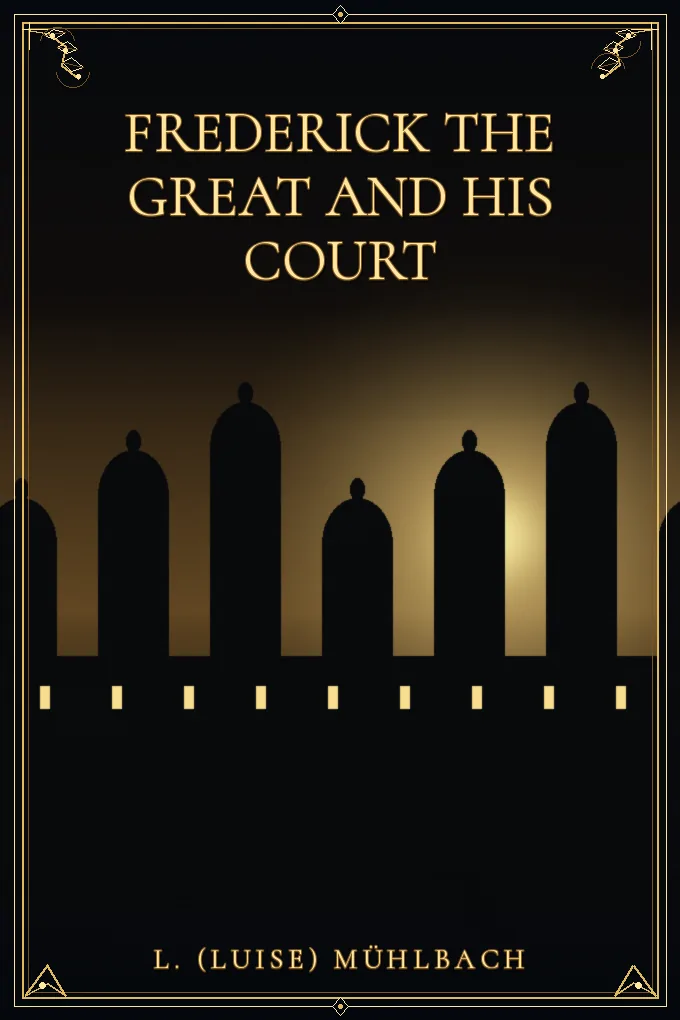
Cover illustration for Frederick the Great and His Court
Context Illustration Reading 1/37 · 5 lines
English subtitles · tap any word to listen 1 / 5
THE KING AND THE SON.
Laura was not mistaken.
It was the king whom the castle guard were saluting with the beat of the drum.
It was the king coming to pay his first visit to his mother at Monbijou.
He came unannounced, and the perplexed, anxious looks of the cavaliers showed that his appearance had caused more disturbance and terror than joy.
0:00 / 0:00
Speed 0.75x
AI-generated narration by OpenAI · Slow US English
LEARNER DICTIONARY
Archivist
/ˈɑːrkɪvɪst/
Editorial verification pending

A keeper or guardian of historical records and memories.

Frederick the Great and His Court

Chapter XV · Chapter 15

Chapter 15 of Frederick the Great and His Court is here in full — 187 sentences across 38 reading sections, with audio for every sentence and word.

Reading 1/37 · 5 reading units · Lines 1–5

Line 1
THE KING AND THE SON.
/ðə kɪŋ ənd ðə sʌn/
Line 2
Laura was not mistaken.
Line 3
It was the king whom the castle guard were saluting with the beat of the drum.
/ɪt wɑːz ðə kɪŋ huːm ðə ˈkæsəl ɡɑːrd wɜːr səˈluːtɪŋ wɪð ðə biːt ʌv ðə drʌm/
Line 4
It was the king coming to pay his first visit to his mother at Monbijou.
Line 5
He came unannounced, and the perplexed, anxious looks of the cavaliers showed that his appearance had caused more disturbance and terror than joy.
/hiː keɪm ˌʌnəˈnaʊnst ənd ðə pərˈplekst ˈæŋkʃəs lʊks ʌv ðə ˌkævəˈlɪrz ʃoʊd ðæt hɪz əˈpɪrəns hæd kɑːzd mɔːr dɪˈstɜːrbəns ənd ˈterər ðæn dʒɔɪ/

Learner Dictionary

These definitions explain words found in the current reading and keep every example grounded in its original sentence.

Oxford-style entry order: headword, part of speech, US IPA, concise definition, contextual example, and audio.

cavaliers noun US /ˌkævəˈlɪrz/

plural of “cavalier” — a gallant or courtly gentleman

From this reading “He came unannounced, and the perplexed, anxious looks of the cavaliers showed that his appearance had caused more disturbance and terror than joy.”

disturbance noun US /dɪˈstɜːrbəns/

activity that is a malfunction, intrusion, or interruption

From this reading “He came unannounced, and the perplexed, anxious looks of the cavaliers showed that his appearance had caused more disturbance and terror than joy.”

drum noun US /drʌm/

a musical percussion instrument; usually consists of a hollow cylinder with a membrane stretched across each end

From this reading “It was the king whom the castle guard were saluting with the beat of the drum.”

mistaken adjective US /mɪˈsteɪkən/

wrong in e.g. opinion or judgment

From this reading “Laura was not mistaken.”

perplexed adjective US /pərˈplekst/

full of difficulty or confusion or bewilderment

From this reading “He came unannounced, and the perplexed, anxious looks of the cavaliers showed that his appearance had caused more disturbance and terror than joy.”

saluting verb US /səˈluːtɪŋ/

-ing form of “salute” — propose a toast to

From this reading “It was the king whom the castle guard were saluting with the beat of the drum.”

terror noun US /ˈterər/

an overwhelming feeling of fear and anxiety

From this reading “He came unannounced, and the perplexed, anxious looks of the cavaliers showed that his appearance had caused more disturbance and terror than joy.”

unannounced adjective US /ˌʌnəˈnaʊnst/

without warning or announcement

From this reading “He came unannounced, and the perplexed, anxious looks of the cavaliers showed that his appearance had caused more disturbance and terror than joy.”

All words in this reading · 44

Every word in these five lines is listed here, and every one of them can be played on its own.

Dictionary details are shown only when verified; these are not licensed Oxford entries.

ANDconjunctionUS /ənd/

used to join words or parts of a sentence that go together

From this reading THE KING AND THE SON.

anxiousadjectiveUS /ˈæŋkʃəs/

eagerly desirous

From this reading He came unannounced, and the perplexed, anxious looks of the cavaliers showed that his appearance had caused more disturbance and terror than joy.

appearancenounUS /əˈpɪrəns/

outward or visible aspect of a person or thing

From this reading He came unannounced, and the perplexed, anxious looks of the cavaliers showed that his appearance had caused more disturbance and terror than joy.

atprepositionUS /æt/

in or near a particular place or position

From this reading It was the king coming to pay his first visit to his mother at Monbijou.

beatverbUS /biːt/

come out better in a competition, race, or conflict

From this reading It was the king whom the castle guard were saluting with the beat of the drum.

cameverbUS /keɪm/

inflected form of “come” — move toward, travel toward something or somebody or approach something or somebody

From this reading He came unannounced, and the perplexed, anxious looks of the cavaliers showed that his appearance had caused more disturbance and terror than joy.

castlenounUS /ˈkæsəl/

a large and stately mansion

From this reading It was the king whom the castle guard were saluting with the beat of the drum.

causedverbUS /kɑːzd/

past form of “cause” — give rise to; cause to happen or occur, not always intentionally

From this reading He came unannounced, and the perplexed, anxious looks of the cavaliers showed that his appearance had caused more disturbance and terror than joy.

cavaliersnounUS /ˌkævəˈlɪrz/

plural of “cavalier” — a gallant or courtly gentleman

From this reading He came unannounced, and the perplexed, anxious looks of the cavaliers showed that his appearance had caused more disturbance and terror than joy.

comingnounUS /ˈkʌmɪŋ/

the act of drawing spatially closer to something

From this reading It was the king coming to pay his first visit to his mother at Monbijou.

disturbancenounUS /dɪˈstɜːrbəns/

activity that is a malfunction, intrusion, or interruption

From this reading He came unannounced, and the perplexed, anxious looks of the cavaliers showed that his appearance had caused more disturbance and terror than joy.

drumnounUS /drʌm/

a musical percussion instrument; usually consists of a hollow cylinder with a membrane stretched across each end

From this reading It was the king whom the castle guard were saluting with the beat of the drum.

firstadjectiveUS /fɜːrst/

preceding all others in time or space or degree

From this reading It was the king coming to pay his first visit to his mother at Monbijou.

guardnounUS /ɡɑːrd/

a person who keeps watch over something or someone

From this reading It was the king whom the castle guard were saluting with the beat of the drum.

hadauxiliary verbUS /hæd/

the past form of “have”, used to form the past perfect

From this reading He came unannounced, and the perplexed, anxious looks of the cavaliers showed that his appearance had caused more disturbance and terror than joy.

HepronounUS /hiː/

a man, boy, or male animal already mentioned, as the subject

From this reading He came unannounced, and the perplexed, anxious looks of the cavaliers showed that his appearance had caused more disturbance and terror than joy.

hisdeterminerUS /hɪz/

belonging to a man, boy, or male animal already mentioned

From this reading It was the king coming to pay his first visit to his mother at Monbijou.

ItpronounUS /ɪt/

a thing, animal, or idea already mentioned

From this reading It was the king whom the castle guard were saluting with the beat of the drum.

joynounUS /dʒɔɪ/

the emotion of great happiness

From this reading He came unannounced, and the perplexed, anxious looks of the cavaliers showed that his appearance had caused more disturbance and terror than joy.

KINGnounUS /kɪŋ/

a male sovereign; ruler of a kingdom

From this reading THE KING AND THE SON.

Laura

Dictionary entry pending editorial verification. Tap Listen to hear the word.

From this reading Laura was not mistaken.

looksnounUS /lʊks/

plural of “look” — the feelings expressed on a person's face

From this reading He came unannounced, and the perplexed, anxious looks of the cavaliers showed that his appearance had caused more disturbance and terror than joy.

mistakenadjectiveUS /mɪˈsteɪkən/

wrong in e.g. opinion or judgment

From this reading Laura was not mistaken.

Monbijou

Dictionary entry pending editorial verification. Tap Listen to hear the word.

From this reading It was the king coming to pay his first visit to his mother at Monbijou.

moreadjectiveUS /mɔːr/

(comparative of “much” used with mass nouns) a quantifier meaning greater in size or amount or extent or degree

From this reading He came unannounced, and the perplexed, anxious looks of the cavaliers showed that his appearance had caused more disturbance and terror than joy.

mothernounUS /ˈmʌðər/

a woman who has given birth to a child (also used as a term of address to your mother)

From this reading It was the king coming to pay his first visit to his mother at Monbijou.

notadverbUS /nɑːt/

used to make a word, phrase, or sentence negative

From this reading Laura was not mistaken.

ofprepositionUS /ʌv/

belonging to, or connected with, somebody or something

From this reading It was the king whom the castle guard were saluting with the beat of the drum.

payverbUS /peɪ/

give money, usually in exchange for goods or services

From this reading It was the king coming to pay his first visit to his mother at Monbijou.

perplexedadjectiveUS /pərˈplekst/

full of difficulty or confusion or bewilderment

From this reading He came unannounced, and the perplexed, anxious looks of the cavaliers showed that his appearance had caused more disturbance and terror than joy.

salutingverbUS /səˈluːtɪŋ/

-ing form of “salute” — propose a toast to

From this reading It was the king whom the castle guard were saluting with the beat of the drum.

showedverbUS /ʃoʊd/

past form of “show” — give an exhibition of to an interested audience

From this reading He came unannounced, and the perplexed, anxious looks of the cavaliers showed that his appearance had caused more disturbance and terror than joy.

SONnounUS /sʌn/

a male human offspring

From this reading THE KING AND THE SON.

terrornounUS /ˈterər/

an overwhelming feeling of fear and anxiety

From this reading He came unannounced, and the perplexed, anxious looks of the cavaliers showed that his appearance had caused more disturbance and terror than joy.

thanconjunctionUS /ðæn/

used to introduce the second part of a comparison

From this reading He came unannounced, and the perplexed, anxious looks of the cavaliers showed that his appearance had caused more disturbance and terror than joy.

thatconjunctionUS /ðæt/

used to introduce what somebody said, thought, or felt

From this reading He came unannounced, and the perplexed, anxious looks of the cavaliers showed that his appearance had caused more disturbance and terror than joy.

THEdeterminerUS /ðə/

used before a noun that is already known, already mentioned, or the only one of its kind

From this reading THE KING AND THE SON.

toparticleUS /tuː/

used before the base form of a verb to make the infinitive

From this reading It was the king coming to pay his first visit to his mother at Monbijou.

unannouncedadjectiveUS /ˌʌnəˈnaʊnst/

without warning or announcement

From this reading He came unannounced, and the perplexed, anxious looks of the cavaliers showed that his appearance had caused more disturbance and terror than joy.

visitverbUS /ˈvɪzɪt/

go to see a place, as for entertainment

From this reading It was the king coming to pay his first visit to his mother at Monbijou.

wasauxiliary verbUS /wɑːz/

the past form of “be” used with I, he, she, it, or a singular noun

From this reading Laura was not mistaken.

wereauxiliary verbUS /wɜːr/

the past form of “be” used with you, we, they, or a plural noun

From this reading It was the king whom the castle guard were saluting with the beat of the drum.

whompronounUS /huːm/

the form of “who” used as the object of a verb or preposition

From this reading It was the king whom the castle guard were saluting with the beat of the drum.

withprepositionUS /wɪð/

in the company of; together with

From this reading It was the king whom the castle guard were saluting with the beat of the drum.

Chapter 15 of Frederick the Great and His Court by L. (Luise) Mühlbach holds 187 sentences, grouped into 38 reading sections of at most 5 sentences. The text is the source edition, unabridged, and the chapter records which sentences cover which part of the work so that nothing is dropped. Every word can be tapped for its pronunciation and dictionary entry.

What does chapter 15 of Frederick the Great and His Court contain?

Chapter 15 holds 187 sentences of Frederick the Great and His Court, unabridged, divided into 38 reading sections.

This page carries chapter 15 of Frederick the Great and His Court by L. (Luise) Mühlbach exactly as it stands in the source edition, without abridgement. It runs to 187 sentences, grouped into 38 sections of at most 5 sentences so that a reader can take the chapter in steady, finishable pieces. The chapter also stores a coverage record mapping every one of its sentences to a part of the work, which is how the edition demonstrates that no line was dropped.

How do I study chapter 15 of Frederick the Great and His Court?

Work through the 38 sections in order, replaying any sentence and tapping unfamiliar words for their entries.

Each of the 38 sections in this chapter is short enough to read once, hear once, and then re-read with the vocabulary in view. Tapping a word plays it alone and opens its dictionary entry with IPA, part of speech and meaning, so the reader is never forced to guess a pronunciation from spelling. Working section by section keeps a long chapter from becoming an undifferentiated wall of text, which is the usual reason a reader abandons a work of this period.

Can chapter 15 be read aloud to me?

Yes — every sentence and every individual word in chapter 15 can be played aloud in United States English.

Audio covers the whole chapter: any sentence can be played, and any single word within it can be played on its own. The voice uses United States English. For a work of this period that matters, because spelling is an unreliable guide to pronunciation for vocabulary that has fallen out of daily use, and a learner who guesses wrong tends to keep the error. Hearing the word in its own sentence, and then alone, settles it.

Questions about reading Frederick the Great and His Court

Common questions about reading Frederick the Great and His Court by L. (Luise) Mühlbach on this page, its source edition and its audio.

Is this the complete text of Frederick the Great and His Court?

Yes. All 6474 sentences of Project Gutenberg eBook #4067 are kept, with a record of which sentences cover which part.

Which edition of Frederick the Great and His Court is used?

Project Gutenberg eBook #4067, unabridged. The Project Gutenberg header, footer and licence are removed.

How long does Frederick the Great and His Court take to read?

About 539 minutes of reading across 1295 sections of 5 sentences each, at an unhurried pace.

How to read Frederick the Great and His Court section by section

How to work through Frederick the Great and His Court section by section, using the audio and the tap-to-define vocabulary.

  1. Open a chapter

    Choose one of the 40 chapters of Frederick the Great and His Court to begin.

  2. Read one section

    Each section holds 5 sentences; read it once through.

  3. Listen and tap

    Play the section aloud, then tap any unfamiliar word for its entry.

Vocabulary met early in Frederick the Great and His Court

Words and structures a reader meets early in Frederick the Great and His Court, each tappable for pronunciation and meaning.

Frederick
A word that appears in the opening chapter of Frederick the Great and His Court; the reader can tap it to hear it and see its dictionary entry.
William
A word that appears in the opening chapter of Frederick the Great and His Court; the reader can tap it to hear it and see its dictionary entry.
Mirth
A word that appears in the opening chapter of Frederick the Great and His Court; the reader can tap it to hear it and see its dictionary entry.
Gayety
A word that appears in the opening chapter of Frederick the Great and His Court; the reader can tap it to hear it and see its dictionary entry.