Complete classic literature • Five-line readings • Clear US narration
VELMORA ACADEMY
Academy of Archival Languages & Memory Studies
Menu Close
Henry Dunbar: A Novel

Chapter XXXIII · Chapter 33

Chapter 33 of Henry Dunbar: A Novel is here in full — 309 sentences across 62 reading sections, with audio for every sentence and word.

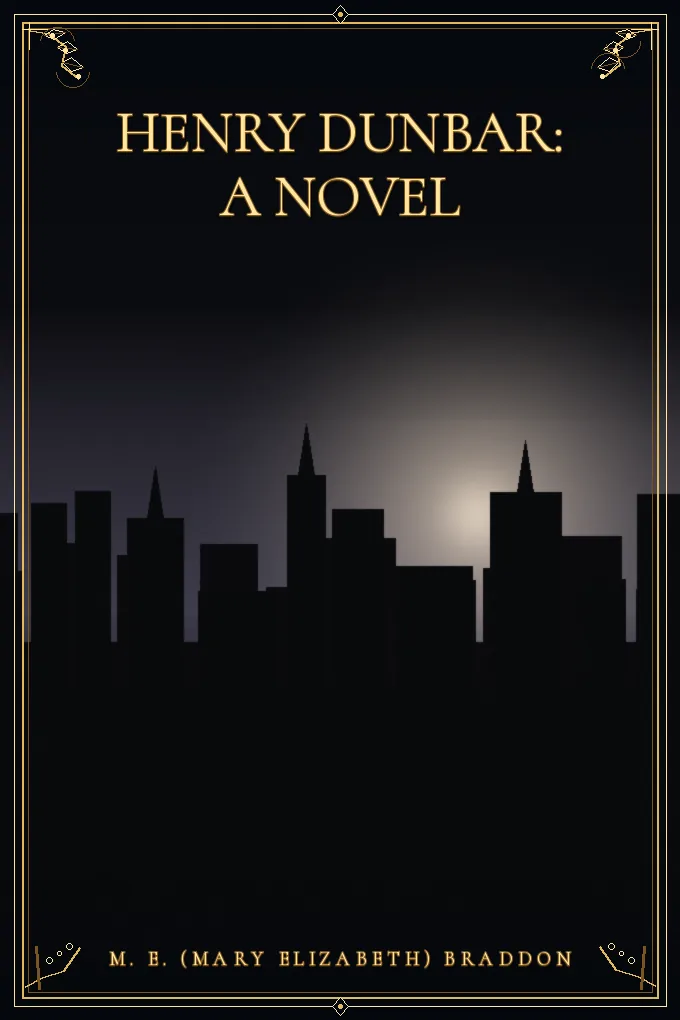
Cover illustration for Henry Dunbar: A Novel
Context Illustration Reading 1/61 · 5 lines
English subtitles · tap any word to listen 1 / 5
CLEMENT AUSTIN'S JOURNAL CONTINUED.
"The rest of the evening passed quietly enough.
Mr. Carter drank his strong tea, and then asked my permission to go out and smoke a couple of cigars in the High Street.
He went, and I finished my letter to my mother.
There was a full moon, but it was obscured every now and then by the black clouds that drifted across it.
0:00 / 0:00
Speed 0.75x
AI-generated narration by OpenAI · Slow US English
LEARNER DICTIONARY
Archivist
/ˈɑːrkɪvɪst/
Editorial verification pending

A keeper or guardian of historical records and memories.

Henry Dunbar: A Novel

Chapter XXXIII · Chapter 33

Chapter 33 of Henry Dunbar: A Novel is here in full — 309 sentences across 62 reading sections, with audio for every sentence and word.

Reading 1/61 · 5 reading units · Lines 1–5

Line 1
CLEMENT AUSTIN'S JOURNAL CONTINUED.
/ˈklemənt ˈɔːstənz ˈdʒɜːrnəl kənˈtɪnjuːd/
Line 2
"The rest of the evening passed quietly enough.
/ðə rest ʌv ðə ˈiːvnɪŋ pæst ˈkwaɪətli ɪˈnʌf/
Line 3
Mr. Carter drank his strong tea, and then asked my permission to go out and smoke a couple of cigars in the High Street.
/ˈmɪstər ˈkɑːrtər dræŋk hɪz strɔːŋ tiː ənd ðen æskt maɪ pərˈmɪʃən tuː ɡoʊ aʊt ənd smoʊk ə ˈkʌpəl ʌv sɪˈɡɑːrz ɪn ðə haɪ striːt/
Line 4
He went, and I finished my letter to my mother.
/hiː went ənd aɪ ˈfɪnɪʃt maɪ ˈletər tuː maɪ ˈmʌðər/
Line 5
There was a full moon, but it was obscured every now and then by the black clouds that drifted across it.
/ðer wɑːz ə fʊl muːn bʌt ɪt wɑːz əbsˈkjʊrd ˈevəri naʊ ənd ðen baɪ ðə blæk klaʊdz ðæt ˈdrɪftəd əˈkrɔːs ɪt/

Learner Dictionary

These definitions explain words found in the current reading and keep every example grounded in its original sentence.

Oxford-style entry order: headword, part of speech, US IPA, concise definition, contextual example, and audio.

austin's noun US /ˈɔːstənz/

possessive form of “austin” — state capital of Texas on the Colorado River; site of the University of Texas

From this reading “CLEMENT AUSTIN'S JOURNAL CONTINUED.”

Carter noun US /ˈkɑːrtər/

Englishman and Egyptologist who in 1922 discovered and excavated the tomb of Tutankhamen (1873-1939)

From this reading “Mr. Carter drank his strong tea, and then asked my permission to go out and smoke a couple of cigars in the High Street.”

cigars noun US /sɪˈɡɑːrz/

plural of “cigar” — a roll of tobacco for smoking

From this reading “Mr. Carter drank his strong tea, and then asked my permission to go out and smoke a couple of cigars in the High Street.”

clement adjective US /ˈklemənt/

(of weather or climate) physically mild

From this reading “CLEMENT AUSTIN'S JOURNAL CONTINUED.”

drifted verb US /ˈdrɪftəd/

past form of “drift” — be in motion due to some air or water current

From this reading “There was a full moon, but it was obscured every now and then by the black clouds that drifted across it.”

journal noun US /ˈdʒɜːrnəl/

a daily written record of (usually personal) experiences and observations

From this reading “CLEMENT AUSTIN'S JOURNAL CONTINUED.”

obscured verb US /əbsˈkjʊrd/

past form of “obscure” — make less visible or unclear

From this reading “There was a full moon, but it was obscured every now and then by the black clouds that drifted across it.”

permission noun US /pərˈmɪʃən/

approval to do something

From this reading “Mr. Carter drank his strong tea, and then asked my permission to go out and smoke a couple of cigars in the High Street.”

All words in this reading · 53

Every word in these five lines is listed here, and every one of them can be played on its own.

Dictionary details are shown only when verified; these are not licensed Oxford entries.

adeterminerUS /ə/

used before a singular noun to mean one of a group, when it is not a particular one

From this reading Mr. Carter drank his strong tea, and then asked my permission to go out and smoke a couple of cigars in the High Street.

acrossprepositionUS /əˈkrɔːs/

from one side of something to the other

From this reading There was a full moon, but it was obscured every now and then by the black clouds that drifted across it.

andconjunctionUS /ənd/

used to join words or parts of a sentence that go together

From this reading Mr. Carter drank his strong tea, and then asked my permission to go out and smoke a couple of cigars in the High Street.

askedverbUS /æskt/

past form of “ask” — make a request or demand for something to somebody

From this reading Mr. Carter drank his strong tea, and then asked my permission to go out and smoke a couple of cigars in the High Street.

AUSTIN'SnounUS /ˈɔːstənz/

possessive form of “austin” — state capital of Texas on the Colorado River; site of the University of Texas

From this reading CLEMENT AUSTIN'S JOURNAL CONTINUED.

blackadjectiveUS /blæk/

being of the achromatic color of maximum darkness; having little or no hue owing to absorption of almost all incident light

From this reading There was a full moon, but it was obscured every now and then by the black clouds that drifted across it.

butconjunctionUS /bʌt/

used to introduce something that contrasts with what came before

From this reading There was a full moon, but it was obscured every now and then by the black clouds that drifted across it.

byprepositionUS /baɪ/

showing who or what does the action

From this reading There was a full moon, but it was obscured every now and then by the black clouds that drifted across it.

CarternounUS /ˈkɑːrtər/

Englishman and Egyptologist who in 1922 discovered and excavated the tomb of Tutankhamen (1873-1939)

From this reading Mr. Carter drank his strong tea, and then asked my permission to go out and smoke a couple of cigars in the High Street.

cigarsnounUS /sɪˈɡɑːrz/

plural of “cigar” — a roll of tobacco for smoking

From this reading Mr. Carter drank his strong tea, and then asked my permission to go out and smoke a couple of cigars in the High Street.

CLEMENTadjectiveUS /ˈklemənt/

(of weather or climate) physically mild

From this reading CLEMENT AUSTIN'S JOURNAL CONTINUED.

cloudsnounUS /klaʊdz/

plural of “cloud” — any collection of particles (e.g., smoke or dust) or gases that is visible

From this reading There was a full moon, but it was obscured every now and then by the black clouds that drifted across it.

CONTINUEDadjectiveUS /kənˈtɪnjuːd/

without stop or interruption

From this reading CLEMENT AUSTIN'S JOURNAL CONTINUED.

couplenounUS /ˈkʌpəl/

a pair who associate with one another

From this reading Mr. Carter drank his strong tea, and then asked my permission to go out and smoke a couple of cigars in the High Street.

drankverbUS /dræŋk/

inflected form of “drink” — take in liquids

From this reading Mr. Carter drank his strong tea, and then asked my permission to go out and smoke a couple of cigars in the High Street.

driftedverbUS /ˈdrɪftəd/

past form of “drift” — be in motion due to some air or water current

From this reading There was a full moon, but it was obscured every now and then by the black clouds that drifted across it.

enoughnounUS /ɪˈnʌf/

an adequate quantity; a quantity that is large enough to achieve a purpose

From this reading "The rest of the evening passed quietly enough.

eveningnounUS /ˈiːvnɪŋ/

the latter part of the day (the period of decreasing daylight from late afternoon until nightfall)

From this reading "The rest of the evening passed quietly enough.

everydeterminerUS /ˈevəri/

all the members of a group, with none left out

From this reading There was a full moon, but it was obscured every now and then by the black clouds that drifted across it.

finishedadjectiveUS /ˈfɪnɪʃt/

(of materials or goods) brought to the desired final state

From this reading He went, and I finished my letter to my mother.

fulladjectiveUS /fʊl/

containing as much or as many as is possible or normal

From this reading There was a full moon, but it was obscured every now and then by the black clouds that drifted across it.

goverbUS /ɡoʊ/

change location; move, travel, or proceed, also metaphorically

From this reading Mr. Carter drank his strong tea, and then asked my permission to go out and smoke a couple of cigars in the High Street.

HepronounUS /hiː/

a man, boy, or male animal already mentioned, as the subject

From this reading He went, and I finished my letter to my mother.

HighadjectiveUS /haɪ/

greater than normal in degree or intensity or amount

From this reading Mr. Carter drank his strong tea, and then asked my permission to go out and smoke a couple of cigars in the High Street.

hisdeterminerUS /hɪz/

belonging to a man, boy, or male animal already mentioned

From this reading Mr. Carter drank his strong tea, and then asked my permission to go out and smoke a couple of cigars in the High Street.

IpronounUS /aɪ/

the person speaking or writing, as the subject of the verb

From this reading He went, and I finished my letter to my mother.

inprepositionUS /ɪn/

inside something, or within a place, period, or state

From this reading Mr. Carter drank his strong tea, and then asked my permission to go out and smoke a couple of cigars in the High Street.

itpronounUS /ɪt/

a thing, animal, or idea already mentioned

From this reading There was a full moon, but it was obscured every now and then by the black clouds that drifted across it.

JOURNALnounUS /ˈdʒɜːrnəl/

a daily written record of (usually personal) experiences and observations

From this reading CLEMENT AUSTIN'S JOURNAL CONTINUED.

letternounUS /ˈletər/

a written message addressed to a person or organization

From this reading He went, and I finished my letter to my mother.

moonnounUS /muːn/

the natural satellite of the Earth

From this reading There was a full moon, but it was obscured every now and then by the black clouds that drifted across it.

mothernounUS /ˈmʌðər/

a woman who has given birth to a child (also used as a term of address to your mother)

From this reading He went, and I finished my letter to my mother.

MrnounUS /ˈmɪstər/

a form of address for a man

From this reading Mr. Carter drank his strong tea, and then asked my permission to go out and smoke a couple of cigars in the High Street.

mydeterminerUS /maɪ/

belonging to the person speaking

From this reading Mr. Carter drank his strong tea, and then asked my permission to go out and smoke a couple of cigars in the High Street.

nowadverbUS /naʊ/

in the historical present; at this point in the narration of a series of past events

From this reading There was a full moon, but it was obscured every now and then by the black clouds that drifted across it.

obscuredverbUS /əbsˈkjʊrd/

past form of “obscure” — make less visible or unclear

From this reading There was a full moon, but it was obscured every now and then by the black clouds that drifted across it.

ofprepositionUS /ʌv/

belonging to, or connected with, somebody or something

From this reading "The rest of the evening passed quietly enough.

outadjectiveUS /aʊt/

not allowed to continue to bat or run

From this reading Mr. Carter drank his strong tea, and then asked my permission to go out and smoke a couple of cigars in the High Street.

passedverbUS /pæst/

past form of “pass” — go across or through

From this reading "The rest of the evening passed quietly enough.

permissionnounUS /pərˈmɪʃən/

approval to do something

From this reading Mr. Carter drank his strong tea, and then asked my permission to go out and smoke a couple of cigars in the High Street.

quietlyadverbUS /ˈkwaɪətli/

with low volume

From this reading "The rest of the evening passed quietly enough.

restverbUS /rest/

not move; be in a resting position

From this reading "The rest of the evening passed quietly enough.

smokenounUS /smoʊk/

a cloud of fine particles suspended in a gas

From this reading Mr. Carter drank his strong tea, and then asked my permission to go out and smoke a couple of cigars in the High Street.

StreetnounUS /striːt/

a thoroughfare (usually including sidewalks) that is lined with buildings

From this reading Mr. Carter drank his strong tea, and then asked my permission to go out and smoke a couple of cigars in the High Street.

strongadjectiveUS /strɔːŋ/

having strength or power greater than average or expected

From this reading Mr. Carter drank his strong tea, and then asked my permission to go out and smoke a couple of cigars in the High Street.

teanounUS /tiː/

a beverage made by steeping tea leaves in water

From this reading Mr. Carter drank his strong tea, and then asked my permission to go out and smoke a couple of cigars in the High Street.

thatconjunctionUS /ðæt/

used to introduce what somebody said, thought, or felt

From this reading There was a full moon, but it was obscured every now and then by the black clouds that drifted across it.

ThedeterminerUS /ðə/

used before a noun that is already known, already mentioned, or the only one of its kind

From this reading "The rest of the evening passed quietly enough.

thenadverbUS /ðen/

subsequently or soon afterward (often used as sentence connectors)

From this reading Mr. Carter drank his strong tea, and then asked my permission to go out and smoke a couple of cigars in the High Street.

ThereadverbUS /ðer/

in or at that place or location

From this reading There was a full moon, but it was obscured every now and then by the black clouds that drifted across it.

toparticleUS /tuː/

used before the base form of a verb to make the infinitive

From this reading Mr. Carter drank his strong tea, and then asked my permission to go out and smoke a couple of cigars in the High Street.

wasauxiliary verbUS /wɑːz/

the past form of “be” used with I, he, she, it, or a singular noun

From this reading There was a full moon, but it was obscured every now and then by the black clouds that drifted across it.

wentverbUS /went/

inflected form of “go” — change location; move, travel, or proceed, also metaphorically

From this reading He went, and I finished my letter to my mother.

Chapter 33 of Henry Dunbar: A Novel by M. E. (Mary Elizabeth) Braddon holds 309 sentences, grouped into 62 reading sections of at most 5 sentences. The text is the source edition, unabridged, and the chapter records which sentences cover which part of the work so that nothing is dropped. Every word can be tapped for its pronunciation and dictionary entry.

What does chapter 33 of Henry Dunbar: A Novel contain?

Chapter 33 holds 309 sentences of Henry Dunbar: A Novel, unabridged, divided into 62 reading sections.

This page carries chapter 33 of Henry Dunbar: A Novel by M. E. (Mary Elizabeth) Braddon exactly as it stands in the source edition, without abridgement. It runs to 309 sentences, grouped into 62 sections of at most 5 sentences so that a reader can take the chapter in steady, finishable pieces. The chapter also stores a coverage record mapping every one of its sentences to a part of the work, which is how the edition demonstrates that no line was dropped.

How do I study chapter 33 of Henry Dunbar: A Novel?

Work through the 62 sections in order, replaying any sentence and tapping unfamiliar words for their entries.

Each of the 62 sections in this chapter is short enough to read once, hear once, and then re-read with the vocabulary in view. Tapping a word plays it alone and opens its dictionary entry with IPA, part of speech and meaning, so the reader is never forced to guess a pronunciation from spelling. Working section by section keeps a long chapter from becoming an undifferentiated wall of text, which is the usual reason a reader abandons a work of this period.

Can chapter 33 be read aloud to me?

Yes — every sentence and every individual word in chapter 33 can be played aloud in United States English.

Audio covers the whole chapter: any sentence can be played, and any single word within it can be played on its own. The voice uses United States English. For a work of this period that matters, because spelling is an unreliable guide to pronunciation for vocabulary that has fallen out of daily use, and a learner who guesses wrong tends to keep the error. Hearing the word in its own sentence, and then alone, settles it.

Questions about reading Henry Dunbar: A Novel

Common questions about reading Henry Dunbar: A Novel by M. E. (Mary Elizabeth) Braddon on this page, its source edition and its audio.

Is this the complete text of Henry Dunbar: A Novel?

Yes. All 7133 sentences of Project Gutenberg eBook #9189 are kept, with a record of which sentences cover which part.

Which edition of Henry Dunbar: A Novel is used?

Project Gutenberg eBook #9189, unabridged. The Project Gutenberg header, footer and licence are removed.

How long does Henry Dunbar: A Novel take to read?

About 594 minutes of reading across 1427 sections of 5 sentences each, at an unhurried pace.

How to read Henry Dunbar: A Novel section by section

How to work through Henry Dunbar: A Novel section by section, using the audio and the tap-to-define vocabulary.

  1. Open a chapter

    Choose one of the 40 chapters of Henry Dunbar: A Novel to begin.

  2. Read one section

    Each section holds 5 sentences; read it once through.

  3. Listen and tap

    Play the section aloud, then tap any unfamiliar word for its entry.

Vocabulary met early in Henry Dunbar: A Novel

Words and structures a reader meets early in Henry Dunbar: A Novel, each tappable for pronunciation and meaning.

Margaret's
A word that appears in the opening chapter of Henry Dunbar: A Novel; the reader can tap it to hear it and see its dictionary entry.
Father
A word that appears in the opening chapter of Henry Dunbar: A Novel; the reader can tap it to hear it and see its dictionary entry.
Wandsworth
A word that appears in the opening chapter of Henry Dunbar: A Novel; the reader can tap it to hear it and see its dictionary entry.
Place
A word that appears in the opening chapter of Henry Dunbar: A Novel; the reader can tap it to hear it and see its dictionary entry.