Complete classic literature • Five-line readings • Clear US narration
VELMORA ACADEMY
Academy of Archival Languages & Memory Studies
Menu Close
How It All Came Round

Chapter XXII · Chapter 22

Chapter 22 of How It All Came Round is here in full — 240 sentences across 48 reading sections, with audio for every sentence and word.

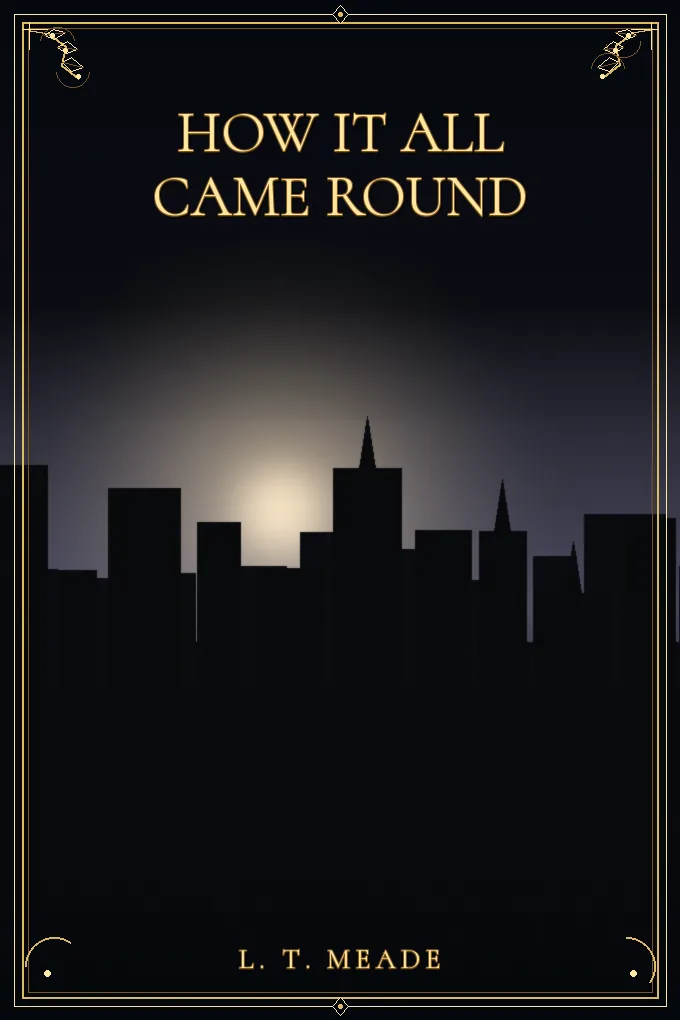
Cover illustration for How It All Came Round
Context Illustration Reading 1/48 · 5 lines
English subtitles · tap any word to listen 1 / 5
JASPER'S TERROR.
Uncle Jasper, too, left Charlotte on that special morning with some displeasure, some surprise, and some anxiety.

Remorse, as I have said, did not visit the man.
Long ago, a very long time ago now, he and his brother John had touched an evil thing.
For both men the natural consequences followed; but how differently?
0:00 / 0:00
Speed 0.75x
AI-generated narration by OpenAI · Slow US English
LEARNER DICTIONARY
Archivist
/ˈɑːrkɪvɪst/
Editorial verification pending

A keeper or guardian of historical records and memories.

How It All Came Round

Chapter XXII · Chapter 22

Chapter 22 of How It All Came Round is here in full — 240 sentences across 48 reading sections, with audio for every sentence and word.

Reading 1/48 · 5 reading units · Lines 1–5

Line 1
JASPER'S TERROR.
/ˈdʒæspərz ˈterər/
Line 2
Uncle Jasper, too, left Charlotte on that special morning with some displeasure, some surprise, and some anxiety.
/ˈʌŋkəl ˈdʒæspər tuː left ˈʃɑːrlət ɑːn ðæt ˈspeʃəl ˈmɔːrnɪŋ wɪð sʌm dɪˈspleʒər sʌm sərˈpraɪz ənd sʌm æŋˈzaɪəti/
Line 3
Remorse, as I have said, did not visit the man.
/rɪˈmɔːrs æz aɪ hæv sed dɪd nɑːt ˈvɪzɪt ðə mæn/
Line 4
Long ago, a very long time ago now, he and his brother John had touched an evil thing.
/lɔːŋ əˈɡoʊ ə ˈveri lɔːŋ taɪm əˈɡoʊ naʊ hiː ənd hɪz ˈbrʌðər dʒɑːn hæd tʌtʃt æn ˈiːvəl θɪŋ/
Line 5
For both men the natural consequences followed; but how differently?

Learner Dictionary

These definitions explain words found in the current reading and keep every example grounded in its original sentence.

Oxford-style entry order: headword, part of speech, US IPA, concise definition, contextual example, and audio.

Charlotte noun US /ˈʃɑːrlət/

the largest city in North Carolina; located in south central North Carolina

From this reading “Uncle Jasper, too, left Charlotte on that special morning with some displeasure, some surprise, and some anxiety.”

consequences noun US /ˈkɑːnsəkwensəz/

plural of “consequence” — a phenomenon that follows and is caused by some previous phenomenon

From this reading “For both men the natural consequences followed; but how differently?”

differently adverb US /ˈdɪfrəntli/

in another and different manner

From this reading “For both men the natural consequences followed; but how differently?”

displeasure noun US /dɪˈspleʒər/

the feeling of being displeased or annoyed or dissatisfied with someone or something

From this reading “Uncle Jasper, too, left Charlotte on that special morning with some displeasure, some surprise, and some anxiety.”

Jasper noun US /ˈdʒæspər/

an opaque form of quartz; red or yellow or brown or dark green in color; used for ornamentation or as a gemstone

From this reading “JASPER'S TERROR.”

jasper's noun US /ˈdʒæspərz/

possessive form of “jasper” — an opaque form of quartz; red or yellow or brown or dark green in color; used for ornamentation or as a gemstone

From this reading “JASPER'S TERROR.”

Remorse noun US /rɪˈmɔːrs/

a feeling of deep regret (usually for some misdeed)

From this reading “Remorse, as I have said, did not visit the man.”

special adjective US /ˈspeʃəl/

unique or specific to a person or thing or category

From this reading “Uncle Jasper, too, left Charlotte on that special morning with some displeasure, some surprise, and some anxiety.”

All words in this reading · 51

Every word in these five lines is listed here, and every one of them can be played on its own.

Dictionary details are shown only when verified; these are not licensed Oxford entries.

adeterminerUS /ə/

used before a singular noun to mean one of a group, when it is not a particular one

From this reading Long ago, a very long time ago now, he and his brother John had touched an evil thing.

agoadverbUS /əˈɡoʊ/

in the past

From this reading Long ago, a very long time ago now, he and his brother John had touched an evil thing.

andeterminerUS /æn/

the form of “a” used before a word that begins with a vowel sound

From this reading Long ago, a very long time ago now, he and his brother John had touched an evil thing.

andconjunctionUS /ənd/

used to join words or parts of a sentence that go together

From this reading Uncle Jasper, too, left Charlotte on that special morning with some displeasure, some surprise, and some anxiety.

anxietynounUS /æŋˈzaɪəti/

(psychiatry) a relatively permanent state of worry and nervousness occurring in a variety of mental disorders, usually accompanied by compulsive behavior or attacks of panic

From this reading Uncle Jasper, too, left Charlotte on that special morning with some displeasure, some surprise, and some anxiety.

asconjunctionUS /æz/

at the same time that; because; in the way that

From this reading Remorse, as I have said, did not visit the man.

bothdeterminerUS /boʊθ/

the two together, not just one

From this reading For both men the natural consequences followed; but how differently?

brothernounUS /ˈbrʌðər/

a male with the same parents as someone else

From this reading Long ago, a very long time ago now, he and his brother John had touched an evil thing.

butconjunctionUS /bʌt/

used to introduce something that contrasts with what came before

From this reading For both men the natural consequences followed; but how differently?

CharlottenounUS /ˈʃɑːrlət/

the largest city in North Carolina; located in south central North Carolina

From this reading Uncle Jasper, too, left Charlotte on that special morning with some displeasure, some surprise, and some anxiety.

consequencesnounUS /ˈkɑːnsəkwensəz/

plural of “consequence” — a phenomenon that follows and is caused by some previous phenomenon

From this reading For both men the natural consequences followed; but how differently?

didauxiliary verbUS /dɪd/

the past form of “do”, used in questions and negatives

From this reading Remorse, as I have said, did not visit the man.

differentlyadverbUS /ˈdɪfrəntli/

in another and different manner

From this reading For both men the natural consequences followed; but how differently?

displeasurenounUS /dɪˈspleʒər/

the feeling of being displeased or annoyed or dissatisfied with someone or something

From this reading Uncle Jasper, too, left Charlotte on that special morning with some displeasure, some surprise, and some anxiety.

evilnounUS /ˈiːvəl/

morally objectionable behavior

From this reading Long ago, a very long time ago now, he and his brother John had touched an evil thing.

followedverbUS /ˈfɑːloʊd/

past form of “follow” — to travel behind, go after, come after

From this reading For both men the natural consequences followed; but how differently?

ForprepositionUS /fɔːr/

intended to be given to, or used by, somebody

From this reading For both men the natural consequences followed; but how differently?

hadauxiliary verbUS /hæd/

the past form of “have”, used to form the past perfect

From this reading Long ago, a very long time ago now, he and his brother John had touched an evil thing.

haveauxiliary verbUS /hæv/

used with a past participle to form the perfect tenses

From this reading Remorse, as I have said, did not visit the man.

hepronounUS /hiː/

a man, boy, or male animal already mentioned, as the subject

From this reading Long ago, a very long time ago now, he and his brother John had touched an evil thing.

hisdeterminerUS /hɪz/

belonging to a man, boy, or male animal already mentioned

From this reading Long ago, a very long time ago now, he and his brother John had touched an evil thing.

how

Dictionary entry pending editorial verification. Tap Listen to hear the word.

From this reading For both men the natural consequences followed; but how differently?

IpronounUS /aɪ/

the person speaking or writing, as the subject of the verb

From this reading Remorse, as I have said, did not visit the man.

JaspernounUS /ˈdʒæspər/

an opaque form of quartz; red or yellow or brown or dark green in color; used for ornamentation or as a gemstone

From this reading Uncle Jasper, too, left Charlotte on that special morning with some displeasure, some surprise, and some anxiety.

JASPER'SnounUS /ˈdʒæspərz/

possessive form of “jasper” — an opaque form of quartz; red or yellow or brown or dark green in color; used for ornamentation or as a gemstone

From this reading JASPER'S TERROR.

JohnnounUS /dʒɑːn/

a room or building equipped with one or more toilets

From this reading Long ago, a very long time ago now, he and his brother John had touched an evil thing.

leftnounUS /left/

location near or direction toward the left side; i.e. the side to the north when a person or object faces east

From this reading Uncle Jasper, too, left Charlotte on that special morning with some displeasure, some surprise, and some anxiety.

LongadjectiveUS /lɔːŋ/

primarily temporal sense; being or indicating a relatively great or greater than average duration or passage of time or a duration as specified

From this reading Long ago, a very long time ago now, he and his brother John had touched an evil thing.

mannounUS /mæn/

an adult person who is male (as opposed to a woman)

From this reading Remorse, as I have said, did not visit the man.

mennounUS /men/

the force of workers available

From this reading For both men the natural consequences followed; but how differently?

morningnounUS /ˈmɔːrnɪŋ/

the time period between dawn and noon

From this reading Uncle Jasper, too, left Charlotte on that special morning with some displeasure, some surprise, and some anxiety.

naturaladjectiveUS /ˈnætʃərəl/

in accordance with nature; relating to or concerning nature

From this reading For both men the natural consequences followed; but how differently?

notadverbUS /nɑːt/

used to make a word, phrase, or sentence negative

From this reading Remorse, as I have said, did not visit the man.

nowadverbUS /naʊ/

in the historical present; at this point in the narration of a series of past events

From this reading Long ago, a very long time ago now, he and his brother John had touched an evil thing.

onprepositionUS /ɑːn/

touching and supported by a surface

From this reading Uncle Jasper, too, left Charlotte on that special morning with some displeasure, some surprise, and some anxiety.

RemorsenounUS /rɪˈmɔːrs/

a feeling of deep regret (usually for some misdeed)

From this reading Remorse, as I have said, did not visit the man.

saidadjectiveUS /sed/

being the one previously mentioned or spoken of

From this reading Remorse, as I have said, did not visit the man.

someadjectiveUS /sʌm/

(quantifier) used with either mass nouns or plural count nouns to indicate an unspecified number or quantity

From this reading Uncle Jasper, too, left Charlotte on that special morning with some displeasure, some surprise, and some anxiety.

specialadjectiveUS /ˈspeʃəl/

unique or specific to a person or thing or category

From this reading Uncle Jasper, too, left Charlotte on that special morning with some displeasure, some surprise, and some anxiety.

surprisenounUS /sərˈpraɪz/

the astonishment you feel when something totally unexpected happens to you

From this reading Uncle Jasper, too, left Charlotte on that special morning with some displeasure, some surprise, and some anxiety.

TERRORnounUS /ˈterər/

an overwhelming feeling of fear and anxiety

From this reading JASPER'S TERROR.

thatconjunctionUS /ðæt/

used to introduce what somebody said, thought, or felt

From this reading Uncle Jasper, too, left Charlotte on that special morning with some displeasure, some surprise, and some anxiety.

thedeterminerUS /ðə/

used before a noun that is already known, already mentioned, or the only one of its kind

From this reading Remorse, as I have said, did not visit the man.

thingnounUS /θɪŋ/

a special situation

From this reading Long ago, a very long time ago now, he and his brother John had touched an evil thing.

timenounUS /taɪm/

an instance or single occasion for some event

From this reading Long ago, a very long time ago now, he and his brother John had touched an evil thing.

tooadverbUS /tuː/

to a degree exceeding normal or proper limits

From this reading Uncle Jasper, too, left Charlotte on that special morning with some displeasure, some surprise, and some anxiety.

touchedadjectiveUS /tʌtʃt/

having come into contact

From this reading Long ago, a very long time ago now, he and his brother John had touched an evil thing.

UnclenounUS /ˈʌŋkəl/

the brother of your father or mother; the husband of your aunt

From this reading Uncle Jasper, too, left Charlotte on that special morning with some displeasure, some surprise, and some anxiety.

veryadjectiveUS /ˈveri/

precisely as stated

From this reading Long ago, a very long time ago now, he and his brother John had touched an evil thing.

visitverbUS /ˈvɪzɪt/

go to see a place, as for entertainment

From this reading Remorse, as I have said, did not visit the man.

withprepositionUS /wɪð/

in the company of; together with

From this reading Uncle Jasper, too, left Charlotte on that special morning with some displeasure, some surprise, and some anxiety.

Chapter 22 of How It All Came Round by L. T. Meade holds 240 sentences, grouped into 48 reading sections of at most 5 sentences. The text is the source edition, unabridged, and the chapter records which sentences cover which part of the work so that nothing is dropped. Every word can be tapped for its pronunciation and dictionary entry.

What does chapter 22 of How It All Came Round contain?

Chapter 22 holds 240 sentences of How It All Came Round, unabridged, divided into 48 reading sections.

This page carries chapter 22 of How It All Came Round by L. T. Meade exactly as it stands in the source edition, without abridgement. It runs to 240 sentences, grouped into 48 sections of at most 5 sentences so that a reader can take the chapter in steady, finishable pieces. The chapter also stores a coverage record mapping every one of its sentences to a part of the work, which is how the edition demonstrates that no line was dropped.

How do I study chapter 22 of How It All Came Round?

Work through the 48 sections in order, replaying any sentence and tapping unfamiliar words for their entries.

Each of the 48 sections in this chapter is short enough to read once, hear once, and then re-read with the vocabulary in view. Tapping a word plays it alone and opens its dictionary entry with IPA, part of speech and meaning, so the reader is never forced to guess a pronunciation from spelling. Working section by section keeps a long chapter from becoming an undifferentiated wall of text, which is the usual reason a reader abandons a work of this period.

Can chapter 22 be read aloud to me?

Yes — every sentence and every individual word in chapter 22 can be played aloud in United States English.

Audio covers the whole chapter: any sentence can be played, and any single word within it can be played on its own. The voice uses United States English. For a work of this period that matters, because spelling is an unreliable guide to pronunciation for vocabulary that has fallen out of daily use, and a learner who guesses wrong tends to keep the error. Hearing the word in its own sentence, and then alone, settles it.

Questions about reading How It All Came Round

Common questions about reading How It All Came Round by L. T. Meade on this page, its source edition and its audio.

Is this the complete text of How It All Came Round?

Yes. All 6526 sentences of Project Gutenberg eBook #23653 are kept, with a record of which sentences cover which part.

Which edition of How It All Came Round is used?

Project Gutenberg eBook #23653, unabridged. The Project Gutenberg header, footer and licence are removed.

How long does How It All Came Round take to read?

About 543 minutes of reading across 1306 sections of 5 sentences each, at an unhurried pace.

How to read How It All Came Round section by section

How to work through How It All Came Round section by section, using the audio and the tap-to-define vocabulary.

  1. Open a chapter

    Choose one of the 38 chapters of How It All Came Round to begin.

  2. Read one section

    Each section holds 5 sentences; read it once through.

  3. Listen and tap

    Play the section aloud, then tap any unfamiliar word for its entry.

Vocabulary met early in How It All Came Round

Words and structures a reader meets early in How It All Came Round, each tappable for pronunciation and meaning.

Charlotte
A word that appears in the opening chapter of How It All Came Round; the reader can tap it to hear it and see its dictionary entry.
Three
A word that appears in the opening chapter of How It All Came Round; the reader can tap it to hear it and see its dictionary entry.
Occupants
A word that appears in the opening chapter of How It All Came Round; the reader can tap it to hear it and see its dictionary entry.
Third
A word that appears in the opening chapter of How It All Came Round; the reader can tap it to hear it and see its dictionary entry.