Complete classic literature • Five-line readings • Clear US narration
VELMORA ACADEMY
Academy of Archival Languages & Memory Studies
Menu Close
In Honour's Cause
In Honour's Cause

Chapter XVI · Chapter 16

Chapter 16 of In Honour's Cause is here in full — 429 sentences across 86 reading sections, with audio for every sentence and word.

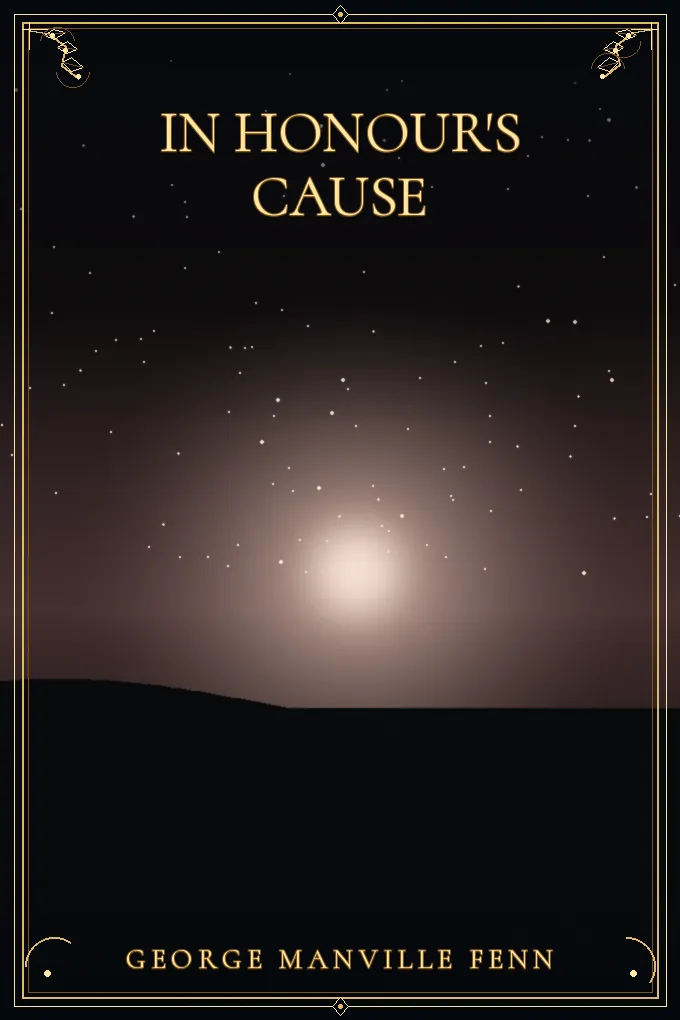
Cover illustration for In Honour's Cause
Context Illustration Reading 1/85 · 5 lines
English subtitles · tap any word to listen 1 / 5
"Hopes!" cried Frank.
"Yes, he may get well with rest.
Better than being well and strong, and on his way to suffer by the rope or axe."
Frank shuddered.
"Now then," cried the captain sharply, to change the conversation; "you found my advice good?"
0:00 / 0:00
Speed 0.75x
AI-generated narration by OpenAI · Slow US English
LEARNER DICTIONARY
Archivist
/ˈɑːrkɪvɪst/
Editorial verification pending

A keeper or guardian of historical records and memories.

In Honour's Cause

Chapter XVI · Chapter 16

Chapter 16 of In Honour's Cause is here in full — 429 sentences across 86 reading sections, with audio for every sentence and word.

Reading 1/85 · 5 reading units · Lines 1–5

Line 1
"Hopes!" cried Frank.
/hoʊps kraɪd fræŋk/
Line 2
"Yes, he may get well with rest.
/jes hiː meɪ ɡet wel wɪð rest/
Line 3
Better than being well and strong, and on his way to suffer by the rope or axe."
/ˈbetər ðæn ˈbiːɪŋ wel ənd strɔːŋ ənd ɑːn hɪz weɪ tuː ˈsʌfər baɪ ðə roʊp ɔːr æks/
Line 4
Frank shuddered.
/fræŋk ˈʃʌdərd/
Line 5
"Now then," cried the captain sharply, to change the conversation; "you found my advice good?"
/naʊ ðen kraɪd ðə ˈkæptən ˈʃɑːrpli tuː tʃeɪndʒ ðə ˌkɑːnvərˈseɪʃən juː faʊnd maɪ ædˈvaɪs ɡʊd/

Learner Dictionary

These definitions explain words found in the current reading and keep every example grounded in its original sentence.

Oxford-style entry order: headword, part of speech, US IPA, concise definition, contextual example, and audio.

advice noun US /ædˈvaɪs/

a proposal for an appropriate course of action

From this reading “"Now then," cried the captain sharply, to change the conversation; "you found my advice good?"”

axe noun US /æks/

an edge tool with a heavy bladed head mounted across a handle

From this reading “Better than being well and strong, and on his way to suffer by the rope or axe."”

Frank adjective US /fræŋk/

characterized by directness in manner or speech; without subtlety or evasion

From this reading “"Hopes!" cried Frank.”

Hopes noun US /hoʊps/

plural of “hope” — a specific instance of feeling hopeful

From this reading “"Hopes!" cried Frank.”

rope noun US /roʊp/

a strong line

From this reading “Better than being well and strong, and on his way to suffer by the rope or axe."”

sharply adverb US /ˈʃɑːrpli/

in an aggressive manner

From this reading “"Now then," cried the captain sharply, to change the conversation; "you found my advice good?"”

shuddered verb US /ˈʃʌdərd/

past form of “shudder” — shake, as from cold

From this reading “Frank shuddered.”

suffer verb US /ˈsʌfər/

undergo or be subjected to

From this reading “Better than being well and strong, and on his way to suffer by the rope or axe."”

All words in this reading · 37

Every word in these five lines is listed here, and every one of them can be played on its own.

Dictionary details are shown only when verified; these are not licensed Oxford entries.

advicenounUS /ædˈvaɪs/

a proposal for an appropriate course of action

From this reading "Now then," cried the captain sharply, to change the conversation; "you found my advice good?"

andconjunctionUS /ənd/

used to join words or parts of a sentence that go together

From this reading Better than being well and strong, and on his way to suffer by the rope or axe."

axenounUS /æks/

an edge tool with a heavy bladed head mounted across a handle

From this reading Better than being well and strong, and on his way to suffer by the rope or axe."

beingauxiliary verbUS /ˈbiːɪŋ/

the -ing form of “be”

From this reading Better than being well and strong, and on his way to suffer by the rope or axe."

BetteradjectiveUS /ˈbetər/

(comparative of “good”) superior to another (of the same class or set or kind) in excellence or quality or desirability or suitability; more highly skilled than another

From this reading Better than being well and strong, and on his way to suffer by the rope or axe."

byprepositionUS /baɪ/

showing who or what does the action

From this reading Better than being well and strong, and on his way to suffer by the rope or axe."

captainnounUS /ˈkæptən/

an officer holding a rank below a major but above a lieutenant

From this reading "Now then," cried the captain sharply, to change the conversation; "you found my advice good?"

changeverbUS /tʃeɪndʒ/

cause to change; make different; cause a transformation

From this reading "Now then," cried the captain sharply, to change the conversation; "you found my advice good?"

conversationnounUS /ˌkɑːnvərˈseɪʃən/

the use of speech for informal exchange of views or ideas or information etc.

From this reading "Now then," cried the captain sharply, to change the conversation; "you found my advice good?"

criedverbUS /kraɪd/

inflected form of “cry” — utter a sudden loud cry

From this reading "Hopes!" cried Frank.

foundverbUS /faʊnd/

set up or found

From this reading "Now then," cried the captain sharply, to change the conversation; "you found my advice good?"

FrankadjectiveUS /fræŋk/

characterized by directness in manner or speech; without subtlety or evasion

From this reading "Hopes!" cried Frank.

getverbUS /ɡet/

come into the possession of something concrete or abstract

From this reading "Yes, he may get well with rest.

goodadjectiveUS /ɡʊd/

having desirable or positive qualities especially those suitable for a thing specified

From this reading "Now then," cried the captain sharply, to change the conversation; "you found my advice good?"

hepronounUS /hiː/

a man, boy, or male animal already mentioned, as the subject

From this reading "Yes, he may get well with rest.

hisdeterminerUS /hɪz/

belonging to a man, boy, or male animal already mentioned

From this reading Better than being well and strong, and on his way to suffer by the rope or axe."

HopesnounUS /hoʊps/

plural of “hope” — a specific instance of feeling hopeful

From this reading "Hopes!" cried Frank.

maymodal verbUS /meɪ/

used to say something is possible, or to give permission

From this reading "Yes, he may get well with rest.

mydeterminerUS /maɪ/

belonging to the person speaking

From this reading "Now then," cried the captain sharply, to change the conversation; "you found my advice good?"

NowadverbUS /naʊ/

in the historical present; at this point in the narration of a series of past events

From this reading "Now then," cried the captain sharply, to change the conversation; "you found my advice good?"

onprepositionUS /ɑːn/

touching and supported by a surface

From this reading Better than being well and strong, and on his way to suffer by the rope or axe."

orconjunctionUS /ɔːr/

used to join alternatives or possibilities

From this reading Better than being well and strong, and on his way to suffer by the rope or axe."

restverbUS /rest/

not move; be in a resting position

From this reading "Yes, he may get well with rest.

ropenounUS /roʊp/

a strong line

From this reading Better than being well and strong, and on his way to suffer by the rope or axe."

sharplyadverbUS /ˈʃɑːrpli/

in an aggressive manner

From this reading "Now then," cried the captain sharply, to change the conversation; "you found my advice good?"

shudderedverbUS /ˈʃʌdərd/

past form of “shudder” — shake, as from cold

From this reading Frank shuddered.

strongadjectiveUS /strɔːŋ/

having strength or power greater than average or expected

From this reading Better than being well and strong, and on his way to suffer by the rope or axe."

sufferverbUS /ˈsʌfər/

undergo or be subjected to

From this reading Better than being well and strong, and on his way to suffer by the rope or axe."

thanconjunctionUS /ðæn/

used to introduce the second part of a comparison

From this reading Better than being well and strong, and on his way to suffer by the rope or axe."

thedeterminerUS /ðə/

used before a noun that is already known, already mentioned, or the only one of its kind

From this reading Better than being well and strong, and on his way to suffer by the rope or axe."

thenadverbUS /ðen/

subsequently or soon afterward (often used as sentence connectors)

From this reading "Now then," cried the captain sharply, to change the conversation; "you found my advice good?"

toparticleUS /tuː/

used before the base form of a verb to make the infinitive

From this reading Better than being well and strong, and on his way to suffer by the rope or axe."

waynounUS /weɪ/

how something is done or how it happens

From this reading Better than being well and strong, and on his way to suffer by the rope or axe."

welladverbUS /wel/

(often used as a combining form) in a good or proper or satisfactory manner or to a high standard (“good” is a nonstandard dialectal variant for “well”)

From this reading "Yes, he may get well with rest.

withprepositionUS /wɪð/

in the company of; together with

From this reading "Yes, he may get well with rest.

YesnounUS /jes/

an affirmative

From this reading "Yes, he may get well with rest.

youpronounUS /juː/

the person or people being spoken to

From this reading "Now then," cried the captain sharply, to change the conversation; "you found my advice good?"

Chapter 16 of In Honour's Cause by George Manville Fenn holds 429 sentences, grouped into 86 reading sections of at most 5 sentences. The text is the source edition, unabridged, and the chapter records which sentences cover which part of the work so that nothing is dropped. Every word can be tapped for its pronunciation and dictionary entry.

What does chapter 16 of In Honour's Cause contain?

Chapter 16 holds 429 sentences of In Honour's Cause, unabridged, divided into 86 reading sections.

This page carries chapter 16 of In Honour's Cause by George Manville Fenn exactly as it stands in the source edition, without abridgement. It runs to 429 sentences, grouped into 86 sections of at most 5 sentences so that a reader can take the chapter in steady, finishable pieces. The chapter also stores a coverage record mapping every one of its sentences to a part of the work, which is how the edition demonstrates that no line was dropped.

How do I study chapter 16 of In Honour's Cause?

Work through the 86 sections in order, replaying any sentence and tapping unfamiliar words for their entries.

Each of the 86 sections in this chapter is short enough to read once, hear once, and then re-read with the vocabulary in view. Tapping a word plays it alone and opens its dictionary entry with IPA, part of speech and meaning, so the reader is never forced to guess a pronunciation from spelling. Working section by section keeps a long chapter from becoming an undifferentiated wall of text, which is the usual reason a reader abandons a work of this period.

Can chapter 16 be read aloud to me?

Yes — every sentence and every individual word in chapter 16 can be played aloud in United States English.

Audio covers the whole chapter: any sentence can be played, and any single word within it can be played on its own. The voice uses United States English. For a work of this period that matters, because spelling is an unreliable guide to pronunciation for vocabulary that has fallen out of daily use, and a learner who guesses wrong tends to keep the error. Hearing the word in its own sentence, and then alone, settles it.

Questions about reading In Honour's Cause

Common questions about reading In Honour's Cause by George Manville Fenn on this page, its source edition and its audio.

Is this the complete text of In Honour's Cause?

Yes. All 7984 sentences of Project Gutenberg eBook #21313 are kept, with a record of which sentences cover which part.

Which edition of In Honour's Cause is used?

Project Gutenberg eBook #21313, unabridged. The Project Gutenberg header, footer and licence are removed.

How long does In Honour's Cause take to read?

About 600 minutes of reading across 1597 sections of 5 sentences each, at an unhurried pace.

How to read In Honour's Cause section by section

How to work through In Honour's Cause section by section, using the audio and the tap-to-define vocabulary.

  1. Open a chapter

    Choose one of the 19 chapters of In Honour's Cause to begin.

  2. Read one section

    Each section holds 5 sentences; read it once through.

  3. Listen and tap

    Play the section aloud, then tap any unfamiliar word for its entry.

Vocabulary met early in In Honour's Cause

Words and structures a reader meets early in In Honour's Cause, each tappable for pronunciation and meaning.

Honour's
A word that appears in the opening chapter of In Honour's Cause; the reader can tap it to hear it and see its dictionary entry.
Cause
A word that appears in the opening chapter of In Honour's Cause; the reader can tap it to hear it and see its dictionary entry.
George
A word that appears in the opening chapter of In Honour's Cause; the reader can tap it to hear it and see its dictionary entry.
Manville
A word that appears in the opening chapter of In Honour's Cause; the reader can tap it to hear it and see its dictionary entry.