Learn English through classic literature • Five-line readings • Clear US narration
VELMORA ACADEMY
Academy of Archival Languages & Memory Studies
Menu Close
Joseph II. and His Court: An Historical Novel

Chapter XIII · Chapter 13

Chapter 13 of Joseph II. and His Court: An Historical Novel is here in full — 727 sentences across 146 reading sections, with audio for every sentence and word.

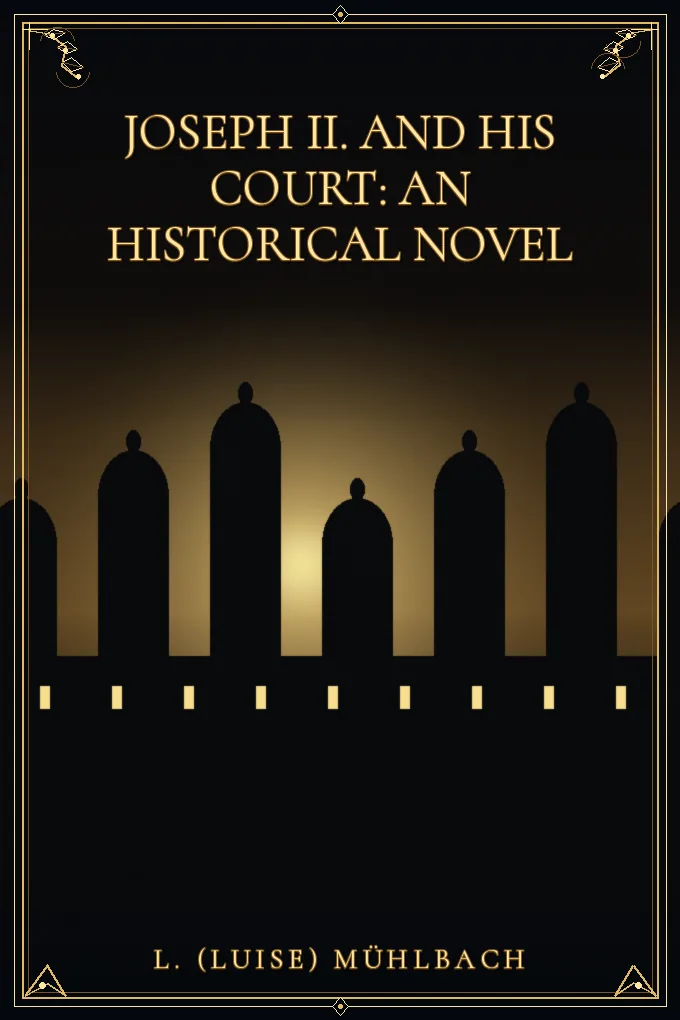
Cover illustration for Joseph II. and His Court: An Historical Novel
Context Illustration Reading 1/145 · 5 lines
English subtitles · tap any word to listen 1 / 5
WHAT THEY FOUND AT WICHERN.
The carriage stopped, and before the valet had had time to open the door, the emperor leaped to the ground.
"Come," said he, merrily, "come and seek your fortunes.
Thomas, you remain with the carriage.
Drive under the shade of that tree and wait for our return.
0:00 / 0:00
Speed 0.75x
AI-generated narration by OpenAI · Slow US English
LEARNER DICTIONARY
Archivist
/ˈɑːrkɪvɪst/
Editorial verification pending

A keeper or guardian of historical records and memories.

Joseph II. and His Court: An Historical Novel

Chapter XIII · Chapter 13

Chapter 13 of Joseph II. and His Court: An Historical Novel is here in full — 727 sentences across 146 reading sections, with audio for every sentence and word.

Reading 1/145 · 5 reading units · Lines 1–5

Line 1
WHAT THEY FOUND AT WICHERN.
Line 2
The carriage stopped, and before the valet had had time to open the door, the emperor leaped to the ground.
/ðə ˈkærɪdʒ stɑːpt ənd bɪˈfɔːr ðə væˈleɪ hæd hæd taɪm tuː ˈoʊ.pən ðə dɔːr ðə ˈempərər lept tuː ðə ɡraʊnd/
Line 3
"Come," said he, merrily, "come and seek your fortunes.
/kʌm sed hiː ˈmerəli kʌm ənd siːk jɔːr ˈfɔːrtʃənz/
Line 4
Thomas, you remain with the carriage.
/ˈtɑːməs juː rɪˈmeɪn wɪð ðə ˈkærɪdʒ/
Line 5
Drive under the shade of that tree and wait for our return.
/draɪv ˈʌndər ðə ʃeɪd ʌv ðæt triː ənd weɪt fɔːr ˈaʊər rɪˈtɜːrn/

Learner Dictionary

These definitions explain words found in the current reading and keep every example grounded in its original sentence.

Oxford-style entry order: headword, part of speech, US IPA, concise definition, contextual example, and audio.

emperor noun US /ˈempərər/

the male ruler of an empire

From this reading “The carriage stopped, and before the valet had had time to open the door, the emperor leaped to the ground.”

fortunes noun US /ˈfɔːrtʃənz/

plural of “fortune” — an unknown and unpredictable phenomenon that causes an event to result one way rather than another

From this reading “"Come," said he, merrily, "come and seek your fortunes.”

leaped verb US /lept/

past form of “leap” — move forward by leaps and bounds

From this reading “The carriage stopped, and before the valet had had time to open the door, the emperor leaped to the ground.”

merrily adverb US /ˈmerəli/

in a joyous manner

From this reading “"Come," said he, merrily, "come and seek your fortunes.”

seek verb US /siːk/

try to get or reach

From this reading “"Come," said he, merrily, "come and seek your fortunes.”

shade noun US /ʃeɪd/

relative darkness caused by light rays being intercepted by an opaque body

From this reading “Drive under the shade of that tree and wait for our return.”

Thomas noun US /ˈtɑːməs/

United States clockmaker who introduced mass production (1785-1859)

From this reading “Thomas, you remain with the carriage.”

valet noun US /væˈleɪ/

a manservant who acts as a personal attendant to his employer

From this reading “The carriage stopped, and before the valet had had time to open the door, the emperor leaped to the ground.”

All words in this reading · 40

Every word in these five lines is listed here, and every one of them can be played on its own.

Dictionary details are shown only when verified; these are not licensed Oxford entries.

andconjunctionUS /ənd/

used to join words or parts of a sentence that go together

From this reading The carriage stopped, and before the valet had had time to open the door, the emperor leaped to the ground.

ATprepositionUS /æt/

in or near a particular place or position

From this reading WHAT THEY FOUND AT WICHERN.

beforeprepositionUS /bɪˈfɔːr/

earlier than; in front of

From this reading The carriage stopped, and before the valet had had time to open the door, the emperor leaped to the ground.

carriagenounUS /ˈkærɪdʒ/

a railcar where passengers ride

From this reading The carriage stopped, and before the valet had had time to open the door, the emperor leaped to the ground.

ComeverbUS /kʌm/

move toward, travel toward something or somebody or approach something or somebody

From this reading "Come," said he, merrily, "come and seek your fortunes.

doornounUS /dɔːr/

a swinging or sliding barrier that will close the entrance to a room or building or vehicle

From this reading The carriage stopped, and before the valet had had time to open the door, the emperor leaped to the ground.

DriveverbUS /draɪv/

operate or control a vehicle

From this reading Drive under the shade of that tree and wait for our return.

emperornounUS /ˈempərər/

the male ruler of an empire

From this reading The carriage stopped, and before the valet had had time to open the door, the emperor leaped to the ground.

forprepositionUS /fɔːr/

intended to be given to, or used by, somebody

From this reading Drive under the shade of that tree and wait for our return.

fortunesnounUS /ˈfɔːrtʃənz/

plural of “fortune” — an unknown and unpredictable phenomenon that causes an event to result one way rather than another

From this reading "Come," said he, merrily, "come and seek your fortunes.

FOUNDverbUS /faʊnd/

set up or found

From this reading WHAT THEY FOUND AT WICHERN.

groundnounUS /ɡraʊnd/

the solid part of the earth's surface

From this reading The carriage stopped, and before the valet had had time to open the door, the emperor leaped to the ground.

hadauxiliary verbUS /hæd/

the past form of “have”, used to form the past perfect

From this reading The carriage stopped, and before the valet had had time to open the door, the emperor leaped to the ground.

hepronounUS /hiː/

a man, boy, or male animal already mentioned, as the subject

From this reading "Come," said he, merrily, "come and seek your fortunes.

leapedverbUS /lept/

past form of “leap” — move forward by leaps and bounds

From this reading The carriage stopped, and before the valet had had time to open the door, the emperor leaped to the ground.

merrilyadverbUS /ˈmerəli/

in a joyous manner

From this reading "Come," said he, merrily, "come and seek your fortunes.

ofprepositionUS /ʌv/

belonging to, or connected with, somebody or something

From this reading Drive under the shade of that tree and wait for our return.

openverbUS /ˈoʊ.pən/

To move from a closed position.

From this reading The carriage stopped, and before the valet had had time to open the door, the emperor leaped to the ground.

ourdeterminerUS /ˈaʊər/

belonging to the speaker and others

From this reading Drive under the shade of that tree and wait for our return.

remainverbUS /rɪˈmeɪn/

stay the same; remain in a certain state

From this reading Thomas, you remain with the carriage.

returnverbUS /rɪˈtɜːrn/

go or come back to place, condition, or activity where one has been before

From this reading Drive under the shade of that tree and wait for our return.

saidadjectiveUS /sed/

being the one previously mentioned or spoken of

From this reading "Come," said he, merrily, "come and seek your fortunes.

seekverbUS /siːk/

try to get or reach

From this reading "Come," said he, merrily, "come and seek your fortunes.

shadenounUS /ʃeɪd/

relative darkness caused by light rays being intercepted by an opaque body

From this reading Drive under the shade of that tree and wait for our return.

stoppedadjectiveUS /stɑːpt/

(of a nose) blocked

From this reading The carriage stopped, and before the valet had had time to open the door, the emperor leaped to the ground.

thatconjunctionUS /ðæt/

used to introduce what somebody said, thought, or felt

From this reading Drive under the shade of that tree and wait for our return.

ThedeterminerUS /ðə/

used before a noun that is already known, already mentioned, or the only one of its kind

From this reading The carriage stopped, and before the valet had had time to open the door, the emperor leaped to the ground.

THEYpronounUS /ðeɪ/

the people, animals, or things already mentioned, as the subject

From this reading WHAT THEY FOUND AT WICHERN.

ThomasnounUS /ˈtɑːməs/

United States clockmaker who introduced mass production (1785-1859)

From this reading Thomas, you remain with the carriage.

timenounUS /taɪm/

an instance or single occasion for some event

From this reading The carriage stopped, and before the valet had had time to open the door, the emperor leaped to the ground.

toparticleUS /tuː/

used before the base form of a verb to make the infinitive

From this reading The carriage stopped, and before the valet had had time to open the door, the emperor leaped to the ground.

treenounUS /triː/

a tall perennial woody plant having a main trunk and branches forming a distinct elevated crown; includes both gymnosperms and angiosperms

From this reading Drive under the shade of that tree and wait for our return.

underprepositionUS /ˈʌndər/

below or beneath something; less than

From this reading Drive under the shade of that tree and wait for our return.

valetnounUS /væˈleɪ/

a manservant who acts as a personal attendant to his employer

From this reading The carriage stopped, and before the valet had had time to open the door, the emperor leaped to the ground.

waitverbUS /weɪt/

stay in one place and anticipate or expect something

From this reading Drive under the shade of that tree and wait for our return.

WHATpronounUS /wʌt/

used to ask for information about something

From this reading WHAT THEY FOUND AT WICHERN.

WICHERN

Dictionary entry pending editorial verification. Tap Listen to hear the word.

From this reading WHAT THEY FOUND AT WICHERN.

withprepositionUS /wɪð/

in the company of; together with

From this reading Thomas, you remain with the carriage.

youpronounUS /juː/

the person or people being spoken to

From this reading Thomas, you remain with the carriage.

yourdeterminerUS /jɔːr/

belonging to the person or people being spoken to

From this reading "Come," said he, merrily, "come and seek your fortunes.

Chapter 13 of Joseph II. and His Court: An Historical Novel by L. (Luise) Mühlbach holds 727 sentences, grouped into 146 reading sections of at most 5 sentences. The text is the public-domain source, unabridged, and the chapter records which sentences cover which part of the work so that nothing is dropped. Every word can be tapped for its pronunciation and dictionary entry.

What does chapter 13 of Joseph II. and His Court: An Historical Novel contain?

Chapter 13 holds 727 sentences of Joseph II. and His Court: An Historical Novel, unabridged, divided into 146 reading sections.

This page carries chapter 13 of Joseph II. and His Court: An Historical Novel by L. (Luise) Mühlbach exactly as it stands in the public-domain source edition, without abridgement. It runs to 727 sentences, grouped into 146 sections of at most 5 sentences so that a reader can take the chapter in steady, finishable pieces. The chapter also stores a coverage record mapping every one of its sentences to a part of the work, which is how the edition demonstrates that no line was dropped.

How do I study chapter 13 of Joseph II. and His Court: An Historical Novel?

Work through the 146 sections in order, replaying any sentence and tapping unfamiliar words for their entries.

Each of the 146 sections in this chapter is short enough to read once, hear once, and then re-read with the vocabulary in view. Tapping a word plays it alone and opens its dictionary entry with IPA, part of speech and meaning, so the reader is never forced to guess a pronunciation from spelling. Working section by section keeps a long chapter from becoming an undifferentiated wall of text, which is the usual reason a reader abandons a work of this period.

Can chapter 13 be read aloud to me?

Yes — every sentence and every individual word in chapter 13 can be played aloud in United States English.

Audio covers the whole chapter: any sentence can be played, and any single word within it can be played on its own. The voice uses United States English. For a work of this period that matters, because spelling is an unreliable guide to pronunciation for vocabulary that has fallen out of daily use, and a learner who guesses wrong tends to keep the error. Hearing the word in its own sentence, and then alone, settles it.

Questions about reading Joseph II. and His Court: An Historical Novel

Common questions about reading Joseph II. and His Court: An Historical Novel by L. (Luise) Mühlbach on this page, its source edition and its audio.

Is this the complete text of Joseph II. and His Court: An Historical Novel?

Yes. All 22314 sentences of Project Gutenberg eBook #3793 are kept, with a record of which sentences cover which part.

Which edition of Joseph II. and His Court: An Historical Novel is used?

Project Gutenberg eBook #3793, a public-domain edition. The Project Gutenberg header, footer and licence are removed.

How long does Joseph II. and His Court: An Historical Novel take to read?

About 600 minutes of reading across 4463 sections of 5 sentences each, at an unhurried pace.

How to read Joseph II. and His Court: An Historical Novel section by section

How to work through Joseph II. and His Court: An Historical Novel section by section, using the audio and the tap-to-define vocabulary.

  1. Open a chapter

    Choose one of the 40 chapters of Joseph II. and His Court: An Historical Novel to begin.

  2. Read one section

    Each section holds 5 sentences; read it once through.

  3. Listen and tap

    Play the section aloud, then tap any unfamiliar word for its entry.

Vocabulary met early in Joseph II. and His Court: An Historical Novel

Words and structures a reader meets early in Joseph II. and His Court: An Historical Novel, each tappable for pronunciation and meaning.

Conference
A word that appears in the opening chapter of Joseph II. and His Court: An Historical Novel; the reader can tap it to hear it and see its dictionary entry.
Council-chamber
A word that appears in the opening chapter of Joseph II. and His Court: An Historical Novel; the reader can tap it to hear it and see its dictionary entry.
Empress
A word that appears in the opening chapter of Joseph II. and His Court: An Historical Novel; the reader can tap it to hear it and see its dictionary entry.
Maria
A word that appears in the opening chapter of Joseph II. and His Court: An Historical Novel; the reader can tap it to hear it and see its dictionary entry.