used before a singular noun to mean one of a group, when it is not a particular one
From this reading "Life is a train of moods like a string of beads; and as we pass through them they prove to be many colored lenses, which paint the world their own hue, and each shows us only what lies in its own focus."
AlcottnounUS /ˈælkɑːt/
United States novelist noted for children's books (1832-1888)
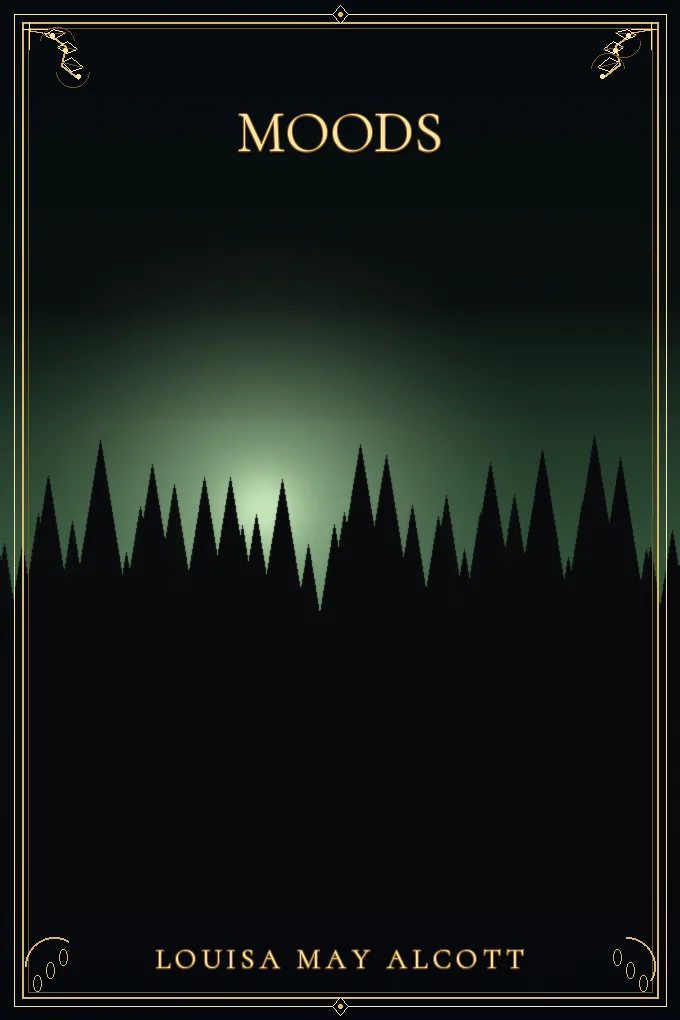
From this reading _Louisa M. Alcott._ MOODS.
the form of “a” used before a word that begins with a vowel sound
From this reading AUTHOR OF "LITTLE WOMEN," "AN OLD-FASHIONED GIRL," "HOSPITAL SKETCHES."
used to join words or parts of a sentence that go together
From this reading "Life is a train of moods like a string of beads; and as we pass through them they prove to be many colored lenses, which paint the world their own hue, and each shows us only what lies in its own focus."
at the same time that; because; in the way that
From this reading "Life is a train of moods like a string of beads; and as we pass through them they prove to be many colored lenses, which paint the world their own hue, and each shows us only what lies in its own focus."
writes (books or stories or articles or the like) professionally (for pay)
From this reading AUTHOR OF "LITTLE WOMEN," "AN OLD-FASHIONED GIRL," "HOSPITAL SKETCHES."
used with a past participle to form the passive, or with -ing for continuous tenses
From this reading "Life is a train of moods like a string of beads; and as we pass through them they prove to be many colored lenses, which paint the world their own hue, and each shows us only what lies in its own focus."
beadsnounUS /biːdz/
several beads threaded together on a string
From this reading "Life is a train of moods like a string of beads; and as we pass through them they prove to be many colored lenses, which paint the world their own hue, and each shows us only what lies in its own focus."
coloredadjectiveUS /ˈkʌlərd/
having color or a certain color; sometimes used in combination
From this reading "Life is a train of moods like a string of beads; and as we pass through them they prove to be many colored lenses, which paint the world their own hue, and each shows us only what lies in its own focus."
every one of two or more people or things, taken separately
From this reading "Life is a train of moods like a string of beads; and as we pass through them they prove to be many colored lenses, which paint the world their own hue, and each shows us only what lies in its own focus."
EMERSONnounUS /ˈemərsən/
United States writer and leading exponent of transcendentalism (1803-1882)
From this reading EMERSON.
focusnounUS /ˈfoʊkəs/
the concentration of attention or energy on something
From this reading "Life is a train of moods like a string of beads; and as we pass through them they prove to be many colored lenses, which paint the world their own hue, and each shows us only what lies in its own focus."
a young female
From this reading AUTHOR OF "LITTLE WOMEN," "AN OLD-FASHIONED GIRL," "HOSPITAL SKETCHES."
a health facility where patients receive treatment
From this reading AUTHOR OF "LITTLE WOMEN," "AN OLD-FASHIONED GIRL," "HOSPITAL SKETCHES."
huenounUS /hjuː/
the quality of a color as determined by its dominant wavelength
From this reading "Life is a train of moods like a string of beads; and as we pass through them they prove to be many colored lenses, which paint the world their own hue, and each shows us only what lies in its own focus."
inside something, or within a place, period, or state
From this reading "Life is a train of moods like a string of beads; and as we pass through them they prove to be many colored lenses, which paint the world their own hue, and each shows us only what lies in its own focus."
the form of “be” used with he, she, it, or a singular noun
From this reading "Life is a train of moods like a string of beads; and as we pass through them they prove to be many colored lenses, which paint the world their own hue, and each shows us only what lies in its own focus."
belonging to the thing or animal already mentioned
From this reading "Life is a train of moods like a string of beads; and as we pass through them they prove to be many colored lenses, which paint the world their own hue, and each shows us only what lies in its own focus."
lensesnounUS /ˈlenzəz/
plural of “lens” — a transparent optical device used to converge or diverge transmitted light and to form images
From this reading "Life is a train of moods like a string of beads; and as we pass through them they prove to be many colored lenses, which paint the world their own hue, and each shows us only what lies in its own focus."
plural of “lie” — a statement that deviates from or perverts the truth
From this reading "Life is a train of moods like a string of beads; and as we pass through them they prove to be many colored lenses, which paint the world their own hue, and each shows us only what lies in its own focus."
a characteristic state or mode of living
From this reading "Life is a train of moods like a string of beads; and as we pass through them they prove to be many colored lenses, which paint the world their own hue, and each shows us only what lies in its own focus."
prefer or wish to do something
From this reading "Life is a train of moods like a string of beads; and as we pass through them they prove to be many colored lenses, which paint the world their own hue, and each shows us only what lies in its own focus."
limited or below average in number or quantity or magnitude or extent
From this reading AUTHOR OF "LITTLE WOMEN," "AN OLD-FASHIONED GIRL," "HOSPITAL SKETCHES."
Louisa
Dictionary entry pending editorial verification. Tap Listen to hear the word.
From this reading _Louisa M. Alcott._ MOODS.
the basic unit of length adopted under the Systeme International d'Unites (approximately 1.094 yards)
From this reading _Louisa M. Alcott._ MOODS.
a quantifier that can be used with count nouns and is often preceded by “as” or “too” or “so” or “that”; amounting to a large but indefinite number
From this reading "Life is a train of moods like a string of beads; and as we pass through them they prove to be many colored lenses, which paint the world their own hue, and each shows us only what lies in its own focus."
MOODSnounUS /muːdz/
plural of “mood” — a characteristic (habitual or relatively temporary) state of feeling
From this reading _Louisa M. Alcott._ MOODS.
belonging to, or connected with, somebody or something
From this reading AUTHOR OF "LITTLE WOMEN," "AN OLD-FASHIONED GIRL," "HOSPITAL SKETCHES."
OLD-FASHIONEDadjectiveUS /ˌoʊldˈfæʃənd/
out of fashion
From this reading AUTHOR OF "LITTLE WOMEN," "AN OLD-FASHIONED GIRL," "HOSPITAL SKETCHES."
and nothing more
From this reading "Life is a train of moods like a string of beads; and as we pass through them they prove to be many colored lenses, which paint the world their own hue, and each shows us only what lies in its own focus."
have ownership or possession of
From this reading "Life is a train of moods like a string of beads; and as we pass through them they prove to be many colored lenses, which paint the world their own hue, and each shows us only what lies in its own focus."
make a painting
From this reading "Life is a train of moods like a string of beads; and as we pass through them they prove to be many colored lenses, which paint the world their own hue, and each shows us only what lies in its own focus."
go across or through
From this reading "Life is a train of moods like a string of beads; and as we pass through them they prove to be many colored lenses, which paint the world their own hue, and each shows us only what lies in its own focus."
be shown or be found to be
From this reading "Life is a train of moods like a string of beads; and as we pass through them they prove to be many colored lenses, which paint the world their own hue, and each shows us only what lies in its own focus."
plural of “show” — the act of publicly exhibiting or entertaining
From this reading "Life is a train of moods like a string of beads; and as we pass through them they prove to be many colored lenses, which paint the world their own hue, and each shows us only what lies in its own focus."
SKETCHESnounUS /ˈsketʃəz/
plural of “sketch” — preliminary drawing for later elaboration
From this reading AUTHOR OF "LITTLE WOMEN," "AN OLD-FASHIONED GIRL," "HOSPITAL SKETCHES."
stringnounUS /strɪŋ/
a lightweight cord
From this reading "Life is a train of moods like a string of beads; and as we pass through them they prove to be many colored lenses, which paint the world their own hue, and each shows us only what lies in its own focus."
used before a noun that is already known, already mentioned, or the only one of its kind
From this reading "Life is a train of moods like a string of beads; and as we pass through them they prove to be many colored lenses, which paint the world their own hue, and each shows us only what lies in its own focus."
belonging to the people or things already mentioned
From this reading "Life is a train of moods like a string of beads; and as we pass through them they prove to be many colored lenses, which paint the world their own hue, and each shows us only what lies in its own focus."
the people or things already mentioned, as the object
From this reading "Life is a train of moods like a string of beads; and as we pass through them they prove to be many colored lenses, which paint the world their own hue, and each shows us only what lies in its own focus."
the people, animals, or things already mentioned, as the subject
From this reading "Life is a train of moods like a string of beads; and as we pass through them they prove to be many colored lenses, which paint the world their own hue, and each shows us only what lies in its own focus."
from one end or side of something to the other
From this reading "Life is a train of moods like a string of beads; and as we pass through them they prove to be many colored lenses, which paint the world their own hue, and each shows us only what lies in its own focus."
used before the base form of a verb to make the infinitive
From this reading "Life is a train of moods like a string of beads; and as we pass through them they prove to be many colored lenses, which paint the world their own hue, and each shows us only what lies in its own focus."
create by training and teaching
From this reading "Life is a train of moods like a string of beads; and as we pass through them they prove to be many colored lenses, which paint the world their own hue, and each shows us only what lies in its own focus."
the speaker and others, as the object of a verb or preposition
From this reading "Life is a train of moods like a string of beads; and as we pass through them they prove to be many colored lenses, which paint the world their own hue, and each shows us only what lies in its own focus."
the speaker together with one or more other people
From this reading "Life is a train of moods like a string of beads; and as we pass through them they prove to be many colored lenses, which paint the world their own hue, and each shows us only what lies in its own focus."
used to ask for information about something
From this reading "Life is a train of moods like a string of beads; and as we pass through them they prove to be many colored lenses, which paint the world their own hue, and each shows us only what lies in its own focus."
used to introduce a clause giving more about a thing just mentioned
From this reading "Life is a train of moods like a string of beads; and as we pass through them they prove to be many colored lenses, which paint the world their own hue, and each shows us only what lies in its own focus."
plural of “woman” — an adult female person (as opposed to a man)
From this reading AUTHOR OF "LITTLE WOMEN," "AN OLD-FASHIONED GIRL," "HOSPITAL SKETCHES."
everything that exists anywhere
From this reading "Life is a train of moods like a string of beads; and as we pass through them they prove to be many colored lenses, which paint the world their own hue, and each shows us only what lies in its own focus."