used before a singular noun to mean one of a group, when it is not a particular one
From this reading The theme is that the father of a family, a well-to-do merchant in London, dies suddenly.
used to join words or parts of a sentence that go together
From this reading His eldest son had gone off to sea, but had not been heard of for some time, and by some was presumed dead.
at the same time that; because; in the way that
From this reading The second son is our young hero, who goes to sea as a midshipman.
inflected form of “become” — enter or assume a certain state or condition
From this reading This is one of Kingston's earlier books, but is very much in the style for which he became famous.
beenauxiliary verbUS /bɪn/
the past participle of “be”
From this reading His eldest son had gone off to sea, but had not been heard of for some time, and by some was presumed dead.
Bound written or printed works.
From this reading This is one of Kingston's earlier books, but is very much in the style for which he became famous.
used to introduce something that contrasts with what came before
From this reading This is one of Kingston's earlier books, but is very much in the style for which he became famous.
showing who or what does the action
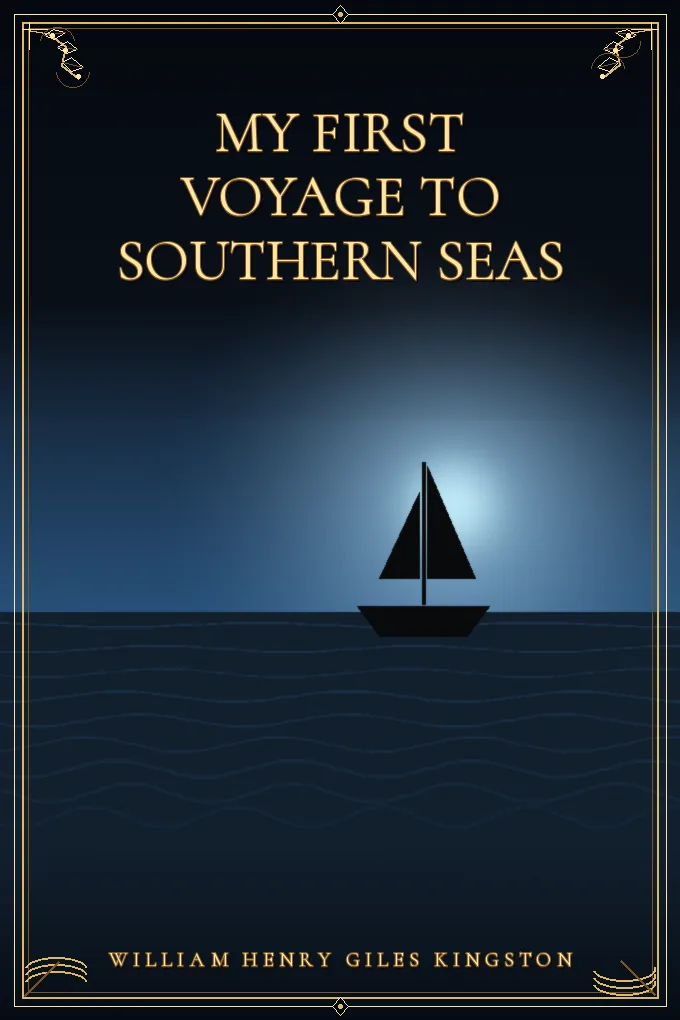
From this reading My First Voyage to Southern Seas, by W.H.G. Kingston.
no longer having or seeming to have or expecting to have life
From this reading His eldest son had gone off to sea, but had not been heard of for some time, and by some was presumed dead.
diesnounUS /daɪz/
plural of “die” — a small cube with 1 to 6 spots on the six faces; used in gambling to generate random numbers
From this reading The theme is that the father of a family, a well-to-do merchant in London, dies suddenly.
earlier in time; previously
From this reading This is one of Kingston's earlier books, but is very much in the style for which he became famous.
eldestadjectiveUS /ˈeldəst/
first in order of birth
From this reading His eldest son had gone off to sea, but had not been heard of for some time, and by some was presumed dead.
a social unit living together
From this reading The theme is that the father of a family, a well-to-do merchant in London, dies suddenly.
widely known and esteemed
From this reading This is one of Kingston's earlier books, but is very much in the style for which he became famous.
a male parent (also used as a term of address to your father)
From this reading The theme is that the father of a family, a well-to-do merchant in London, dies suddenly.
FirstadjectiveUS /fɜːrst/
preceding all others in time or space or degree
From this reading My First Voyage to Southern Seas, by W.H.G. Kingston.
intended to be given to, or used by, somebody
From this reading This is one of Kingston's earlier books, but is very much in the style for which he became famous.
a metric unit of weight equal to one thousandth of a kilogram
From this reading My First Voyage to Southern Seas, by W.H.G. Kingston.
plural of “go” — a time period for working (after which you will be relieved by someone else)
From this reading The second son is our young hero, who goes to sea as a midshipman.
destroyed or killed
From this reading His eldest son had gone off to sea, but had not been heard of for some time, and by some was presumed dead.
a nonmetallic univalent element that is normally a colorless and odorless highly flammable diatomic gas; the simplest and lightest and most abundant element in the universe
From this reading My First Voyage to Southern Seas, by W.H.G. Kingston.
hadauxiliary verbUS /hæd/
the past form of “have”, used to form the past perfect
From this reading His eldest son had gone off to sea, but had not been heard of for some time, and by some was presumed dead.
a man, boy, or male animal already mentioned, as the subject
From this reading This is one of Kingston's earlier books, but is very much in the style for which he became famous.
detected or perceived by the sense of hearing
From this reading His eldest son had gone off to sea, but had not been heard of for some time, and by some was presumed dead.
a man distinguished by exceptional courage and nobility and strength
From this reading The second son is our young hero, who goes to sea as a midshipman.
belonging to a man, boy, or male animal already mentioned
From this reading His eldest son had gone off to sea, but had not been heard of for some time, and by some was presumed dead.
inside something, or within a place, period, or state
From this reading This is one of Kingston's earlier books, but is very much in the style for which he became famous.
the form of “be” used with he, she, it, or a singular noun
From this reading This is one of Kingston's earlier books, but is very much in the style for which he became famous.
KingstonnounUS /ˈkɪŋstən/
a town on the Hudson River in New York
From this reading My First Voyage to Southern Seas, by W.H.G. Kingston.
Kingston's
Dictionary entry pending editorial verification. Tap Listen to hear the word.
From this reading This is one of Kingston's earlier books, but is very much in the style for which he became famous.
the capital and largest city of England; located on the Thames in southeastern England; financial and industrial and cultural center
From this reading The theme is that the father of a family, a well-to-do merchant in London, dies suddenly.
A person or company involved in wholesale trade, especially with foreign countries.
From this reading The theme is that the father of a family, a well-to-do merchant in London, dies suddenly.
midshipmannounUS /ˈmɪdˈʃɪpmən/
a temporary rank held by young naval officers in training
From this reading The second son is our young hero, who goes to sea as a midshipman.
to a great degree or extent
From this reading This is one of Kingston's earlier books, but is very much in the style for which he became famous.
belonging to the person speaking
From this reading My First Voyage to Southern Seas, by W.H.G. Kingston.
used to make a word, phrase, or sentence negative
From this reading His eldest son had gone off to sea, but had not been heard of for some time, and by some was presumed dead.
belonging to, or connected with, somebody or something
From this reading This is one of Kingston's earlier books, but is very much in the style for which he became famous.
from a particular thing or place or position (“forth” is obsolete)
From this reading His eldest son had gone off to sea, but had not been heard of for some time, and by some was presumed dead.
used to mean any person in general, including the speaker
From this reading This is one of Kingston's earlier books, but is very much in the style for which he became famous.
belonging to the speaker and others
From this reading The second son is our young hero, who goes to sea as a midshipman.
presumedverbUS /prəˈzuːmd/
past form of “presume” — take to be the case or to be true; accept without verification or proof
From this reading His eldest son had gone off to sea, but had not been heard of for some time, and by some was presumed dead.
a division of an ocean or a large body of salt water partially enclosed by land
From this reading His eldest son had gone off to sea, but had not been heard of for some time, and by some was presumed dead.
SeasnounUS /siːz/
plural of “sea” — a division of an ocean or a large body of salt water partially enclosed by land
From this reading My First Voyage to Southern Seas, by W.H.G. Kingston.
1/60 of a minute; the basic unit of time adopted under the Systeme International d'Unites
From this reading The second son is our young hero, who goes to sea as a midshipman.
(quantifier) used with either mass nouns or plural count nouns to indicate an unspecified number or quantity
From this reading His eldest son had gone off to sea, but had not been heard of for some time, and by some was presumed dead.
a male human offspring
From this reading His eldest son had gone off to sea, but had not been heard of for some time, and by some was presumed dead.
in or characteristic of a region of the United States south of (approximately) the Mason-Dixon line
From this reading My First Voyage to Southern Seas, by W.H.G. Kingston.
how something is done or how it happens
From this reading This is one of Kingston's earlier books, but is very much in the style for which he became famous.
happening unexpectedly
From this reading The theme is that the father of a family, a well-to-do merchant in London, dies suddenly.
used to introduce what somebody said, thought, or felt
From this reading The theme is that the father of a family, a well-to-do merchant in London, dies suddenly.
used before a noun that is already known, already mentioned, or the only one of its kind
From this reading This is one of Kingston's earlier books, but is very much in the style for which he became famous.
themenounUS /θiːm/
the subject matter of a conversation or discussion
From this reading The theme is that the father of a family, a well-to-do merchant in London, dies suddenly.
used for a person or thing that is near, or that has just been mentioned
From this reading This is one of Kingston's earlier books, but is very much in the style for which he became famous.
an instance or single occasion for some event
From this reading His eldest son had gone off to sea, but had not been heard of for some time, and by some was presumed dead.
used before the base form of a verb to make the infinitive
From this reading My First Voyage to Southern Seas, by W.H.G. Kingston.
precisely as stated
From this reading This is one of Kingston's earlier books, but is very much in the style for which he became famous.
an act of traveling by water
From this reading My First Voyage to Southern Seas, by W.H.G. Kingston.
a heavy grey-white metallic element; the pure form is used mainly in electrical applications; it is found in several ores including wolframite and scheelite
From this reading My First Voyage to Southern Seas, by W.H.G. Kingston.
wasauxiliary verbUS /wɑːz/
the past form of “be” used with I, he, she, it, or a singular noun
From this reading His eldest son had gone off to sea, but had not been heard of for some time, and by some was presumed dead.
well-to-doadjective
in fortunate circumstances financially; moderately rich
From this reading The theme is that the father of a family, a well-to-do merchant in London, dies suddenly.
used to introduce a clause giving more about a thing just mentioned
From this reading This is one of Kingston's earlier books, but is very much in the style for which he became famous.
which person or people
From this reading The second son is our young hero, who goes to sea as a midshipman.
(used of living things especially persons) in an early period of life or development or growth
From this reading The second son is our young hero, who goes to sea as a midshipman.