Complete classic literature • Five-line readings • Clear US narration
VELMORA ACADEMY
Academy of Archival Languages & Memory Studies
Menu Close
My Lady of the Chimney Corner

Chapter IV · Chapter 4

Chapter 4 of My Lady of the Chimney Corner is here in full — 283 sentences across 57 reading sections, with audio for every sentence and word.

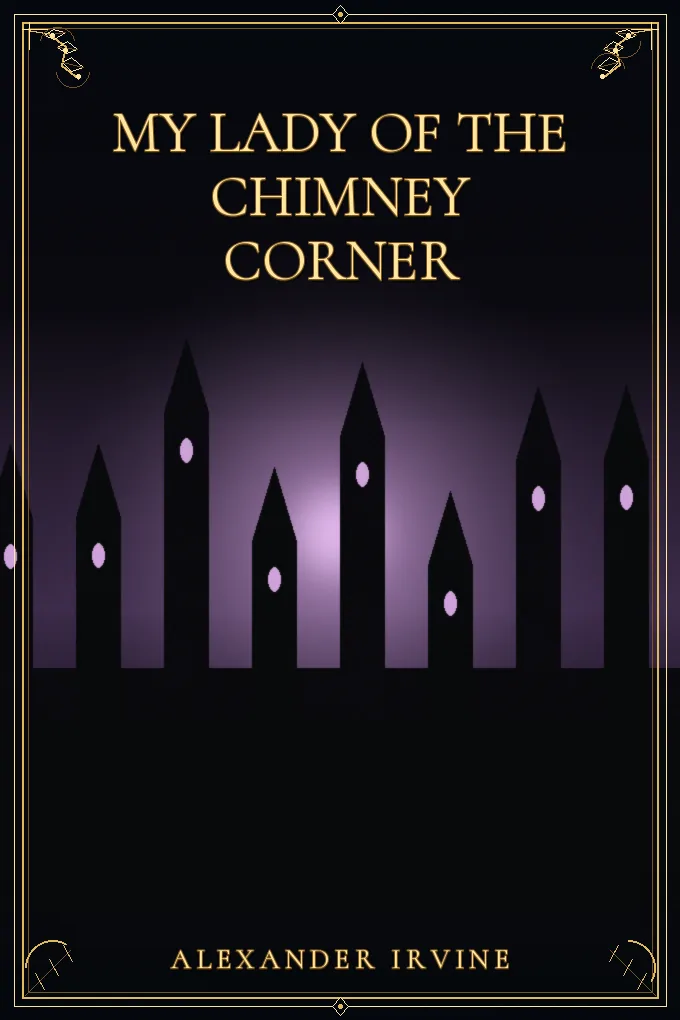
Cover illustration for My Lady of the Chimney Corner
Context Illustration Reading 1/56 · 5 lines
English subtitles · tap any word to listen 1 / 5
SUNDAY IN POGUE'S ENTRY Jamie and Anna kept the Sabbath.
It was a habit with them and the children got it, one after another, as they came along.
When the town clock struck twelve on Saturday night the week's work was done.
The customers were given fair warning that at the hour of midnight the bench would be put away until Monday morning.

There was nothing theological about the observance.
0:00 / 0:00
Speed 0.75x
AI-generated narration by OpenAI · Slow US English
LEARNER DICTIONARY
Archivist
/ˈɑːrkɪvɪst/
Editorial verification pending

A keeper or guardian of historical records and memories.

My Lady of the Chimney Corner

Chapter IV · Chapter 4

Chapter 4 of My Lady of the Chimney Corner is here in full — 283 sentences across 57 reading sections, with audio for every sentence and word.

Reading 1/56 · 5 reading units · Lines 1–5

Line 1
SUNDAY IN POGUE'S ENTRY Jamie and Anna kept the Sabbath.
Line 2
It was a habit with them and the children got it, one after another, as they came along.
/ɪt wɑːz ə ˈhæbət wɪð ðem ənd ðə ˈtʃɪldrən ɡɑːt ɪt wʌn ˈæftər əˈnʌðər æz ðeɪ keɪm əˈlɔːŋ/
Line 3
When the town clock struck twelve on Saturday night the week's work was done.
/wen ðə taʊn klɑːk strʌk twelv ɑːn ˈsætərdi naɪt ðə wiːks wɜːrk wɑːz dʌn/
Line 4
The customers were given fair warning that at the hour of midnight the bench would be put away until Monday morning.
/ðə ˈkʌstəmərz wɜːr ˈɡɪvən fer ˈwɔːrnɪŋ ðæt æt ðə ˈaʊər ʌv ˈmɪdnaɪt ðə bentʃ wʊd biː pʊt əˈweɪ ənˈtɪl ˈmʌndi ˈmɔːrnɪŋ/
Line 5
There was nothing theological about the observance.
/ðer wɑːz ˈnʌθɪŋ ˌθiːəˈlɑːdʒɪkəl əˈbaʊt ðə əbˈzɜːrvəns/

Learner Dictionary

These definitions explain words found in the current reading and keep every example grounded in its original sentence.

Oxford-style entry order: headword, part of speech, US IPA, concise definition, contextual example, and audio.

Anna noun US /ˈænə/

a former copper coin of Pakistan and India

From this reading “SUNDAY IN POGUE'S ENTRY Jamie and Anna kept the Sabbath.”

customers noun US /ˈkʌstəmərz/

plural of “customer” — someone who pays for goods or services

From this reading “The customers were given fair warning that at the hour of midnight the bench would be put away until Monday morning.”

entry noun US /ˈentri/

an item inserted in a written record

From this reading “SUNDAY IN POGUE'S ENTRY Jamie and Anna kept the Sabbath.”

Monday noun US /ˈmʌndi/

the second day of the week; the first working day

From this reading “The customers were given fair warning that at the hour of midnight the bench would be put away until Monday morning.”

observance noun US /əbˈzɜːrvəns/

the act of observing; taking a patient look

From this reading “There was nothing theological about the observance.”

Sabbath noun US /ˈsæbəθ/

a day of rest and worship: Sunday for most Christians; Saturday for the Jews and a few Christians; Friday for Muslims

From this reading “SUNDAY IN POGUE'S ENTRY Jamie and Anna kept the Sabbath.”

theological adjective US /ˌθiːəˈlɑːdʒɪkəl/

of or relating to or concerning theology

From this reading “There was nothing theological about the observance.”

week's noun US /wiːks/

possessive form of “week” — any period of seven consecutive days

From this reading “When the town clock struck twelve on Saturday night the week's work was done.”

Word partnerships in these lines

English keeps certain words together, and knowing the pair is worth more than knowing each word alone. Every partnership below was counted across our whole published library, and earns its place by appearing far more often than two unrelated words of the same frequency would.

Shown as this reading writes them, with the form the library counts, what kind of pairing it is, and how often it occurs.

struck twelve adjective + noun

In this reading “When the town clock struck twelve on Saturday night the week's work was done.”

fair warning adjective + noun

In this reading “The customers were given fair warning that at the hour of midnight the bench would be put away until Monday morning.”

came along verb + particle counted as “come along”

come into being or existence, or appear on the scene

In this reading “It was a habit with them and the children got it, one after another, as they came along.”

town clock noun + noun

In this reading “When the town clock struck twelve on Saturday night the week's work was done.”

put away verb + particle

place in a place where something cannot be removed or someone cannot escape

In this reading “The customers were given fair warning that at the hour of midnight the bench would be put away until Monday morning.”

All words in this reading · 59

Every word in these five lines is listed here, and every one of them can be played on its own.

Dictionary details are shown only when verified; these are not licensed Oxford entries.

adeterminerUS /ə/

used before a singular noun to mean one of a group, when it is not a particular one

From this reading It was a habit with them and the children got it, one after another, as they came along.

aboutprepositionUS /əˈbaʊt/

on the subject of; concerning

From this reading There was nothing theological about the observance.

afterprepositionUS /ˈæftər/

later than; following

From this reading It was a habit with them and the children got it, one after another, as they came along.

alongprepositionUS /əˈlɔːŋ/

following the length of something from one end toward the other

From this reading It was a habit with them and the children got it, one after another, as they came along.

andconjunctionUS /ənd/

used to join words or parts of a sentence that go together

From this reading SUNDAY IN POGUE'S ENTRY Jamie and Anna kept the Sabbath.

AnnanounUS /ˈænə/

a former copper coin of Pakistan and India

From this reading SUNDAY IN POGUE'S ENTRY Jamie and Anna kept the Sabbath.

anotherdeterminerUS /əˈnʌðər/

one more of the same kind, or a different one

From this reading It was a habit with them and the children got it, one after another, as they came along.

asconjunctionUS /æz/

at the same time that; because; in the way that

From this reading It was a habit with them and the children got it, one after another, as they came along.

atprepositionUS /æt/

in or near a particular place or position

From this reading The customers were given fair warning that at the hour of midnight the bench would be put away until Monday morning.

awayadverbUS /əˈweɪ/

from a particular thing or place or position (“forth” is obsolete)

From this reading The customers were given fair warning that at the hour of midnight the bench would be put away until Monday morning.

beauxiliary verbUS /biː/

used with a past participle to form the passive, or with -ing for continuous tenses

From this reading The customers were given fair warning that at the hour of midnight the bench would be put away until Monday morning.

benchnounUS /bentʃ/

a long seat for more than one person

From this reading The customers were given fair warning that at the hour of midnight the bench would be put away until Monday morning.

cameverbUS /keɪm/

inflected form of “come” — move toward, travel toward something or somebody or approach something or somebody

From this reading It was a habit with them and the children got it, one after another, as they came along.

childrennounUS /ˈtʃɪldrən/

plural of “child” — a young person of either sex

From this reading It was a habit with them and the children got it, one after another, as they came along.

clocknounUS /klɑːk/

a timepiece that shows the time of day

From this reading When the town clock struck twelve on Saturday night the week's work was done.

customersnounUS /ˈkʌstəmərz/

plural of “customer” — someone who pays for goods or services

From this reading The customers were given fair warning that at the hour of midnight the bench would be put away until Monday morning.

doneadjectiveUS /dʌn/

having finished or arrived at completion

From this reading When the town clock struck twelve on Saturday night the week's work was done.

ENTRYnounUS /ˈentri/

an item inserted in a written record

From this reading SUNDAY IN POGUE'S ENTRY Jamie and Anna kept the Sabbath.

fairadjectiveUS /fer/

free from favoritism or self-interest or bias or deception; conforming with established standards or rules

From this reading The customers were given fair warning that at the hour of midnight the bench would be put away until Monday morning.

givenadjectiveUS /ˈɡɪvən/

acknowledged as a supposition

From this reading The customers were given fair warning that at the hour of midnight the bench would be put away until Monday morning.

gotverbUS /ɡɑːt/

inflected form of “get” — come into the possession of something concrete or abstract

From this reading It was a habit with them and the children got it, one after another, as they came along.

habitnounUS /ˈhæbət/

an established custom

From this reading It was a habit with them and the children got it, one after another, as they came along.

hournounUS /ˈaʊər/

a period of time equal to 1/24th of a day

From this reading The customers were given fair warning that at the hour of midnight the bench would be put away until Monday morning.

INprepositionUS /ɪn/

inside something, or within a place, period, or state

From this reading SUNDAY IN POGUE'S ENTRY Jamie and Anna kept the Sabbath.

ItpronounUS /ɪt/

a thing, animal, or idea already mentioned

From this reading It was a habit with them and the children got it, one after another, as they came along.

Jamie

Dictionary entry pending editorial verification. Tap Listen to hear the word.

From this reading SUNDAY IN POGUE'S ENTRY Jamie and Anna kept the Sabbath.

keptadjectiveUS /kept/

(especially of promises or contracts) not violated or disregarded

From this reading SUNDAY IN POGUE'S ENTRY Jamie and Anna kept the Sabbath.

midnightnounUS /ˈmɪdnaɪt/

12 o'clock at night; the middle of the night

From this reading The customers were given fair warning that at the hour of midnight the bench would be put away until Monday morning.

MondaynounUS /ˈmʌndi/

the second day of the week; the first working day

From this reading The customers were given fair warning that at the hour of midnight the bench would be put away until Monday morning.

morningnounUS /ˈmɔːrnɪŋ/

the time period between dawn and noon

From this reading The customers were given fair warning that at the hour of midnight the bench would be put away until Monday morning.

nightnounUS /naɪt/

the time after sunset and before sunrise while it is dark outside

From this reading When the town clock struck twelve on Saturday night the week's work was done.

nothingpronounUS /ˈnʌθɪŋ/

not one thing; not anything

From this reading There was nothing theological about the observance.

observancenounUS /əbˈzɜːrvəns/

the act of observing; taking a patient look

From this reading There was nothing theological about the observance.

ofprepositionUS /ʌv/

belonging to, or connected with, somebody or something

From this reading The customers were given fair warning that at the hour of midnight the bench would be put away until Monday morning.

onprepositionUS /ɑːn/

touching and supported by a surface

From this reading When the town clock struck twelve on Saturday night the week's work was done.

onepronounUS /wʌn/

used to mean any person in general, including the speaker

From this reading It was a habit with them and the children got it, one after another, as they came along.

POGUE'S

Dictionary entry pending editorial verification. Tap Listen to hear the word.

From this reading SUNDAY IN POGUE'S ENTRY Jamie and Anna kept the Sabbath.

putverbUS /pʊt/

put into a certain place or abstract location

From this reading The customers were given fair warning that at the hour of midnight the bench would be put away until Monday morning.

SabbathnounUS /ˈsæbəθ/

a day of rest and worship: Sunday for most Christians; Saturday for the Jews and a few Christians; Friday for Muslims

From this reading SUNDAY IN POGUE'S ENTRY Jamie and Anna kept the Sabbath.

SaturdaynounUS /ˈsætərdi/

the seventh and last day of the week; observed as the Sabbath by Jews and some Christians

From this reading When the town clock struck twelve on Saturday night the week's work was done.

struckadjectiveUS /strʌk/

(used in combination) affected by something overwhelming

From this reading When the town clock struck twelve on Saturday night the week's work was done.

SUNDAYnounUS /ˈsʌndeɪ/

first day of the week; observed as a day of rest and worship by most Christians

From this reading SUNDAY IN POGUE'S ENTRY Jamie and Anna kept the Sabbath.

thatconjunctionUS /ðæt/

used to introduce what somebody said, thought, or felt

From this reading The customers were given fair warning that at the hour of midnight the bench would be put away until Monday morning.

thedeterminerUS /ðə/

used before a noun that is already known, already mentioned, or the only one of its kind

From this reading SUNDAY IN POGUE'S ENTRY Jamie and Anna kept the Sabbath.

thempronounUS /ðem/

the people or things already mentioned, as the object

From this reading It was a habit with them and the children got it, one after another, as they came along.

theologicaladjectiveUS /ˌθiːəˈlɑːdʒɪkəl/

of or relating to or concerning theology

From this reading There was nothing theological about the observance.

ThereadverbUS /ðer/

in or at that place or location

From this reading There was nothing theological about the observance.

theypronounUS /ðeɪ/

the people, animals, or things already mentioned, as the subject

From this reading It was a habit with them and the children got it, one after another, as they came along.

townnounUS /taʊn/

an urban area with a fixed boundary that is smaller than a city

From this reading When the town clock struck twelve on Saturday night the week's work was done.

twelvenounUS /twelv/

the cardinal number that is the sum of eleven and one

From this reading When the town clock struck twelve on Saturday night the week's work was done.

untilprepositionUS /ənˈtɪl/

up to a particular time

From this reading The customers were given fair warning that at the hour of midnight the bench would be put away until Monday morning.

warningnounUS /ˈwɔːrnɪŋ/

a message informing of danger

From this reading The customers were given fair warning that at the hour of midnight the bench would be put away until Monday morning.

wasauxiliary verbUS /wɑːz/

the past form of “be” used with I, he, she, it, or a singular noun

From this reading It was a habit with them and the children got it, one after another, as they came along.

week'snounUS /wiːks/

possessive form of “week” — any period of seven consecutive days

From this reading When the town clock struck twelve on Saturday night the week's work was done.

wereauxiliary verbUS /wɜːr/

the past form of “be” used with you, we, they, or a plural noun

From this reading The customers were given fair warning that at the hour of midnight the bench would be put away until Monday morning.

WhenconjunctionUS /wen/

at the time that

From this reading When the town clock struck twelve on Saturday night the week's work was done.

withprepositionUS /wɪð/

in the company of; together with

From this reading It was a habit with them and the children got it, one after another, as they came along.

workverbUS /wɜːrk/

exert oneself by doing mental or physical work for a purpose or out of necessity

From this reading When the town clock struck twelve on Saturday night the week's work was done.

wouldmodal verbUS /wʊd/

used for something imagined, polite, or habitual in the past

From this reading The customers were given fair warning that at the hour of midnight the bench would be put away until Monday morning.

Chapter 4 of My Lady of the Chimney Corner by Alexander Irvine holds 283 sentences, grouped into 57 reading sections of at most 5 sentences. The text is the source edition, unabridged, and the chapter records which sentences cover which part of the work so that nothing is dropped. Every word can be tapped for its pronunciation and dictionary entry.

What does chapter 4 of My Lady of the Chimney Corner contain?

Chapter 4 holds 283 sentences of My Lady of the Chimney Corner, unabridged, divided into 57 reading sections.

This page carries chapter 4 of My Lady of the Chimney Corner by Alexander Irvine exactly as it stands in the source edition, without abridgement. It runs to 283 sentences, grouped into 57 sections of at most 5 sentences so that a reader can take the chapter in steady, finishable pieces. The chapter also stores a coverage record mapping every one of its sentences to a part of the work, which is how the edition demonstrates that no line was dropped.

How do I study chapter 4 of My Lady of the Chimney Corner?

Work through the 57 sections in order, replaying any sentence and tapping unfamiliar words for their entries.

Each of the 57 sections in this chapter is short enough to read once, hear once, and then re-read with the vocabulary in view. Tapping a word plays it alone and opens its dictionary entry with IPA, part of speech and meaning, so the reader is never forced to guess a pronunciation from spelling. Working section by section keeps a long chapter from becoming an undifferentiated wall of text, which is the usual reason a reader abandons a work of this period.

Can chapter 4 be read aloud to me?

Yes — every sentence and every individual word in chapter 4 can be played aloud in United States English.

Audio covers the whole chapter: any sentence can be played, and any single word within it can be played on its own. The voice uses United States English. For a work of this period that matters, because spelling is an unreliable guide to pronunciation for vocabulary that has fallen out of daily use, and a learner who guesses wrong tends to keep the error. Hearing the word in its own sentence, and then alone, settles it.

Questions about reading My Lady of the Chimney Corner

Common questions about reading My Lady of the Chimney Corner by Alexander Irvine on this page, its source edition and its audio.

Is this the complete text of My Lady of the Chimney Corner?

Yes. All 2537 sentences of Project Gutenberg eBook #31765 are kept, with a record of which sentences cover which part.

Which edition of My Lady of the Chimney Corner is used?

Project Gutenberg eBook #31765, unabridged. The Project Gutenberg header, footer and licence are removed.

How long does My Lady of the Chimney Corner take to read?

About 211 minutes of reading across 508 sections of 5 sentences each, at an unhurried pace.

How to read My Lady of the Chimney Corner section by section

How to work through My Lady of the Chimney Corner section by section, using the audio and the tap-to-define vocabulary.

  1. Open a chapter

    Choose one of the 10 chapters of My Lady of the Chimney Corner to begin.

  2. Read one section

    Each section holds 5 sentences; read it once through.

  3. Listen and tap

    Play the section aloud, then tap any unfamiliar word for its entry.

Vocabulary met early in My Lady of the Chimney Corner

Words and structures a reader meets early in My Lady of the Chimney Corner, each tappable for pronunciation and meaning.

Author
A word that appears in the opening chapter of My Lady of the Chimney Corner; the reader can tap it to hear it and see its dictionary entry.
Bottom
A word that appears in the opening chapter of My Lady of the Chimney Corner; the reader can tap it to hear it and see its dictionary entry.
Manuscript
A word that appears in the opening chapter of My Lady of the Chimney Corner; the reader can tap it to hear it and see its dictionary entry.
Beautiful
A word that appears in the opening chapter of My Lady of the Chimney Corner; the reader can tap it to hear it and see its dictionary entry.