Complete classic literature • Five-line readings • Clear US narration
VELMORA ACADEMY
Academy of Archival Languages & Memory Studies
Menu Close
Only an Irish Girl
Only an Irish Girl

Chapter II · Chapter 2

Chapter 2 of Only an Irish Girl is here in full — 144 sentences across 29 reading sections, with audio for every sentence and word.

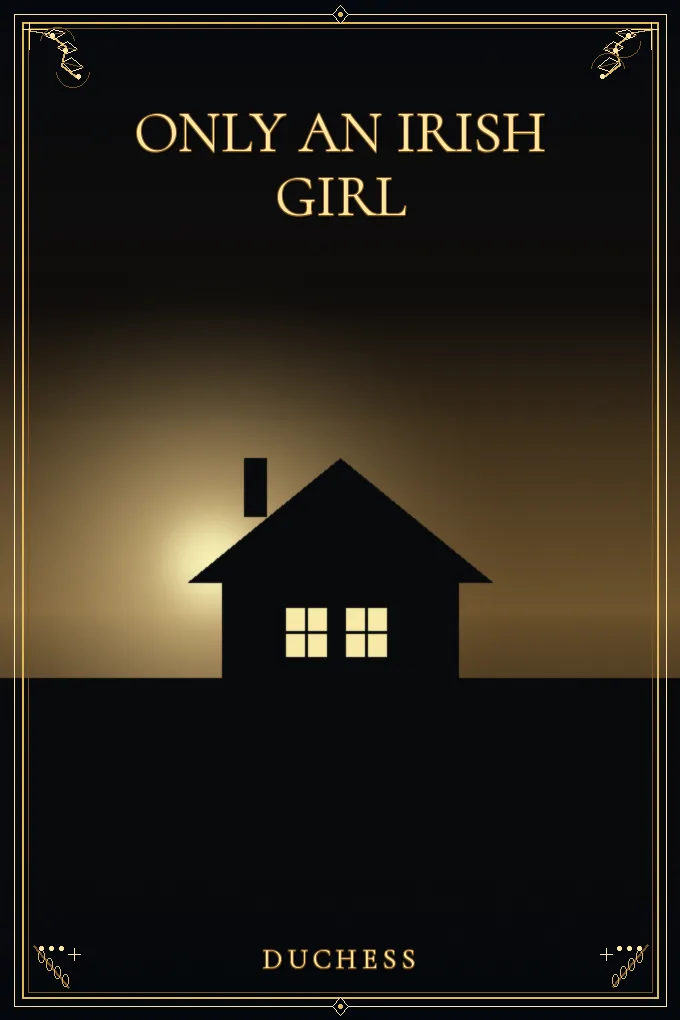
Cover illustration for Only an Irish Girl
Context Illustration Reading 1/28 · 5 lines
English subtitles · tap any word to listen 1 / 5
"I cannot see what fault you can find in him, Honor."
"Sure if he's faultless, isn't that fault enough, my dear?"
"But you are almost rude to him," Belle Delorme says plaintively; "and I'm sure I can't see why, for he is just a delightful man."
"Of course--you've fallen in love with him, Belle!"
Honor retorts coolly.
0:00 / 0:00
Speed 0.75x
AI-generated narration by OpenAI · Slow US English
LEARNER DICTIONARY
Archivist
/ˈɑːrkɪvɪst/
Editorial verification pending

A keeper or guardian of historical records and memories.

Only an Irish Girl

Chapter II · Chapter 2

Chapter 2 of Only an Irish Girl is here in full — 144 sentences across 29 reading sections, with audio for every sentence and word.

Reading 1/28 · 5 reading units · Lines 1–5

Line 1
"I cannot see what fault you can find in him, Honor."
Line 2
"Sure if he's faultless, isn't that fault enough, my dear?"
Line 3
"But you are almost rude to him," Belle Delorme says plaintively; "and I'm sure I can't see why, for he is just a delightful man."
Line 4
"Of course--you've fallen in love with him, Belle!"
Line 5
Honor retorts coolly.
/ˈɑːnər rɪˈtɔːrts ˈkuːli/

Learner Dictionary

These definitions explain words found in the current reading and keep every example grounded in its original sentence.

Oxford-style entry order: headword, part of speech, US IPA, concise definition, contextual example, and audio.

Belle noun US /bel/

a young woman who is the most charming and beautiful of several rivals

From this reading “"But you are almost rude to him," Belle Delorme says plaintively; "and I'm sure I can't see why, for he is just a delightful man."”

coolly adverb US /ˈkuːli/

in a composed and unconcerned manner

From this reading “Honor retorts coolly.”

delightful adjective US /dɪˈlaɪtfəl/

greatly pleasing or entertaining

From this reading “"But you are almost rude to him," Belle Delorme says plaintively; "and I'm sure I can't see why, for he is just a delightful man."”

Delorme noun US /deˈlɔːrmi/

French royal architect who built the Tuileries Palace and Gardens in Paris for Catherine de Medicis (1515-1570)

From this reading “"But you are almost rude to him," Belle Delorme says plaintively; "and I'm sure I can't see why, for he is just a delightful man."”

fault noun US /fɔːlt/

a wrong action attributable to bad judgment or ignorance or inattention

From this reading “"I cannot see what fault you can find in him, Honor."”

plaintively adverb US /ˈpleɪntaɪvli/

in a plaintive manner

From this reading “"But you are almost rude to him," Belle Delorme says plaintively; "and I'm sure I can't see why, for he is just a delightful man."”

retorts noun US /rɪˈtɔːrts/

plural of “retort” — a quick reply to a question or remark (especially a witty or critical one)

From this reading “Honor retorts coolly.”

rude adjective US /ruːd/

socially incorrect in behavior

From this reading “"But you are almost rude to him," Belle Delorme says plaintively; "and I'm sure I can't see why, for he is just a delightful man."”

All words in this reading · 48

Every word in these five lines is listed here, and every one of them can be played on its own.

Dictionary details are shown only when verified; these are not licensed Oxford entries.

adeterminerUS /ə/

used before a singular noun to mean one of a group, when it is not a particular one

From this reading "But you are almost rude to him," Belle Delorme says plaintively; "and I'm sure I can't see why, for he is just a delightful man."

almostadverbUS /ˈɔːlmoʊst/

(of actions or states) slightly short of or not quite accomplished; all but

From this reading "But you are almost rude to him," Belle Delorme says plaintively; "and I'm sure I can't see why, for he is just a delightful man."

andconjunctionUS /ənd/

used to join words or parts of a sentence that go together

From this reading "But you are almost rude to him," Belle Delorme says plaintively; "and I'm sure I can't see why, for he is just a delightful man."

areauxiliary verbUS /ɑːr/

the form of “be” used with you, we, they, or a plural noun

From this reading "But you are almost rude to him," Belle Delorme says plaintively; "and I'm sure I can't see why, for he is just a delightful man."

BellenounUS /bel/

a young woman who is the most charming and beautiful of several rivals

From this reading "But you are almost rude to him," Belle Delorme says plaintively; "and I'm sure I can't see why, for he is just a delightful man."

ButconjunctionUS /bʌt/

used to introduce something that contrasts with what came before

From this reading "But you are almost rude to him," Belle Delorme says plaintively; "and I'm sure I can't see why, for he is just a delightful man."

canmodal verbUS /kæn/

to be able to, or to be allowed to

From this reading "I cannot see what fault you can find in him, Honor."

can't

Dictionary entry pending editorial verification. Tap Listen to hear the word.

From this reading "But you are almost rude to him," Belle Delorme says plaintively; "and I'm sure I can't see why, for he is just a delightful man."

cannot

Dictionary entry pending editorial verification. Tap Listen to hear the word.

From this reading "I cannot see what fault you can find in him, Honor."

coollyadverbUS /ˈkuːli/

in a composed and unconcerned manner

From this reading Honor retorts coolly.

coursenounUS /kɔːrs/

education imparted in a series of lessons or meetings

From this reading "Of course--you've fallen in love with him, Belle!"

dearadjectiveUS /dɪr/

dearly loved

From this reading "Sure if he's faultless, isn't that fault enough, my dear?"

delightfuladjectiveUS /dɪˈlaɪtfəl/

greatly pleasing or entertaining

From this reading "But you are almost rude to him," Belle Delorme says plaintively; "and I'm sure I can't see why, for he is just a delightful man."

DelormenounUS /deˈlɔːrmi/

French royal architect who built the Tuileries Palace and Gardens in Paris for Catherine de Medicis (1515-1570)

From this reading "But you are almost rude to him," Belle Delorme says plaintively; "and I'm sure I can't see why, for he is just a delightful man."

enoughnounUS /ɪˈnʌf/

an adequate quantity; a quantity that is large enough to achieve a purpose

From this reading "Sure if he's faultless, isn't that fault enough, my dear?"

fallenadjectiveUS /ˈfɑːlən/

having dropped by the force of gravity

From this reading "Of course--you've fallen in love with him, Belle!"

faultnounUS /fɔːlt/

a wrong action attributable to bad judgment or ignorance or inattention

From this reading "I cannot see what fault you can find in him, Honor."

faultlessadjective

without fault or error

From this reading "Sure if he's faultless, isn't that fault enough, my dear?"

findverbUS /faɪnd/

come upon, as if by accident; meet with

From this reading "I cannot see what fault you can find in him, Honor."

forprepositionUS /fɔːr/

intended to be given to, or used by, somebody

From this reading "But you are almost rude to him," Belle Delorme says plaintively; "and I'm sure I can't see why, for he is just a delightful man."

hepronounUS /hiː/

a man, boy, or male animal already mentioned, as the subject

From this reading "But you are almost rude to him," Belle Delorme says plaintively; "and I'm sure I can't see why, for he is just a delightful man."

he's

Dictionary entry pending editorial verification. Tap Listen to hear the word.

From this reading "Sure if he's faultless, isn't that fault enough, my dear?"

himpronounUS /hɪm/

the male already mentioned, as the object of a verb or preposition

From this reading "I cannot see what fault you can find in him, Honor."

HonornounUS /ˈɑːnər/

a tangible symbol signifying approval or distinction

From this reading "I cannot see what fault you can find in him, Honor."

IpronounUS /aɪ/

the person speaking or writing, as the subject of the verb

From this reading "I cannot see what fault you can find in him, Honor."

I'm

Dictionary entry pending editorial verification. Tap Listen to hear the word.

From this reading "But you are almost rude to him," Belle Delorme says plaintively; "and I'm sure I can't see why, for he is just a delightful man."

ifconjunctionUS /ɪf/

on condition that; in the event that

From this reading "Sure if he's faultless, isn't that fault enough, my dear?"

inprepositionUS /ɪn/

inside something, or within a place, period, or state

From this reading "I cannot see what fault you can find in him, Honor."

isauxiliary verbUS /ɪz/

the form of “be” used with he, she, it, or a singular noun

From this reading "But you are almost rude to him," Belle Delorme says plaintively; "and I'm sure I can't see why, for he is just a delightful man."

isn't

Dictionary entry pending editorial verification. Tap Listen to hear the word.

From this reading "Sure if he's faultless, isn't that fault enough, my dear?"

justadverbUS /dʒʌst/

and nothing more

From this reading "But you are almost rude to him," Belle Delorme says plaintively; "and I'm sure I can't see why, for he is just a delightful man."

lovenounUS /lʌv/

a strong positive emotion of regard and affection

From this reading "Of course--you've fallen in love with him, Belle!"

mannounUS /mæn/

an adult person who is male (as opposed to a woman)

From this reading "But you are almost rude to him," Belle Delorme says plaintively; "and I'm sure I can't see why, for he is just a delightful man."

mydeterminerUS /maɪ/

belonging to the person speaking

From this reading "Sure if he's faultless, isn't that fault enough, my dear?"

OfprepositionUS /ʌv/

belonging to, or connected with, somebody or something

From this reading "Of course--you've fallen in love with him, Belle!"

plaintivelyadverbUS /ˈpleɪntaɪvli/

in a plaintive manner

From this reading "But you are almost rude to him," Belle Delorme says plaintively; "and I'm sure I can't see why, for he is just a delightful man."

retortsnounUS /rɪˈtɔːrts/

plural of “retort” — a quick reply to a question or remark (especially a witty or critical one)

From this reading Honor retorts coolly.

rudeadjectiveUS /ruːd/

socially incorrect in behavior

From this reading "But you are almost rude to him," Belle Delorme says plaintively; "and I'm sure I can't see why, for he is just a delightful man."

saysnounUS /sez/

plural of “say” — the chance to speak

From this reading "But you are almost rude to him," Belle Delorme says plaintively; "and I'm sure I can't see why, for he is just a delightful man."

seeverbUS /siː/

perceive by sight or have the power to perceive by sight

From this reading "I cannot see what fault you can find in him, Honor."

SureadjectiveUS /ʃʊr/

having or feeling no doubt or uncertainty; confident and assured

From this reading "Sure if he's faultless, isn't that fault enough, my dear?"

thatconjunctionUS /ðæt/

used to introduce what somebody said, thought, or felt

From this reading "Sure if he's faultless, isn't that fault enough, my dear?"

toparticleUS /tuː/

used before the base form of a verb to make the infinitive

From this reading "But you are almost rude to him," Belle Delorme says plaintively; "and I'm sure I can't see why, for he is just a delightful man."

whatpronounUS /wʌt/

used to ask for information about something

From this reading "I cannot see what fault you can find in him, Honor."

whynounUS /waɪ/

the cause or intention underlying an action or situation, especially in the phrase “the whys and wherefores”

From this reading "But you are almost rude to him," Belle Delorme says plaintively; "and I'm sure I can't see why, for he is just a delightful man."

withprepositionUS /wɪð/

in the company of; together with

From this reading "Of course--you've fallen in love with him, Belle!"

youpronounUS /juː/

the person or people being spoken to

From this reading "I cannot see what fault you can find in him, Honor."

you've

Dictionary entry pending editorial verification. Tap Listen to hear the word.

From this reading "Of course--you've fallen in love with him, Belle!"

Chapter 2 of Only an Irish Girl by Duchess holds 144 sentences, grouped into 29 reading sections of at most 5 sentences. The text is the source edition, unabridged, and the chapter records which sentences cover which part of the work so that nothing is dropped. Every word can be tapped for its pronunciation and dictionary entry.

What does chapter 2 of Only an Irish Girl contain?

Chapter 2 holds 144 sentences of Only an Irish Girl, unabridged, divided into 29 reading sections.

This page carries chapter 2 of Only an Irish Girl by Duchess exactly as it stands in the source edition, without abridgement. It runs to 144 sentences, grouped into 29 sections of at most 5 sentences so that a reader can take the chapter in steady, finishable pieces. The chapter also stores a coverage record mapping every one of its sentences to a part of the work, which is how the edition demonstrates that no line was dropped.

How do I study chapter 2 of Only an Irish Girl?

Work through the 29 sections in order, replaying any sentence and tapping unfamiliar words for their entries.

Each of the 29 sections in this chapter is short enough to read once, hear once, and then re-read with the vocabulary in view. Tapping a word plays it alone and opens its dictionary entry with IPA, part of speech and meaning, so the reader is never forced to guess a pronunciation from spelling. Working section by section keeps a long chapter from becoming an undifferentiated wall of text, which is the usual reason a reader abandons a work of this period.

Can chapter 2 be read aloud to me?

Yes — every sentence and every individual word in chapter 2 can be played aloud in United States English.

Audio covers the whole chapter: any sentence can be played, and any single word within it can be played on its own. The voice uses United States English. For a work of this period that matters, because spelling is an unreliable guide to pronunciation for vocabulary that has fallen out of daily use, and a learner who guesses wrong tends to keep the error. Hearing the word in its own sentence, and then alone, settles it.

Questions about reading Only an Irish Girl

Common questions about reading Only an Irish Girl by Duchess on this page, its source edition and its audio.

Is this the complete text of Only an Irish Girl?

Yes. All 1446 sentences of Project Gutenberg eBook #27839 are kept, with a record of which sentences cover which part.

Which edition of Only an Irish Girl is used?

Project Gutenberg eBook #27839, unabridged. The Project Gutenberg header, footer and licence are removed.

How long does Only an Irish Girl take to read?

About 120 minutes of reading across 290 sections of 5 sentences each, at an unhurried pace.

How to read Only an Irish Girl section by section

How to work through Only an Irish Girl section by section, using the audio and the tap-to-define vocabulary.

  1. Open a chapter

    Choose one of the 10 chapters of Only an Irish Girl to begin.

  2. Read one section

    Each section holds 5 sentences; read it once through.

  3. Listen and tap

    Play the section aloud, then tap any unfamiliar word for its entry.

Vocabulary met early in Only an Irish Girl

Words and structures a reader meets early in Only an Irish Girl, each tappable for pronunciation and meaning.

Dream
A word that appears in the opening chapter of Only an Irish Girl; the reader can tap it to hear it and see its dictionary entry.
Aileen
A word that appears in the opening chapter of Only an Irish Girl; the reader can tap it to hear it and see its dictionary entry.
Consarned
A word that appears in the opening chapter of Only an Irish Girl; the reader can tap it to hear it and see its dictionary entry.
Greatly
A word that appears in the opening chapter of Only an Irish Girl; the reader can tap it to hear it and see its dictionary entry.