used before a singular noun to mean one of a group, when it is not a particular one
From this reading Paul goes to sea in the first place because his father has lost a legal case in which the Devereux family had been claiming his estates and land.
(usually followed by “to”) having the necessary means or skill or know-how or authority to do something
From this reading To Paul's surprise, who should be in the midshipman's mess but a young man called Devereux, whose life Paul was able to save following his serious wounding.
at all times; all the time and on every occasion
From this reading So we just need to keep in mind that Paul is always looking slightly askance at Devereux.
used to join words or parts of a sentence that go together
From this reading Paul goes to sea in the first place because his father has lost a legal case in which the Devereux family had been claiming his estates and land.
one more of the same kind, or a different one
From this reading ________________________________________________________________________ Here is another book in the true Kingston style - lots of swimming, sharks, wrecks, battles, pirates, woundings.
askanceadverbUS /əˈskæns/
with suspicion or disapproval
From this reading So we just need to keep in mind that Paul is always looking slightly askance at Devereux.
in or near a particular place or position
From this reading So we just need to keep in mind that Paul is always looking slightly askance at Devereux.
battlesnounUS /ˈbætəlz/
plural of “battle” — a hostile meeting of opposing military forces in the course of a war
From this reading ________________________________________________________________________ Here is another book in the true Kingston style - lots of swimming, sharks, wrecks, battles, pirates, woundings.
used with a past participle to form the passive, or with -ing for continuous tenses
From this reading To Paul's surprise, who should be in the midshipman's mess but a young man called Devereux, whose life Paul was able to save following his serious wounding.
for the reason that
From this reading Paul goes to sea in the first place because his father has lost a legal case in which the Devereux family had been claiming his estates and land.
beenauxiliary verbUS /bɪn/
the past participle of “be”
From this reading Paul goes to sea in the first place because his father has lost a legal case in which the Devereux family had been claiming his estates and land.
a written work or composition that has been published (printed on pages bound together)
From this reading ________________________________________________________________________ Here is another book in the true Kingston style - lots of swimming, sharks, wrecks, battles, pirates, woundings.
a youthful male person
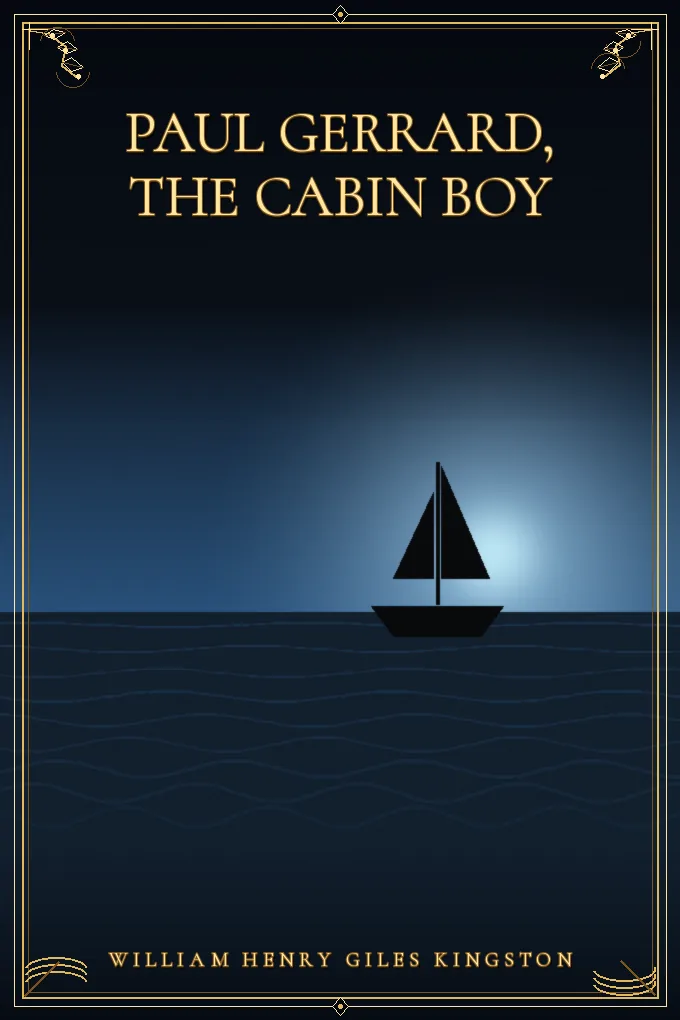
From this reading Paul Gerrard, The Cabin Boy, by W.H.G. Kingston.
used to introduce something that contrasts with what came before
From this reading To Paul's surprise, who should be in the midshipman's mess but a young man called Devereux, whose life Paul was able to save following his serious wounding.
showing who or what does the action
From this reading Paul Gerrard, The Cabin Boy, by W.H.G. Kingston.
small room on a ship or boat where people sleep
From this reading Paul Gerrard, The Cabin Boy, by W.H.G. Kingston.
past form of “call” — assign a specified (usually proper) proper name to
From this reading To Paul's surprise, who should be in the midshipman's mess but a young man called Devereux, whose life Paul was able to save following his serious wounding.
an occurrence of something
From this reading Paul goes to sea in the first place because his father has lost a legal case in which the Devereux family had been claiming his estates and land.
claimingverbUS /ˈkleɪmɪŋ/
-ing form of “claim” — assert or affirm strongly; state to be true or existing
From this reading Paul goes to sea in the first place because his father has lost a legal case in which the Devereux family had been claiming his estates and land.
Devereux
Dictionary entry pending editorial verification. Tap Listen to hear the word.
From this reading Paul goes to sea in the first place because his father has lost a legal case in which the Devereux family had been claiming his estates and land.
estatesnounUS /ɪˈsteɪts/
plural of “estate” — everything you own; all of your assets (whether real property or personal property) and liabilities
From this reading Paul goes to sea in the first place because his father has lost a legal case in which the Devereux family had been claiming his estates and land.
a social unit living together
From this reading Paul goes to sea in the first place because his father has lost a legal case in which the Devereux family had been claiming his estates and land.
a male parent (also used as a term of address to your father)
From this reading Paul goes to sea in the first place because his father has lost a legal case in which the Devereux family had been claiming his estates and land.
firstadjectiveUS /fɜːrst/
preceding all others in time or space or degree
From this reading Paul goes to sea in the first place because his father has lost a legal case in which the Devereux family had been claiming his estates and land.
about to be mentioned or specified
From this reading To Paul's surprise, who should be in the midshipman's mess but a young man called Devereux, whose life Paul was able to save following his serious wounding.
a metric unit of weight equal to one thousandth of a kilogram
From this reading Paul Gerrard, The Cabin Boy, by W.H.G. Kingston.
Gerrard
Dictionary entry pending editorial verification. Tap Listen to hear the word.
From this reading Paul Gerrard, The Cabin Boy, by W.H.G. Kingston.
plural of “go” — a time period for working (after which you will be relieved by someone else)
From this reading Paul goes to sea in the first place because his father has lost a legal case in which the Devereux family had been claiming his estates and land.
a nonmetallic univalent element that is normally a colorless and odorless highly flammable diatomic gas; the simplest and lightest and most abundant element in the universe
From this reading Paul Gerrard, The Cabin Boy, by W.H.G. Kingston.
hadauxiliary verbUS /hæd/
the past form of “have”, used to form the past perfect
From this reading Paul goes to sea in the first place because his father has lost a legal case in which the Devereux family had been claiming his estates and land.
hasauxiliary verbUS /hæz/
the form of “have” used with he, she, it, or a singular noun
From this reading Paul goes to sea in the first place because his father has lost a legal case in which the Devereux family had been claiming his estates and land.
in or at this place; where the speaker or writer is
From this reading ________________________________________________________________________ Here is another book in the true Kingston style - lots of swimming, sharks, wrecks, battles, pirates, woundings.
belonging to a man, boy, or male animal already mentioned
From this reading Paul goes to sea in the first place because his father has lost a legal case in which the Devereux family had been claiming his estates and land.
inside something, or within a place, period, or state
From this reading ________________________________________________________________________ Here is another book in the true Kingston style - lots of swimming, sharks, wrecks, battles, pirates, woundings.
the form of “be” used with he, she, it, or a singular noun
From this reading ________________________________________________________________________ Here is another book in the true Kingston style - lots of swimming, sharks, wrecks, battles, pirates, woundings.
and nothing more
From this reading So we just need to keep in mind that Paul is always looking slightly askance at Devereux.
cause to continue in a certain state, position, or activity; e.g., “keep clean”
From this reading So we just need to keep in mind that Paul is always looking slightly askance at Devereux.
KingstonnounUS /ˈkɪŋstən/
a town on the Hudson River in New York
From this reading Paul Gerrard, The Cabin Boy, by W.H.G. Kingston.
the land on which real estate is located
From this reading Paul goes to sea in the first place because his father has lost a legal case in which the Devereux family had been claiming his estates and land.
legaladjectiveUS /ˈliːɡəl/
established by or founded upon law or official or accepted rules
From this reading Paul goes to sea in the first place because his father has lost a legal case in which the Devereux family had been claiming his estates and land.
a characteristic state or mode of living
From this reading To Paul's surprise, who should be in the midshipman's mess but a young man called Devereux, whose life Paul was able to save following his serious wounding.
the act of directing the eyes toward something and perceiving it visually
From this reading So we just need to keep in mind that Paul is always looking slightly askance at Devereux.
no longer in your possession or control; unable to be found or recovered
From this reading Paul goes to sea in the first place because his father has lost a legal case in which the Devereux family had been claiming his estates and land.
lotsnounUS /lɑːts/
a large number or amount
From this reading ________________________________________________________________________ Here is another book in the true Kingston style - lots of swimming, sharks, wrecks, battles, pirates, woundings.
an adult person who is male (as opposed to a woman)
From this reading To Paul's surprise, who should be in the midshipman's mess but a young man called Devereux, whose life Paul was able to save following his serious wounding.
messnounUS /mes/
a state of confusion and disorderliness
From this reading To Paul's surprise, who should be in the midshipman's mess but a young man called Devereux, whose life Paul was able to save following his serious wounding.
midshipman'snounUS /ˈmɪdˈʃɪpmənz/
possessive form of “midshipman” — a temporary rank held by young naval officers in training
From this reading To Paul's surprise, who should be in the midshipman's mess but a young man called Devereux, whose life Paul was able to save following his serious wounding.
The element of a person that enables awareness and thought.
From this reading So we just need to keep in mind that Paul is always looking slightly askance at Devereux.
a condition requiring relief
From this reading So we just need to keep in mind that Paul is always looking slightly askance at Devereux.
belonging to, or connected with, somebody or something
From this reading ________________________________________________________________________ Here is another book in the true Kingston style - lots of swimming, sharks, wrecks, battles, pirates, woundings.
United States feminist (1885-1977)
From this reading Paul Gerrard, The Cabin Boy, by W.H.G. Kingston.
Paul'snounUS /pɔːlz/
possessive form of “paul” — United States feminist (1885-1977)
From this reading To Paul's surprise, who should be in the midshipman's mess but a young man called Devereux, whose life Paul was able to save following his serious wounding.
piratesnounUS /ˈpaɪrəts/
plural of “pirate” — someone who uses another person's words or ideas as if they were his own
From this reading ________________________________________________________________________ Here is another book in the true Kingston style - lots of swimming, sharks, wrecks, battles, pirates, woundings.
a point located with respect to surface features of some region
From this reading Paul goes to sea in the first place because his father has lost a legal case in which the Devereux family had been claiming his estates and land.
except for; apart from
From this reading To Paul's surprise, who should be in the midshipman's mess but a young man called Devereux, whose life Paul was able to save following his serious wounding.
a division of an ocean or a large body of salt water partially enclosed by land
From this reading Paul goes to sea in the first place because his father has lost a legal case in which the Devereux family had been claiming his estates and land.
concerned with work or important matters rather than play or trivialities
From this reading To Paul's surprise, who should be in the midshipman's mess but a young man called Devereux, whose life Paul was able to save following his serious wounding.
sharksnounUS /ʃɑːrks/
plural of “shark” — any of numerous elongate mostly marine carnivorous fishes with heterocercal caudal fins and tough skin covered with small toothlike scales
From this reading ________________________________________________________________________ Here is another book in the true Kingston style - lots of swimming, sharks, wrecks, battles, pirates, woundings.
used to say what is right, expected, or advisable
From this reading To Paul's surprise, who should be in the midshipman's mess but a young man called Devereux, whose life Paul was able to save following his serious wounding.
to a small degree or extent
From this reading So we just need to keep in mind that Paul is always looking slightly askance at Devereux.
for that reason; with the result that
From this reading So we just need to keep in mind that Paul is always looking slightly askance at Devereux.
how something is done or how it happens
From this reading ________________________________________________________________________ Here is another book in the true Kingston style - lots of swimming, sharks, wrecks, battles, pirates, woundings.
the astonishment you feel when something totally unexpected happens to you
From this reading To Paul's surprise, who should be in the midshipman's mess but a young man called Devereux, whose life Paul was able to save following his serious wounding.
swimmingnounUS /ˈswɪmɪŋ/
the act of swimming
From this reading ________________________________________________________________________ Here is another book in the true Kingston style - lots of swimming, sharks, wrecks, battles, pirates, woundings.
used to introduce what somebody said, thought, or felt
From this reading So we just need to keep in mind that Paul is always looking slightly askance at Devereux.
used before a noun that is already known, already mentioned, or the only one of its kind
From this reading Paul Gerrard, The Cabin Boy, by W.H.G. Kingston.
used before the base form of a verb to make the infinitive
From this reading Paul goes to sea in the first place because his father has lost a legal case in which the Devereux family had been claiming his estates and land.
consistent with fact or reality; not false
From this reading ________________________________________________________________________ Here is another book in the true Kingston style - lots of swimming, sharks, wrecks, battles, pirates, woundings.
a heavy grey-white metallic element; the pure form is used mainly in electrical applications; it is found in several ores including wolframite and scheelite
From this reading Paul Gerrard, The Cabin Boy, by W.H.G. Kingston.
wasauxiliary verbUS /wɑːz/
the past form of “be” used with I, he, she, it, or a singular noun
From this reading To Paul's surprise, who should be in the midshipman's mess but a young man called Devereux, whose life Paul was able to save following his serious wounding.
the speaker together with one or more other people
From this reading So we just need to keep in mind that Paul is always looking slightly askance at Devereux.
used to introduce a clause giving more about a thing just mentioned
From this reading Paul goes to sea in the first place because his father has lost a legal case in which the Devereux family had been claiming his estates and land.
which person or people
From this reading To Paul's surprise, who should be in the midshipman's mess but a young man called Devereux, whose life Paul was able to save following his serious wounding.
belonging to which person
From this reading To Paul's surprise, who should be in the midshipman's mess but a young man called Devereux, whose life Paul was able to save following his serious wounding.
woundingnounUS /ˈwuːndɪŋ/
the act of inflicting a wound
From this reading To Paul's surprise, who should be in the midshipman's mess but a young man called Devereux, whose life Paul was able to save following his serious wounding.
woundings
Dictionary entry pending editorial verification. Tap Listen to hear the word.
From this reading ________________________________________________________________________ Here is another book in the true Kingston style - lots of swimming, sharks, wrecks, battles, pirates, woundings.
wrecksnounUS /reks/
plural of “wreck” — something or someone that has suffered ruin or dilapidation
From this reading ________________________________________________________________________ Here is another book in the true Kingston style - lots of swimming, sharks, wrecks, battles, pirates, woundings.
(used of living things especially persons) in an early period of life or development or growth
From this reading To Paul's surprise, who should be in the midshipman's mess but a young man called Devereux, whose life Paul was able to save following his serious wounding.