Complete classic literature • Five-line readings • Clear US narration
VELMORA ACADEMY
Academy of Archival Languages & Memory Studies
Menu Close
Pee-wee Harris Adrift

Chapter XX · Chapter 20

Chapter 20 of Pee-wee Harris Adrift is here in full — 47 sentences across 10 reading sections, with audio for every sentence and word.

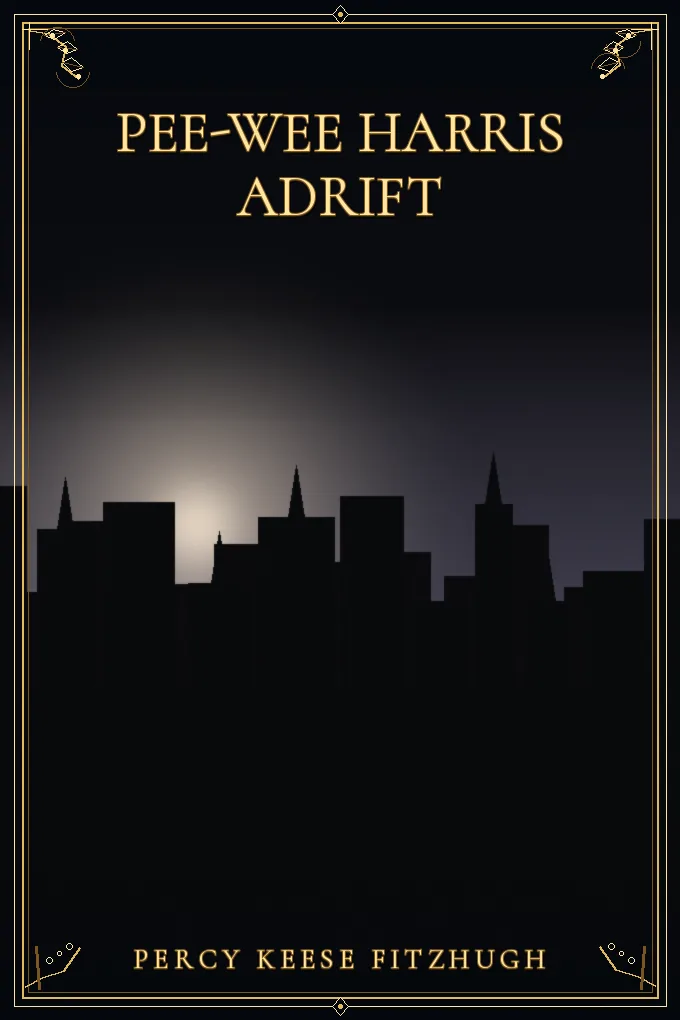
Cover illustration for Pee-wee Harris Adrift
Context Illustration Reading 1/9 · 5 lines
English subtitles · tap any word to listen 1 / 5
GONE The steward (or the stew, as Townsend thenceforth called him) did not attend the party.
A preliminary tour of the grounds convinced him that adventures of his particular kind were not to be found there.
Dancing was not in his line.
Music (except the clamorous music of his own voice) he did not care for.
And he did not care to hear what Mrs. Wild had to say about the Camp-fire movement.
0:00 / 0:00
Speed 0.75x
AI-generated narration by OpenAI · Slow US English
LEARNER DICTIONARY
Archivist
/ˈɑːrkɪvɪst/
Editorial verification pending

A keeper or guardian of historical records and memories.

Pee-wee Harris Adrift

Chapter XX · Chapter 20

Chapter 20 of Pee-wee Harris Adrift is here in full — 47 sentences across 10 reading sections, with audio for every sentence and word.

Reading 1/9 · 5 reading units · Lines 1–5

Line 1
GONE The steward (or the stew, as Townsend thenceforth called him) did not attend the party.
/ɡɔːn ðə ˈstuːərd ɔːr ðə stuː æz ˈtaʊnzənd ˌðenˈsfɔːrθ kɔːld hɪm dɪd nɑːt əˈtend ðə ˈpɑːrti/
Line 2
A preliminary tour of the grounds convinced him that adventures of his particular kind were not to be found there.
/ə prɪˈlɪməneri tʊr ʌv ðə ɡraʊndz kənˈvɪnst hɪm ðæt ædˈventʃərz ʌv hɪz pərˈtɪkjələr kaɪnd wɜːr nɑːt tuː biː faʊnd ðer/
Line 3
Dancing was not in his line.
/ˈdænsɪŋ wɑːz nɑːt ɪn hɪz laɪn/
Line 4
Music (except the clamorous music of his own voice) he did not care for.
Line 5
And he did not care to hear what Mrs. Wild had to say about the Camp-fire movement.

Learner Dictionary

These definitions explain words found in the current reading and keep every example grounded in its original sentence.

Oxford-style entry order: headword, part of speech, US IPA, concise definition, contextual example, and audio.

adventures noun US /ædˈventʃərz/

plural of “adventure” — a wild and exciting undertaking (not necessarily lawful)

From this reading “A preliminary tour of the grounds convinced him that adventures of his particular kind were not to be found there.”

grounds noun US /ɡraʊndz/

your basis for belief or disbelief; knowledge on which to base belief

From this reading “A preliminary tour of the grounds convinced him that adventures of his particular kind were not to be found there.”

preliminary adjective US /prɪˈlɪməneri/

denoting an action or event preceding or in preparation for something more important

From this reading “A preliminary tour of the grounds convinced him that adventures of his particular kind were not to be found there.”

stew verb US /stuː/

be in a huff; be silent or sullen

From this reading “GONE The steward (or the stew, as Townsend thenceforth called him) did not attend the party.”

steward noun US /ˈstuːərd/

someone who manages property or other affairs for someone else

From this reading “GONE The steward (or the stew, as Townsend thenceforth called him) did not attend the party.”

thenceforth adverb US /ˌðenˈsfɔːrθ/

from that time on

From this reading “GONE The steward (or the stew, as Townsend thenceforth called him) did not attend the party.”

tour noun US /tʊr/

a journey or route all the way around a particular place or area

From this reading “A preliminary tour of the grounds convinced him that adventures of his particular kind were not to be found there.”

Townsend noun US /ˈtaʊnzənd/

United States social reformer who proposed an old-age pension sponsored by the federal government; his plan was a precursor to Social Security (1867-1960)

From this reading “GONE The steward (or the stew, as Townsend thenceforth called him) did not attend the party.”

All words in this reading · 52

Every word in these five lines is listed here, and every one of them can be played on its own.

Dictionary details are shown only when verified; these are not licensed Oxford entries.

AdeterminerUS /ə/

used before a singular noun to mean one of a group, when it is not a particular one

From this reading A preliminary tour of the grounds convinced him that adventures of his particular kind were not to be found there.

aboutprepositionUS /əˈbaʊt/

on the subject of; concerning

From this reading And he did not care to hear what Mrs. Wild had to say about the Camp-fire movement.

adventuresnounUS /ædˈventʃərz/

plural of “adventure” — a wild and exciting undertaking (not necessarily lawful)

From this reading A preliminary tour of the grounds convinced him that adventures of his particular kind were not to be found there.

AndconjunctionUS /ənd/

used to join words or parts of a sentence that go together

From this reading And he did not care to hear what Mrs. Wild had to say about the Camp-fire movement.

asconjunctionUS /æz/

at the same time that; because; in the way that

From this reading GONE The steward (or the stew, as Townsend thenceforth called him) did not attend the party.

attendverbUS /əˈtend/

be present at (meetings, church services, university), etc.

From this reading GONE The steward (or the stew, as Townsend thenceforth called him) did not attend the party.

beauxiliary verbUS /biː/

used with a past participle to form the passive, or with -ing for continuous tenses

From this reading A preliminary tour of the grounds convinced him that adventures of his particular kind were not to be found there.

calledverbUS /kɔːld/

past form of “call” — assign a specified (usually proper) proper name to

From this reading GONE The steward (or the stew, as Townsend thenceforth called him) did not attend the party.

Camp-fire

Dictionary entry pending editorial verification. Tap Listen to hear the word.

From this reading And he did not care to hear what Mrs. Wild had to say about the Camp-fire movement.

carenounUS /ker/

the work of providing treatment for or attending to someone or something

From this reading Music (except the clamorous music of his own voice) he did not care for.

clamorousadjective

conspicuously and offensively loud; given to vehement outcry

From this reading Music (except the clamorous music of his own voice) he did not care for.

convincedadjectiveUS /kənˈvɪnst/

persuaded of; very sure

From this reading A preliminary tour of the grounds convinced him that adventures of his particular kind were not to be found there.

DancingnounUS /ˈdænsɪŋ/

taking a series of rhythmical steps (and movements) in time to music

From this reading Dancing was not in his line.

didauxiliary verbUS /dɪd/

the past form of “do”, used in questions and negatives

From this reading GONE The steward (or the stew, as Townsend thenceforth called him) did not attend the party.

exceptprepositionUS /ɪkˈsept/

apart from; not including

From this reading Music (except the clamorous music of his own voice) he did not care for.

forprepositionUS /fɔːr/

intended to be given to, or used by, somebody

From this reading Music (except the clamorous music of his own voice) he did not care for.

foundverbUS /faʊnd/

set up or found

From this reading A preliminary tour of the grounds convinced him that adventures of his particular kind were not to be found there.

GONEadjectiveUS /ɡɔːn/

destroyed or killed

From this reading GONE The steward (or the stew, as Townsend thenceforth called him) did not attend the party.

groundsnounUS /ɡraʊndz/

your basis for belief or disbelief; knowledge on which to base belief

From this reading A preliminary tour of the grounds convinced him that adventures of his particular kind were not to be found there.

hadauxiliary verbUS /hæd/

the past form of “have”, used to form the past perfect

From this reading And he did not care to hear what Mrs. Wild had to say about the Camp-fire movement.

hepronounUS /hiː/

a man, boy, or male animal already mentioned, as the subject

From this reading Music (except the clamorous music of his own voice) he did not care for.

hearverbUS /hiːr/

perceive (sound) via the auditory sense

From this reading And he did not care to hear what Mrs. Wild had to say about the Camp-fire movement.

himpronounUS /hɪm/

the male already mentioned, as the object of a verb or preposition

From this reading GONE The steward (or the stew, as Townsend thenceforth called him) did not attend the party.

hisdeterminerUS /hɪz/

belonging to a man, boy, or male animal already mentioned

From this reading A preliminary tour of the grounds convinced him that adventures of his particular kind were not to be found there.

inprepositionUS /ɪn/

inside something, or within a place, period, or state

From this reading Dancing was not in his line.

kindadjectiveUS /kaɪnd/

having or showing a tender and considerate and helpful nature; used especially of persons and their behavior

From this reading A preliminary tour of the grounds convinced him that adventures of his particular kind were not to be found there.

linenounUS /laɪn/

a formation of people or things one beside another

From this reading Dancing was not in his line.

movementnounUS /ˈmuːvmənt/

a change of position that does not entail a change of location

From this reading And he did not care to hear what Mrs. Wild had to say about the Camp-fire movement.

MrsnounUS /ˈmɪsɪz/

a form of address for a married woman

From this reading And he did not care to hear what Mrs. Wild had to say about the Camp-fire movement.

MusicnounUS /ˈmjuːzɪk/

an artistic form of auditory communication incorporating instrumental or vocal tones in a structured and continuous manner

From this reading Music (except the clamorous music of his own voice) he did not care for.

notadverbUS /nɑːt/

used to make a word, phrase, or sentence negative

From this reading GONE The steward (or the stew, as Townsend thenceforth called him) did not attend the party.

ofprepositionUS /ʌv/

belonging to, or connected with, somebody or something

From this reading A preliminary tour of the grounds convinced him that adventures of his particular kind were not to be found there.

orconjunctionUS /ɔːr/

used to join alternatives or possibilities

From this reading GONE The steward (or the stew, as Townsend thenceforth called him) did not attend the party.

ownverbUS /oʊn/

have ownership or possession of

From this reading Music (except the clamorous music of his own voice) he did not care for.

particularadjectiveUS /pərˈtɪkjələr/

unique or specific to a person or thing or category

From this reading A preliminary tour of the grounds convinced him that adventures of his particular kind were not to be found there.

partynounUS /ˈpɑːrti/

an organization to gain political power

From this reading GONE The steward (or the stew, as Townsend thenceforth called him) did not attend the party.

preliminaryadjectiveUS /prɪˈlɪməneri/

denoting an action or event preceding or in preparation for something more important

From this reading A preliminary tour of the grounds convinced him that adventures of his particular kind were not to be found there.

sayverbUS /seɪ/

express in words

From this reading And he did not care to hear what Mrs. Wild had to say about the Camp-fire movement.

stewverbUS /stuː/

be in a huff; be silent or sullen

From this reading GONE The steward (or the stew, as Townsend thenceforth called him) did not attend the party.

stewardnounUS /ˈstuːərd/

someone who manages property or other affairs for someone else

From this reading GONE The steward (or the stew, as Townsend thenceforth called him) did not attend the party.

thatconjunctionUS /ðæt/

used to introduce what somebody said, thought, or felt

From this reading A preliminary tour of the grounds convinced him that adventures of his particular kind were not to be found there.

ThedeterminerUS /ðə/

used before a noun that is already known, already mentioned, or the only one of its kind

From this reading GONE The steward (or the stew, as Townsend thenceforth called him) did not attend the party.

thenceforthadverbUS /ˌðenˈsfɔːrθ/

from that time on

From this reading GONE The steward (or the stew, as Townsend thenceforth called him) did not attend the party.

thereadverbUS /ðer/

in or at that place or location

From this reading A preliminary tour of the grounds convinced him that adventures of his particular kind were not to be found there.

toparticleUS /tuː/

used before the base form of a verb to make the infinitive

From this reading A preliminary tour of the grounds convinced him that adventures of his particular kind were not to be found there.

tournounUS /tʊr/

a journey or route all the way around a particular place or area

From this reading A preliminary tour of the grounds convinced him that adventures of his particular kind were not to be found there.

TownsendnounUS /ˈtaʊnzənd/

United States social reformer who proposed an old-age pension sponsored by the federal government; his plan was a precursor to Social Security (1867-1960)

From this reading GONE The steward (or the stew, as Townsend thenceforth called him) did not attend the party.

voicenounUS /vɔɪs/

the distinctive quality or pitch or condition of a person's speech

From this reading Music (except the clamorous music of his own voice) he did not care for.

wasauxiliary verbUS /wɑːz/

the past form of “be” used with I, he, she, it, or a singular noun

From this reading Dancing was not in his line.

wereauxiliary verbUS /wɜːr/

the past form of “be” used with you, we, they, or a plural noun

From this reading A preliminary tour of the grounds convinced him that adventures of his particular kind were not to be found there.

whatpronounUS /wʌt/

used to ask for information about something

From this reading And he did not care to hear what Mrs. Wild had to say about the Camp-fire movement.

WildadjectiveUS /waɪld/

marked by extreme lack of restraint or control

From this reading And he did not care to hear what Mrs. Wild had to say about the Camp-fire movement.

Chapter 20 of Pee-wee Harris Adrift by Percy Keese Fitzhugh holds 47 sentences, grouped into 10 reading sections of at most 5 sentences. The text is the source edition, unabridged, and the chapter records which sentences cover which part of the work so that nothing is dropped. Every word can be tapped for its pronunciation and dictionary entry.

What does chapter 20 of Pee-wee Harris Adrift contain?

Chapter 20 holds 47 sentences of Pee-wee Harris Adrift, unabridged, divided into 10 reading sections.

This page carries chapter 20 of Pee-wee Harris Adrift by Percy Keese Fitzhugh exactly as it stands in the source edition, without abridgement. It runs to 47 sentences, grouped into 10 sections of at most 5 sentences so that a reader can take the chapter in steady, finishable pieces. The chapter also stores a coverage record mapping every one of its sentences to a part of the work, which is how the edition demonstrates that no line was dropped.

How do I study chapter 20 of Pee-wee Harris Adrift?

Work through the 10 sections in order, replaying any sentence and tapping unfamiliar words for their entries.

Each of the 10 sections in this chapter is short enough to read once, hear once, and then re-read with the vocabulary in view. Tapping a word plays it alone and opens its dictionary entry with IPA, part of speech and meaning, so the reader is never forced to guess a pronunciation from spelling. Working section by section keeps a long chapter from becoming an undifferentiated wall of text, which is the usual reason a reader abandons a work of this period.

Can chapter 20 be read aloud to me?

Yes — every sentence and every individual word in chapter 20 can be played aloud in United States English.

Audio covers the whole chapter: any sentence can be played, and any single word within it can be played on its own. The voice uses United States English. For a work of this period that matters, because spelling is an unreliable guide to pronunciation for vocabulary that has fallen out of daily use, and a learner who guesses wrong tends to keep the error. Hearing the word in its own sentence, and then alone, settles it.

Questions about reading Pee-wee Harris Adrift

Common questions about reading Pee-wee Harris Adrift by Percy Keese Fitzhugh on this page, its source edition and its audio.

Is this the complete text of Pee-wee Harris Adrift?

Yes. All 2486 sentences of Project Gutenberg eBook #17767 are kept, with a record of which sentences cover which part.

Which edition of Pee-wee Harris Adrift is used?

Project Gutenberg eBook #17767, unabridged. The Project Gutenberg header, footer and licence are removed.

How long does Pee-wee Harris Adrift take to read?

About 207 minutes of reading across 498 sections of 5 sentences each, at an unhurried pace.

How to read Pee-wee Harris Adrift section by section

How to work through Pee-wee Harris Adrift section by section, using the audio and the tap-to-define vocabulary.

  1. Open a chapter

    Choose one of the 34 chapters of Pee-wee Harris Adrift to begin.

  2. Read one section

    Each section holds 5 sentences; read it once through.

  3. Listen and tap

    Play the section aloud, then tap any unfamiliar word for its entry.

Vocabulary met early in Pee-wee Harris Adrift

Words and structures a reader meets early in Pee-wee Harris Adrift, each tappable for pronunciation and meaning.

Pee-wee
A word that appears in the opening chapter of Pee-wee Harris Adrift; the reader can tap it to hear it and see its dictionary entry.
Harris
A word that appears in the opening chapter of Pee-wee Harris Adrift; the reader can tap it to hear it and see its dictionary entry.
Returned
A word that appears in the opening chapter of Pee-wee Harris Adrift; the reader can tap it to hear it and see its dictionary entry.
Temple
A word that appears in the opening chapter of Pee-wee Harris Adrift; the reader can tap it to hear it and see its dictionary entry.