Complete classic literature • Five-line readings • Clear US narration
VELMORA ACADEMY
Academy of Archival Languages & Memory Studies
Menu Close
Penny Nichols Finds a Clue

Chapter XII

Chapter 12 of Penny Nichols Finds a Clue is here in full — 173 sentences across 35 reading sections, with audio for every sentence and word.

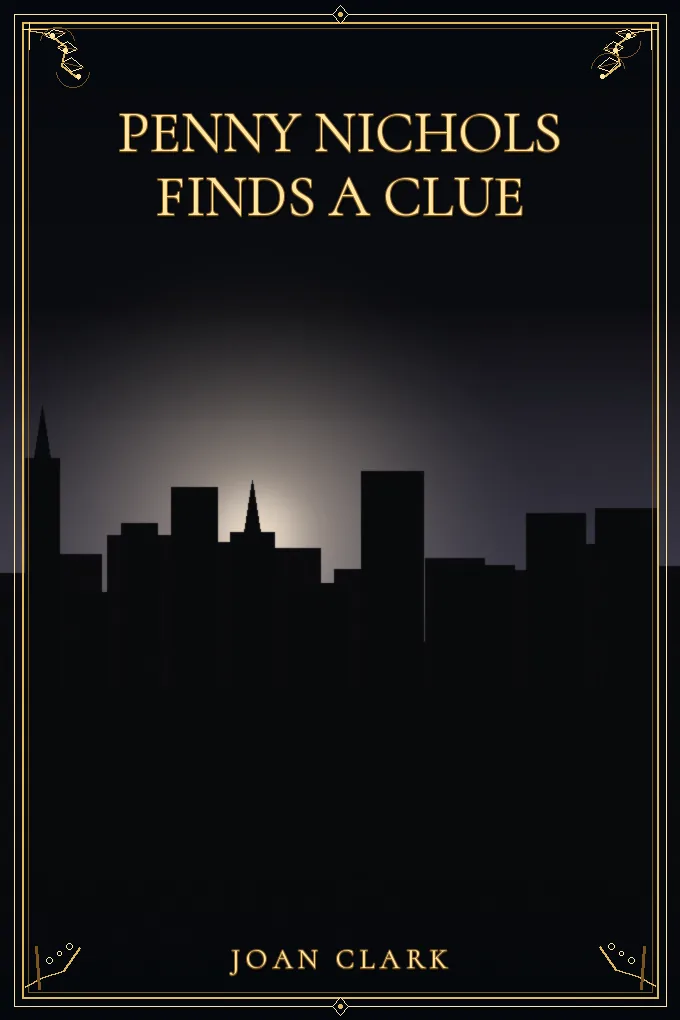
Cover illustration for Penny Nichols Finds a Clue
Context Illustration Reading 1/34 · 5 lines
English subtitles · tap any word to listen 1 / 5
Kidnapped As a dark colored cab stopped in front of the Nichols residence, Penny ran to the curbing before the driver could alight.
"You were sent here to take me to my father?" she asked.
"Yes, Miss."
The driver kept his head lowered so that Penny could not see his face clearly, but she was too troubled to notice anything wrong.
"Is Father badly hurt?" she questioned anxiously.
0:00 / 0:00
Speed 0.75x
AI-generated narration by OpenAI · Slow US English
LEARNER DICTIONARY
Archivist
/ˈɑːrkɪvɪst/
Editorial verification pending

A keeper or guardian of historical records and memories.

Penny Nichols Finds a Clue

Chapter XII

Chapter 12 of Penny Nichols Finds a Clue is here in full — 173 sentences across 35 reading sections, with audio for every sentence and word.

Reading 1/34 · 5 reading units · Lines 1–5

Line 1
Kidnapped As a dark colored cab stopped in front of the Nichols residence, Penny ran to the curbing before the driver could alight.
Line 2
"You were sent here to take me to my father?" she asked.
/juː wɜːr sent hiːr tuː teɪk miː tuː maɪ ˈfɑːðər ʃiː æskt/
Line 3
"Yes, Miss."
/jes mɪs/
Line 4
The driver kept his head lowered so that Penny could not see his face clearly, but she was too troubled to notice anything wrong.
/ðə ˈdraɪvər kept hɪz hed ˈloʊərd soʊ ðæt ˈpeni kʊd nɑːt siː hɪz feɪs ˈklɪrli bʌt ʃiː wɑːz tuː ˈtrʌbəld tuː ˈnoʊtəs ˈeniθɪŋ rɔːŋ/
Line 5
"Is Father badly hurt?" she questioned anxiously.
/ɪz ˈfɑːðər ˈbædli hɜːrt ʃiː ˈkwestʃənd ˈæŋkʃəsli/

Learner Dictionary

These definitions explain words found in the current reading and keep every example grounded in its original sentence.

Oxford-style entry order: headword, part of speech, US IPA, concise definition, contextual example, and audio.

alight verb US /əˈlaɪt/

to come to rest, settle

From this reading “Kidnapped As a dark colored cab stopped in front of the Nichols residence, Penny ran to the curbing before the driver could alight.”

cab noun US /kæb/

a compartment at the front of a motor vehicle or locomotive where driver sits

From this reading “Kidnapped As a dark colored cab stopped in front of the Nichols residence, Penny ran to the curbing before the driver could alight.”

colored adjective US /ˈkʌlərd/

having color or a certain color; sometimes used in combination

From this reading “Kidnapped As a dark colored cab stopped in front of the Nichols residence, Penny ran to the curbing before the driver could alight.”

curbing noun US /ˈkɜːrbɪŋ/

an edge between a sidewalk and a roadway consisting of a line of curbstones (usually forming part of a gutter)

From this reading “Kidnapped As a dark colored cab stopped in front of the Nichols residence, Penny ran to the curbing before the driver could alight.”

Kidnapped verb US /ˈkɪdnæpt/

inflected form of “kidnap” — take away to an undisclosed location against their will and usually in order to extract a ransom

From this reading “Kidnapped As a dark colored cab stopped in front of the Nichols residence, Penny ran to the curbing before the driver could alight.”

lowered adjective US /ˈloʊərd/

below the surround or below the normal position

From this reading “The driver kept his head lowered so that Penny could not see his face clearly, but she was too troubled to notice anything wrong.”

Penny noun US /ˈpeni/

a fractional monetary unit of Ireland and the United Kingdom; equal to one hundredth of a pound

From this reading “Kidnapped As a dark colored cab stopped in front of the Nichols residence, Penny ran to the curbing before the driver could alight.”

residence noun US /ˈrezɪdəns/

any address at which you dwell more than temporarily

From this reading “Kidnapped As a dark colored cab stopped in front of the Nichols residence, Penny ran to the curbing before the driver could alight.”

Word partnerships in these lines

English keeps certain words together, and knowing the pair is worth more than knowing each word alone. Every partnership below was counted across our whole published library, and earns its place by appearing far more often than two unrelated words of the same frequency would.

Shown as this reading writes them, with the form the library counts, what kind of pairing it is, and how often it occurs.

in front preposition + noun

at or in the front

In this reading “Kidnapped As a dark colored cab stopped in front of the Nichols residence, Penny ran to the curbing before the driver could alight.”

All words in this reading · 55

Every word in these five lines is listed here, and every one of them can be played on its own.

Dictionary details are shown only when verified; these are not licensed Oxford entries.

adeterminerUS /ə/

used before a singular noun to mean one of a group, when it is not a particular one

From this reading Kidnapped As a dark colored cab stopped in front of the Nichols residence, Penny ran to the curbing before the driver could alight.

alightverbUS /əˈlaɪt/

to come to rest, settle

From this reading Kidnapped As a dark colored cab stopped in front of the Nichols residence, Penny ran to the curbing before the driver could alight.

anxiouslyadverbUS /ˈæŋkʃəsli/

with anxiety or apprehension

From this reading "Is Father badly hurt?" she questioned anxiously.

anythingpronounUS /ˈeniθɪŋ/

any thing at all

From this reading The driver kept his head lowered so that Penny could not see his face clearly, but she was too troubled to notice anything wrong.

AsconjunctionUS /æz/

at the same time that; because; in the way that

From this reading Kidnapped As a dark colored cab stopped in front of the Nichols residence, Penny ran to the curbing before the driver could alight.

askedverbUS /æskt/

past form of “ask” — make a request or demand for something to somebody

From this reading "You were sent here to take me to my father?" she asked.

badlyadverbUS /ˈbædli/

to a severe or serious degree

From this reading "Is Father badly hurt?" she questioned anxiously.

beforeprepositionUS /bɪˈfɔːr/

earlier than; in front of

From this reading Kidnapped As a dark colored cab stopped in front of the Nichols residence, Penny ran to the curbing before the driver could alight.

butconjunctionUS /bʌt/

used to introduce something that contrasts with what came before

From this reading The driver kept his head lowered so that Penny could not see his face clearly, but she was too troubled to notice anything wrong.

cabnounUS /kæb/

a compartment at the front of a motor vehicle or locomotive where driver sits

From this reading Kidnapped As a dark colored cab stopped in front of the Nichols residence, Penny ran to the curbing before the driver could alight.

clearlyadverbUS /ˈklɪrli/

without doubt or question

From this reading The driver kept his head lowered so that Penny could not see his face clearly, but she was too troubled to notice anything wrong.

coloredadjectiveUS /ˈkʌlərd/

having color or a certain color; sometimes used in combination

From this reading Kidnapped As a dark colored cab stopped in front of the Nichols residence, Penny ran to the curbing before the driver could alight.

couldmodal verbUS /kʊd/

the past of “can”; used for possibility or polite requests

From this reading Kidnapped As a dark colored cab stopped in front of the Nichols residence, Penny ran to the curbing before the driver could alight.

curbingnounUS /ˈkɜːrbɪŋ/

an edge between a sidewalk and a roadway consisting of a line of curbstones (usually forming part of a gutter)

From this reading Kidnapped As a dark colored cab stopped in front of the Nichols residence, Penny ran to the curbing before the driver could alight.

darknounUS /dɑːrk/

absence of light or illumination

From this reading Kidnapped As a dark colored cab stopped in front of the Nichols residence, Penny ran to the curbing before the driver could alight.

drivernounUS /ˈdraɪvər/

the operator of a motor vehicle

From this reading Kidnapped As a dark colored cab stopped in front of the Nichols residence, Penny ran to the curbing before the driver could alight.

facenounUS /feɪs/

the front of the human head from the forehead to the chin and ear to ear

From this reading The driver kept his head lowered so that Penny could not see his face clearly, but she was too troubled to notice anything wrong.

fathernounUS /ˈfɑːðər/

a male parent (also used as a term of address to your father)

From this reading "You were sent here to take me to my father?" she asked.

frontnounUS /frʌnt/

the side that is forward or prominent

From this reading Kidnapped As a dark colored cab stopped in front of the Nichols residence, Penny ran to the curbing before the driver could alight.

headnounUS /hed/

the upper part of the human body or the front part of the body in animals; contains the face and brains

From this reading The driver kept his head lowered so that Penny could not see his face clearly, but she was too troubled to notice anything wrong.

hereadverbUS /hiːr/

in or at this place; where the speaker or writer is

From this reading "You were sent here to take me to my father?" she asked.

hisdeterminerUS /hɪz/

belonging to a man, boy, or male animal already mentioned

From this reading The driver kept his head lowered so that Penny could not see his face clearly, but she was too troubled to notice anything wrong.

hurtverbUS /hɜːrt/

be the source of pain

From this reading "Is Father badly hurt?" she questioned anxiously.

inprepositionUS /ɪn/

inside something, or within a place, period, or state

From this reading Kidnapped As a dark colored cab stopped in front of the Nichols residence, Penny ran to the curbing before the driver could alight.

Isauxiliary verbUS /ɪz/

the form of “be” used with he, she, it, or a singular noun

From this reading "Is Father badly hurt?" she questioned anxiously.

keptadjectiveUS /kept/

(especially of promises or contracts) not violated or disregarded

From this reading The driver kept his head lowered so that Penny could not see his face clearly, but she was too troubled to notice anything wrong.

KidnappedverbUS /ˈkɪdnæpt/

inflected form of “kidnap” — take away to an undisclosed location against their will and usually in order to extract a ransom

From this reading Kidnapped As a dark colored cab stopped in front of the Nichols residence, Penny ran to the curbing before the driver could alight.

loweredadjectiveUS /ˈloʊərd/

below the surround or below the normal position

From this reading The driver kept his head lowered so that Penny could not see his face clearly, but she was too troubled to notice anything wrong.

mepronounUS /miː/

the person speaking, as the object of a verb or preposition

From this reading "You were sent here to take me to my father?" she asked.

MissverbUS /mɪs/

fail to perceive or to catch with the senses or the mind

From this reading "Yes, Miss."

mydeterminerUS /maɪ/

belonging to the person speaking

From this reading "You were sent here to take me to my father?" she asked.

Nichols

Dictionary entry pending editorial verification. Tap Listen to hear the word.

From this reading Kidnapped As a dark colored cab stopped in front of the Nichols residence, Penny ran to the curbing before the driver could alight.

notadverbUS /nɑːt/

used to make a word, phrase, or sentence negative

From this reading The driver kept his head lowered so that Penny could not see his face clearly, but she was too troubled to notice anything wrong.

noticenounUS /ˈnoʊtəs/

an announcement containing information about an event

From this reading The driver kept his head lowered so that Penny could not see his face clearly, but she was too troubled to notice anything wrong.

ofprepositionUS /ʌv/

belonging to, or connected with, somebody or something

From this reading Kidnapped As a dark colored cab stopped in front of the Nichols residence, Penny ran to the curbing before the driver could alight.

PennynounUS /ˈpeni/

a fractional monetary unit of Ireland and the United Kingdom; equal to one hundredth of a pound

From this reading Kidnapped As a dark colored cab stopped in front of the Nichols residence, Penny ran to the curbing before the driver could alight.

questionedverbUS /ˈkwestʃənd/

past form of “question” — challenge the accuracy, probity, or propriety of

From this reading "Is Father badly hurt?" she questioned anxiously.

ranverbUS /ræn/

inflected form of “run” — move fast by using one's feet, with one foot off the ground at any given time

From this reading Kidnapped As a dark colored cab stopped in front of the Nichols residence, Penny ran to the curbing before the driver could alight.

residencenounUS /ˈrezɪdəns/

any address at which you dwell more than temporarily

From this reading Kidnapped As a dark colored cab stopped in front of the Nichols residence, Penny ran to the curbing before the driver could alight.

seeverbUS /siː/

perceive by sight or have the power to perceive by sight

From this reading The driver kept his head lowered so that Penny could not see his face clearly, but she was too troubled to notice anything wrong.

sentnounUS /sent/

100 senti equal 1 kroon in Estonia

From this reading "You were sent here to take me to my father?" she asked.

shepronounUS /ʃiː/

a woman, girl, or female animal already mentioned, as the subject

From this reading "You were sent here to take me to my father?" she asked.

soconjunctionUS /soʊ/

for that reason; with the result that

From this reading The driver kept his head lowered so that Penny could not see his face clearly, but she was too troubled to notice anything wrong.

stoppedadjectiveUS /stɑːpt/

(of a nose) blocked

From this reading Kidnapped As a dark colored cab stopped in front of the Nichols residence, Penny ran to the curbing before the driver could alight.

takeverbUS /teɪk/

carry out

From this reading "You were sent here to take me to my father?" she asked.

thatconjunctionUS /ðæt/

used to introduce what somebody said, thought, or felt

From this reading The driver kept his head lowered so that Penny could not see his face clearly, but she was too troubled to notice anything wrong.

thedeterminerUS /ðə/

used before a noun that is already known, already mentioned, or the only one of its kind

From this reading Kidnapped As a dark colored cab stopped in front of the Nichols residence, Penny ran to the curbing before the driver could alight.

toparticleUS /tuː/

used before the base form of a verb to make the infinitive

From this reading Kidnapped As a dark colored cab stopped in front of the Nichols residence, Penny ran to the curbing before the driver could alight.

tooadverbUS /tuː/

to a degree exceeding normal or proper limits

From this reading The driver kept his head lowered so that Penny could not see his face clearly, but she was too troubled to notice anything wrong.

troubledadjectiveUS /ˈtrʌbəld/

characterized by or indicative of distress or affliction or danger or need

From this reading The driver kept his head lowered so that Penny could not see his face clearly, but she was too troubled to notice anything wrong.

wasauxiliary verbUS /wɑːz/

the past form of “be” used with I, he, she, it, or a singular noun

From this reading The driver kept his head lowered so that Penny could not see his face clearly, but she was too troubled to notice anything wrong.

wereauxiliary verbUS /wɜːr/

the past form of “be” used with you, we, they, or a plural noun

From this reading "You were sent here to take me to my father?" she asked.

wrongadjectiveUS /rɔːŋ/

not correct; not in conformity with fact or truth

From this reading The driver kept his head lowered so that Penny could not see his face clearly, but she was too troubled to notice anything wrong.

YesnounUS /jes/

an affirmative

From this reading "Yes, Miss."

YoupronounUS /juː/

the person or people being spoken to

From this reading "You were sent here to take me to my father?" she asked.

Chapter 12 of Penny Nichols Finds a Clue by Joan Clark holds 173 sentences, grouped into 35 reading sections of at most 5 sentences. The text is the source edition, unabridged, and the chapter records which sentences cover which part of the work so that nothing is dropped. Every word can be tapped for its pronunciation and dictionary entry.

What does chapter 12 of Penny Nichols Finds a Clue contain?

Chapter 12 holds 173 sentences of Penny Nichols Finds a Clue, unabridged, divided into 35 reading sections.

This page carries chapter 12 of Penny Nichols Finds a Clue by Joan Clark exactly as it stands in the source edition, without abridgement. It runs to 173 sentences, grouped into 35 sections of at most 5 sentences so that a reader can take the chapter in steady, finishable pieces. The chapter also stores a coverage record mapping every one of its sentences to a part of the work, which is how the edition demonstrates that no line was dropped.

How do I study chapter 12 of Penny Nichols Finds a Clue?

Work through the 35 sections in order, replaying any sentence and tapping unfamiliar words for their entries.

Each of the 35 sections in this chapter is short enough to read once, hear once, and then re-read with the vocabulary in view. Tapping a word plays it alone and opens its dictionary entry with IPA, part of speech and meaning, so the reader is never forced to guess a pronunciation from spelling. Working section by section keeps a long chapter from becoming an undifferentiated wall of text, which is the usual reason a reader abandons a work of this period.

Can chapter 12 be read aloud to me?

Yes — every sentence and every individual word in chapter 12 can be played aloud in United States English.

Audio covers the whole chapter: any sentence can be played, and any single word within it can be played on its own. The voice uses United States English. For a work of this period that matters, because spelling is an unreliable guide to pronunciation for vocabulary that has fallen out of daily use, and a learner who guesses wrong tends to keep the error. Hearing the word in its own sentence, and then alone, settles it.

Questions about reading Penny Nichols Finds a Clue

Common questions about reading Penny Nichols Finds a Clue by Joan Clark on this page, its source edition and its audio.

Is this the complete text of Penny Nichols Finds a Clue?

Yes. All 3480 sentences of Project Gutenberg eBook #33381 are kept, with a record of which sentences cover which part.

Which edition of Penny Nichols Finds a Clue is used?

Project Gutenberg eBook #33381, unabridged. The Project Gutenberg header, footer and licence are removed.

How long does Penny Nichols Finds a Clue take to read?

About 290 minutes of reading across 696 sections of 5 sentences each, at an unhurried pace.

How to read Penny Nichols Finds a Clue section by section

How to work through Penny Nichols Finds a Clue section by section, using the audio and the tap-to-define vocabulary.

  1. Open a chapter

    Choose one of the 20 chapters of Penny Nichols Finds a Clue to begin.

  2. Read one section

    Each section holds 5 sentences; read it once through.

  3. Listen and tap

    Play the section aloud, then tap any unfamiliar word for its entry.

Vocabulary met early in Penny Nichols Finds a Clue

Words and structures a reader meets early in Penny Nichols Finds a Clue, each tappable for pronunciation and meaning.

Penny
A word that appears in the opening chapter of Penny Nichols Finds a Clue; the reader can tap it to hear it and see its dictionary entry.
Nichols
A word that appears in the opening chapter of Penny Nichols Finds a Clue; the reader can tap it to hear it and see its dictionary entry.
Flung
A word that appears in the opening chapter of Penny Nichols Finds a Clue; the reader can tap it to hear it and see its dictionary entry.
Office
A word that appears in the opening chapter of Penny Nichols Finds a Clue; the reader can tap it to hear it and see its dictionary entry.