Complete classic literature • Five-line readings • Clear US narration
VELMORA ACADEMY
Academy of Archival Languages & Memory Studies
Menu Close
Potterism: A Tragi-Farcical Tract

Chapter III · Chapter 3

Chapter 3 of Potterism: A Tragi-Farcical Tract is here in full — 247 sentences across 50 reading sections, with audio for every sentence and word.

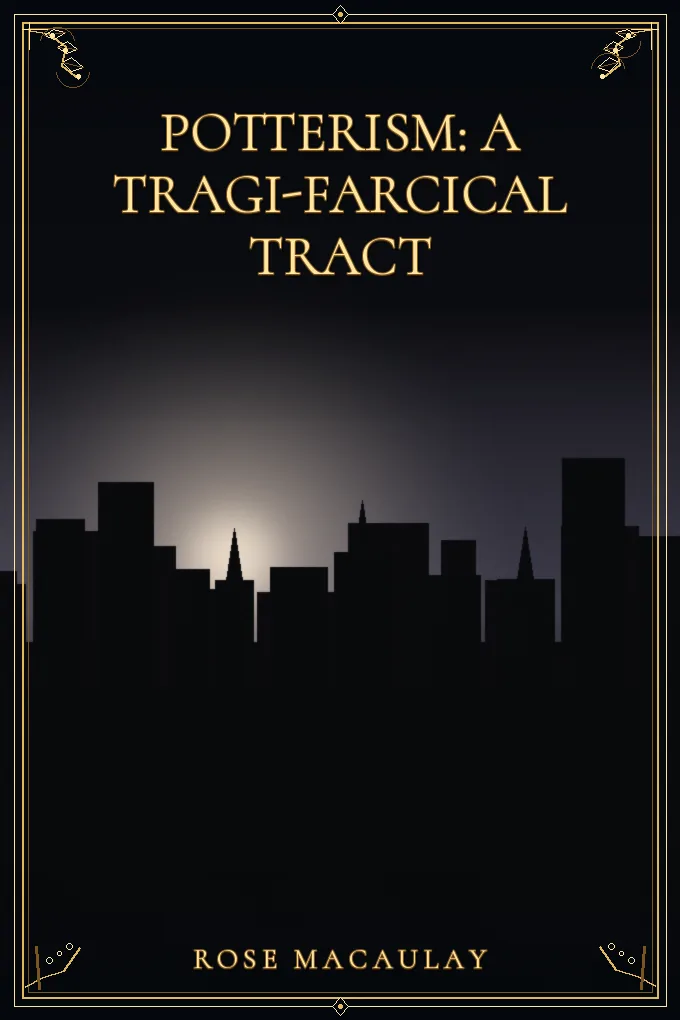
Cover illustration for Potterism: A Tragi-Farcical Tract
Context Illustration Reading 1/49 · 5 lines
English subtitles · tap any word to listen 1 / 5
OPPORTUNITY They did not know then about people in general going to the war.
They thought it was just for the army and navy, not for ordinary people.
That idea came a little later, after the Anti-Potter party had broken up and gone home.
The young men began to enlist and get commissions.
It was done; it was the correct idea.
0:00 / 0:00
Speed 0.75x
AI-generated narration by OpenAI · Slow US English
LEARNER DICTIONARY
Archivist
/ˈɑːrkɪvɪst/
Editorial verification pending

A keeper or guardian of historical records and memories.

Potterism: A Tragi-Farcical Tract

Chapter III · Chapter 3

Chapter 3 of Potterism: A Tragi-Farcical Tract is here in full — 247 sentences across 50 reading sections, with audio for every sentence and word.

Reading 1/49 · 5 reading units · Lines 1–5

Line 1
OPPORTUNITY They did not know then about people in general going to the war.
/ˌɑːpərˈtuːnəti ðeɪ dɪd nɑːt noʊ ðen əˈbaʊt ˈpiːpəl ɪn ˈdʒenərəl ˈɡoʊɪŋ tuː ðə wɔːr/
Line 2
They thought it was just for the army and navy, not for ordinary people.
/ðeɪ θɔːt ɪt wɑːz dʒʌst fɔːr ðə ˈɑːrmi ənd ˈneɪvi nɑːt fɔːr ˈɔːrdəneri ˈpiːpəl/
Line 3
That idea came a little later, after the Anti-Potter party had broken up and gone home.
Line 4
The young men began to enlist and get commissions.
/ðə jʌŋ men bɪˈɡæn tuː ˌenˈlɪst ənd ɡet kəˈmɪʃənz/
Line 5
It was done; it was the correct idea.
/ɪt wɑːz dʌn ɪt wɑːz ðə kərˈekt aɪˈdiːə/

Learner Dictionary

These definitions explain words found in the current reading and keep every example grounded in its original sentence.

Oxford-style entry order: headword, part of speech, US IPA, concise definition, contextual example, and audio.

army noun US /ˈɑːrmi/

a permanent organization of the military land forces of a nation or state

From this reading “They thought it was just for the army and navy, not for ordinary people.”

broken adjective US /ˈbroʊkən/

physically and forcibly separated into pieces or cracked or split

From this reading “That idea came a little later, after the Anti-Potter party had broken up and gone home.”

commissions noun US /kəˈmɪʃənz/

plural of “commission” — a special group delegated to consider some matter

From this reading “The young men began to enlist and get commissions.”

correct verb US /kərˈekt/

make right or correct

From this reading “It was done; it was the correct idea.”

enlist verb US /ˌenˈlɪst/

join the military

From this reading “The young men began to enlist and get commissions.”

navy noun US /ˈneɪvi/

an organization of military vessels belonging to a country and available for sea warfare

From this reading “They thought it was just for the army and navy, not for ordinary people.”

opportunity noun US /ˌɑːpərˈtuːnəti/

a possibility due to a favorable combination of circumstances

From this reading “OPPORTUNITY They did not know then about people in general going to the war.”

ordinary noun US /ˈɔːrdəneri/

a judge of a probate court

From this reading “They thought it was just for the army and navy, not for ordinary people.”

All words in this reading · 45

Every word in these five lines is listed here, and every one of them can be played on its own.

Dictionary details are shown only when verified; these are not licensed Oxford entries.

adeterminerUS /ə/

used before a singular noun to mean one of a group, when it is not a particular one

From this reading That idea came a little later, after the Anti-Potter party had broken up and gone home.

aboutprepositionUS /əˈbaʊt/

on the subject of; concerning

From this reading OPPORTUNITY They did not know then about people in general going to the war.

afterprepositionUS /ˈæftər/

later than; following

From this reading That idea came a little later, after the Anti-Potter party had broken up and gone home.

andconjunctionUS /ənd/

used to join words or parts of a sentence that go together

From this reading They thought it was just for the army and navy, not for ordinary people.

Anti-Potter

Dictionary entry pending editorial verification. Tap Listen to hear the word.

From this reading That idea came a little later, after the Anti-Potter party had broken up and gone home.

armynounUS /ˈɑːrmi/

a permanent organization of the military land forces of a nation or state

From this reading They thought it was just for the army and navy, not for ordinary people.

beganverbUS /bɪˈɡæn/

inflected form of “begin” — take the first step or steps in carrying out an action

From this reading The young men began to enlist and get commissions.

brokenadjectiveUS /ˈbroʊkən/

physically and forcibly separated into pieces or cracked or split

From this reading That idea came a little later, after the Anti-Potter party had broken up and gone home.

cameverbUS /keɪm/

inflected form of “come” — move toward, travel toward something or somebody or approach something or somebody

From this reading That idea came a little later, after the Anti-Potter party had broken up and gone home.

commissionsnounUS /kəˈmɪʃənz/

plural of “commission” — a special group delegated to consider some matter

From this reading The young men began to enlist and get commissions.

correctverbUS /kərˈekt/

make right or correct

From this reading It was done; it was the correct idea.

didauxiliary verbUS /dɪd/

the past form of “do”, used in questions and negatives

From this reading OPPORTUNITY They did not know then about people in general going to the war.

doneadjectiveUS /dʌn/

having finished or arrived at completion

From this reading It was done; it was the correct idea.

enlistverbUS /ˌenˈlɪst/

join the military

From this reading The young men began to enlist and get commissions.

forprepositionUS /fɔːr/

intended to be given to, or used by, somebody

From this reading They thought it was just for the army and navy, not for ordinary people.

generaladjectiveUS /ˈdʒenərəl/

applying to all or most members of a category or group

From this reading OPPORTUNITY They did not know then about people in general going to the war.

getverbUS /ɡet/

come into the possession of something concrete or abstract

From this reading The young men began to enlist and get commissions.

goingnounUS /ˈɡoʊɪŋ/

the act of departing

From this reading OPPORTUNITY They did not know then about people in general going to the war.

goneadjectiveUS /ɡɔːn/

destroyed or killed

From this reading That idea came a little later, after the Anti-Potter party had broken up and gone home.

hadauxiliary verbUS /hæd/

the past form of “have”, used to form the past perfect

From this reading That idea came a little later, after the Anti-Potter party had broken up and gone home.

homenounUS /hoʊm/

where you live at a particular time

From this reading That idea came a little later, after the Anti-Potter party had broken up and gone home.

ideanounUS /aɪˈdiːə/

the content of cognition; the main thing you are thinking about

From this reading That idea came a little later, after the Anti-Potter party had broken up and gone home.

inprepositionUS /ɪn/

inside something, or within a place, period, or state

From this reading OPPORTUNITY They did not know then about people in general going to the war.

itpronounUS /ɪt/

a thing, animal, or idea already mentioned

From this reading They thought it was just for the army and navy, not for ordinary people.

justadverbUS /dʒʌst/

and nothing more

From this reading They thought it was just for the army and navy, not for ordinary people.

knowverbUS /noʊ/

be cognizant or aware of a fact or a specific piece of information; possess knowledge or information about

From this reading OPPORTUNITY They did not know then about people in general going to the war.

lateradverbUS /ˈleɪtər/

happening at a time subsequent to a reference time

From this reading That idea came a little later, after the Anti-Potter party had broken up and gone home.

littleadjectiveUS /ˈlɪtəl/

limited or below average in number or quantity or magnitude or extent

From this reading That idea came a little later, after the Anti-Potter party had broken up and gone home.

mennounUS /men/

the force of workers available

From this reading The young men began to enlist and get commissions.

navynounUS /ˈneɪvi/

an organization of military vessels belonging to a country and available for sea warfare

From this reading They thought it was just for the army and navy, not for ordinary people.

notadverbUS /nɑːt/

used to make a word, phrase, or sentence negative

From this reading OPPORTUNITY They did not know then about people in general going to the war.

OPPORTUNITYnounUS /ˌɑːpərˈtuːnəti/

a possibility due to a favorable combination of circumstances

From this reading OPPORTUNITY They did not know then about people in general going to the war.

ordinarynounUS /ˈɔːrdəneri/

a judge of a probate court

From this reading They thought it was just for the army and navy, not for ordinary people.

partynounUS /ˈpɑːrti/

an organization to gain political power

From this reading That idea came a little later, after the Anti-Potter party had broken up and gone home.

peoplenounUS /ˈpiːpəl/

(plural) any group of human beings (men or women or children) collectively

From this reading OPPORTUNITY They did not know then about people in general going to the war.

ThatconjunctionUS /ðæt/

used to introduce what somebody said, thought, or felt

From this reading That idea came a little later, after the Anti-Potter party had broken up and gone home.

thedeterminerUS /ðə/

used before a noun that is already known, already mentioned, or the only one of its kind

From this reading OPPORTUNITY They did not know then about people in general going to the war.

thenadverbUS /ðen/

subsequently or soon afterward (often used as sentence connectors)

From this reading OPPORTUNITY They did not know then about people in general going to the war.

TheypronounUS /ðeɪ/

the people, animals, or things already mentioned, as the subject

From this reading OPPORTUNITY They did not know then about people in general going to the war.

thoughtnounUS /θɔːt/

the content of cognition; the main thing you are thinking about

From this reading They thought it was just for the army and navy, not for ordinary people.

toparticleUS /tuː/

used before the base form of a verb to make the infinitive

From this reading OPPORTUNITY They did not know then about people in general going to the war.

upadjectiveUS /ʌp/

being or moving higher in position or greater in some value; being above a former position or level

From this reading That idea came a little later, after the Anti-Potter party had broken up and gone home.

warnounUS /wɔːr/

the waging of armed conflict against an enemy

From this reading OPPORTUNITY They did not know then about people in general going to the war.

wasauxiliary verbUS /wɑːz/

the past form of “be” used with I, he, she, it, or a singular noun

From this reading They thought it was just for the army and navy, not for ordinary people.

youngadjectiveUS /jʌŋ/

(used of living things especially persons) in an early period of life or development or growth

From this reading The young men began to enlist and get commissions.

Chapter 3 of Potterism: A Tragi-Farcical Tract by Rose Macaulay holds 247 sentences, grouped into 50 reading sections of at most 5 sentences. The text is the source edition, unabridged, and the chapter records which sentences cover which part of the work so that nothing is dropped. Every word can be tapped for its pronunciation and dictionary entry.

What does chapter 3 of Potterism: A Tragi-Farcical Tract contain?

Chapter 3 holds 247 sentences of Potterism: A Tragi-Farcical Tract, unabridged, divided into 50 reading sections.

This page carries chapter 3 of Potterism: A Tragi-Farcical Tract by Rose Macaulay exactly as it stands in the source edition, without abridgement. It runs to 247 sentences, grouped into 50 sections of at most 5 sentences so that a reader can take the chapter in steady, finishable pieces. The chapter also stores a coverage record mapping every one of its sentences to a part of the work, which is how the edition demonstrates that no line was dropped.

How do I study chapter 3 of Potterism: A Tragi-Farcical Tract?

Work through the 50 sections in order, replaying any sentence and tapping unfamiliar words for their entries.

Each of the 50 sections in this chapter is short enough to read once, hear once, and then re-read with the vocabulary in view. Tapping a word plays it alone and opens its dictionary entry with IPA, part of speech and meaning, so the reader is never forced to guess a pronunciation from spelling. Working section by section keeps a long chapter from becoming an undifferentiated wall of text, which is the usual reason a reader abandons a work of this period.

Can chapter 3 be read aloud to me?

Yes — every sentence and every individual word in chapter 3 can be played aloud in United States English.

Audio covers the whole chapter: any sentence can be played, and any single word within it can be played on its own. The voice uses United States English. For a work of this period that matters, because spelling is an unreliable guide to pronunciation for vocabulary that has fallen out of daily use, and a learner who guesses wrong tends to keep the error. Hearing the word in its own sentence, and then alone, settles it.

Questions about reading Potterism: A Tragi-Farcical Tract

Common questions about reading Potterism: A Tragi-Farcical Tract by Rose Macaulay on this page, its source edition and its audio.

Is this the complete text of Potterism: A Tragi-Farcical Tract?

Yes. All 0 sentences of Project Gutenberg eBook #? are kept, with a record of which sentences cover which part.

Which edition of Potterism: A Tragi-Farcical Tract is used?

Project Gutenberg eBook #?, unabridged. The Project Gutenberg header, footer and licence are removed.

How long does Potterism: A Tragi-Farcical Tract take to read?

About 5 minutes of reading across 0 sections of 5 sentences each, at an unhurried pace.

How to read Potterism: A Tragi-Farcical Tract section by section

How to work through Potterism: A Tragi-Farcical Tract section by section, using the audio and the tap-to-define vocabulary.

  1. Open a chapter

    Choose one of the 0 chapters of Potterism: A Tragi-Farcical Tract to begin.

  2. Read one section

    Each section holds 5 sentences; read it once through.

  3. Listen and tap

    Play the section aloud, then tap any unfamiliar word for its entry.

Vocabulary met early in Potterism: A Tragi-Farcical Tract

Words and structures a reader meets early in Potterism: A Tragi-Farcical Tract, each tappable for pronunciation and meaning.

Chapter 1
One of the 0 chapters of Potterism: A Tragi-Farcical Tract, divided into 5-sentence reading sections.
Chapter 2
One of the 0 chapters of Potterism: A Tragi-Farcical Tract, divided into 5-sentence reading sections.
Chapter 3
One of the 0 chapters of Potterism: A Tragi-Farcical Tract, divided into 5-sentence reading sections.