Complete classic literature • Five-line readings • Clear US narration
VELMORA ACADEMY
Academy of Archival Languages & Memory Studies
Menu Close
Potterism: A Tragi-Farcical Tract

Chapter XIII · Chapter 13

Chapter 13 of Potterism: A Tragi-Farcical Tract is here in full — 164 sentences across 33 reading sections, with audio for every sentence and word.

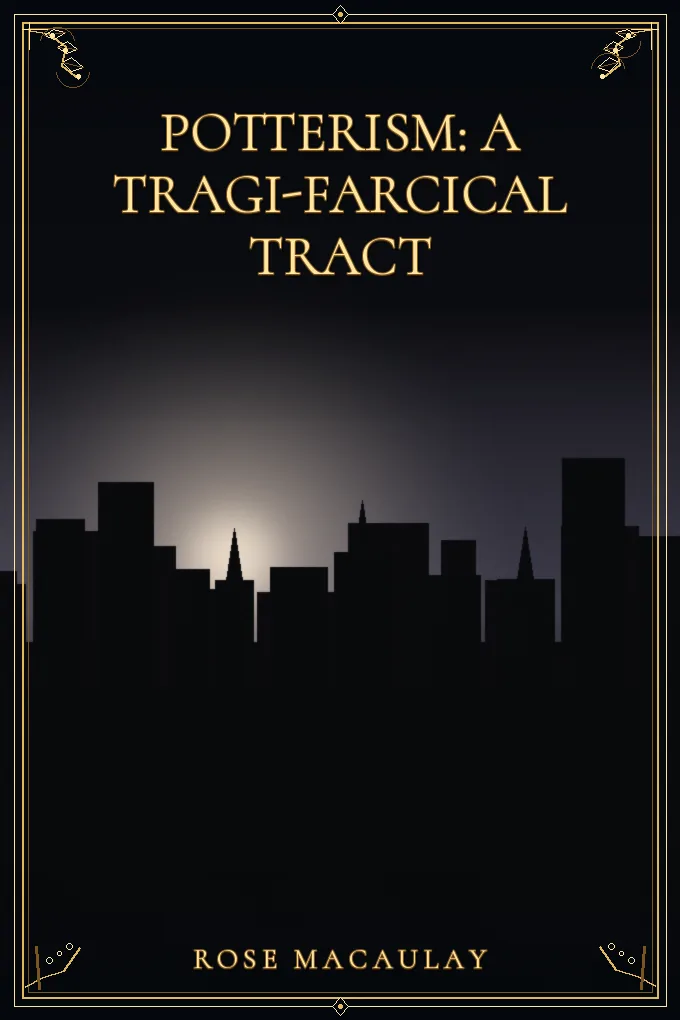
Cover illustration for Potterism: A Tragi-Farcical Tract
Context Illustration Reading 1/32 · 5 lines
English subtitles · tap any word to listen 1 / 5
ENGAGED TO BE MARRIED The fine weather ended.
Early October had been warm, full of golden light, with clear, still evenings.
Later the wind blustered, and it was cold.
Sometimes Jane felt sick; that was the baby.
But not often.
0:00 / 0:00
Speed 0.75x
AI-generated narration by OpenAI · Slow US English
LEARNER DICTIONARY
Archivist
/ˈɑːrkɪvɪst/
Editorial verification pending

A keeper or guardian of historical records and memories.

Potterism: A Tragi-Farcical Tract

Chapter XIII · Chapter 13

Chapter 13 of Potterism: A Tragi-Farcical Tract is here in full — 164 sentences across 33 reading sections, with audio for every sentence and word.

Reading 1/32 · 5 reading units · Lines 1–5

Line 1
ENGAGED TO BE MARRIED The fine weather ended.
/enˈɡeɪdʒd tuː biː ˈmerid ðə faɪn ˈweðər ˈendəd/
Line 2
Early October had been warm, full of golden light, with clear, still evenings.
/ˈɜːrli ɑːkˈtoʊbər hæd bɪn wɔːrm fʊl ʌv ˈɡoʊldən laɪt wɪð klɪr stɪl ˈiːvnɪŋz/
Line 3
Later the wind blustered, and it was cold.
Line 4
Sometimes Jane felt sick; that was the baby.
Line 5
But not often.
/bʌt nɑːt ˈɔːfən/

Learner Dictionary

These definitions explain words found in the current reading and keep every example grounded in its original sentence.

Oxford-style entry order: headword, part of speech, US IPA, concise definition, contextual example, and audio.

baby noun US /ˈbeɪbi/

a very young child (birth to 1 year) who has not yet begun to walk or talk

From this reading “Sometimes Jane felt sick; that was the baby.”

ended adjective US /ˈendəd/

having come or been brought to a conclusion

From this reading “ENGAGED TO BE MARRIED The fine weather ended.”

engaged adjective US /enˈɡeɪdʒd/

having ones attention or mind or energy engaged

From this reading “ENGAGED TO BE MARRIED The fine weather ended.”

evenings noun US /ˈiːvnɪŋz/

plural of “evening” — the latter part of the day (the period of decreasing daylight from late afternoon until nightfall)

From this reading “Early October had been warm, full of golden light, with clear, still evenings.”

golden adjective US /ˈɡoʊldən/

having the deep slightly brownish color of gold

From this reading “Early October had been warm, full of golden light, with clear, still evenings.”

October noun US /ɑːkˈtoʊbər/

the month following September and preceding November

From this reading “Early October had been warm, full of golden light, with clear, still evenings.”

sick adjective US /sɪk/

affected by an impairment of normal physical or mental function

From this reading “Sometimes Jane felt sick; that was the baby.”

weather noun US /ˈweðər/

the atmospheric conditions that comprise the state of the atmosphere in terms of temperature and wind and clouds and precipitation

From this reading “ENGAGED TO BE MARRIED The fine weather ended.”

All words in this reading · 37

Every word in these five lines is listed here, and every one of them can be played on its own.

Dictionary details are shown only when verified; these are not licensed Oxford entries.

andconjunctionUS /ənd/

used to join words or parts of a sentence that go together

From this reading Later the wind blustered, and it was cold.

babynounUS /ˈbeɪbi/

a very young child (birth to 1 year) who has not yet begun to walk or talk

From this reading Sometimes Jane felt sick; that was the baby.

BEauxiliary verbUS /biː/

used with a past participle to form the passive, or with -ing for continuous tenses

From this reading ENGAGED TO BE MARRIED The fine weather ended.

beenauxiliary verbUS /bɪn/

the past participle of “be”

From this reading Early October had been warm, full of golden light, with clear, still evenings.

blustered

Dictionary entry pending editorial verification. Tap Listen to hear the word.

From this reading Later the wind blustered, and it was cold.

ButconjunctionUS /bʌt/

used to introduce something that contrasts with what came before

From this reading But not often.

clearverbUS /klɪr/

rid of obstructions

From this reading Early October had been warm, full of golden light, with clear, still evenings.

coldadjectiveUS /koʊld/

having a low or inadequate temperature or feeling a sensation of coldness or having been made cold by e.g. ice or refrigeration

From this reading Later the wind blustered, and it was cold.

EarlyadjectiveUS /ˈɜːrli/

at or near the beginning of a period of time or course of events or before the usual or expected time

From this reading Early October had been warm, full of golden light, with clear, still evenings.

endedadjectiveUS /ˈendəd/

having come or been brought to a conclusion

From this reading ENGAGED TO BE MARRIED The fine weather ended.

ENGAGEDadjectiveUS /enˈɡeɪdʒd/

having ones attention or mind or energy engaged

From this reading ENGAGED TO BE MARRIED The fine weather ended.

eveningsnounUS /ˈiːvnɪŋz/

plural of “evening” — the latter part of the day (the period of decreasing daylight from late afternoon until nightfall)

From this reading Early October had been warm, full of golden light, with clear, still evenings.

feltverbUS /felt/

mat together and make felt-like

From this reading Sometimes Jane felt sick; that was the baby.

fineadjectiveUS /faɪn/

being satisfactory or in satisfactory condition

From this reading ENGAGED TO BE MARRIED The fine weather ended.

fulladjectiveUS /fʊl/

containing as much or as many as is possible or normal

From this reading Early October had been warm, full of golden light, with clear, still evenings.

goldenadjectiveUS /ˈɡoʊldən/

having the deep slightly brownish color of gold

From this reading Early October had been warm, full of golden light, with clear, still evenings.

hadauxiliary verbUS /hæd/

the past form of “have”, used to form the past perfect

From this reading Early October had been warm, full of golden light, with clear, still evenings.

itpronounUS /ɪt/

a thing, animal, or idea already mentioned

From this reading Later the wind blustered, and it was cold.

Jane

Dictionary entry pending editorial verification. Tap Listen to hear the word.

From this reading Sometimes Jane felt sick; that was the baby.

LateradverbUS /ˈleɪtər/

happening at a time subsequent to a reference time

From this reading Later the wind blustered, and it was cold.

lightadjectiveUS /laɪt/

of comparatively little physical weight or density

From this reading Early October had been warm, full of golden light, with clear, still evenings.

MARRIEDadjectiveUS /ˈmerid/

joined in matrimony

From this reading ENGAGED TO BE MARRIED The fine weather ended.

notadverbUS /nɑːt/

used to make a word, phrase, or sentence negative

From this reading But not often.

OctobernounUS /ɑːkˈtoʊbər/

the month following September and preceding November

From this reading Early October had been warm, full of golden light, with clear, still evenings.

ofprepositionUS /ʌv/

belonging to, or connected with, somebody or something

From this reading Early October had been warm, full of golden light, with clear, still evenings.

oftenadverbUS /ˈɔːfən/

many times at short intervals

From this reading But not often.

sickadjectiveUS /sɪk/

affected by an impairment of normal physical or mental function

From this reading Sometimes Jane felt sick; that was the baby.

SometimesadverbUS /səmˈtaɪmz/

on certain occasions or in certain cases but not always

From this reading Sometimes Jane felt sick; that was the baby.

stilladjectiveUS /stɪl/

not in physical motion

From this reading Early October had been warm, full of golden light, with clear, still evenings.

thatconjunctionUS /ðæt/

used to introduce what somebody said, thought, or felt

From this reading Sometimes Jane felt sick; that was the baby.

ThedeterminerUS /ðə/

used before a noun that is already known, already mentioned, or the only one of its kind

From this reading ENGAGED TO BE MARRIED The fine weather ended.

TOparticleUS /tuː/

used before the base form of a verb to make the infinitive

From this reading ENGAGED TO BE MARRIED The fine weather ended.

warmadjectiveUS /wɔːrm/

having or producing a comfortable and agreeable degree of heat or imparting or maintaining heat

From this reading Early October had been warm, full of golden light, with clear, still evenings.

wasauxiliary verbUS /wɑːz/

the past form of “be” used with I, he, she, it, or a singular noun

From this reading Later the wind blustered, and it was cold.

weathernounUS /ˈweðər/

the atmospheric conditions that comprise the state of the atmosphere in terms of temperature and wind and clouds and precipitation

From this reading ENGAGED TO BE MARRIED The fine weather ended.

windnounUS /waɪnd/

air moving (sometimes with considerable force) from an area of high pressure to an area of low pressure

From this reading Later the wind blustered, and it was cold.

withprepositionUS /wɪð/

in the company of; together with

From this reading Early October had been warm, full of golden light, with clear, still evenings.

Chapter 13 of Potterism: A Tragi-Farcical Tract by Rose Macaulay holds 164 sentences, grouped into 33 reading sections of at most 5 sentences. The text is the source edition, unabridged, and the chapter records which sentences cover which part of the work so that nothing is dropped. Every word can be tapped for its pronunciation and dictionary entry.

What does chapter 13 of Potterism: A Tragi-Farcical Tract contain?

Chapter 13 holds 164 sentences of Potterism: A Tragi-Farcical Tract, unabridged, divided into 33 reading sections.

This page carries chapter 13 of Potterism: A Tragi-Farcical Tract by Rose Macaulay exactly as it stands in the source edition, without abridgement. It runs to 164 sentences, grouped into 33 sections of at most 5 sentences so that a reader can take the chapter in steady, finishable pieces. The chapter also stores a coverage record mapping every one of its sentences to a part of the work, which is how the edition demonstrates that no line was dropped.

How do I study chapter 13 of Potterism: A Tragi-Farcical Tract?

Work through the 33 sections in order, replaying any sentence and tapping unfamiliar words for their entries.

Each of the 33 sections in this chapter is short enough to read once, hear once, and then re-read with the vocabulary in view. Tapping a word plays it alone and opens its dictionary entry with IPA, part of speech and meaning, so the reader is never forced to guess a pronunciation from spelling. Working section by section keeps a long chapter from becoming an undifferentiated wall of text, which is the usual reason a reader abandons a work of this period.

Can chapter 13 be read aloud to me?

Yes — every sentence and every individual word in chapter 13 can be played aloud in United States English.

Audio covers the whole chapter: any sentence can be played, and any single word within it can be played on its own. The voice uses United States English. For a work of this period that matters, because spelling is an unreliable guide to pronunciation for vocabulary that has fallen out of daily use, and a learner who guesses wrong tends to keep the error. Hearing the word in its own sentence, and then alone, settles it.

Questions about reading Potterism: A Tragi-Farcical Tract

Common questions about reading Potterism: A Tragi-Farcical Tract by Rose Macaulay on this page, its source edition and its audio.

Is this the complete text of Potterism: A Tragi-Farcical Tract?

Yes. All 0 sentences of Project Gutenberg eBook #? are kept, with a record of which sentences cover which part.

Which edition of Potterism: A Tragi-Farcical Tract is used?

Project Gutenberg eBook #?, unabridged. The Project Gutenberg header, footer and licence are removed.

How long does Potterism: A Tragi-Farcical Tract take to read?

About 5 minutes of reading across 0 sections of 5 sentences each, at an unhurried pace.

How to read Potterism: A Tragi-Farcical Tract section by section

How to work through Potterism: A Tragi-Farcical Tract section by section, using the audio and the tap-to-define vocabulary.

  1. Open a chapter

    Choose one of the 0 chapters of Potterism: A Tragi-Farcical Tract to begin.

  2. Read one section

    Each section holds 5 sentences; read it once through.

  3. Listen and tap

    Play the section aloud, then tap any unfamiliar word for its entry.

Vocabulary met early in Potterism: A Tragi-Farcical Tract

Words and structures a reader meets early in Potterism: A Tragi-Farcical Tract, each tappable for pronunciation and meaning.

Chapter 1
One of the 0 chapters of Potterism: A Tragi-Farcical Tract, divided into 5-sentence reading sections.
Chapter 2
One of the 0 chapters of Potterism: A Tragi-Farcical Tract, divided into 5-sentence reading sections.
Chapter 3
One of the 0 chapters of Potterism: A Tragi-Farcical Tract, divided into 5-sentence reading sections.