used before a singular noun to mean one of a group, when it is not a particular one
From this reading Basically the story illustrates how at that time an ordinary decent family, perhaps with its finances already a bit stretched with the effort of educating several children, would be completely ruined if the wage-earner were to die.
(usually followed by “to”) having the necessary means or skill or know-how or authority to do something
From this reading Anyone in the family group who was able to earn a little did their best to do so.
(quantifier) used with either mass or count nouns to indicate the whole number or amount of or every one of a class
From this reading If there was any income at all it might be reckoned in tens of pounds a year, and the greatest economy would have to be exercised to make this go round.
prior to a specified or implied time
From this reading Basically the story illustrates how at that time an ordinary decent family, perhaps with its finances already a bit stretched with the effort of educating several children, would be completely ruined if the wage-earner were to die.
the form of “a” used before a word that begins with a vowel sound
From this reading Basically the story illustrates how at that time an ordinary decent family, perhaps with its finances already a bit stretched with the effort of educating several children, would be completely ruined if the wage-earner were to die.
used to join words or parts of a sentence that go together
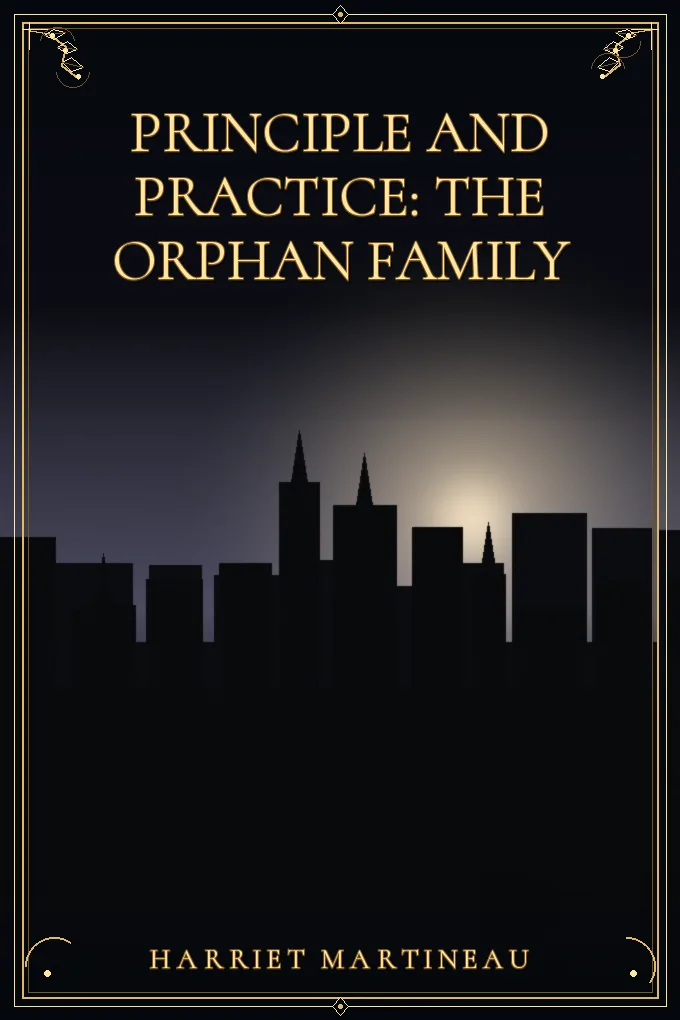
From this reading Principle and Practice, the Orphan Family, by Harriet Martineau.
one or some or every or all without specification
From this reading If there was any income at all it might be reckoned in tens of pounds a year, and the greatest economy would have to be exercised to make this go round.
any person at all
From this reading Anyone in the family group who was able to earn a little did their best to do so.
in or near a particular place or position
From this reading Basically the story illustrates how at that time an ordinary decent family, perhaps with its finances already a bit stretched with the effort of educating several children, would be completely ruined if the wage-earner were to die.
writes (books or stories or articles or the like) professionally (for pay)
From this reading ________________________________________________________________________ This book was written in the earliest part of the nineteenth century, and its author was only in her twenties when she wrote it.
BasicallyadverbUS /ˈbeɪsɪkli/
in essence; at bottom or by one's (or its) very nature
From this reading Basically the story illustrates how at that time an ordinary decent family, perhaps with its finances already a bit stretched with the effort of educating several children, would be completely ruined if the wage-earner were to die.
used with a past participle to form the passive, or with -ing for continuous tenses
From this reading Basically the story illustrates how at that time an ordinary decent family, perhaps with its finances already a bit stretched with the effort of educating several children, would be completely ruined if the wage-earner were to die.
the supreme effort one can make
From this reading Anyone in the family group who was able to earn a little did their best to do so.
a small piece or quantity of something
From this reading Basically the story illustrates how at that time an ordinary decent family, perhaps with its finances already a bit stretched with the effort of educating several children, would be completely ruined if the wage-earner were to die.
a written work or composition that has been published (printed on pages bound together)
From this reading ________________________________________________________________________ This book was written in the earliest part of the nineteenth century, and its author was only in her twenties when she wrote it.
showing who or what does the action
From this reading Principle and Practice, the Orphan Family, by Harriet Martineau.
a period of 100 years
From this reading ________________________________________________________________________ This book was written in the earliest part of the nineteenth century, and its author was only in her twenties when she wrote it.
plural of “child” — a young person of either sex
From this reading Basically the story illustrates how at that time an ordinary decent family, perhaps with its finances already a bit stretched with the effort of educating several children, would be completely ruined if the wage-earner were to die.
to a complete degree or to the full or entire extent (“whole” is often used informally for “wholly”)
From this reading Basically the story illustrates how at that time an ordinary decent family, perhaps with its finances already a bit stretched with the effort of educating several children, would be completely ruined if the wage-earner were to die.
decentadjectiveUS /ˈdiːsənt/
socially or conventionally correct; refined or virtuous
From this reading Basically the story illustrates how at that time an ordinary decent family, perhaps with its finances already a bit stretched with the effort of educating several children, would be completely ruined if the wage-earner were to die.
didauxiliary verbUS /dɪd/
the past form of “do”, used in questions and negatives
From this reading Anyone in the family group who was able to earn a little did their best to do so.
pass from physical life and lose all bodily attributes and functions necessary to sustain life
From this reading Basically the story illustrates how at that time an ordinary decent family, perhaps with its finances already a bit stretched with the effort of educating several children, would be completely ruined if the wage-earner were to die.
used to form questions and negatives, and to give emphasis
From this reading Anyone in the family group who was able to earn a little did their best to do so.
earliestadjectiveUS /ˈɜːrliəst/
(comparative and superlative of “early”) more early than; most early
From this reading ________________________________________________________________________ This book was written in the earliest part of the nineteenth century, and its author was only in her twenties when she wrote it.
earnverbUS /ɜːrn/
earn on some commercial or business transaction; earn as salary or wages
From this reading Anyone in the family group who was able to earn a little did their best to do so.
economynounUS /ɪˈkɑːnəmi/
the system of production and distribution and consumption
From this reading If there was any income at all it might be reckoned in tens of pounds a year, and the greatest economy would have to be exercised to make this go round.
educatingverbUS /ˈedʒəkeɪtɪŋ/
-ing form of “educate” — give an education to
From this reading Basically the story illustrates how at that time an ordinary decent family, perhaps with its finances already a bit stretched with the effort of educating several children, would be completely ruined if the wage-earner were to die.
earnest and conscientious activity intended to do or accomplish something
From this reading Basically the story illustrates how at that time an ordinary decent family, perhaps with its finances already a bit stretched with the effort of educating several children, would be completely ruined if the wage-earner were to die.
exercisedverbUS /ˈeksərsaɪzd/
past form of “exercise” — put to use
From this reading If there was any income at all it might be reckoned in tens of pounds a year, and the greatest economy would have to be exercised to make this go round.
a social unit living together
From this reading Principle and Practice, the Orphan Family, by Harriet Martineau.
financesnounUS /fɪˈnænsɪz/
assets in the form of money
From this reading Basically the story illustrates how at that time an ordinary decent family, perhaps with its finances already a bit stretched with the effort of educating several children, would be completely ruined if the wage-earner were to die.
change location; move, travel, or proceed, also metaphorically
From this reading If there was any income at all it might be reckoned in tens of pounds a year, and the greatest economy would have to be exercised to make this go round.
highest in quality
From this reading If there was any income at all it might be reckoned in tens of pounds a year, and the greatest economy would have to be exercised to make this go round.
any number of entities (members) considered as a unit
From this reading Anyone in the family group who was able to earn a little did their best to do so.
Harriet
Dictionary entry pending editorial verification. Tap Listen to hear the word.
From this reading Principle and Practice, the Orphan Family, by Harriet Martineau.
haveauxiliary verbUS /hæv/
used with a past participle to form the perfect tenses
From this reading If there was any income at all it might be reckoned in tens of pounds a year, and the greatest economy would have to be exercised to make this go round.
belonging to a woman, girl, or female animal already mentioned
From this reading ________________________________________________________________________ This book was written in the earliest part of the nineteenth century, and its author was only in her twenties when she wrote it.
how
Dictionary entry pending editorial verification. Tap Listen to hear the word.
From this reading Basically the story illustrates how at that time an ordinary decent family, perhaps with its finances already a bit stretched with the effort of educating several children, would be completely ruined if the wage-earner were to die.
on condition that; in the event that
From this reading Basically the story illustrates how at that time an ordinary decent family, perhaps with its finances already a bit stretched with the effort of educating several children, would be completely ruined if the wage-earner were to die.
illustratesverbUS /ˈɪləstreɪts/
third-person singular of “illustrate” — clarify by giving an example of
From this reading Basically the story illustrates how at that time an ordinary decent family, perhaps with its finances already a bit stretched with the effort of educating several children, would be completely ruined if the wage-earner were to die.
inside something, or within a place, period, or state
From this reading ________________________________________________________________________ This book was written in the earliest part of the nineteenth century, and its author was only in her twenties when she wrote it.
incomenounUS /ˈɪnkʌm/
the financial gain (earned or unearned) accruing over a given period of time
From this reading If there was any income at all it might be reckoned in tens of pounds a year, and the greatest economy would have to be exercised to make this go round.
a thing, animal, or idea already mentioned
From this reading ________________________________________________________________________ This book was written in the earliest part of the nineteenth century, and its author was only in her twenties when she wrote it.
belonging to the thing or animal already mentioned
From this reading ________________________________________________________________________ This book was written in the earliest part of the nineteenth century, and its author was only in her twenties when she wrote it.
limited or below average in number or quantity or magnitude or extent
From this reading Anyone in the family group who was able to earn a little did their best to do so.
engage in
From this reading If there was any income at all it might be reckoned in tens of pounds a year, and the greatest economy would have to be exercised to make this go round.
Martineau
Dictionary entry pending editorial verification. Tap Listen to hear the word.
From this reading Principle and Practice, the Orphan Family, by Harriet Martineau.
used to say something is possible but not certain
From this reading If there was any income at all it might be reckoned in tens of pounds a year, and the greatest economy would have to be exercised to make this go round.
nineteenthadjectiveUS /ˈnaɪnˈtiːnθ/
coming next after the eighteenth in position
From this reading ________________________________________________________________________ This book was written in the earliest part of the nineteenth century, and its author was only in her twenties when she wrote it.
belonging to, or connected with, somebody or something
From this reading ________________________________________________________________________ This book was written in the earliest part of the nineteenth century, and its author was only in her twenties when she wrote it.
and nothing more
From this reading ________________________________________________________________________ This book was written in the earliest part of the nineteenth century, and its author was only in her twenties when she wrote it.
a judge of a probate court
From this reading Basically the story illustrates how at that time an ordinary decent family, perhaps with its finances already a bit stretched with the effort of educating several children, would be completely ruined if the wage-earner were to die.
OrphannounUS /ˈɔːrfən/
a child who has lost both parents
From this reading Principle and Practice, the Orphan Family, by Harriet Martineau.
something determined in relation to something that includes it
From this reading ________________________________________________________________________ This book was written in the earliest part of the nineteenth century, and its author was only in her twenties when she wrote it.
by chance
From this reading Basically the story illustrates how at that time an ordinary decent family, perhaps with its finances already a bit stretched with the effort of educating several children, would be completely ruined if the wage-earner were to die.
plural of “pound” — 16 ounces avoirdupois
From this reading If there was any income at all it might be reckoned in tens of pounds a year, and the greatest economy would have to be exercised to make this go round.
a customary way of operation or behavior
From this reading Principle and Practice, the Orphan Family, by Harriet Martineau.
a basic generalization that is accepted as true and that can be used as a basis for reasoning or conduct
From this reading Principle and Practice, the Orphan Family, by Harriet Martineau.
reckonedverbUS /ˈrekənd/
past form of “reckon” — expect, believe, or suppose
From this reading If there was any income at all it might be reckoned in tens of pounds a year, and the greatest economy would have to be exercised to make this go round.
a charge of ammunition for a single shot
From this reading If there was any income at all it might be reckoned in tens of pounds a year, and the greatest economy would have to be exercised to make this go round.
destroyed physically or morally
From this reading Basically the story illustrates how at that time an ordinary decent family, perhaps with its finances already a bit stretched with the effort of educating several children, would be completely ruined if the wage-earner were to die.
(used with count nouns) of an indefinite number more than 2 or 3 but not many
From this reading Basically the story illustrates how at that time an ordinary decent family, perhaps with its finances already a bit stretched with the effort of educating several children, would be completely ruined if the wage-earner were to die.
a woman, girl, or female animal already mentioned, as the subject
From this reading ________________________________________________________________________ This book was written in the earliest part of the nineteenth century, and its author was only in her twenties when she wrote it.
for that reason; with the result that
From this reading Anyone in the family group who was able to earn a little did their best to do so.
a message that tells the particulars of an act or occurrence or course of events; presented in writing or drama or cinema or as a radio or television program
From this reading Basically the story illustrates how at that time an ordinary decent family, perhaps with its finances already a bit stretched with the effort of educating several children, would be completely ruined if the wage-earner were to die.
(of muscles) relieved of stiffness by stretching
From this reading Basically the story illustrates how at that time an ordinary decent family, perhaps with its finances already a bit stretched with the effort of educating several children, would be completely ruined if the wage-earner were to die.
tensnounUS /tenz/
plural of “ten” — the cardinal number that is the sum of nine and one; the base of the decimal system
From this reading If there was any income at all it might be reckoned in tens of pounds a year, and the greatest economy would have to be exercised to make this go round.
used to introduce what somebody said, thought, or felt
From this reading Basically the story illustrates how at that time an ordinary decent family, perhaps with its finances already a bit stretched with the effort of educating several children, would be completely ruined if the wage-earner were to die.
used before a noun that is already known, already mentioned, or the only one of its kind
From this reading Principle and Practice, the Orphan Family, by Harriet Martineau.
belonging to the people or things already mentioned
From this reading Anyone in the family group who was able to earn a little did their best to do so.
in or at that place or location
From this reading If there was any income at all it might be reckoned in tens of pounds a year, and the greatest economy would have to be exercised to make this go round.
used for a person or thing that is near, or that has just been mentioned
From this reading ________________________________________________________________________ This book was written in the earliest part of the nineteenth century, and its author was only in her twenties when she wrote it.
an instance or single occasion for some event
From this reading Basically the story illustrates how at that time an ordinary decent family, perhaps with its finances already a bit stretched with the effort of educating several children, would be completely ruined if the wage-earner were to die.
used before the base form of a verb to make the infinitive
From this reading Basically the story illustrates how at that time an ordinary decent family, perhaps with its finances already a bit stretched with the effort of educating several children, would be completely ruined if the wage-earner were to die.
twentiesnounUS /ˈtwentiz/
the time of life between 20 and 30
From this reading ________________________________________________________________________ This book was written in the earliest part of the nineteenth century, and its author was only in her twenties when she wrote it.
wage-earner
Dictionary entry pending editorial verification. Tap Listen to hear the word.
From this reading Basically the story illustrates how at that time an ordinary decent family, perhaps with its finances already a bit stretched with the effort of educating several children, would be completely ruined if the wage-earner were to die.
wasauxiliary verbUS /wɑːz/
the past form of “be” used with I, he, she, it, or a singular noun
From this reading ________________________________________________________________________ This book was written in the earliest part of the nineteenth century, and its author was only in her twenties when she wrote it.
wereauxiliary verbUS /wɜːr/
the past form of “be” used with you, we, they, or a plural noun
From this reading Basically the story illustrates how at that time an ordinary decent family, perhaps with its finances already a bit stretched with the effort of educating several children, would be completely ruined if the wage-earner were to die.
at the time that
From this reading ________________________________________________________________________ This book was written in the earliest part of the nineteenth century, and its author was only in her twenties when she wrote it.
which person or people
From this reading Anyone in the family group who was able to earn a little did their best to do so.
in the company of; together with
From this reading Basically the story illustrates how at that time an ordinary decent family, perhaps with its finances already a bit stretched with the effort of educating several children, would be completely ruined if the wage-earner were to die.
used for something imagined, polite, or habitual in the past
From this reading Basically the story illustrates how at that time an ordinary decent family, perhaps with its finances already a bit stretched with the effort of educating several children, would be completely ruined if the wage-earner were to die.
set down in writing in any of various ways
From this reading ________________________________________________________________________ This book was written in the earliest part of the nineteenth century, and its author was only in her twenties when she wrote it.
inflected form of “write” — produce a literary work
From this reading ________________________________________________________________________ This book was written in the earliest part of the nineteenth century, and its author was only in her twenties when she wrote it.
a period of time containing 365 (or 366) days
From this reading If there was any income at all it might be reckoned in tens of pounds a year, and the greatest economy would have to be exercised to make this go round.