used before a singular noun to mean one of a group, when it is not a particular one
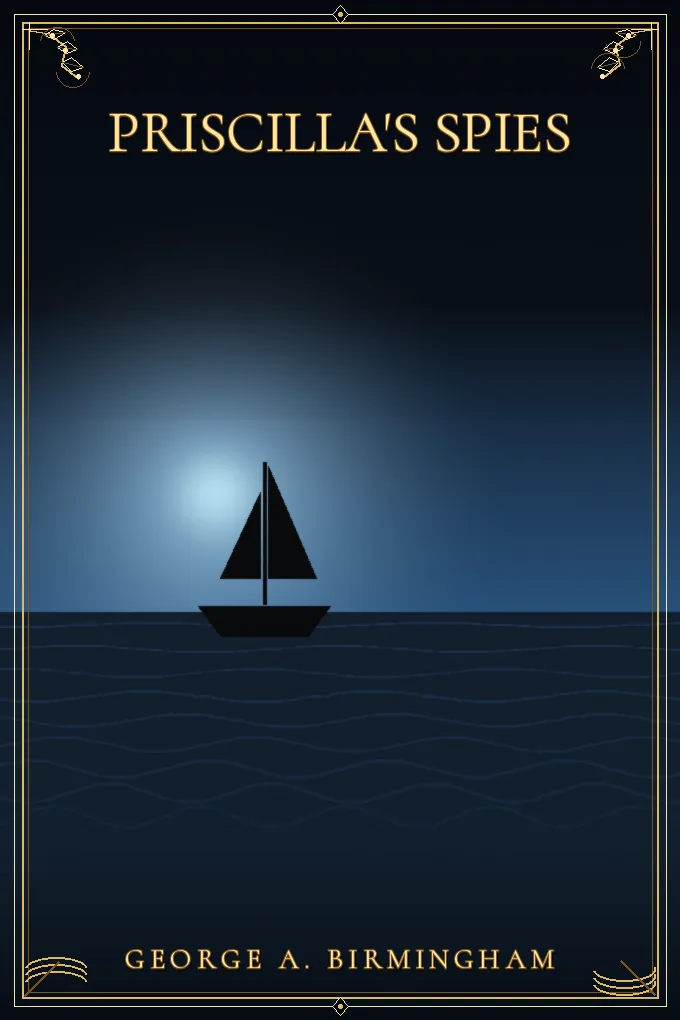
From this reading Priscilla and Frank left the quay at half past seven against a tide which was still rising, but with a pleasant easterly breeze behind them.
touching and pressing; in opposition to
From this reading Priscilla and Frank left the quay at half past seven against a tide which was still rising, but with a pleasant easterly breeze behind them.
the form of “a” used before a word that begins with a vowel sound
From this reading The setting of this sail struck Frank as an immensely complicated business.
used to join words or parts of a sentence that go together
From this reading Priscilla and Frank left the quay at half past seven against a tide which was still rising, but with a pleasant easterly breeze behind them.
at the same time that; because; in the way that
From this reading The setting of this sail struck Frank as an immensely complicated business.
in or near a particular place or position
From this reading Priscilla and Frank left the quay at half past seven against a tide which was still rising, but with a pleasant easterly breeze behind them.
used with a past participle to form the passive, or with -ing for continuous tenses
From this reading She herself pulled a spinnaker from beneath the stern sheets and explained to Frank that when she had hoisted it the boat’s speed would be considerably increased.
behindprepositionUS /bɪˈhaɪnd/
at or toward the back of something
From this reading Priscilla and Frank left the quay at half past seven against a tide which was still rising, but with a pleasant easterly breeze behind them.
Directly under; in or to a lower position than.
From this reading She herself pulled a spinnaker from beneath the stern sheets and explained to Frank that when she had hoisted it the boat’s speed would be considerably increased.
a small vessel for travel on water
From this reading Once past the stone perch Priscilla set the boat on her course for Craggeen and gave the tiller to Frank.
boat'snounUS /boʊts/
possessive form of “boat” — a small vessel for travel on water
From this reading She herself pulled a spinnaker from beneath the stern sheets and explained to Frank that when she had hoisted it the boat’s speed would be considerably increased.
the entire physical structure of an organism (an animal, plant, or human being)
From this reading Then she made him uncomfortable by hitting him several times in different parts of the body with a long spar which she called the spinnaker boom.
boomverbUS /buːm/
make a resonant sound, like artillery
From this reading Then she made him uncomfortable by hitting him several times in different parts of the body with a long spar which she called the spinnaker boom.
a slight wind (usually refreshing)
From this reading Priscilla and Frank left the quay at half past seven against a tide which was still rising, but with a pleasant easterly breeze behind them.
a commercial or industrial enterprise and the people who constitute it
From this reading The setting of this sail struck Frank as an immensely complicated business.
used to introduce something that contrasts with what came before
From this reading Priscilla and Frank left the quay at half past seven against a tide which was still rising, but with a pleasant easterly breeze behind them.
showing who or what does the action
From this reading Then she made him uncomfortable by hitting him several times in different parts of the body with a long spar which she called the spinnaker boom.
past form of “call” — assign a specified (usually proper) proper name to
From this reading Then she made him uncomfortable by hitting him several times in different parts of the body with a long spar which she called the spinnaker boom.
complicatedadjectiveUS /ˈkɑːmpləkeɪtəd/
difficult to analyze or understand
From this reading The setting of this sail struck Frank as an immensely complicated business.
considerablyadverbUS /kənˈsɪdərəbli/
to a great extent or degree
From this reading She herself pulled a spinnaker from beneath the stern sheets and explained to Frank that when she had hoisted it the boat’s speed would be considerably increased.
education imparted in a series of lessons or meetings
From this reading Once past the stone perch Priscilla set the boat on her course for Craggeen and gave the tiller to Frank.
Craggeen
Dictionary entry pending editorial verification. Tap Listen to hear the word.
From this reading Once past the stone perch Priscilla set the boat on her course for Craggeen and gave the tiller to Frank.
unlike in nature or quality or form or degree
From this reading Then she made him uncomfortable by hitting him several times in different parts of the body with a long spar which she called the spinnaker boom.
easterlyadjectiveUS /ˈiːstərli/
lying in or toward the east
From this reading Priscilla and Frank left the quay at half past seven against a tide which was still rising, but with a pleasant easterly breeze behind them.
past form of “explain” — make plain and comprehensible
From this reading She herself pulled a spinnaker from beneath the stern sheets and explained to Frank that when she had hoisted it the boat’s speed would be considerably increased.
intended to be given to, or used by, somebody
From this reading Once past the stone perch Priscilla set the boat on her course for Craggeen and gave the tiller to Frank.
characterized by directness in manner or speech; without subtlety or evasion
From this reading Priscilla and Frank left the quay at half past seven against a tide which was still rising, but with a pleasant easterly breeze behind them.
showing where something starts, or who sent it
From this reading She herself pulled a spinnaker from beneath the stern sheets and explained to Frank that when she had hoisted it the boat’s speed would be considerably increased.
inflected form of “give” — cause to have, in the abstract sense or physical sense
From this reading Once past the stone perch Priscilla set the boat on her course for Craggeen and gave the tiller to Frank.
hadauxiliary verbUS /hæd/
the past form of “have”, used to form the past perfect
From this reading She herself pulled a spinnaker from beneath the stern sheets and explained to Frank that when she had hoisted it the boat’s speed would be considerably increased.
consisting of one of two equivalent parts in value or quantity
From this reading Priscilla and Frank left the quay at half past seven against a tide which was still rising, but with a pleasant easterly breeze behind them.
belonging to a woman, girl, or female animal already mentioned
From this reading Once past the stone perch Priscilla set the boat on her course for Craggeen and gave the tiller to Frank.
used when the woman or girl doing the action is also its object
From this reading She herself pulled a spinnaker from beneath the stern sheets and explained to Frank that when she had hoisted it the boat’s speed would be considerably increased.
the male already mentioned, as the object of a verb or preposition
From this reading Then she made him uncomfortable by hitting him several times in different parts of the body with a long spar which she called the spinnaker boom.
hittingnounUS /ˈhɪtɪŋ/
the act of contacting one thing with another
From this reading Then she made him uncomfortable by hitting him several times in different parts of the body with a long spar which she called the spinnaker boom.
hoistedverbUS /ˈhɔɪstəd/
past form of “hoist” — raise or haul up with or as if with mechanical help
From this reading She herself pulled a spinnaker from beneath the stern sheets and explained to Frank that when she had hoisted it the boat’s speed would be considerably increased.
immenselyadverbUS /ˌɪˈmensli/
to an exceedingly great extent or degree
From this reading The setting of this sail struck Frank as an immensely complicated business.
inside something, or within a place, period, or state
From this reading Then she made him uncomfortable by hitting him several times in different parts of the body with a long spar which she called the spinnaker boom.
made greater in size or amount or degree
From this reading She herself pulled a spinnaker from beneath the stern sheets and explained to Frank that when she had hoisted it the boat’s speed would be considerably increased.
a thing, animal, or idea already mentioned
From this reading She herself pulled a spinnaker from beneath the stern sheets and explained to Frank that when she had hoisted it the boat’s speed would be considerably increased.
location near or direction toward the left side; i.e. the side to the north when a person or object faces east
From this reading Priscilla and Frank left the quay at half past seven against a tide which was still rising, but with a pleasant easterly breeze behind them.
primarily temporal sense; being or indicating a relatively great or greater than average duration or passage of time or a duration as specified
From this reading Then she made him uncomfortable by hitting him several times in different parts of the body with a long spar which she called the spinnaker boom.
produced by a manufacturing process
From this reading Then she made him uncomfortable by hitting him several times in different parts of the body with a long spar which she called the spinnaker boom.
belonging to, or connected with, somebody or something
From this reading Then she made him uncomfortable by hitting him several times in different parts of the body with a long spar which she called the spinnaker boom.
touching and supported by a surface
From this reading Once past the stone perch Priscilla set the boat on her course for Craggeen and gave the tiller to Frank.
on one occasion
From this reading Once past the stone perch Priscilla set the boat on her course for Craggeen and gave the tiller to Frank.
the local environment
From this reading Then she made him uncomfortable by hitting him several times in different parts of the body with a long spar which she called the spinnaker boom.
the time that has elapsed
From this reading Priscilla and Frank left the quay at half past seven against a tide which was still rising, but with a pleasant easterly breeze behind them.
perchnounUS /pɜːrtʃ/
support consisting of a branch or rod that serves as a resting place (especially for a bird)
From this reading Once past the stone perch Priscilla set the boat on her course for Craggeen and gave the tiller to Frank.
affording pleasure; being in harmony with your taste or likings
From this reading Priscilla and Frank left the quay at half past seven against a tide which was still rising, but with a pleasant easterly breeze behind them.
Priscilla
Dictionary entry pending editorial verification. Tap Listen to hear the word.
From this reading Priscilla and Frank left the quay at half past seven against a tide which was still rising, but with a pleasant easterly breeze behind them.
past form of “pull” — cause to move by pulling
From this reading She herself pulled a spinnaker from beneath the stern sheets and explained to Frank that when she had hoisted it the boat’s speed would be considerably increased.
quaynounUS /kiː/
wharf usually built parallel to the shoreline
From this reading Priscilla and Frank left the quay at half past seven against a tide which was still rising, but with a pleasant easterly breeze behind them.
advancing or becoming higher or greater in degree or value or status
From this reading Priscilla and Frank left the quay at half past seven against a tide which was still rising, but with a pleasant easterly breeze behind them.
traverse or travel on (a body of water)
From this reading The setting of this sail struck Frank as an immensely complicated business.
put into a certain place or abstract location
From this reading Once past the stone perch Priscilla set the boat on her course for Craggeen and gave the tiller to Frank.
the context and environment in which something is set
From this reading The setting of this sail struck Frank as an immensely complicated business.
the cardinal number that is the sum of six and one
From this reading Priscilla and Frank left the quay at half past seven against a tide which was still rising, but with a pleasant easterly breeze behind them.
(used with count nouns) of an indefinite number more than 2 or 3 but not many
From this reading Then she made him uncomfortable by hitting him several times in different parts of the body with a long spar which she called the spinnaker boom.
a woman, girl, or female animal already mentioned, as the subject
From this reading She herself pulled a spinnaker from beneath the stern sheets and explained to Frank that when she had hoisted it the boat’s speed would be considerably increased.
sheetsnounUS /ʃiːts/
plural of “sheet” — any broad thin expanse or surface
From this reading She herself pulled a spinnaker from beneath the stern sheets and explained to Frank that when she had hoisted it the boat’s speed would be considerably increased.
sparverbUS /spɑːr/
furnish with spars
From this reading Then she made him uncomfortable by hitting him several times in different parts of the body with a long spar which she called the spinnaker boom.
move hurridly
From this reading She herself pulled a spinnaker from beneath the stern sheets and explained to Frank that when she had hoisted it the boat’s speed would be considerably increased.
spinnakernoun
a large and usually triangular headsail; carried by a yacht as a headsail when running before the wind
From this reading She herself pulled a spinnaker from beneath the stern sheets and explained to Frank that when she had hoisted it the boat’s speed would be considerably increased.
sternadjectiveUS /stɜːrn/
of a stern or strict bearing or demeanor; forbidding in aspect
From this reading She herself pulled a spinnaker from beneath the stern sheets and explained to Frank that when she had hoisted it the boat’s speed would be considerably increased.
not in physical motion
From this reading Priscilla and Frank left the quay at half past seven against a tide which was still rising, but with a pleasant easterly breeze behind them.
a lump or mass of hard consolidated mineral matter
From this reading Once past the stone perch Priscilla set the boat on her course for Craggeen and gave the tiller to Frank.
(used in combination) affected by something overwhelming
From this reading The setting of this sail struck Frank as an immensely complicated business.
used to introduce what somebody said, thought, or felt
From this reading She herself pulled a spinnaker from beneath the stern sheets and explained to Frank that when she had hoisted it the boat’s speed would be considerably increased.
used before a noun that is already known, already mentioned, or the only one of its kind
From this reading Priscilla and Frank left the quay at half past seven against a tide which was still rising, but with a pleasant easterly breeze behind them.
the people or things already mentioned, as the object
From this reading Priscilla and Frank left the quay at half past seven against a tide which was still rising, but with a pleasant easterly breeze behind them.
subsequently or soon afterward (often used as sentence connectors)
From this reading Then she made him uncomfortable by hitting him several times in different parts of the body with a long spar which she called the spinnaker boom.
used for a person or thing that is near, or that has just been mentioned
From this reading The setting of this sail struck Frank as an immensely complicated business.
the periodic rise and fall of the sea level under the gravitational pull of the moon
From this reading Priscilla and Frank left the quay at half past seven against a tide which was still rising, but with a pleasant easterly breeze behind them.
tillernounUS /ˈtɪlər/
a shoot that sprouts from the base of a grass
From this reading Once past the stone perch Priscilla set the boat on her course for Craggeen and gave the tiller to Frank.
a more or less definite period of time now or previously present
From this reading Then she made him uncomfortable by hitting him several times in different parts of the body with a long spar which she called the spinnaker boom.
used before the base form of a verb to make the infinitive
From this reading Once past the stone perch Priscilla set the boat on her course for Craggeen and gave the tiller to Frank.
uncomfortableadjectiveUS /ənˈkʌmfərtəbəl/
conducive to or feeling mental discomfort
From this reading Then she made him uncomfortable by hitting him several times in different parts of the body with a long spar which she called the spinnaker boom.
wasauxiliary verbUS /wɑːz/
the past form of “be” used with I, he, she, it, or a singular noun
From this reading Priscilla and Frank left the quay at half past seven against a tide which was still rising, but with a pleasant easterly breeze behind them.
at the time that
From this reading She herself pulled a spinnaker from beneath the stern sheets and explained to Frank that when she had hoisted it the boat’s speed would be considerably increased.
used to introduce a clause giving more about a thing just mentioned
From this reading Priscilla and Frank left the quay at half past seven against a tide which was still rising, but with a pleasant easterly breeze behind them.
in the company of; together with
From this reading Priscilla and Frank left the quay at half past seven against a tide which was still rising, but with a pleasant easterly breeze behind them.
used for something imagined, polite, or habitual in the past
From this reading She herself pulled a spinnaker from beneath the stern sheets and explained to Frank that when she had hoisted it the boat’s speed would be considerably increased.