Complete classic literature • Five-line readings • Clear US narration
VELMORA ACADEMY
Academy of Archival Languages & Memory Studies
Menu Close
Prisoners: Fast Bound In Misery And Iron

Chapter XV · Chapter 15

Chapter 15 of Prisoners: Fast Bound In Misery And Iron is here in full — 83 sentences across 17 reading sections, with audio for every sentence and word.

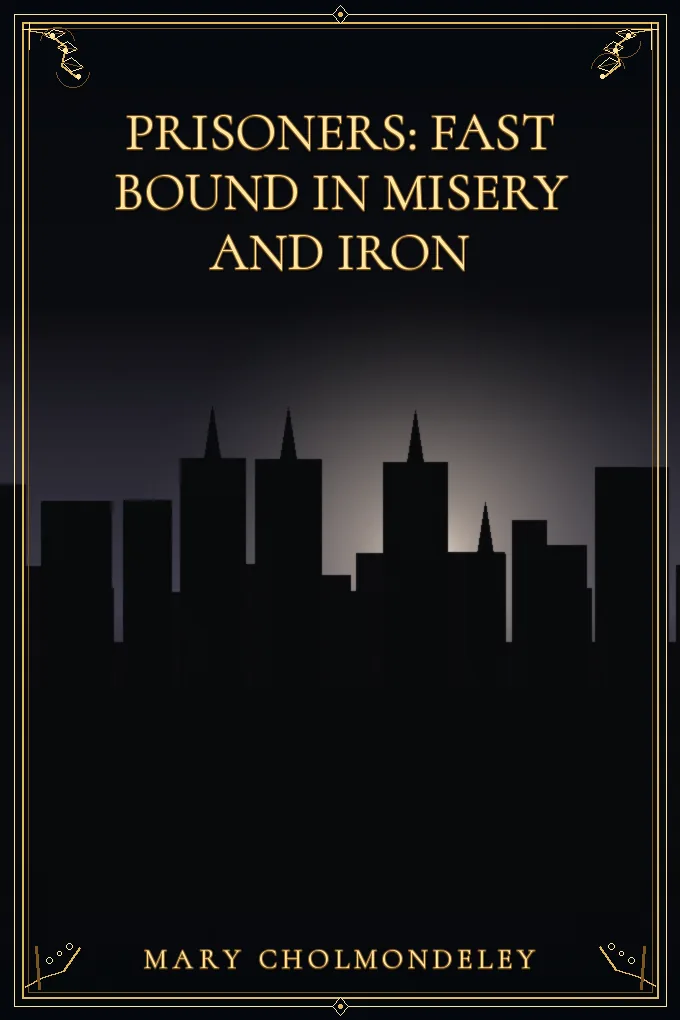
Cover illustration for Prisoners: Fast Bound In Misery And Iron
Context Illustration Reading 1/16 · 5 lines
English subtitles · tap any word to listen 1 / 5
Qui sait ce qui peut advenir de la fragilité des femmes?
Qui sait jusq'où peut aller l'inconstance de ce sable mouvant?--ALFRED DE MUSSET.
The Italian winter was closing in.
The nights were bitter cold.
Had Michael reached at last the death of love?
0:00 / 0:00
Speed 0.75x
AI-generated narration by OpenAI · Slow US English
LEARNER DICTIONARY
Archivist
/ˈɑːrkɪvɪst/
Editorial verification pending

A keeper or guardian of historical records and memories.

Prisoners: Fast Bound In Misery And Iron

Chapter XV · Chapter 15

Chapter 15 of Prisoners: Fast Bound In Misery And Iron is here in full — 83 sentences across 17 reading sections, with audio for every sentence and word.

Reading 1/16 · 5 reading units · Lines 1–5

Line 1
Qui sait ce qui peut advenir de la fragilité des femmes?
Line 2
Qui sait jusq'où peut aller l'inconstance de ce sable mouvant?--ALFRED DE MUSSET.
Line 3
The Italian winter was closing in.
/ðə ˌɪˈtæljən ˈwɪntər wɑːz ˈkloʊzɪŋ ɪn/
Line 4
The nights were bitter cold.
/ðə naɪts wɜːr ˈbɪtər koʊld/
Line 5
Had Michael reached at last the death of love?
/hæd ˈmaɪkəl riːtʃt æt læst ðə deθ ʌv lʌv/

Learner Dictionary

These definitions explain words found in the current reading and keep every example grounded in its original sentence.

Oxford-style entry order: headword, part of speech, US IPA, concise definition, contextual example, and audio.

alfred noun US /ˈælfrəd/

king of Wessex; defeated the Vikings and encouraged writing in English (849-899)

From this reading “Qui sait jusq'où peut aller l'inconstance de ce sable mouvant?--ALFRED DE MUSSET.”

aller adjective US /ˈɔːlər/

comparative of “all” — (quantifier) used with either mass or count nouns to indicate the whole number or amount of or every one of a class

From this reading “Qui sait jusq'où peut aller l'inconstance de ce sable mouvant?--ALFRED DE MUSSET.”

closing noun US /ˈkloʊzɪŋ/

the act of closing something

From this reading “The Italian winter was closing in.”

des noun US /des/

a potent estrogen used in medicine and in feed for livestock and poultry

From this reading “Qui sait ce qui peut advenir de la fragilité des femmes?”

Italian noun US /ˌɪˈtæljən/

a native or inhabitant of Italy

From this reading “The Italian winter was closing in.”

Michael noun US /ˈmaɪkəl/

(Old Testament) the guardian archangel of the Jews

From this reading “Had Michael reached at last the death of love?”

nights noun US /naɪts/

Periods of darkness between sunset and sunrise.

From this reading “The nights were bitter cold.”

sable noun US /ˈseɪbəl/

an artist's brush made of sable hairs

From this reading “Qui sait jusq'où peut aller l'inconstance de ce sable mouvant?--ALFRED DE MUSSET.”

All words in this reading · 35

Every word in these five lines is listed here, and every one of them can be played on its own.

Dictionary details are shown only when verified; these are not licensed Oxford entries.

advenir

Dictionary entry pending editorial verification. Tap Listen to hear the word.

From this reading Qui sait ce qui peut advenir de la fragilité des femmes?

ALFREDnounUS /ˈælfrəd/

king of Wessex; defeated the Vikings and encouraged writing in English (849-899)

From this reading Qui sait jusq'où peut aller l'inconstance de ce sable mouvant?--ALFRED DE MUSSET.

alleradjectiveUS /ˈɔːlər/

comparative of “all” — (quantifier) used with either mass or count nouns to indicate the whole number or amount of or every one of a class

From this reading Qui sait jusq'où peut aller l'inconstance de ce sable mouvant?--ALFRED DE MUSSET.

atprepositionUS /æt/

in or near a particular place or position

From this reading Had Michael reached at last the death of love?

bitteradjectiveUS /ˈbɪtər/

marked by strong resentment or cynicism

From this reading The nights were bitter cold.

cenounUS /ˌsiːˈiː/

a ductile grey metallic element of the lanthanide series; used in lighter flints; the most abundant of the rare-earth group

From this reading Qui sait ce qui peut advenir de la fragilité des femmes?

closingnounUS /ˈkloʊzɪŋ/

the act of closing something

From this reading The Italian winter was closing in.

coldadjectiveUS /koʊld/

having a low or inadequate temperature or feeling a sensation of coldness or having been made cold by e.g. ice or refrigeration

From this reading The nights were bitter cold.

denounUS /diː/

a Mid-Atlantic state; one of the original 13 colonies

From this reading Qui sait ce qui peut advenir de la fragilité des femmes?

deathnounUS /deθ/

the event of dying or departure from life

From this reading Had Michael reached at last the death of love?

desnounUS /des/

a potent estrogen used in medicine and in feed for livestock and poultry

From this reading Qui sait ce qui peut advenir de la fragilité des femmes?

femmes

Dictionary entry pending editorial verification. Tap Listen to hear the word.

From this reading Qui sait ce qui peut advenir de la fragilité des femmes?

fragilité

Dictionary entry pending editorial verification. Tap Listen to hear the word.

From this reading Qui sait ce qui peut advenir de la fragilité des femmes?

Hadauxiliary verbUS /hæd/

the past form of “have”, used to form the past perfect

From this reading Had Michael reached at last the death of love?

inprepositionUS /ɪn/

inside something, or within a place, period, or state

From this reading The Italian winter was closing in.

ItaliannounUS /ˌɪˈtæljən/

a native or inhabitant of Italy

From this reading The Italian winter was closing in.

jusq'où

Dictionary entry pending editorial verification. Tap Listen to hear the word.

From this reading Qui sait jusq'où peut aller l'inconstance de ce sable mouvant?--ALFRED DE MUSSET.

l'inconstance

Dictionary entry pending editorial verification. Tap Listen to hear the word.

From this reading Qui sait jusq'où peut aller l'inconstance de ce sable mouvant?--ALFRED DE MUSSET.

lanounUS /lɑː/

a white soft metallic element that tarnishes readily; occurs in rare earth minerals and is usually classified as a rare earth

From this reading Qui sait ce qui peut advenir de la fragilité des femmes?

lastadjectiveUS /læst/

immediately past

From this reading Had Michael reached at last the death of love?

lovenounUS /lʌv/

a strong positive emotion of regard and affection

From this reading Had Michael reached at last the death of love?

MichaelnounUS /ˈmaɪkəl/

(Old Testament) the guardian archangel of the Jews

From this reading Had Michael reached at last the death of love?

mouvant

Dictionary entry pending editorial verification. Tap Listen to hear the word.

From this reading Qui sait jusq'où peut aller l'inconstance de ce sable mouvant?--ALFRED DE MUSSET.

MUSSETnoun

French poet and writer (1810-1857)

From this reading Qui sait jusq'où peut aller l'inconstance de ce sable mouvant?--ALFRED DE MUSSET.

nightsnounUS /naɪts/

Periods of darkness between sunset and sunrise.

From this reading The nights were bitter cold.

ofprepositionUS /ʌv/

belonging to, or connected with, somebody or something

From this reading Had Michael reached at last the death of love?

peut

Dictionary entry pending editorial verification. Tap Listen to hear the word.

From this reading Qui sait ce qui peut advenir de la fragilité des femmes?

Qui

Dictionary entry pending editorial verification. Tap Listen to hear the word.

From this reading Qui sait ce qui peut advenir de la fragilité des femmes?

reachedverbUS /riːtʃt/

past form of “reach” — reach a destination, either real or abstract

From this reading Had Michael reached at last the death of love?

sablenounUS /ˈseɪbəl/

an artist's brush made of sable hairs

From this reading Qui sait jusq'où peut aller l'inconstance de ce sable mouvant?--ALFRED DE MUSSET.

sait

Dictionary entry pending editorial verification. Tap Listen to hear the word.

From this reading Qui sait ce qui peut advenir de la fragilité des femmes?

ThedeterminerUS /ðə/

used before a noun that is already known, already mentioned, or the only one of its kind

From this reading The Italian winter was closing in.

wasauxiliary verbUS /wɑːz/

the past form of “be” used with I, he, she, it, or a singular noun

From this reading The Italian winter was closing in.

wereauxiliary verbUS /wɜːr/

the past form of “be” used with you, we, they, or a plural noun

From this reading The nights were bitter cold.

winternounUS /ˈwɪntər/

the coldest season of the year; in the northern hemisphere it extends from the winter solstice to the vernal equinox

From this reading The Italian winter was closing in.

Chapter 15 of Prisoners: Fast Bound In Misery And Iron by Mary Cholmondeley holds 83 sentences, grouped into 17 reading sections of at most 5 sentences. The text is the source edition, unabridged, and the chapter records which sentences cover which part of the work so that nothing is dropped. Every word can be tapped for its pronunciation and dictionary entry.

What does chapter 15 of Prisoners: Fast Bound In Misery And Iron contain?

Chapter 15 holds 83 sentences of Prisoners: Fast Bound In Misery And Iron, unabridged, divided into 17 reading sections.

This page carries chapter 15 of Prisoners: Fast Bound In Misery And Iron by Mary Cholmondeley exactly as it stands in the source edition, without abridgement. It runs to 83 sentences, grouped into 17 sections of at most 5 sentences so that a reader can take the chapter in steady, finishable pieces. The chapter also stores a coverage record mapping every one of its sentences to a part of the work, which is how the edition demonstrates that no line was dropped.

How do I study chapter 15 of Prisoners: Fast Bound In Misery And Iron?

Work through the 17 sections in order, replaying any sentence and tapping unfamiliar words for their entries.

Each of the 17 sections in this chapter is short enough to read once, hear once, and then re-read with the vocabulary in view. Tapping a word plays it alone and opens its dictionary entry with IPA, part of speech and meaning, so the reader is never forced to guess a pronunciation from spelling. Working section by section keeps a long chapter from becoming an undifferentiated wall of text, which is the usual reason a reader abandons a work of this period.

Can chapter 15 be read aloud to me?

Yes — every sentence and every individual word in chapter 15 can be played aloud in United States English.

Audio covers the whole chapter: any sentence can be played, and any single word within it can be played on its own. The voice uses United States English. For a work of this period that matters, because spelling is an unreliable guide to pronunciation for vocabulary that has fallen out of daily use, and a learner who guesses wrong tends to keep the error. Hearing the word in its own sentence, and then alone, settles it.

Questions about reading Prisoners: Fast Bound In Misery And Iron

Common questions about reading Prisoners: Fast Bound In Misery And Iron by Mary Cholmondeley on this page, its source edition and its audio.

Is this the complete text of Prisoners: Fast Bound In Misery And Iron?

Yes. All 6408 sentences of Project Gutenberg eBook #18834 are kept, with a record of which sentences cover which part.

Which edition of Prisoners: Fast Bound In Misery And Iron is used?

Project Gutenberg eBook #18834, unabridged. The Project Gutenberg header, footer and licence are removed.

How long does Prisoners: Fast Bound In Misery And Iron take to read?

About 534 minutes of reading across 1282 sections of 5 sentences each, at an unhurried pace.

How to read Prisoners: Fast Bound In Misery And Iron section by section

How to work through Prisoners: Fast Bound In Misery And Iron section by section, using the audio and the tap-to-define vocabulary.

  1. Open a chapter

    Choose one of the 38 chapters of Prisoners: Fast Bound In Misery And Iron to begin.

  2. Read one section

    Each section holds 5 sentences; read it once through.

  3. Listen and tap

    Play the section aloud, then tap any unfamiliar word for its entry.

Vocabulary met early in Prisoners: Fast Bound In Misery And Iron

Words and structures a reader meets early in Prisoners: Fast Bound In Misery And Iron, each tappable for pronunciation and meaning.

Tender
A word that appears in the opening chapter of Prisoners: Fast Bound In Misery And Iron; the reader can tap it to hear it and see its dictionary entry.
Contemplating
A word that appears in the opening chapter of Prisoners: Fast Bound In Misery And Iron; the reader can tap it to hear it and see its dictionary entry.
Fairies
A word that appears in the opening chapter of Prisoners: Fast Bound In Misery And Iron; the reader can tap it to hear it and see its dictionary entry.
Brought
A word that appears in the opening chapter of Prisoners: Fast Bound In Misery And Iron; the reader can tap it to hear it and see its dictionary entry.