Complete classic literature • Five-line readings • Clear US narration
VELMORA ACADEMY
Academy of Archival Languages & Memory Studies
Menu Close
Psyche
Psyche

Chapter XXII

Chapter 22 of Psyche is here in full — 219 sentences across 44 reading sections, with audio for every sentence and word.

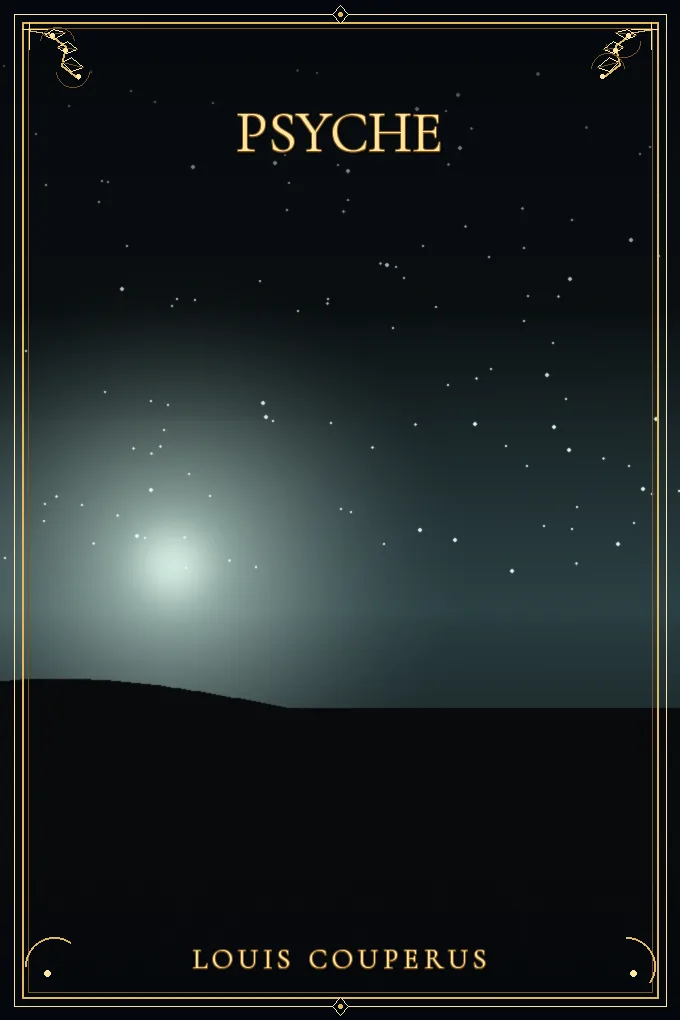
Cover illustration for Psyche
Context Illustration Reading 1/43 · 5 lines
English subtitles · tap any word to listen 1 / 5
The night was pitch dark, when she stood before the awful gate and asked admittance.
And the guards let her in because she wore a holy dress.
The halberdiers took her to the hall, where they slept or kept watch, and invited her to rest.
She sat down on a rude bench, she ate their brown soldier's bread, she drank a drop of their wine.
Then she offered them a ruby for their hospitality and evening meal.
0:00 / 0:00
Speed 0.75x
AI-generated narration by OpenAI · Slow US English
LEARNER DICTIONARY
Archivist
/ˈɑːrkɪvɪst/
Editorial verification pending

A keeper or guardian of historical records and memories.

Psyche

Chapter XXII

Chapter 22 of Psyche is here in full — 219 sentences across 44 reading sections, with audio for every sentence and word.

Reading 1/43 · 5 reading units · Lines 1–5

Line 1
The night was pitch dark, when she stood before the awful gate and asked admittance.
/ðə naɪt wɑːz pɪtʃ dɑːrk wen ʃiː stʊd bɪˈfɔːr ðə ˈɑːfəl ɡeɪt ənd æskt ədˈmɪtəns/
Line 2
And the guards let her in because she wore a holy dress.
/ənd ðə ɡɑːrdz let hɜːr ɪn bɪˈkɔːz ʃiː wɔːr ə ˈhoʊli dres/
Line 3
The halberdiers took her to the hall, where they slept or kept watch, and invited her to rest.
Line 4
She sat down on a rude bench, she ate their brown soldier's bread, she drank a drop of their wine.
/ʃiː sæt daʊn ɑːn ə ruːd bentʃ ʃiː eɪt ðer braʊn ˈsoʊldʒərz bred ʃiː dræŋk ə drɑːp ʌv ðer waɪn/
Line 5
Then she offered them a ruby for their hospitality and evening meal.
/ðen ʃiː ˈɔːfərd ðem ə ˈruːbi fɔːr ðer ˌhɑːspəˈtæləti ənd ˈiːvnɪŋ miːl/

Learner Dictionary

These definitions explain words found in the current reading and keep every example grounded in its original sentence.

Oxford-style entry order: headword, part of speech, US IPA, concise definition, contextual example, and audio.

admittance noun US /ədˈmɪtəns/

the right to enter

From this reading “The night was pitch dark, when she stood before the awful gate and asked admittance.”

bench noun US /bentʃ/

a long seat for more than one person

From this reading “She sat down on a rude bench, she ate their brown soldier's bread, she drank a drop of their wine.”

guards noun US /ɡɑːrdz/

plural of “guard” — a person who keeps watch over something or someone

From this reading “And the guards let her in because she wore a holy dress.”

hospitality noun US /ˌhɑːspəˈtæləti/

kindness in welcoming guests or strangers

From this reading “Then she offered them a ruby for their hospitality and evening meal.”

pitch noun US /pɪtʃ/

the property of sound that varies with variation in the frequency of vibration

From this reading “The night was pitch dark, when she stood before the awful gate and asked admittance.”

ruby noun US /ˈruːbi/

a transparent piece of ruby that has been cut and polished and is valued as a precious gem

From this reading “Then she offered them a ruby for their hospitality and evening meal.”

rude adjective US /ruːd/

socially incorrect in behavior

From this reading “She sat down on a rude bench, she ate their brown soldier's bread, she drank a drop of their wine.”

soldier's noun US /ˈsoʊldʒərz/

possessive form of “soldier” — an enlisted man or woman who serves in an army

From this reading “She sat down on a rude bench, she ate their brown soldier's bread, she drank a drop of their wine.”

Word partnerships in these lines

English keeps certain words together, and knowing the pair is worth more than knowing each word alone. Every partnership below was counted across our whole published library, and earns its place by appearing far more often than two unrelated words of the same frequency would.

Shown as this reading writes them, with the form the library counts, what kind of pairing it is, and how often it occurs.

pitch dark noun + noun

In this reading “The night was pitch dark, when she stood before the awful gate and asked admittance.”

evening meal noun + noun

In this reading “Then she offered them a ruby for their hospitality and evening meal.”

rude bench adjective + noun

In this reading “She sat down on a rude bench, she ate their brown soldier's bread, she drank a drop of their wine.”

stood before verb + particle

In this reading “The night was pitch dark, when she stood before the awful gate and asked admittance.”

drop of verb + particle

In this reading “She sat down on a rude bench, she ate their brown soldier's bread, she drank a drop of their wine.”

All words in this reading · 57

Every word in these five lines is listed here, and every one of them can be played on its own.

Dictionary details are shown only when verified; these are not licensed Oxford entries.

adeterminerUS /ə/

used before a singular noun to mean one of a group, when it is not a particular one

From this reading And the guards let her in because she wore a holy dress.

admittancenounUS /ədˈmɪtəns/

the right to enter

From this reading The night was pitch dark, when she stood before the awful gate and asked admittance.

andconjunctionUS /ənd/

used to join words or parts of a sentence that go together

From this reading The night was pitch dark, when she stood before the awful gate and asked admittance.

askedverbUS /æskt/

past form of “ask” — make a request or demand for something to somebody

From this reading The night was pitch dark, when she stood before the awful gate and asked admittance.

atenounUS /eɪt/

goddess of criminal rashness and its punishment

From this reading She sat down on a rude bench, she ate their brown soldier's bread, she drank a drop of their wine.

awfuladjectiveUS /ˈɑːfəl/

exceptionally bad or displeasing

From this reading The night was pitch dark, when she stood before the awful gate and asked admittance.

becauseconjunctionUS /bɪˈkɔːz/

for the reason that

From this reading And the guards let her in because she wore a holy dress.

beforeprepositionUS /bɪˈfɔːr/

earlier than; in front of

From this reading The night was pitch dark, when she stood before the awful gate and asked admittance.

benchnounUS /bentʃ/

a long seat for more than one person

From this reading She sat down on a rude bench, she ate their brown soldier's bread, she drank a drop of their wine.

breadnounUS /bred/

food made from dough of flour or meal and usually raised with yeast or baking powder and then baked

From this reading She sat down on a rude bench, she ate their brown soldier's bread, she drank a drop of their wine.

brownnounUS /braʊn/

an orange of low brightness and saturation

From this reading She sat down on a rude bench, she ate their brown soldier's bread, she drank a drop of their wine.

darknounUS /dɑːrk/

absence of light or illumination

From this reading The night was pitch dark, when she stood before the awful gate and asked admittance.

downadjectiveUS /daʊn/

being or moving lower in position or less in some value

From this reading She sat down on a rude bench, she ate their brown soldier's bread, she drank a drop of their wine.

drankverbUS /dræŋk/

inflected form of “drink” — take in liquids

From this reading She sat down on a rude bench, she ate their brown soldier's bread, she drank a drop of their wine.

dressverbUS /dres/

put on clothes

From this reading And the guards let her in because she wore a holy dress.

dropverbUS /drɑːp/

let fall to the ground

From this reading She sat down on a rude bench, she ate their brown soldier's bread, she drank a drop of their wine.

eveningnounUS /ˈiːvnɪŋ/

the latter part of the day (the period of decreasing daylight from late afternoon until nightfall)

From this reading Then she offered them a ruby for their hospitality and evening meal.

forprepositionUS /fɔːr/

intended to be given to, or used by, somebody

From this reading Then she offered them a ruby for their hospitality and evening meal.

gatenounUS /ɡeɪt/

a movable barrier in a fence or wall

From this reading The night was pitch dark, when she stood before the awful gate and asked admittance.

guardsnounUS /ɡɑːrdz/

plural of “guard” — a person who keeps watch over something or someone

From this reading And the guards let her in because she wore a holy dress.

halberdiers

Dictionary entry pending editorial verification. Tap Listen to hear the word.

From this reading The halberdiers took her to the hall, where they slept or kept watch, and invited her to rest.

hallnounUS /hɔːl/

an interior passage or corridor onto which rooms open

From this reading The halberdiers took her to the hall, where they slept or kept watch, and invited her to rest.

herdeterminerUS /hɜːr/

belonging to a woman, girl, or female animal already mentioned

From this reading And the guards let her in because she wore a holy dress.

holynounUS /ˈhoʊli/

a sacred place of pilgrimage

From this reading And the guards let her in because she wore a holy dress.

hospitalitynounUS /ˌhɑːspəˈtæləti/

kindness in welcoming guests or strangers

From this reading Then she offered them a ruby for their hospitality and evening meal.

inprepositionUS /ɪn/

inside something, or within a place, period, or state

From this reading And the guards let her in because she wore a holy dress.

invitedverbUS /ˌɪnˈvaɪtəd/

past form of “invite” — increase the likelihood of

From this reading The halberdiers took her to the hall, where they slept or kept watch, and invited her to rest.

keptadjectiveUS /kept/

(especially of promises or contracts) not violated or disregarded

From this reading The halberdiers took her to the hall, where they slept or kept watch, and invited her to rest.

letauxiliary verbUS /let/

used to make a suggestion or a command including the speaker

From this reading And the guards let her in because she wore a holy dress.

mealnounUS /miːl/

the food served and eaten at one time

From this reading Then she offered them a ruby for their hospitality and evening meal.

nightnounUS /naɪt/

the time after sunset and before sunrise while it is dark outside

From this reading The night was pitch dark, when she stood before the awful gate and asked admittance.

ofprepositionUS /ʌv/

belonging to, or connected with, somebody or something

From this reading She sat down on a rude bench, she ate their brown soldier's bread, she drank a drop of their wine.

offeredverbUS /ˈɔːfərd/

past form of “offer” — make available or accessible, provide or furnish

From this reading Then she offered them a ruby for their hospitality and evening meal.

onprepositionUS /ɑːn/

touching and supported by a surface

From this reading She sat down on a rude bench, she ate their brown soldier's bread, she drank a drop of their wine.

orconjunctionUS /ɔːr/

used to join alternatives or possibilities

From this reading The halberdiers took her to the hall, where they slept or kept watch, and invited her to rest.

pitchnounUS /pɪtʃ/

the property of sound that varies with variation in the frequency of vibration

From this reading The night was pitch dark, when she stood before the awful gate and asked admittance.

restverbUS /rest/

not move; be in a resting position

From this reading The halberdiers took her to the hall, where they slept or kept watch, and invited her to rest.

rubynounUS /ˈruːbi/

a transparent piece of ruby that has been cut and polished and is valued as a precious gem

From this reading Then she offered them a ruby for their hospitality and evening meal.

rudeadjectiveUS /ruːd/

socially incorrect in behavior

From this reading She sat down on a rude bench, she ate their brown soldier's bread, she drank a drop of their wine.

satnounUS /sæt/

the seventh and last day of the week; observed as the Sabbath by Jews and some Christians

From this reading She sat down on a rude bench, she ate their brown soldier's bread, she drank a drop of their wine.

shepronounUS /ʃiː/

a woman, girl, or female animal already mentioned, as the subject

From this reading The night was pitch dark, when she stood before the awful gate and asked admittance.

sleptverbUS /slept/

inflected form of “sleep” — be asleep

From this reading The halberdiers took her to the hall, where they slept or kept watch, and invited her to rest.

soldier'snounUS /ˈsoʊldʒərz/

possessive form of “soldier” — an enlisted man or woman who serves in an army

From this reading She sat down on a rude bench, she ate their brown soldier's bread, she drank a drop of their wine.

stoodverbUS /stʊd/

Maintained an upright posture.

From this reading The night was pitch dark, when she stood before the awful gate and asked admittance.

ThedeterminerUS /ðə/

used before a noun that is already known, already mentioned, or the only one of its kind

From this reading The night was pitch dark, when she stood before the awful gate and asked admittance.

theirdeterminerUS /ðer/

belonging to the people or things already mentioned

From this reading She sat down on a rude bench, she ate their brown soldier's bread, she drank a drop of their wine.

thempronounUS /ðem/

the people or things already mentioned, as the object

From this reading Then she offered them a ruby for their hospitality and evening meal.

ThenadverbUS /ðen/

subsequently or soon afterward (often used as sentence connectors)

From this reading Then she offered them a ruby for their hospitality and evening meal.

theypronounUS /ðeɪ/

the people, animals, or things already mentioned, as the subject

From this reading The halberdiers took her to the hall, where they slept or kept watch, and invited her to rest.

toparticleUS /tuː/

used before the base form of a verb to make the infinitive

From this reading The halberdiers took her to the hall, where they slept or kept watch, and invited her to rest.

tookverbUS /tʊk/

inflected form of “take” — carry out

From this reading The halberdiers took her to the hall, where they slept or kept watch, and invited her to rest.

wasauxiliary verbUS /wɑːz/

the past form of “be” used with I, he, she, it, or a singular noun

From this reading The night was pitch dark, when she stood before the awful gate and asked admittance.

watchverbUS /wɑːtʃ/

look attentively

From this reading The halberdiers took her to the hall, where they slept or kept watch, and invited her to rest.

whenconjunctionUS /wen/

at the time that

From this reading The night was pitch dark, when she stood before the awful gate and asked admittance.

whereconjunctionUS /wer/

in or at the place that

From this reading The halberdiers took her to the hall, where they slept or kept watch, and invited her to rest.

winenounUS /waɪn/

fermented juice (of grapes especially)

From this reading She sat down on a rude bench, she ate their brown soldier's bread, she drank a drop of their wine.

woreverbUS /wɔːr/

inflected form of “wear” — be dressed in

From this reading And the guards let her in because she wore a holy dress.

Chapter 22 of Psyche by Louis Couperus holds 219 sentences, grouped into 44 reading sections of at most 5 sentences. The text is the source edition, unabridged, and the chapter records which sentences cover which part of the work so that nothing is dropped. Every word can be tapped for its pronunciation and dictionary entry.

What does chapter 22 of Psyche contain?

Chapter 22 holds 219 sentences of Psyche, unabridged, divided into 44 reading sections.

This page carries chapter 22 of Psyche by Louis Couperus exactly as it stands in the source edition, without abridgement. It runs to 219 sentences, grouped into 44 sections of at most 5 sentences so that a reader can take the chapter in steady, finishable pieces. The chapter also stores a coverage record mapping every one of its sentences to a part of the work, which is how the edition demonstrates that no line was dropped.

How do I study chapter 22 of Psyche?

Work through the 44 sections in order, replaying any sentence and tapping unfamiliar words for their entries.

Each of the 44 sections in this chapter is short enough to read once, hear once, and then re-read with the vocabulary in view. Tapping a word plays it alone and opens its dictionary entry with IPA, part of speech and meaning, so the reader is never forced to guess a pronunciation from spelling. Working section by section keeps a long chapter from becoming an undifferentiated wall of text, which is the usual reason a reader abandons a work of this period.

Can chapter 22 be read aloud to me?

Yes — every sentence and every individual word in chapter 22 can be played aloud in United States English.

Audio covers the whole chapter: any sentence can be played, and any single word within it can be played on its own. The voice uses United States English. For a work of this period that matters, because spelling is an unreliable guide to pronunciation for vocabulary that has fallen out of daily use, and a learner who guesses wrong tends to keep the error. Hearing the word in its own sentence, and then alone, settles it.

Questions about reading Psyche

Common questions about reading Psyche by Louis Couperus on this page, its source edition and its audio.

Is this the complete text of Psyche?

Yes. All 2630 sentences of Project Gutenberg eBook #38005 are kept, with a record of which sentences cover which part.

Which edition of Psyche is used?

Project Gutenberg eBook #38005, unabridged. The Project Gutenberg header, footer and licence are removed.

How long does Psyche take to read?

About 219 minutes of reading across 526 sections of 5 sentences each, at an unhurried pace.

How to read Psyche section by section

How to work through Psyche section by section, using the audio and the tap-to-define vocabulary.

  1. Open a chapter

    Choose one of the 27 chapters of Psyche to begin.

  2. Read one section

    Each section holds 5 sentences; read it once through.

  3. Listen and tap

    Play the section aloud, then tap any unfamiliar word for its entry.

Vocabulary met early in Psyche

Words and structures a reader meets early in Psyche, each tappable for pronunciation and meaning.

Translated
A word that appears in the opening chapter of Psyche; the reader can tap it to hear it and see its dictionary entry.
Dutch
A word that appears in the opening chapter of Psyche; the reader can tap it to hear it and see its dictionary entry.
Author's
A word that appears in the opening chapter of Psyche; the reader can tap it to hear it and see its dictionary entry.
Permission
A word that appears in the opening chapter of Psyche; the reader can tap it to hear it and see its dictionary entry.