Complete classic literature • Five-line readings • Clear US narration
VELMORA ACADEMY
Academy of Archival Languages & Memory Studies
Menu Close
Sam's Chance, and How He Improved It

Chapter X · Chapter 10

Chapter 10 of Sam's Chance, and How He Improved It is here in full — 170 sentences across 34 reading sections, with audio for every sentence and word.

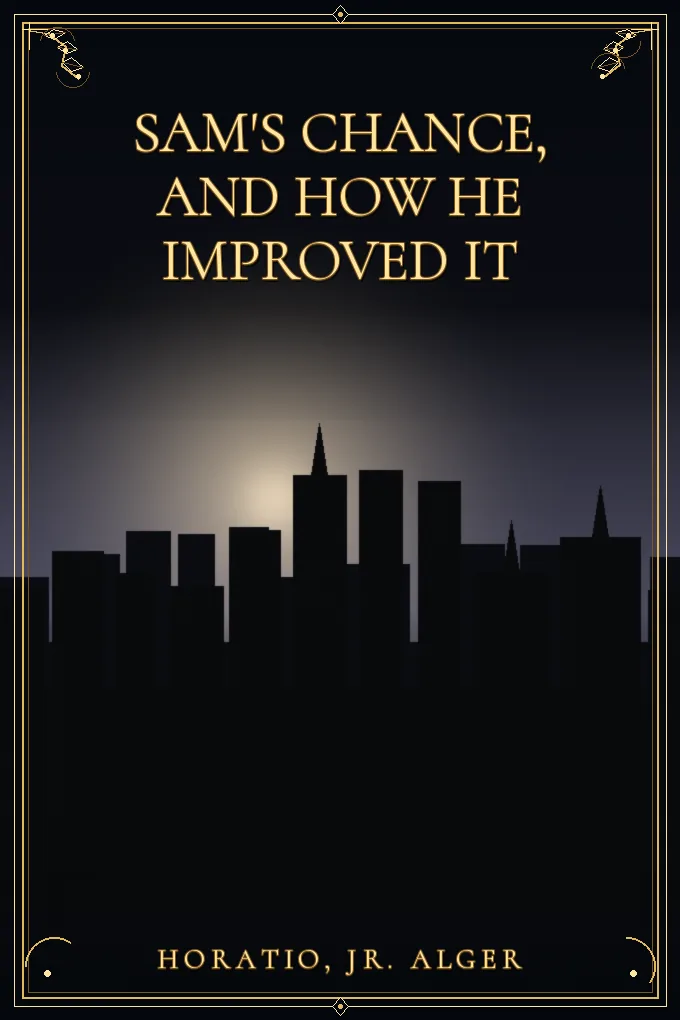
Cover illustration for Sam's Chance, and How He Improved It
Context Illustration Reading 1/34 · 5 lines
English subtitles · tap any word to listen 1 / 5
THE SAVINGS BANK BOOK.
During the three months, which to Henry brought good fortune, Sam had grown no richer.
Indeed, just at this time he was very "hard up."
He had applied to Henry for a loan, but as he was already indebted to his more prudent roommate, the latter declined to lend.
"I think you are mean, Henry," said Sam, in disappointment.
0:00 / 0:00
Speed 0.75x
AI-generated narration by OpenAI · Slow US English
LEARNER DICTIONARY
Archivist
/ˈɑːrkɪvɪst/
Editorial verification pending

A keeper or guardian of historical records and memories.

Sam's Chance, and How He Improved It

Chapter X · Chapter 10

Chapter 10 of Sam's Chance, and How He Improved It is here in full — 170 sentences across 34 reading sections, with audio for every sentence and word.

Reading 1/34 · 5 reading units · Lines 1–5

Line 1
THE SAVINGS BANK BOOK.
/ðə ˈseɪvɪŋz bæŋk bʊk/
Line 2
During the three months, which to Henry brought good fortune, Sam had grown no richer.
/ˈdʊrɪŋ ðə θriː mʌnθs wɪtʃ tuː ˈhenri brɔːt ɡʊd ˈfɔːrtʃən sæm hæd ɡroʊn noʊ ˈrɪtʃər/
Line 3
Indeed, just at this time he was very "hard up."
/ˌɪnˈdiːd dʒʌst æt ðɪs taɪm hiː wɑːz ˈveri hɑːrd ʌp/
Line 4
He had applied to Henry for a loan, but as he was already indebted to his more prudent roommate, the latter declined to lend.
/hiː hæd əˈplaɪd tuː ˈhenri fɔːr ə loʊn bʌt æz hiː wɑːz ɔːlˈredi ˌɪnˈdetɪd tuː hɪz mɔːr ˈpruːdənt ˈruːmeɪt ðə ˈlætər dɪˈklaɪnd tuː lend/
Line 5
"I think you are mean, Henry," said Sam, in disappointment.
/aɪ θɪŋk juː ɑːr miːn ˈhenri sed sæm ɪn ˌdɪsəˈpɔɪntmənt/

Learner Dictionary

These definitions explain words found in the current reading and keep every example grounded in its original sentence.

Oxford-style entry order: headword, part of speech, US IPA, concise definition, contextual example, and audio.

declined verb US /dɪˈklaɪnd/

past form of “decline” — grow worse

From this reading “He had applied to Henry for a loan, but as he was already indebted to his more prudent roommate, the latter declined to lend.”

indebted adjective US /ˌɪnˈdetɪd/

owing gratitude or recognition to another for help or favors etc

From this reading “He had applied to Henry for a loan, but as he was already indebted to his more prudent roommate, the latter declined to lend.”

lend verb US /lend/

bestow a quality on

From this reading “He had applied to Henry for a loan, but as he was already indebted to his more prudent roommate, the latter declined to lend.”

loan noun US /loʊn/

the temporary provision of money (usually at interest)

From this reading “He had applied to Henry for a loan, but as he was already indebted to his more prudent roommate, the latter declined to lend.”

prudent adjective US /ˈpruːdənt/

careful and sensible; marked by sound judgment

From this reading “He had applied to Henry for a loan, but as he was already indebted to his more prudent roommate, the latter declined to lend.”

richer adjective US /ˈrɪtʃər/

comparative of “rich” — possessing material wealth

From this reading “During the three months, which to Henry brought good fortune, Sam had grown no richer.”

roommate noun US /ˈruːmeɪt/

an associate who shares a room with you

From this reading “He had applied to Henry for a loan, but as he was already indebted to his more prudent roommate, the latter declined to lend.”

savings noun US /ˈseɪvɪŋz/

a fund of money put by as a reserve

From this reading “THE SAVINGS BANK BOOK.”

All words in this reading · 51

Every word in these five lines is listed here, and every one of them can be played on its own.

Dictionary details are shown only when verified; these are not licensed Oxford entries.

adeterminerUS /ə/

used before a singular noun to mean one of a group, when it is not a particular one

From this reading He had applied to Henry for a loan, but as he was already indebted to his more prudent roommate, the latter declined to lend.

alreadyadverbUS /ɔːlˈredi/

prior to a specified or implied time

From this reading He had applied to Henry for a loan, but as he was already indebted to his more prudent roommate, the latter declined to lend.

appliedadjectiveUS /əˈplaɪd/

concerned with concrete problems or data rather than with fundamental principles

From this reading He had applied to Henry for a loan, but as he was already indebted to his more prudent roommate, the latter declined to lend.

areauxiliary verbUS /ɑːr/

the form of “be” used with you, we, they, or a plural noun

From this reading "I think you are mean, Henry," said Sam, in disappointment.

asconjunctionUS /æz/

at the same time that; because; in the way that

From this reading He had applied to Henry for a loan, but as he was already indebted to his more prudent roommate, the latter declined to lend.

atprepositionUS /æt/

in or near a particular place or position

From this reading Indeed, just at this time he was very "hard up."

BANKnounUS /bæŋk/

sloping land (especially the slope beside a body of water)

From this reading THE SAVINGS BANK BOOK.

BOOKnounUS /bʊk/

a written work or composition that has been published (printed on pages bound together)

From this reading THE SAVINGS BANK BOOK.

broughtverbUS /brɔːt/

inflected form of “bring” — take something or somebody with oneself somewhere

From this reading During the three months, which to Henry brought good fortune, Sam had grown no richer.

butconjunctionUS /bʌt/

used to introduce something that contrasts with what came before

From this reading He had applied to Henry for a loan, but as he was already indebted to his more prudent roommate, the latter declined to lend.

declinedverbUS /dɪˈklaɪnd/

past form of “decline” — grow worse

From this reading He had applied to Henry for a loan, but as he was already indebted to his more prudent roommate, the latter declined to lend.

disappointmentnounUS /ˌdɪsəˈpɔɪntmənt/

a feeling of dissatisfaction that results when your expectations are not realized

From this reading "I think you are mean, Henry," said Sam, in disappointment.

DuringprepositionUS /ˈdʊrɪŋ/

all through a period, or at some point within it

From this reading During the three months, which to Henry brought good fortune, Sam had grown no richer.

forprepositionUS /fɔːr/

intended to be given to, or used by, somebody

From this reading He had applied to Henry for a loan, but as he was already indebted to his more prudent roommate, the latter declined to lend.

fortunenounUS /ˈfɔːrtʃən/

an unknown and unpredictable phenomenon that causes an event to result one way rather than another

From this reading During the three months, which to Henry brought good fortune, Sam had grown no richer.

goodadjectiveUS /ɡʊd/

having desirable or positive qualities especially those suitable for a thing specified

From this reading During the three months, which to Henry brought good fortune, Sam had grown no richer.

grownadjectiveUS /ɡroʊn/

(of animals) fully developed

From this reading During the three months, which to Henry brought good fortune, Sam had grown no richer.

hadauxiliary verbUS /hæd/

the past form of “have”, used to form the past perfect

From this reading During the three months, which to Henry brought good fortune, Sam had grown no richer.

hardadjectiveUS /hɑːrd/

not easy; requiring great physical or mental effort to accomplish or comprehend or endure

From this reading Indeed, just at this time he was very "hard up."

hepronounUS /hiː/

a man, boy, or male animal already mentioned, as the subject

From this reading Indeed, just at this time he was very "hard up."

HenrynounUS /ˈhenri/

a unit of inductance in which an induced electromotive force of one volt is produced when the current is varied at the rate of one ampere per second

From this reading During the three months, which to Henry brought good fortune, Sam had grown no richer.

hisdeterminerUS /hɪz/

belonging to a man, boy, or male animal already mentioned

From this reading He had applied to Henry for a loan, but as he was already indebted to his more prudent roommate, the latter declined to lend.

IpronounUS /aɪ/

the person speaking or writing, as the subject of the verb

From this reading "I think you are mean, Henry," said Sam, in disappointment.

inprepositionUS /ɪn/

inside something, or within a place, period, or state

From this reading "I think you are mean, Henry," said Sam, in disappointment.

indebtedadjectiveUS /ˌɪnˈdetɪd/

owing gratitude or recognition to another for help or favors etc

From this reading He had applied to Henry for a loan, but as he was already indebted to his more prudent roommate, the latter declined to lend.

IndeedadverbUS /ˌɪnˈdiːd/

in truth (often tends to intensify)

From this reading Indeed, just at this time he was very "hard up."

justadverbUS /dʒʌst/

and nothing more

From this reading Indeed, just at this time he was very "hard up."

latteradjectiveUS /ˈlætər/

referring to the second of two things or persons mentioned (or the last one or ones of several)

From this reading He had applied to Henry for a loan, but as he was already indebted to his more prudent roommate, the latter declined to lend.

lendverbUS /lend/

bestow a quality on

From this reading He had applied to Henry for a loan, but as he was already indebted to his more prudent roommate, the latter declined to lend.

loannounUS /loʊn/

the temporary provision of money (usually at interest)

From this reading He had applied to Henry for a loan, but as he was already indebted to his more prudent roommate, the latter declined to lend.

meanverbUS /miːn/

mean or intend to express or convey

From this reading "I think you are mean, Henry," said Sam, in disappointment.

monthsnounUS /mʌnθs/

plural of “month” — one of the twelve divisions of the calendar year

From this reading During the three months, which to Henry brought good fortune, Sam had grown no richer.

moreadjectiveUS /mɔːr/

(comparative of “much” used with mass nouns) a quantifier meaning greater in size or amount or extent or degree

From this reading He had applied to Henry for a loan, but as he was already indebted to his more prudent roommate, the latter declined to lend.

nodeterminerUS /noʊ/

not any; not one

From this reading During the three months, which to Henry brought good fortune, Sam had grown no richer.

prudentadjectiveUS /ˈpruːdənt/

careful and sensible; marked by sound judgment

From this reading He had applied to Henry for a loan, but as he was already indebted to his more prudent roommate, the latter declined to lend.

richeradjectiveUS /ˈrɪtʃər/

comparative of “rich” — possessing material wealth

From this reading During the three months, which to Henry brought good fortune, Sam had grown no richer.

roommatenounUS /ˈruːmeɪt/

an associate who shares a room with you

From this reading He had applied to Henry for a loan, but as he was already indebted to his more prudent roommate, the latter declined to lend.

saidadjectiveUS /sed/

being the one previously mentioned or spoken of

From this reading "I think you are mean, Henry," said Sam, in disappointment.

SamnounUS /sæm/

a guided missile fired from land or shipboard against an airborne target

From this reading During the three months, which to Henry brought good fortune, Sam had grown no richer.

SAVINGSnounUS /ˈseɪvɪŋz/

a fund of money put by as a reserve

From this reading THE SAVINGS BANK BOOK.

THEdeterminerUS /ðə/

used before a noun that is already known, already mentioned, or the only one of its kind

From this reading THE SAVINGS BANK BOOK.

thinkverbUS /θɪŋk/

judge or regard; look upon; judge

From this reading "I think you are mean, Henry," said Sam, in disappointment.

thisdeterminerUS /ðɪs/

used for a person or thing that is near, or that has just been mentioned

From this reading Indeed, just at this time he was very "hard up."

threenounUS /θriː/

the cardinal number that is the sum of one and one and one

From this reading During the three months, which to Henry brought good fortune, Sam had grown no richer.

timenounUS /taɪm/

an instance or single occasion for some event

From this reading Indeed, just at this time he was very "hard up."

toparticleUS /tuː/

used before the base form of a verb to make the infinitive

From this reading During the three months, which to Henry brought good fortune, Sam had grown no richer.

upadjectiveUS /ʌp/

being or moving higher in position or greater in some value; being above a former position or level

From this reading Indeed, just at this time he was very "hard up."

veryadjectiveUS /ˈveri/

precisely as stated

From this reading Indeed, just at this time he was very "hard up."

wasauxiliary verbUS /wɑːz/

the past form of “be” used with I, he, she, it, or a singular noun

From this reading Indeed, just at this time he was very "hard up."

whichpronounUS /wɪtʃ/

used to introduce a clause giving more about a thing just mentioned

From this reading During the three months, which to Henry brought good fortune, Sam had grown no richer.

youpronounUS /juː/

the person or people being spoken to

From this reading "I think you are mean, Henry," said Sam, in disappointment.

Chapter 10 of Sam's Chance, and How He Improved It by Horatio, Jr. Alger holds 170 sentences, grouped into 34 reading sections of at most 5 sentences. The text is the source edition, unabridged, and the chapter records which sentences cover which part of the work so that nothing is dropped. Every word can be tapped for its pronunciation and dictionary entry.

What does chapter 10 of Sam's Chance, and How He Improved It contain?

Chapter 10 holds 170 sentences of Sam's Chance, and How He Improved It, unabridged, divided into 34 reading sections.

This page carries chapter 10 of Sam's Chance, and How He Improved It by Horatio, Jr. Alger exactly as it stands in the source edition, without abridgement. It runs to 170 sentences, grouped into 34 sections of at most 5 sentences so that a reader can take the chapter in steady, finishable pieces. The chapter also stores a coverage record mapping every one of its sentences to a part of the work, which is how the edition demonstrates that no line was dropped.

How do I study chapter 10 of Sam's Chance, and How He Improved It?

Work through the 34 sections in order, replaying any sentence and tapping unfamiliar words for their entries.

Each of the 34 sections in this chapter is short enough to read once, hear once, and then re-read with the vocabulary in view. Tapping a word plays it alone and opens its dictionary entry with IPA, part of speech and meaning, so the reader is never forced to guess a pronunciation from spelling. Working section by section keeps a long chapter from becoming an undifferentiated wall of text, which is the usual reason a reader abandons a work of this period.

Can chapter 10 be read aloud to me?

Yes — every sentence and every individual word in chapter 10 can be played aloud in United States English.

Audio covers the whole chapter: any sentence can be played, and any single word within it can be played on its own. The voice uses United States English. For a work of this period that matters, because spelling is an unreliable guide to pronunciation for vocabulary that has fallen out of daily use, and a learner who guesses wrong tends to keep the error. Hearing the word in its own sentence, and then alone, settles it.

Questions about reading Sam's Chance, and How He Improved It

Common questions about reading Sam's Chance, and How He Improved It by Horatio, Jr. Alger on this page, its source edition and its audio.

Is this the complete text of Sam's Chance, and How He Improved It?

Yes. All 3888 sentences of Project Gutenberg eBook #26043 are kept, with a record of which sentences cover which part.

Which edition of Sam's Chance, and How He Improved It is used?

Project Gutenberg eBook #26043, unabridged. The Project Gutenberg header, footer and licence are removed.

How long does Sam's Chance, and How He Improved It take to read?

About 324 minutes of reading across 778 sections of 5 sentences each, at an unhurried pace.

How to read Sam's Chance, and How He Improved It section by section

How to work through Sam's Chance, and How He Improved It section by section, using the audio and the tap-to-define vocabulary.

  1. Open a chapter

    Choose one of the 21 chapters of Sam's Chance, and How He Improved It to begin.

  2. Read one section

    Each section holds 5 sentences; read it once through.

  3. Listen and tap

    Play the section aloud, then tap any unfamiliar word for its entry.

Vocabulary met early in Sam's Chance, and How He Improved It

Words and structures a reader meets early in Sam's Chance, and How He Improved It, each tappable for pronunciation and meaning.

Images
A word that appears in the opening chapter of Sam's Chance, and How He Improved It; the reader can tap it to hear it and see its dictionary entry.
Original
A word that appears in the opening chapter of Sam's Chance, and How He Improved It; the reader can tap it to hear it and see its dictionary entry.
Pages
A word that appears in the opening chapter of Sam's Chance, and How He Improved It; the reader can tap it to hear it and see its dictionary entry.
Available
A word that appears in the opening chapter of Sam's Chance, and How He Improved It; the reader can tap it to hear it and see its dictionary entry.