Learn English through classic literature • Five-line readings • Clear US narration
VELMORA ACADEMY
Academy of Archival Languages & Memory Studies
Menu Close
Scenes from a Courtesan's Life

Chapter XXII · Chapter 22

Chapter 22 of Scenes from a Courtesan's Life is here in full — 226 sentences across 46 reading sections, with audio for every sentence and word.

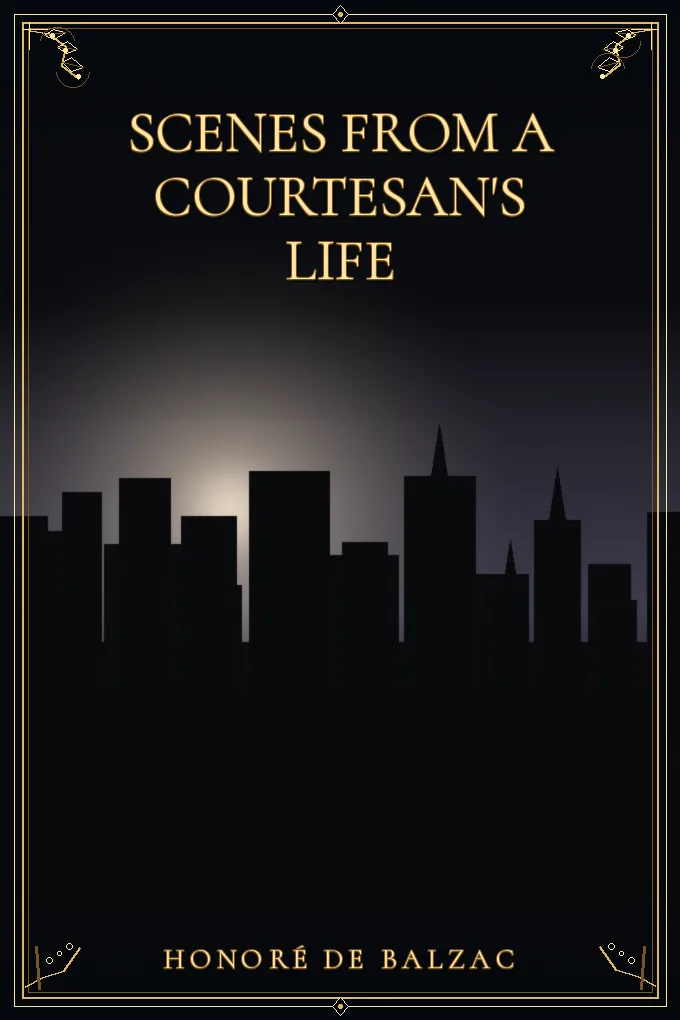
Cover illustration for Scenes from a Courtesan's Life
Context Illustration Reading 1/45 · 5 lines
English subtitles · tap any word to listen 1 / 5
Seeing him laugh, she sprang on to his knee.
Well, you must do as you please!
Bless me! plunder the men--go ahead, and I will help.
Men are not worth loving; Napoleon killed them off like flies.
Whether they pay taxes to you or to the Government, what difference does it make to them?
0:00 / 0:00
Speed 0.75x
AI-generated narration by OpenAI · Slow US English
LEARNER DICTIONARY
Archivist
/ˈɑːrkɪvɪst/
Editorial verification pending

A keeper or guardian of historical records and memories.

Scenes from a Courtesan's Life

Chapter XXII · Chapter 22

Chapter 22 of Scenes from a Courtesan's Life is here in full — 226 sentences across 46 reading sections, with audio for every sentence and word.

Reading 1/45 · 5 reading units · Lines 1–5

Line 1
Seeing him laugh, she sprang on to his knee.
/ˈsiːɪŋ hɪm læf ʃiː spræŋ ɑːn tuː hɪz niː/
Line 2
Well, you must do as you please!
/wel juː mʌst duː æz juː pliːz/
Line 3
Bless me! plunder the men--go ahead, and I will help.
Line 4
Men are not worth loving; Napoleon killed them off like flies.
/men ɑːr nɑːt wɜːrθ ˈlʌvɪŋ nəˈpoʊliən kɪld ðem ɔːf laɪk flaɪz/
Line 5
Whether they pay taxes to you or to the Government, what difference does it make to them?
/ˈweðər ðeɪ peɪ ˈtæksəz tuː juː ɔːr tuː ðə ˈɡʌvərmənt wʌt ˈdɪfərəns dʌz ɪt meɪk tuː ðem/

Learner Dictionary

These definitions explain words found in the current reading and keep every example grounded in its original sentence.

Oxford-style entry order: headword, part of speech, US IPA, concise definition, contextual example, and audio.

ahead adverb US /əˈhed/

at or in the front

From this reading “Bless me! plunder the men--go ahead, and I will help.”

Bless verb US /bles/

give a benediction to

From this reading “Bless me! plunder the men--go ahead, and I will help.”

flies noun US /flaɪz/

(theater) the space over the stage (out of view of the audience) used to store scenery (drop curtains)

From this reading “Men are not worth loving; Napoleon killed them off like flies.”

knee noun US /niː/

hinge joint in the human leg connecting the tibia and fibula with the femur and protected in front by the patella

From this reading “Seeing him laugh, she sprang on to his knee.”

loving adjective US /ˈlʌvɪŋ/

feeling or showing love and affection

From this reading “Men are not worth loving; Napoleon killed them off like flies.”

Napoleon noun US /nəˈpoʊliən/

French general who became emperor of the French (1769-1821)

From this reading “Men are not worth loving; Napoleon killed them off like flies.”

plunder noun US /ˈplʌn.dər/

Goods or treasure taken by force or theft, especially in war or banditry.

From this reading “Bless me! plunder the men--go ahead, and I will help.”

taxes noun US /ˈtæksəz/

plural of “tax” — charge against a citizen's person or property or activity for the support of government

From this reading “Whether they pay taxes to you or to the Government, what difference does it make to them?”

All words in this reading · 47

Every word in these five lines is listed here, and every one of them can be played on its own.

Dictionary details are shown only when verified; these are not licensed Oxford entries.

aheadadverbUS /əˈhed/

at or in the front

From this reading Bless me! plunder the men--go ahead, and I will help.

andconjunctionUS /ənd/

used to join words or parts of a sentence that go together

From this reading Bless me! plunder the men--go ahead, and I will help.

areauxiliary verbUS /ɑːr/

the form of “be” used with you, we, they, or a plural noun

From this reading Men are not worth loving; Napoleon killed them off like flies.

asconjunctionUS /æz/

at the same time that; because; in the way that

From this reading “Well, you must do as you please!

BlessverbUS /bles/

give a benediction to

From this reading Bless me! plunder the men--go ahead, and I will help.

differencenounUS /ˈdɪfərəns/

the quality of being unlike or dissimilar

From this reading Whether they pay taxes to you or to the Government, what difference does it make to them?

doauxiliary verbUS /duː/

used to form questions and negatives, and to give emphasis

From this reading “Well, you must do as you please!

doesauxiliary verbUS /dʌz/

the form of “do” used with he, she, it, or a singular noun

From this reading Whether they pay taxes to you or to the Government, what difference does it make to them?

fliesnounUS /flaɪz/

(theater) the space over the stage (out of view of the audience) used to store scenery (drop curtains)

From this reading Men are not worth loving; Napoleon killed them off like flies.

goverbUS /ɡoʊ/

change location; move, travel, or proceed, also metaphorically

From this reading Bless me! plunder the men--go ahead, and I will help.

GovernmentnounUS /ˈɡʌvərmənt/

the organization that is the governing authority of a political unit

From this reading Whether they pay taxes to you or to the Government, what difference does it make to them?

helpverbUS /help/

give help or assistance; be of service

From this reading Bless me! plunder the men--go ahead, and I will help.

himpronounUS /hɪm/

the male already mentioned, as the object of a verb or preposition

From this reading Seeing him laugh, she sprang on to his knee.

hisdeterminerUS /hɪz/

belonging to a man, boy, or male animal already mentioned

From this reading Seeing him laugh, she sprang on to his knee.

IpronounUS /aɪ/

the person speaking or writing, as the subject of the verb

From this reading Bless me! plunder the men--go ahead, and I will help.

itpronounUS /ɪt/

a thing, animal, or idea already mentioned

From this reading Whether they pay taxes to you or to the Government, what difference does it make to them?

killedverbUS /kɪld/

past form of “kill” — cause to die; put to death, usually intentionally or knowingly

From this reading Men are not worth loving; Napoleon killed them off like flies.

kneenounUS /niː/

hinge joint in the human leg connecting the tibia and fibula with the femur and protected in front by the patella

From this reading Seeing him laugh, she sprang on to his knee.

laughnounUS /læf/

the sound of laughing

From this reading Seeing him laugh, she sprang on to his knee.

likeverbUS /laɪk/

prefer or wish to do something

From this reading Men are not worth loving; Napoleon killed them off like flies.

lovingadjectiveUS /ˈlʌvɪŋ/

feeling or showing love and affection

From this reading Men are not worth loving; Napoleon killed them off like flies.

makeverbUS /meɪk/

engage in

From this reading Whether they pay taxes to you or to the Government, what difference does it make to them?

mepronounUS /miː/

the person speaking, as the object of a verb or preposition

From this reading Bless me! plunder the men--go ahead, and I will help.

mennounUS /men/

the force of workers available

From this reading Bless me! plunder the men--go ahead, and I will help.

mustmodal verbUS /mʌst/

used to say something is necessary, or almost certainly true

From this reading “Well, you must do as you please!

NapoleonnounUS /nəˈpoʊliən/

French general who became emperor of the French (1769-1821)

From this reading Men are not worth loving; Napoleon killed them off like flies.

notadverbUS /nɑːt/

used to make a word, phrase, or sentence negative

From this reading Men are not worth loving; Napoleon killed them off like flies.

offadverbUS /ɔːf/

from a particular thing or place or position (“forth” is obsolete)

From this reading Men are not worth loving; Napoleon killed them off like flies.

onprepositionUS /ɑːn/

touching and supported by a surface

From this reading Seeing him laugh, she sprang on to his knee.

orconjunctionUS /ɔːr/

used to join alternatives or possibilities

From this reading Whether they pay taxes to you or to the Government, what difference does it make to them?

payverbUS /peɪ/

give money, usually in exchange for goods or services

From this reading Whether they pay taxes to you or to the Government, what difference does it make to them?

pleaseverbUS /pliːz/

give pleasure to or be pleasing to

From this reading “Well, you must do as you please!

plundernounUS /ˈplʌn.dər/

Goods or treasure taken by force or theft, especially in war or banditry.

From this reading Bless me! plunder the men--go ahead, and I will help.

SeeingnounUS /ˈsiːɪŋ/

perception by means of the eyes

From this reading Seeing him laugh, she sprang on to his knee.

shepronounUS /ʃiː/

a woman, girl, or female animal already mentioned, as the subject

From this reading Seeing him laugh, she sprang on to his knee.

sprangverbUS /spræŋ/

inflected form of “spring” — move forward by leaps and bounds

From this reading Seeing him laugh, she sprang on to his knee.

taxesnounUS /ˈtæksəz/

plural of “tax” — charge against a citizen's person or property or activity for the support of government

From this reading Whether they pay taxes to you or to the Government, what difference does it make to them?

thedeterminerUS /ðə/

used before a noun that is already known, already mentioned, or the only one of its kind

From this reading Bless me! plunder the men--go ahead, and I will help.

thempronounUS /ðem/

the people or things already mentioned, as the object

From this reading Men are not worth loving; Napoleon killed them off like flies.

theypronounUS /ðeɪ/

the people, animals, or things already mentioned, as the subject

From this reading Whether they pay taxes to you or to the Government, what difference does it make to them?

toparticleUS /tuː/

used before the base form of a verb to make the infinitive

From this reading Seeing him laugh, she sprang on to his knee.

WelladverbUS /wel/

(often used as a combining form) in a good or proper or satisfactory manner or to a high standard (“good” is a nonstandard dialectal variant for “well”)

From this reading “Well, you must do as you please!

whatpronounUS /wʌt/

used to ask for information about something

From this reading Whether they pay taxes to you or to the Government, what difference does it make to them?

WhetherconjunctionUS /ˈweðər/

used to introduce two or more possibilities

From this reading Whether they pay taxes to you or to the Government, what difference does it make to them?

willmodal verbUS /wɪl/

used to talk about the future, or about willingness

From this reading Bless me! plunder the men--go ahead, and I will help.

worthnounUS /wɜːrθ/

an indefinite quantity of something having a specified value

From this reading Men are not worth loving; Napoleon killed them off like flies.

youpronounUS /juː/

the person or people being spoken to

From this reading “Well, you must do as you please!

Chapter 22 of Scenes from a Courtesan's Life by Honoré de Balzac holds 226 sentences, grouped into 46 reading sections of at most 5 sentences. The text is the public-domain source, unabridged, and the chapter records which sentences cover which part of the work so that nothing is dropped. Every word can be tapped for its pronunciation and dictionary entry.

What does chapter 22 of Scenes from a Courtesan's Life contain?

Chapter 22 holds 226 sentences of Scenes from a Courtesan's Life, unabridged, divided into 46 reading sections.

This page carries chapter 22 of Scenes from a Courtesan's Life by Honoré de Balzac exactly as it stands in the public-domain source edition, without abridgement. It runs to 226 sentences, grouped into 46 sections of at most 5 sentences so that a reader can take the chapter in steady, finishable pieces. The chapter also stores a coverage record mapping every one of its sentences to a part of the work, which is how the edition demonstrates that no line was dropped.

How do I study chapter 22 of Scenes from a Courtesan's Life?

Work through the 46 sections in order, replaying any sentence and tapping unfamiliar words for their entries.

Each of the 46 sections in this chapter is short enough to read once, hear once, and then re-read with the vocabulary in view. Tapping a word plays it alone and opens its dictionary entry with IPA, part of speech and meaning, so the reader is never forced to guess a pronunciation from spelling. Working section by section keeps a long chapter from becoming an undifferentiated wall of text, which is the usual reason a reader abandons a work of this period.

Can chapter 22 be read aloud to me?

Yes — every sentence and every individual word in chapter 22 can be played aloud in United States English.

Audio covers the whole chapter: any sentence can be played, and any single word within it can be played on its own. The voice uses United States English. For a work of this period that matters, because spelling is an unreliable guide to pronunciation for vocabulary that has fallen out of daily use, and a learner who guesses wrong tends to keep the error. Hearing the word in its own sentence, and then alone, settles it.

Questions about reading Scenes from a Courtesan's Life

Common questions about reading Scenes from a Courtesan's Life by Honoré de Balzac on this page, its source edition and its audio.

Is this the complete text of Scenes from a Courtesan's Life?

Yes. All 9211 sentences of Project Gutenberg eBook #1660 are kept, with a record of which sentences cover which part.

Which edition of Scenes from a Courtesan's Life is used?

Project Gutenberg eBook #1660, a public-domain edition. The Project Gutenberg header, footer and licence are removed.

How long does Scenes from a Courtesan's Life take to read?

About 600 minutes of reading across 1843 sections of 5 sentences each, at an unhurried pace.

How to read Scenes from a Courtesan's Life section by section

How to work through Scenes from a Courtesan's Life section by section, using the audio and the tap-to-define vocabulary.

  1. Open a chapter

    Choose one of the 40 chapters of Scenes from a Courtesan's Life to begin.

  2. Read one section

    Each section holds 5 sentences; read it once through.

  3. Listen and tap

    Play the section aloud, then tap any unfamiliar word for its entry.

Vocabulary met early in Scenes from a Courtesan's Life

Words and structures a reader meets early in Scenes from a Courtesan's Life, each tappable for pronunciation and meaning.

Preparer
A word that appears in the opening chapter of Scenes from a Courtesan's Life; the reader can tap it to hear it and see its dictionary entry.
Story
A word that appears in the opening chapter of Scenes from a Courtesan's Life; the reader can tap it to hear it and see its dictionary entry.
Lucien
A word that appears in the opening chapter of Scenes from a Courtesan's Life; the reader can tap it to hear it and see its dictionary entry.
Rubempre
A word that appears in the opening chapter of Scenes from a Courtesan's Life; the reader can tap it to hear it and see its dictionary entry.