used before a singular noun to mean one of a group, when it is not a particular one
From this reading A number of words in this book have both hyphenated and non-hyphenated variants.
past form of “add” — make an addition (to); join or combine or unite with others; increase the quality, quantity, size or scope of
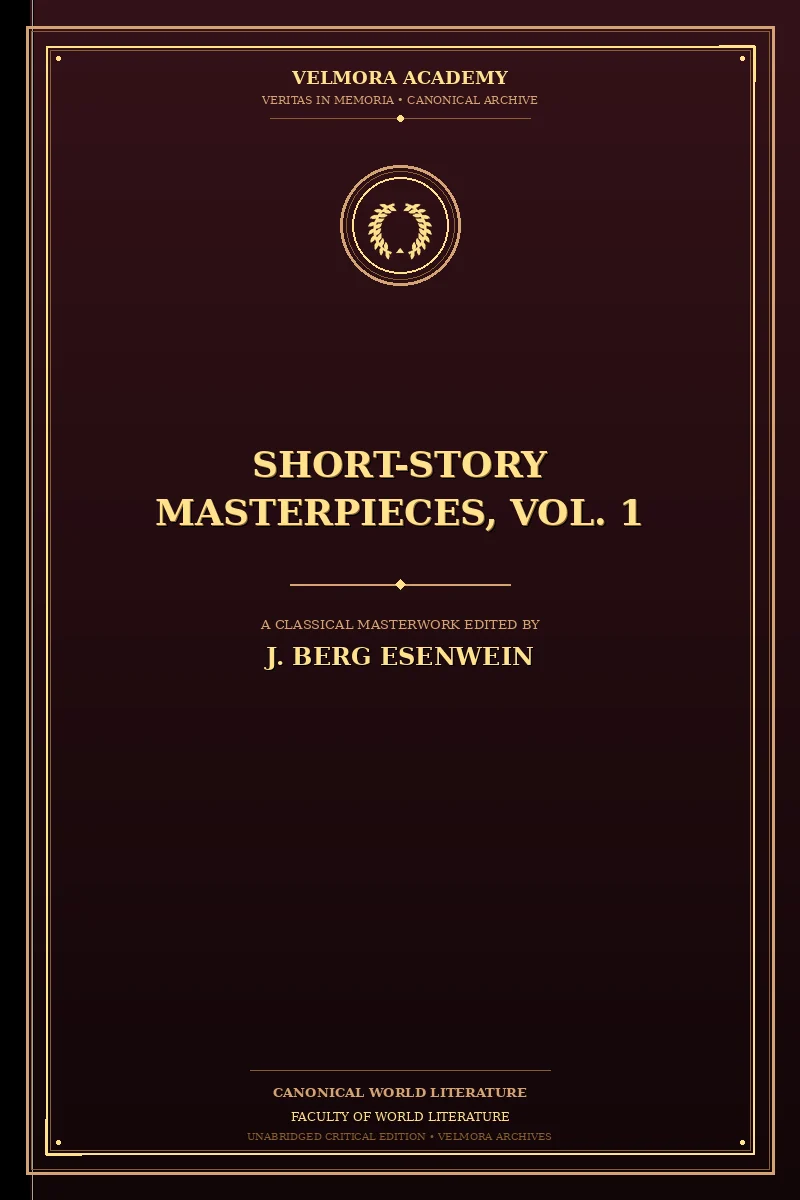
From this reading The book cover was modified by the Transcriber and has been added to the public domain.
used to join words or parts of a sentence that go together
From this reading In the plain text version text in italics is enclosed by underscores (_italics_), small caps are represented in upper case as in SMALL CAPS and words in bold are represented as in =bold=.
areauxiliary verbUS /ɑːr/
the form of “be” used with you, we, they, or a plural noun
From this reading In the plain text version text in italics is enclosed by underscores (_italics_), small caps are represented in upper case as in SMALL CAPS and words in bold are represented as in =bold=.
at the same time that; because; in the way that
From this reading In the plain text version text in italics is enclosed by underscores (_italics_), small caps are represented in upper case as in SMALL CAPS and words in bold are represented as in =bold=.
beenauxiliary verbUS /bɪn/
the past participle of “be”
From this reading For the words with both variants present the one more used has been kept.
fearless and daring
From this reading In the plain text version text in italics is enclosed by underscores (_italics_), small caps are represented in upper case as in SMALL CAPS and words in bold are represented as in =bold=.
a written work or composition that has been published (printed on pages bound together)
From this reading A number of words in this book have both hyphenated and non-hyphenated variants.
the two together, not just one
From this reading A number of words in this book have both hyphenated and non-hyphenated variants.
showing who or what does the action
From this reading In the plain text version text in italics is enclosed by underscores (_italics_), small caps are represented in upper case as in SMALL CAPS and words in bold are represented as in =bold=.
capsnounUS /kæps/
plural of “cap” — a tight-fitting headdress
From this reading In the plain text version text in italics is enclosed by underscores (_italics_), small caps are represented in upper case as in SMALL CAPS and words in bold are represented as in =bold=.
an occurrence of something
From this reading In the plain text version text in italics is enclosed by underscores (_italics_), small caps are represented in upper case as in SMALL CAPS and words in bold are represented as in =bold=.
correctedadjectiveUS /kərˈektəd/
having something undesirable neutralized
From this reading Obvious punctuation and other printing errors have been corrected.
provide with a covering or cause to be covered
From this reading The book cover was modified by the Transcriber and has been added to the public domain.
domainnounUS /doʊˈmeɪn/
a particular environment or walk of life
From this reading The book cover was modified by the Transcriber and has been added to the public domain.
enclosedadjectiveUS /enˈkloʊzd/
closed in or surrounded or included within
From this reading In the plain text version text in italics is enclosed by underscores (_italics_), small caps are represented in upper case as in SMALL CAPS and words in bold are represented as in =bold=.
errorsnounUS /ˈerərz/
plural of “error” — a wrong action attributable to bad judgment or ignorance or inattention
From this reading Obvious punctuation and other printing errors have been corrected.
intended to be given to, or used by, somebody
From this reading For the words with both variants present the one more used has been kept.
hasauxiliary verbUS /hæz/
the form of “have” used with he, she, it, or a singular noun
From this reading For the words with both variants present the one more used has been kept.
haveauxiliary verbUS /hæv/
used with a past participle to form the perfect tenses
From this reading A number of words in this book have both hyphenated and non-hyphenated variants.
hyphenatedverbUS /ˈhaɪfəneɪtɪd/
past form of “hyphenate” — divide or connect with a hyphen
From this reading A number of words in this book have both hyphenated and non-hyphenated variants.
inside something, or within a place, period, or state
From this reading In the plain text version text in italics is enclosed by underscores (_italics_), small caps are represented in upper case as in SMALL CAPS and words in bold are represented as in =bold=.
the form of “be” used with he, she, it, or a singular noun
From this reading In the plain text version text in italics is enclosed by underscores (_italics_), small caps are represented in upper case as in SMALL CAPS and words in bold are represented as in =bold=.
italicsnounUS /aɪˈtælɪks/
plural of “italic” — a style of handwriting with the letters slanting to the right
From this reading In the plain text version text in italics is enclosed by underscores (_italics_), small caps are represented in upper case as in SMALL CAPS and words in bold are represented as in =bold=.
(especially of promises or contracts) not violated or disregarded
From this reading For the words with both variants present the one more used has been kept.
modifiedadjectiveUS /ˈmɑːdəfaɪd/
changed in form or character
From this reading The book cover was modified by the Transcriber and has been added to the public domain.
(comparative of “much” used with mass nouns) a quantifier meaning greater in size or amount or extent or degree
From this reading For the words with both variants present the one more used has been kept.
non-hyphenated
Dictionary entry pending editorial verification. Tap Listen to hear the word.
From this reading A number of words in this book have both hyphenated and non-hyphenated variants.
the property possessed by a sum or total or indefinite quantity of units or individuals
From this reading A number of words in this book have both hyphenated and non-hyphenated variants.
ObviousadjectiveUS /ˈɑːbviəs/
easily perceived by the senses or grasped by the mind
From this reading Obvious punctuation and other printing errors have been corrected.
belonging to, or connected with, somebody or something
From this reading A number of words in this book have both hyphenated and non-hyphenated variants.
used to mean any person in general, including the speaker
From this reading For the words with both variants present the one more used has been kept.
not the same one or ones already mentioned or implied
From this reading Obvious punctuation and other printing errors have been corrected.
clearly revealed to the mind or the senses or judgment
From this reading In the plain text version text in italics is enclosed by underscores (_italics_), small caps are represented in upper case as in SMALL CAPS and words in bold are represented as in =bold=.
give an exhibition of to an interested audience
From this reading For the words with both variants present the one more used has been kept.
printingnounUS /ˈprɪntɪŋ/
text handwritten in the style of printed matter
From this reading Obvious punctuation and other printing errors have been corrected.
people in general considered as a whole
From this reading The book cover was modified by the Transcriber and has been added to the public domain.
punctuationnounUS /ˌpʌŋktʃuːˈeɪʃən/
something that makes repeated and regular interruptions or divisions
From this reading Obvious punctuation and other printing errors have been corrected.
representedadjectiveUS /ˌreprɪˈzentɪd/
represented accurately or precisely
From this reading In the plain text version text in italics is enclosed by underscores (_italics_), small caps are represented in upper case as in SMALL CAPS and words in bold are represented as in =bold=.
limited or below average in number or quantity or magnitude or extent
From this reading In the plain text version text in italics is enclosed by underscores (_italics_), small caps are represented in upper case as in SMALL CAPS and words in bold are represented as in =bold=.
textnounUS /tekst/
the words of something written
From this reading In the plain text version text in italics is enclosed by underscores (_italics_), small caps are represented in upper case as in SMALL CAPS and words in bold are represented as in =bold=.
used before a noun that is already known, already mentioned, or the only one of its kind
From this reading In the plain text version text in italics is enclosed by underscores (_italics_), small caps are represented in upper case as in SMALL CAPS and words in bold are represented as in =bold=.
used for a person or thing that is near, or that has just been mentioned
From this reading A number of words in this book have both hyphenated and non-hyphenated variants.
used before the base form of a verb to make the infinitive
From this reading The book cover was modified by the Transcriber and has been added to the public domain.
TranscribernounUS /trænˈskraɪbər/
a person who translates written messages from one language to another
From this reading The book cover was modified by the Transcriber and has been added to the public domain.
underscoresnounUS /ˌʌndərˈskɔːrz/
plural of “underscore” — a line drawn underneath (especially under written matter)
From this reading In the plain text version text in italics is enclosed by underscores (_italics_), small caps are represented in upper case as in SMALL CAPS and words in bold are represented as in =bold=.
the topmost one of two
From this reading In the plain text version text in italics is enclosed by underscores (_italics_), small caps are represented in upper case as in SMALL CAPS and words in bold are represented as in =bold=.
employed in accomplishing something
From this reading For the words with both variants present the one more used has been kept.
variantsnounUS /ˈveriənts/
plural of “variant” — an event that departs from expectations
From this reading A number of words in this book have both hyphenated and non-hyphenated variants.
versionnounUS /ˈvɜːrʒən/
an interpretation of a matter from a particular viewpoint
From this reading In the plain text version text in italics is enclosed by underscores (_italics_), small caps are represented in upper case as in SMALL CAPS and words in bold are represented as in =bold=.
wasauxiliary verbUS /wɑːz/
the past form of “be” used with I, he, she, it, or a singular noun
From this reading The book cover was modified by the Transcriber and has been added to the public domain.
in the company of; together with
From this reading For the words with both variants present the one more used has been kept.
the words that are spoken
From this reading In the plain text version text in italics is enclosed by underscores (_italics_), small caps are represented in upper case as in SMALL CAPS and words in bold are represented as in =bold=.