Complete classic literature • Five-line readings • Clear US narration
VELMORA ACADEMY
Academy of Archival Languages & Memory Studies
Menu Close
Stories of Mystery
Stories of Mystery

Chapter V · Chapter 5

Chapter 5 of Stories of Mystery is here in full — 455 sentences across 91 reading sections, with audio for every sentence and word.

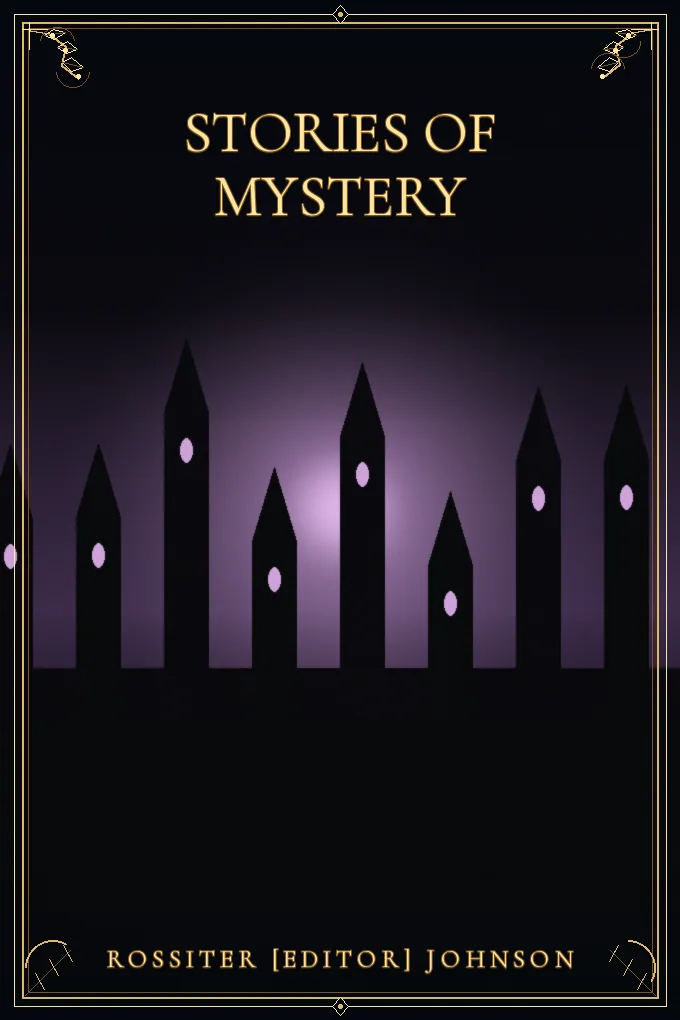
Cover illustration for Stories of Mystery
Context Illustration Reading 1/91 · 5 lines
English subtitles · tap any word to listen 1 / 5
"Halloa!
Below!"
From looking down the Line, he turned himself about again, and, raising his eyes, saw my figure high above him.
"Is there any path by which I can come down and speak to you?"
He looked up at me without replying, and I looked down at him without pressing him too soon with a repetition of my idle question.
0:00 / 0:00
Speed 0.75x
AI-generated narration by OpenAI · Slow US English
LEARNER DICTIONARY
Archivist
/ˈɑːrkɪvɪst/
Editorial verification pending

A keeper or guardian of historical records and memories.

Stories of Mystery

Chapter V · Chapter 5

Chapter 5 of Stories of Mystery is here in full — 455 sentences across 91 reading sections, with audio for every sentence and word.

Reading 1/91 · 5 reading units · Lines 1–5

Line 1
"Halloa!
Line 2
Below!"
/bɪˈloʊ/
Line 3
From looking down the Line, he turned himself about again, and, raising his eyes, saw my figure high above him.
/frʌm ˈlʊkɪŋ daʊn ðə laɪn hiː tɜːrnd hɪmˈself əˈbaʊt əˈɡen ənd ˈreɪzɪŋ hɪz aɪz sɔː maɪ ˈfɪɡjər haɪ əˈbʌv hɪm/
Line 4
"Is there any path by which I can come down and speak to you?"
/ɪz ðer ˈeni pæθ baɪ wɪtʃ aɪ kæn kʌm daʊn ənd spiːk tuː juː/
Line 5
He looked up at me without replying, and I looked down at him without pressing him too soon with a repetition of my idle question.
/hiː lʊkt ʌp æt miː wɪˈθaʊt rɪˈplaɪɪŋ ənd aɪ lʊkt daʊn æt hɪm wɪˈθaʊt ˈpresɪŋ hɪm tuː suːn wɪð ə ˌrepəˈtɪʃən ʌv maɪ ˈaɪdəl ˈkwestʃən/

Learner Dictionary

These definitions explain words found in the current reading and keep every example grounded in its original sentence.

Oxford-style entry order: headword, part of speech, US IPA, concise definition, contextual example, and audio.

Below preposition US /bɪˈloʊ/

at or to a lower level than something

From this reading “Below!"”

figure noun US /ˈfɪɡjər/

a diagram or picture illustrating textual material

From this reading “From looking down the Line, he turned himself about again, and, raising his eyes, saw my figure high above him.”

idle adjective US /ˈaɪdəl/

not in action or at work

From this reading “He looked up at me without replying, and I looked down at him without pressing him too soon with a repetition of my idle question.”

path noun US /pæθ/

a course of conduct

From this reading “"Is there any path by which I can come down and speak to you?"”

pressing noun US /ˈpresɪŋ/

the act of pressing; the exertion of pressure

From this reading “He looked up at me without replying, and I looked down at him without pressing him too soon with a repetition of my idle question.”

raising noun US /ˈreɪzɪŋ/

the event of something being raised upward

From this reading “From looking down the Line, he turned himself about again, and, raising his eyes, saw my figure high above him.”

repetition noun US /ˌrepəˈtɪʃən/

an event that repeats

From this reading “He looked up at me without replying, and I looked down at him without pressing him too soon with a repetition of my idle question.”

replying verb US /rɪˈplaɪɪŋ/

-ing form of “reply” — react verbally

From this reading “He looked up at me without replying, and I looked down at him without pressing him too soon with a repetition of my idle question.”

All words in this reading · 49

Every word in these five lines is listed here, and every one of them can be played on its own.

Dictionary details are shown only when verified; these are not licensed Oxford entries.

adeterminerUS /ə/

used before a singular noun to mean one of a group, when it is not a particular one

From this reading He looked up at me without replying, and I looked down at him without pressing him too soon with a repetition of my idle question.

aboutprepositionUS /əˈbaʊt/

on the subject of; concerning

From this reading From looking down the Line, he turned himself about again, and, raising his eyes, saw my figure high above him.

aboveprepositionUS /əˈbʌv/

higher than, or over, something

From this reading From looking down the Line, he turned himself about again, and, raising his eyes, saw my figure high above him.

againadverbUS /əˈɡen/

anew

From this reading From looking down the Line, he turned himself about again, and, raising his eyes, saw my figure high above him.

andconjunctionUS /ənd/

used to join words or parts of a sentence that go together

From this reading From looking down the Line, he turned himself about again, and, raising his eyes, saw my figure high above him.

anyadjectiveUS /ˈeni/

one or some or every or all without specification

From this reading "Is there any path by which I can come down and speak to you?"

atprepositionUS /æt/

in or near a particular place or position

From this reading He looked up at me without replying, and I looked down at him without pressing him too soon with a repetition of my idle question.

BelowprepositionUS /bɪˈloʊ/

at or to a lower level than something

From this reading Below!"

byprepositionUS /baɪ/

showing who or what does the action

From this reading "Is there any path by which I can come down and speak to you?"

canmodal verbUS /kæn/

to be able to, or to be allowed to

From this reading "Is there any path by which I can come down and speak to you?"

comeverbUS /kʌm/

move toward, travel toward something or somebody or approach something or somebody

From this reading "Is there any path by which I can come down and speak to you?"

downadjectiveUS /daʊn/

being or moving lower in position or less in some value

From this reading From looking down the Line, he turned himself about again, and, raising his eyes, saw my figure high above him.

eyesnounUS /aɪz/

opinion or judgment

From this reading From looking down the Line, he turned himself about again, and, raising his eyes, saw my figure high above him.

figurenounUS /ˈfɪɡjər/

a diagram or picture illustrating textual material

From this reading From looking down the Line, he turned himself about again, and, raising his eyes, saw my figure high above him.

FromprepositionUS /frʌm/

showing where something starts, or who sent it

From this reading From looking down the Line, he turned himself about again, and, raising his eyes, saw my figure high above him.

Halloa

Dictionary entry pending editorial verification. Tap Listen to hear the word.

From this reading "Halloa!

hepronounUS /hiː/

a man, boy, or male animal already mentioned, as the subject

From this reading From looking down the Line, he turned himself about again, and, raising his eyes, saw my figure high above him.

highadjectiveUS /haɪ/

greater than normal in degree or intensity or amount

From this reading From looking down the Line, he turned himself about again, and, raising his eyes, saw my figure high above him.

himpronounUS /hɪm/

the male already mentioned, as the object of a verb or preposition

From this reading From looking down the Line, he turned himself about again, and, raising his eyes, saw my figure high above him.

himselfpronounUS /hɪmˈself/

used when the man or boy doing the action is also its object

From this reading From looking down the Line, he turned himself about again, and, raising his eyes, saw my figure high above him.

hisdeterminerUS /hɪz/

belonging to a man, boy, or male animal already mentioned

From this reading From looking down the Line, he turned himself about again, and, raising his eyes, saw my figure high above him.

IpronounUS /aɪ/

the person speaking or writing, as the subject of the verb

From this reading "Is there any path by which I can come down and speak to you?"

idleadjectiveUS /ˈaɪdəl/

not in action or at work

From this reading He looked up at me without replying, and I looked down at him without pressing him too soon with a repetition of my idle question.

Isauxiliary verbUS /ɪz/

the form of “be” used with he, she, it, or a singular noun

From this reading "Is there any path by which I can come down and speak to you?"

LinenounUS /laɪn/

a formation of people or things one beside another

From this reading From looking down the Line, he turned himself about again, and, raising his eyes, saw my figure high above him.

lookedverbUS /lʊkt/

past form of “look” — perceive with attention; direct one's gaze towards

From this reading He looked up at me without replying, and I looked down at him without pressing him too soon with a repetition of my idle question.

lookingnounUS /ˈlʊkɪŋ/

the act of directing the eyes toward something and perceiving it visually

From this reading From looking down the Line, he turned himself about again, and, raising his eyes, saw my figure high above him.

mepronounUS /miː/

the person speaking, as the object of a verb or preposition

From this reading He looked up at me without replying, and I looked down at him without pressing him too soon with a repetition of my idle question.

mydeterminerUS /maɪ/

belonging to the person speaking

From this reading From looking down the Line, he turned himself about again, and, raising his eyes, saw my figure high above him.

ofprepositionUS /ʌv/

belonging to, or connected with, somebody or something

From this reading He looked up at me without replying, and I looked down at him without pressing him too soon with a repetition of my idle question.

pathnounUS /pæθ/

a course of conduct

From this reading "Is there any path by which I can come down and speak to you?"

pressingnounUS /ˈpresɪŋ/

the act of pressing; the exertion of pressure

From this reading He looked up at me without replying, and I looked down at him without pressing him too soon with a repetition of my idle question.

questionverbUS /ˈkwestʃən/

challenge the accuracy, probity, or propriety of

From this reading He looked up at me without replying, and I looked down at him without pressing him too soon with a repetition of my idle question.

raisingnounUS /ˈreɪzɪŋ/

the event of something being raised upward

From this reading From looking down the Line, he turned himself about again, and, raising his eyes, saw my figure high above him.

repetitionnounUS /ˌrepəˈtɪʃən/

an event that repeats

From this reading He looked up at me without replying, and I looked down at him without pressing him too soon with a repetition of my idle question.

replyingverbUS /rɪˈplaɪɪŋ/

-ing form of “reply” — react verbally

From this reading He looked up at me without replying, and I looked down at him without pressing him too soon with a repetition of my idle question.

sawverbUS /sɔː/

cut with a saw

From this reading From looking down the Line, he turned himself about again, and, raising his eyes, saw my figure high above him.

soonadverbUS /suːn/

in the near future

From this reading He looked up at me without replying, and I looked down at him without pressing him too soon with a repetition of my idle question.

speakverbUS /spiːk/

express in speech

From this reading "Is there any path by which I can come down and speak to you?"

thedeterminerUS /ðə/

used before a noun that is already known, already mentioned, or the only one of its kind

From this reading From looking down the Line, he turned himself about again, and, raising his eyes, saw my figure high above him.

thereadverbUS /ðer/

in or at that place or location

From this reading "Is there any path by which I can come down and speak to you?"

toparticleUS /tuː/

used before the base form of a verb to make the infinitive

From this reading "Is there any path by which I can come down and speak to you?"

tooadverbUS /tuː/

to a degree exceeding normal or proper limits

From this reading He looked up at me without replying, and I looked down at him without pressing him too soon with a repetition of my idle question.

turnedadjectiveUS /tɜːrnd/

moved around an axis or center

From this reading From looking down the Line, he turned himself about again, and, raising his eyes, saw my figure high above him.

upadjectiveUS /ʌp/

being or moving higher in position or greater in some value; being above a former position or level

From this reading He looked up at me without replying, and I looked down at him without pressing him too soon with a repetition of my idle question.

whichpronounUS /wɪtʃ/

used to introduce a clause giving more about a thing just mentioned

From this reading "Is there any path by which I can come down and speak to you?"

withprepositionUS /wɪð/

in the company of; together with

From this reading He looked up at me without replying, and I looked down at him without pressing him too soon with a repetition of my idle question.

withoutprepositionUS /wɪˈθaʊt/

not having, not using, or not accompanied by

From this reading He looked up at me without replying, and I looked down at him without pressing him too soon with a repetition of my idle question.

youpronounUS /juː/

the person or people being spoken to

From this reading "Is there any path by which I can come down and speak to you?"

Chapter 5 of Stories of Mystery by Rossiter [Editor] Johnson holds 455 sentences, grouped into 91 reading sections of at most 5 sentences. The text is the source edition, unabridged, and the chapter records which sentences cover which part of the work so that nothing is dropped. Every word can be tapped for its pronunciation and dictionary entry.

What does chapter 5 of Stories of Mystery contain?

Chapter 5 holds 455 sentences of Stories of Mystery, unabridged, divided into 91 reading sections.

This page carries chapter 5 of Stories of Mystery by Rossiter [Editor] Johnson exactly as it stands in the source edition, without abridgement. It runs to 455 sentences, grouped into 91 sections of at most 5 sentences so that a reader can take the chapter in steady, finishable pieces. The chapter also stores a coverage record mapping every one of its sentences to a part of the work, which is how the edition demonstrates that no line was dropped.

How do I study chapter 5 of Stories of Mystery?

Work through the 91 sections in order, replaying any sentence and tapping unfamiliar words for their entries.

Each of the 91 sections in this chapter is short enough to read once, hear once, and then re-read with the vocabulary in view. Tapping a word plays it alone and opens its dictionary entry with IPA, part of speech and meaning, so the reader is never forced to guess a pronunciation from spelling. Working section by section keeps a long chapter from becoming an undifferentiated wall of text, which is the usual reason a reader abandons a work of this period.

Can chapter 5 be read aloud to me?

Yes — every sentence and every individual word in chapter 5 can be played aloud in United States English.

Audio covers the whole chapter: any sentence can be played, and any single word within it can be played on its own. The voice uses United States English. For a work of this period that matters, because spelling is an unreliable guide to pronunciation for vocabulary that has fallen out of daily use, and a learner who guesses wrong tends to keep the error. Hearing the word in its own sentence, and then alone, settles it.

Questions about reading Stories of Mystery

Common questions about reading Stories of Mystery by Rossiter [Editor] Johnson on this page, its source edition and its audio.

Is this the complete text of Stories of Mystery?

Yes. All 3095 sentences of Project Gutenberg eBook #16405 are kept, with a record of which sentences cover which part.

Which edition of Stories of Mystery is used?

Project Gutenberg eBook #16405, unabridged. The Project Gutenberg header, footer and licence are removed.

How long does Stories of Mystery take to read?

About 257 minutes of reading across 619 sections of 5 sentences each, at an unhurried pace.

How to read Stories of Mystery section by section

How to work through Stories of Mystery section by section, using the audio and the tap-to-define vocabulary.

  1. Open a chapter

    Choose one of the 7 chapters of Stories of Mystery to begin.

  2. Read one section

    Each section holds 5 sentences; read it once through.

  3. Listen and tap

    Play the section aloud, then tap any unfamiliar word for its entry.

Vocabulary met early in Stories of Mystery

Words and structures a reader meets early in Stories of Mystery, each tappable for pronunciation and meaning.

Boston
A word that appears in the opening chapter of Stories of Mystery; the reader can tap it to hear it and see its dictionary entry.
Houghton
A word that appears in the opening chapter of Stories of Mystery; the reader can tap it to hear it and see its dictionary entry.
Mifflin
A word that appears in the opening chapter of Stories of Mystery; the reader can tap it to hear it and see its dictionary entry.
Company
A word that appears in the opening chapter of Stories of Mystery; the reader can tap it to hear it and see its dictionary entry.