Complete classic literature • Five-line readings • Clear US narration
VELMORA ACADEMY
Academy of Archival Languages & Memory Studies
Menu Close
Suzanna stirs the fire

Chapter XVI · Chapter 16

Chapter 16 of Suzanna stirs the fire is here in full — 198 sentences across 40 reading sections, with audio for every sentence and word.

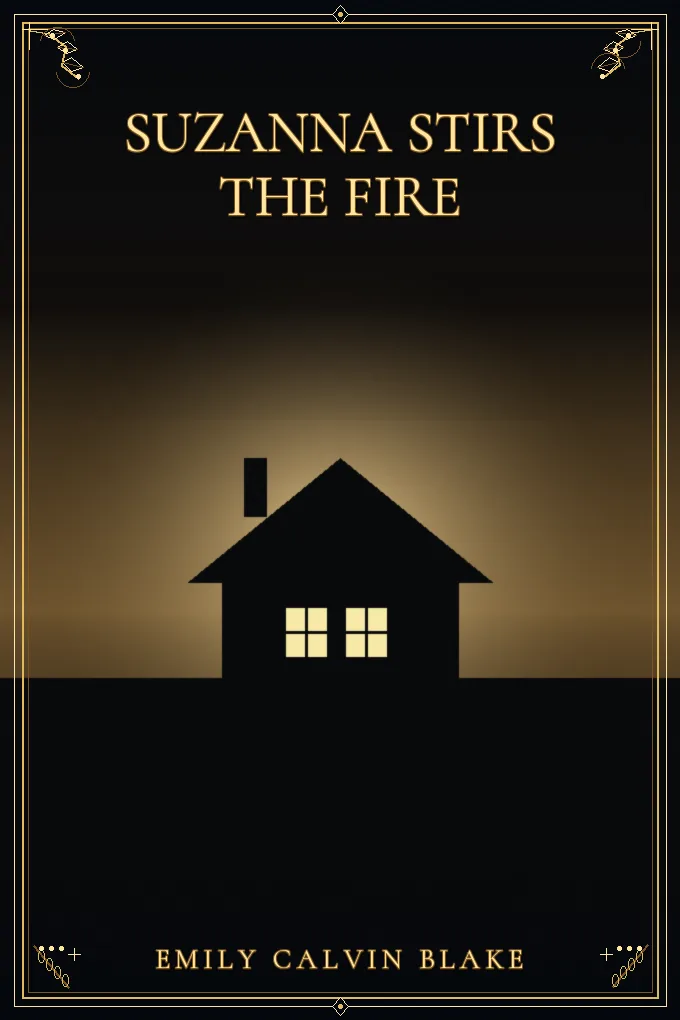
Cover illustration for Suzanna stirs the fire
Context Illustration Reading 1/39 · 5 lines
English subtitles · tap any word to listen 1 / 5
SUZANNA AIDS CUPID "Mother dear," asked Suzanna one day, "if the Eagle Man's sick, don't you think I ought to go and see him?"

Mrs. Procter hesitated.
She looked into the earnest dark eyes raised to hers.
"Well, dear, perhaps it would be kind," she said.
"I ought to take him some flowers," Suzanna pursued.
0:00 / 0:00
Speed 0.75x
AI-generated narration by OpenAI · Slow US English
LEARNER DICTIONARY
Archivist
/ˈɑːrkɪvɪst/
Editorial verification pending

A keeper or guardian of historical records and memories.

Suzanna stirs the fire

Chapter XVI · Chapter 16

Chapter 16 of Suzanna stirs the fire is here in full — 198 sentences across 40 reading sections, with audio for every sentence and word.

Reading 1/39 · 5 reading units · Lines 1–5

Line 1
SUZANNA AIDS CUPID "Mother dear," asked Suzanna one day, "if the Eagle Man's sick, don't you think I ought to go and see him?"
Line 2
Mrs. Procter hesitated.
Line 3
She looked into the earnest dark eyes raised to hers.
/ʃiː lʊkt ˈɪntuː ðə ˈɜːrnɪst dɑːrk aɪz reɪzd tuː hərz/
Line 4
"Well, dear, perhaps it would be kind," she said.
/wel dɪr pərˈhæps ɪt wʊd biː kaɪnd ʃiː sed/
Line 5
"I ought to take him some flowers," Suzanna pursued.

Learner Dictionary

These definitions explain words found in the current reading and keep every example grounded in its original sentence.

Oxford-style entry order: headword, part of speech, US IPA, concise definition, contextual example, and audio.

aids noun US /eɪdz/

a serious (often fatal) disease of the immune system transmitted through blood products especially by sexual contact or contaminated needles

From this reading “SUZANNA AIDS CUPID "Mother dear," asked Suzanna one day, "if the Eagle Man's sick, don't you think I ought to go and see him?"”

cupid noun US /ˈkjuːpɪd/

(Roman mythology) god of love; counterpart of Greek Eros

From this reading “SUZANNA AIDS CUPID "Mother dear," asked Suzanna one day, "if the Eagle Man's sick, don't you think I ought to go and see him?"”

Eagle noun US /ˈiːɡəl/

any of various large keen-sighted diurnal birds of prey noted for their broad wings and strong soaring flight

From this reading “SUZANNA AIDS CUPID "Mother dear," asked Suzanna one day, "if the Eagle Man's sick, don't you think I ought to go and see him?"”

earnest adjective US /ˈɜːrnɪst/

characterized by a firm and humorless belief in the validity of your opinions

From this reading “She looked into the earnest dark eyes raised to hers.”

hers pronoun US /hərz/

the one or ones belonging to her

From this reading “She looked into the earnest dark eyes raised to hers.”

hesitated verb US /ˈhezɪteɪtɪd/

past form of “hesitate” — pause or hold back in uncertainty or unwillingness

From this reading “Mrs. Procter hesitated.”

pursued noun US /pərˈsuːd/

a person who is being chased

From this reading “"I ought to take him some flowers," Suzanna pursued.”

sick adjective US /sɪk/

affected by an impairment of normal physical or mental function

From this reading “SUZANNA AIDS CUPID "Mother dear," asked Suzanna one day, "if the Eagle Man's sick, don't you think I ought to go and see him?"”

All words in this reading · 45

Every word in these five lines is listed here, and every one of them can be played on its own.

Dictionary details are shown only when verified; these are not licensed Oxford entries.

AIDSnounUS /eɪdz/

a serious (often fatal) disease of the immune system transmitted through blood products especially by sexual contact or contaminated needles

From this reading SUZANNA AIDS CUPID "Mother dear," asked Suzanna one day, "if the Eagle Man's sick, don't you think I ought to go and see him?"

andconjunctionUS /ənd/

used to join words or parts of a sentence that go together

From this reading SUZANNA AIDS CUPID "Mother dear," asked Suzanna one day, "if the Eagle Man's sick, don't you think I ought to go and see him?"

askedverbUS /æskt/

past form of “ask” — make a request or demand for something to somebody

From this reading SUZANNA AIDS CUPID "Mother dear," asked Suzanna one day, "if the Eagle Man's sick, don't you think I ought to go and see him?"

beauxiliary verbUS /biː/

used with a past participle to form the passive, or with -ing for continuous tenses

From this reading "Well, dear, perhaps it would be kind," she said.

CUPIDnounUS /ˈkjuːpɪd/

(Roman mythology) god of love; counterpart of Greek Eros

From this reading SUZANNA AIDS CUPID "Mother dear," asked Suzanna one day, "if the Eagle Man's sick, don't you think I ought to go and see him?"

darknounUS /dɑːrk/

absence of light or illumination

From this reading She looked into the earnest dark eyes raised to hers.

daynounUS /deɪ/

time for Earth to make a complete rotation on its axis

From this reading SUZANNA AIDS CUPID "Mother dear," asked Suzanna one day, "if the Eagle Man's sick, don't you think I ought to go and see him?"

dearadjectiveUS /dɪr/

dearly loved

From this reading SUZANNA AIDS CUPID "Mother dear," asked Suzanna one day, "if the Eagle Man's sick, don't you think I ought to go and see him?"

don't

Dictionary entry pending editorial verification. Tap Listen to hear the word.

From this reading SUZANNA AIDS CUPID "Mother dear," asked Suzanna one day, "if the Eagle Man's sick, don't you think I ought to go and see him?"

EaglenounUS /ˈiːɡəl/

any of various large keen-sighted diurnal birds of prey noted for their broad wings and strong soaring flight

From this reading SUZANNA AIDS CUPID "Mother dear," asked Suzanna one day, "if the Eagle Man's sick, don't you think I ought to go and see him?"

earnestadjectiveUS /ˈɜːrnɪst/

characterized by a firm and humorless belief in the validity of your opinions

From this reading She looked into the earnest dark eyes raised to hers.

eyesnounUS /aɪz/

opinion or judgment

From this reading She looked into the earnest dark eyes raised to hers.

flowersnounUS /ˈflaʊərz/

plural of “flower” — a plant cultivated for its blooms or blossoms

From this reading "I ought to take him some flowers," Suzanna pursued.

goverbUS /ɡoʊ/

change location; move, travel, or proceed, also metaphorically

From this reading SUZANNA AIDS CUPID "Mother dear," asked Suzanna one day, "if the Eagle Man's sick, don't you think I ought to go and see him?"

herspronounUS /hərz/

the one or ones belonging to her

From this reading She looked into the earnest dark eyes raised to hers.

hesitatedverbUS /ˈhezɪteɪtɪd/

past form of “hesitate” — pause or hold back in uncertainty or unwillingness

From this reading Mrs. Procter hesitated.

himpronounUS /hɪm/

the male already mentioned, as the object of a verb or preposition

From this reading SUZANNA AIDS CUPID "Mother dear," asked Suzanna one day, "if the Eagle Man's sick, don't you think I ought to go and see him?"

IpronounUS /aɪ/

the person speaking or writing, as the subject of the verb

From this reading SUZANNA AIDS CUPID "Mother dear," asked Suzanna one day, "if the Eagle Man's sick, don't you think I ought to go and see him?"

ifconjunctionUS /ɪf/

on condition that; in the event that

From this reading SUZANNA AIDS CUPID "Mother dear," asked Suzanna one day, "if the Eagle Man's sick, don't you think I ought to go and see him?"

intoprepositionUS /ˈɪntuː/

moving to the inside of something

From this reading She looked into the earnest dark eyes raised to hers.

itpronounUS /ɪt/

a thing, animal, or idea already mentioned

From this reading "Well, dear, perhaps it would be kind," she said.

kindadjectiveUS /kaɪnd/

having or showing a tender and considerate and helpful nature; used especially of persons and their behavior

From this reading "Well, dear, perhaps it would be kind," she said.

lookedverbUS /lʊkt/

past form of “look” — perceive with attention; direct one's gaze towards

From this reading She looked into the earnest dark eyes raised to hers.

Man'snounUS /mænz/

possessive form of “man” — an adult person who is male (as opposed to a woman)

From this reading SUZANNA AIDS CUPID "Mother dear," asked Suzanna one day, "if the Eagle Man's sick, don't you think I ought to go and see him?"

MothernounUS /ˈmʌðər/

a woman who has given birth to a child (also used as a term of address to your mother)

From this reading SUZANNA AIDS CUPID "Mother dear," asked Suzanna one day, "if the Eagle Man's sick, don't you think I ought to go and see him?"

MrsnounUS /ˈmɪsɪz/

a form of address for a married woman

From this reading Mrs. Procter hesitated.

onepronounUS /wʌn/

used to mean any person in general, including the speaker

From this reading SUZANNA AIDS CUPID "Mother dear," asked Suzanna one day, "if the Eagle Man's sick, don't you think I ought to go and see him?"

oughtmodal verbUS /ɔːt/

used with “to” to say what is right or advisable

From this reading SUZANNA AIDS CUPID "Mother dear," asked Suzanna one day, "if the Eagle Man's sick, don't you think I ought to go and see him?"

perhapsadverbUS /pərˈhæps/

by chance

From this reading "Well, dear, perhaps it would be kind," she said.

Procter

Dictionary entry pending editorial verification. Tap Listen to hear the word.

From this reading Mrs. Procter hesitated.

pursuednounUS /pərˈsuːd/

a person who is being chased

From this reading "I ought to take him some flowers," Suzanna pursued.

raisedadjectiveUS /reɪzd/

located or moved above the surround or above the normal position

From this reading She looked into the earnest dark eyes raised to hers.

saidadjectiveUS /sed/

being the one previously mentioned or spoken of

From this reading "Well, dear, perhaps it would be kind," she said.

seeverbUS /siː/

perceive by sight or have the power to perceive by sight

From this reading SUZANNA AIDS CUPID "Mother dear," asked Suzanna one day, "if the Eagle Man's sick, don't you think I ought to go and see him?"

ShepronounUS /ʃiː/

a woman, girl, or female animal already mentioned, as the subject

From this reading She looked into the earnest dark eyes raised to hers.

sickadjectiveUS /sɪk/

affected by an impairment of normal physical or mental function

From this reading SUZANNA AIDS CUPID "Mother dear," asked Suzanna one day, "if the Eagle Man's sick, don't you think I ought to go and see him?"

someadjectiveUS /sʌm/

(quantifier) used with either mass nouns or plural count nouns to indicate an unspecified number or quantity

From this reading "I ought to take him some flowers," Suzanna pursued.

SUZANNA

Dictionary entry pending editorial verification. Tap Listen to hear the word.

From this reading SUZANNA AIDS CUPID "Mother dear," asked Suzanna one day, "if the Eagle Man's sick, don't you think I ought to go and see him?"

takeverbUS /teɪk/

carry out

From this reading "I ought to take him some flowers," Suzanna pursued.

thedeterminerUS /ðə/

used before a noun that is already known, already mentioned, or the only one of its kind

From this reading SUZANNA AIDS CUPID "Mother dear," asked Suzanna one day, "if the Eagle Man's sick, don't you think I ought to go and see him?"

thinkverbUS /θɪŋk/

judge or regard; look upon; judge

From this reading SUZANNA AIDS CUPID "Mother dear," asked Suzanna one day, "if the Eagle Man's sick, don't you think I ought to go and see him?"

toparticleUS /tuː/

used before the base form of a verb to make the infinitive

From this reading SUZANNA AIDS CUPID "Mother dear," asked Suzanna one day, "if the Eagle Man's sick, don't you think I ought to go and see him?"

WelladverbUS /wel/

(often used as a combining form) in a good or proper or satisfactory manner or to a high standard (“good” is a nonstandard dialectal variant for “well”)

From this reading "Well, dear, perhaps it would be kind," she said.

wouldmodal verbUS /wʊd/

used for something imagined, polite, or habitual in the past

From this reading "Well, dear, perhaps it would be kind," she said.

youpronounUS /juː/

the person or people being spoken to

From this reading SUZANNA AIDS CUPID "Mother dear," asked Suzanna one day, "if the Eagle Man's sick, don't you think I ought to go and see him?"

Chapter 16 of Suzanna stirs the fire by Emily Calvin Blake holds 198 sentences, grouped into 40 reading sections of at most 5 sentences. The text is the source edition, unabridged, and the chapter records which sentences cover which part of the work so that nothing is dropped. Every word can be tapped for its pronunciation and dictionary entry.

What does chapter 16 of Suzanna stirs the fire contain?

Chapter 16 holds 198 sentences of Suzanna stirs the fire, unabridged, divided into 40 reading sections.

This page carries chapter 16 of Suzanna stirs the fire by Emily Calvin Blake exactly as it stands in the source edition, without abridgement. It runs to 198 sentences, grouped into 40 sections of at most 5 sentences so that a reader can take the chapter in steady, finishable pieces. The chapter also stores a coverage record mapping every one of its sentences to a part of the work, which is how the edition demonstrates that no line was dropped.

How do I study chapter 16 of Suzanna stirs the fire?

Work through the 40 sections in order, replaying any sentence and tapping unfamiliar words for their entries.

Each of the 40 sections in this chapter is short enough to read once, hear once, and then re-read with the vocabulary in view. Tapping a word plays it alone and opens its dictionary entry with IPA, part of speech and meaning, so the reader is never forced to guess a pronunciation from spelling. Working section by section keeps a long chapter from becoming an undifferentiated wall of text, which is the usual reason a reader abandons a work of this period.

Can chapter 16 be read aloud to me?

Yes — every sentence and every individual word in chapter 16 can be played aloud in United States English.

Audio covers the whole chapter: any sentence can be played, and any single word within it can be played on its own. The voice uses United States English. For a work of this period that matters, because spelling is an unreliable guide to pronunciation for vocabulary that has fallen out of daily use, and a learner who guesses wrong tends to keep the error. Hearing the word in its own sentence, and then alone, settles it.

Questions about reading Suzanna stirs the fire

Common questions about reading Suzanna stirs the fire by Emily Calvin Blake on this page, its source edition and its audio.

Is this the complete text of Suzanna stirs the fire?

Yes. All 5005 sentences of Project Gutenberg eBook #18499 are kept, with a record of which sentences cover which part.

Which edition of Suzanna stirs the fire is used?

Project Gutenberg eBook #18499, unabridged. The Project Gutenberg header, footer and licence are removed.

How long does Suzanna stirs the fire take to read?

About 417 minutes of reading across 1001 sections of 5 sentences each, at an unhurried pace.

How to read Suzanna stirs the fire section by section

How to work through Suzanna stirs the fire section by section, using the audio and the tap-to-define vocabulary.

  1. Open a chapter

    Choose one of the 26 chapters of Suzanna stirs the fire to begin.

  2. Read one section

    Each section holds 5 sentences; read it once through.

  3. Listen and tap

    Play the section aloud, then tap any unfamiliar word for its entry.

Vocabulary met early in Suzanna stirs the fire

Words and structures a reader meets early in Suzanna stirs the fire, each tappable for pronunciation and meaning.

Maizie
A word that appears in the opening chapter of Suzanna stirs the fire; the reader can tap it to hear it and see its dictionary entry.
Wanted
A word that appears in the opening chapter of Suzanna stirs the fire; the reader can tap it to hear it and see its dictionary entry.
Sleep
A word that appears in the opening chapter of Suzanna stirs the fire; the reader can tap it to hear it and see its dictionary entry.
Little
A word that appears in the opening chapter of Suzanna stirs the fire; the reader can tap it to hear it and see its dictionary entry.